

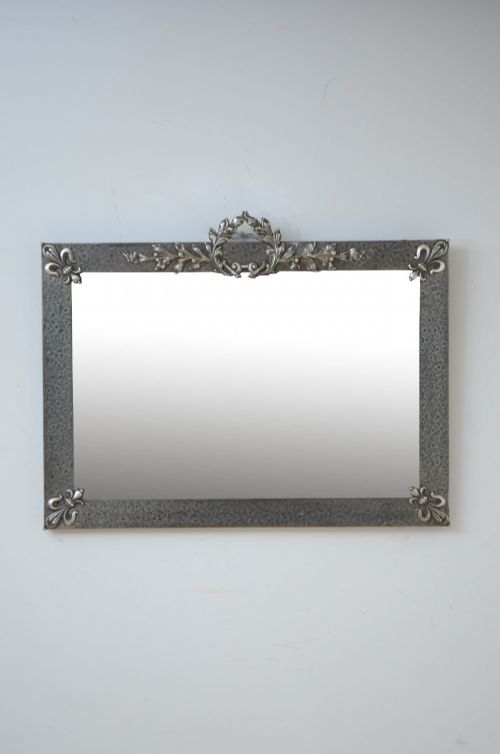
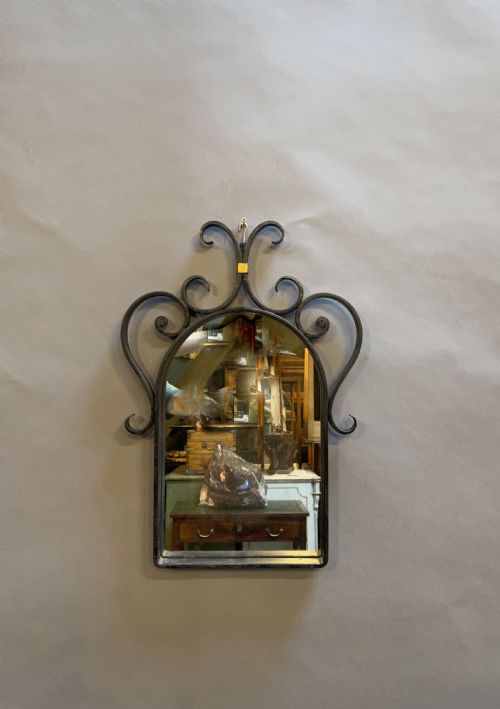
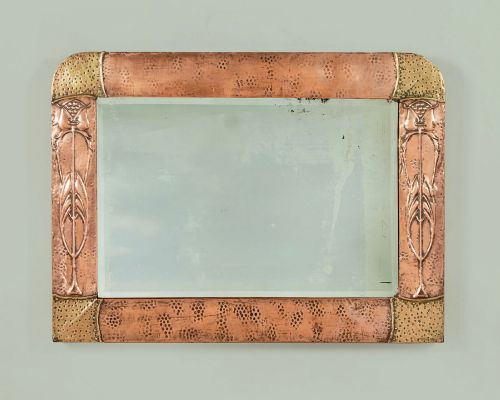


Metal Framed Wall Mirror
A metal framed wall mirror brings immediate depth and reflected light to a room, drawing the eye with its tactile perimeter.
Metal Framed Wall Mirror
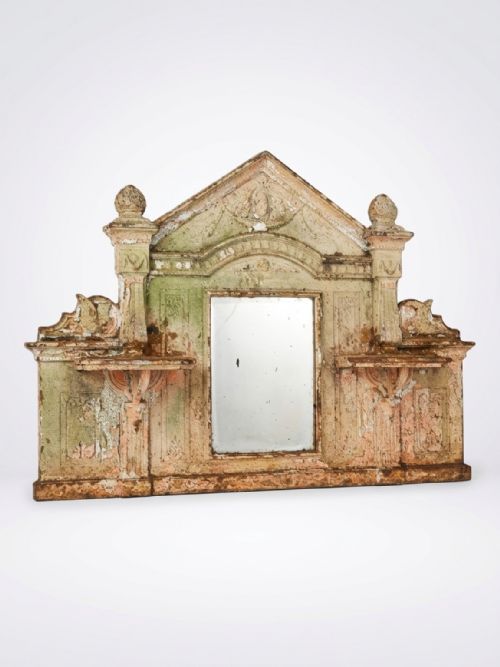
A metal framed wall mirror is a reflective glass panel held within a rigid perimeter of cast iron, brass, copper, or gilt metal. When you search for a metal framed wall mirror, you encounter pieces spanning the Victorian era through the 1930s, alongside robust Arts and Crafts examples.
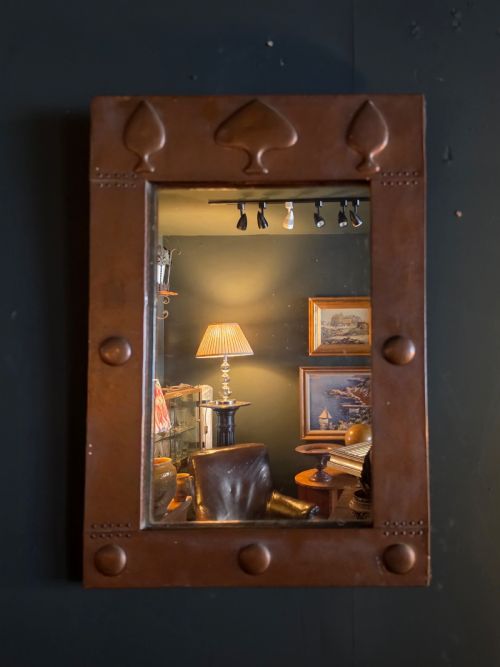
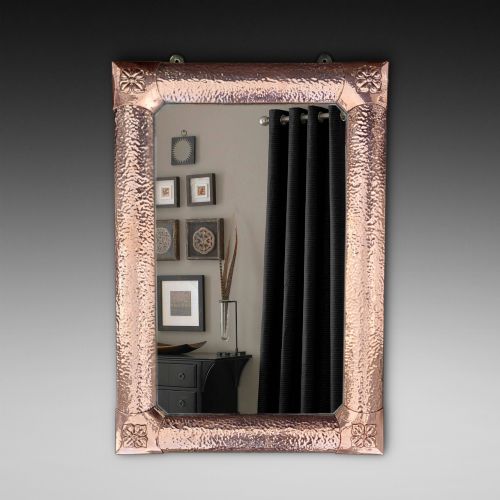
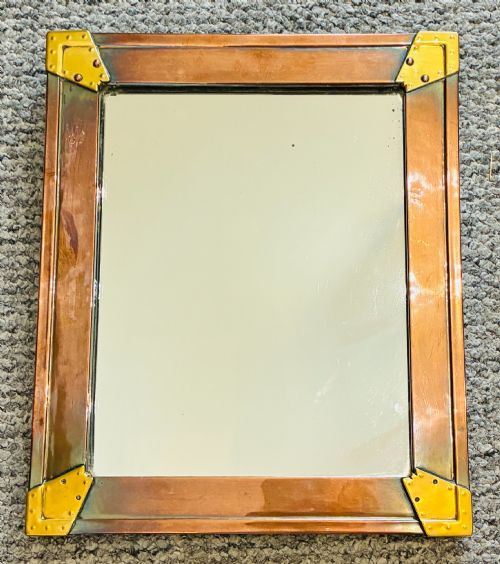
The most common variations on this page include beaten and repoussé copper frames, heavy cast brass surrounds with decorative crests, and French window mirrors. Dating ranges from the nineteenth century into the early decades of the twentieth century, with distinct regional styles such as Dutch Baroque revival.
Forms vary from small rectangular wall hangings to large console tables with mirrors and oval shapes. These pieces served practical and decorative functions in period homes, often combining functional glass with artisan metalwork.
Materials and construction methods
Makers utilised sheet copper and brass, working the surfaces by hand with hammers and punches to create raised repoussé motifs, stylised trees, and geometric borders. Cast iron and cast brass components offered deeper relief work, incorporating masks, scrolls, and mottoes directly into the frame structure.
Frames combine mirror glass with wood backing boards to support the metal fronts, whilst some pieces integrate ceramic cabochons or painted elements. Gilt metal and applied finishes provide distinct surface patinas developed over decades of age.
Metal Framed Wall Mirror Retail Price Guide 2026
Typical asking prices for metal framed wall mirror among the pieces listed under this phrase on Sellingantiques today, from the lower quarter to the upper quarter. They describe what is for sale here now, not the wider market.
Current listings feature materials ranging from cast iron and copper to mirror glass, wood, and paint across the nineteenth and early twentieth centuries.
Assessing quality in metal frames
The integrity of the original mirror glass and the stability of the joining construction differentiate standard commercial items from workshop pieces created by known makers and prominent guilds.
Liberty and Company·Coalbrookdale
The Metal Framed Wall Mirror Glossary
- Repoussé
- Metalworking technique where the metal is hammered from the reverse side to form a raised design on the front. This method creates tactile, three-dimensional decorative borders on copper frames.
- Cabochon
- A polished gemstone or ceramic piece cut in a convex form without facets. These are often set directly into the metal frame to add colour and focal weight.
- Cushion framed
- A frame profile that curves outward like a pillow towards the outer edge. This style appears frequently on Victorian embossed brass mirrors.
- Dutch Baroque Revival
- A revival style drawing on seventeenth-century Dutch design elements, often featuring heavy brass work and ornate scrolling. These mirrors bring a dramatic outline to wall spaces.
- Gilt metal
- Metal treated with gold leaf or a gold-coloured surface application. It offers a bright, reflective finish distinct from patinated copper or cast iron.
Metal Framed Wall Mirror: Frequently Asked Questions
How do I hang a heavy cast iron mirror?
Heavy cast iron and brass frames require secure wall fixings anchored directly into masonry or substantial timber studs. Use heavy-duty brackets suited to the weight of the metal and glass.
Ensure the hanging wire or integrated loop on the back is rated to support the entire load safely before mounting the piece at eye level.
What is the difference between Arts and Crafts and Victorian mirrors?
Arts and Crafts mirrors typically feature hand-beaten copper or brass with stylised motifs like trees or abstract geometric patterns, reflecting a focus on artisan craftsmanship. Victorian mirrors lean towards heavier cast brass with ornate scrolls, masks, or embossed cushion frames.
Victorian pieces often present a more formal, symmetrical appearance, whereas Arts and Crafts items showcase visible tool marks and organic designs.
How should I clean an antique copper frame?
Dust the frame gently with a soft, dry cloth to remove surface particles without disturbing the aged patina. Avoid harsh chemical cleaners or abrasive polishes that strip the historic finish.
Preserving the natural darkening and oxidation on copper and brass maintains the authenticity and visual depth of the antique metalwork.
Are French window mirrors functional?
French window mirrors are designed to mimic the proportions and divided panes of traditional casement windows, using mirror glass instead of clear panes. They reflect substantial light and create the illusion of additional space in a room.
While they serve as decorative wall mirrors, their architectural framing gives the distinct impression of looking through an antique window.