
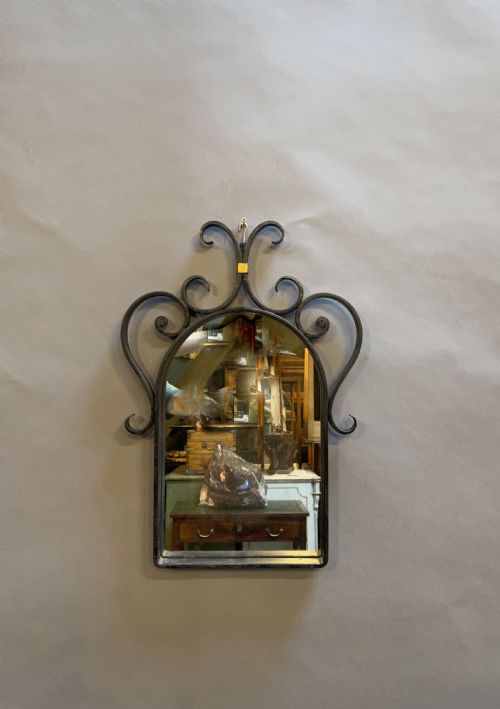


Antique French Iron Mirror
These antique french iron mirror pieces bring functional elegance to a hallway or room, combining sturdy metalwork with reflective glass.
Antique French Iron Mirror
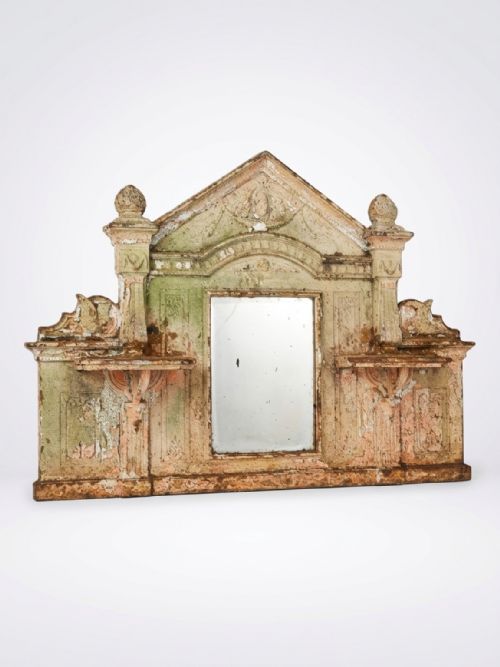
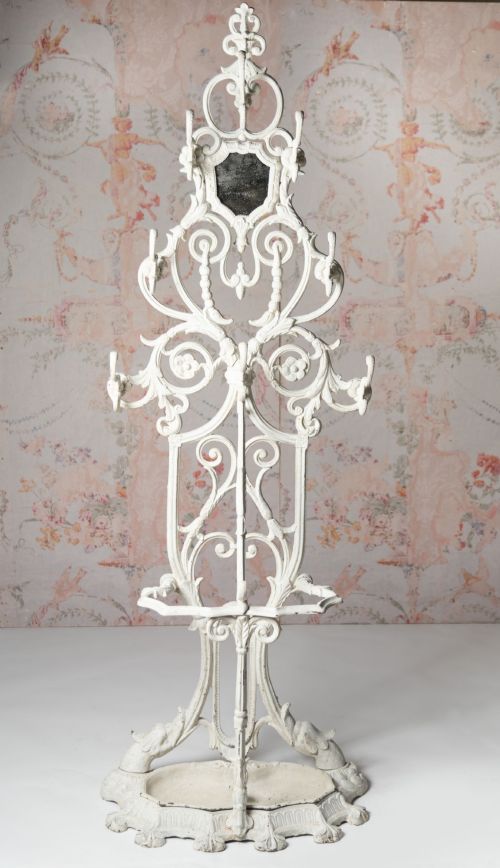
When you search for an antique french iron mirror, you encounter robust wall mirrors, hall stands, and coat racks incorporating glass plates and metal frames. The pieces on this page span the nineteenth century through the 1930s, showing styles from Victorian and Rococo Revival to French Provincial and Art Deco. Wall mirrors and mirrored coat racks represent the most common forms you will meet.
Makers utilised both cast iron and wrought iron alongside glass, brass, wood, and paint to create these items. Beyond simple wall hung mirrors, the selection includes console tables with mirrors, washstands, coffee tables, and combination hat and umbrella stands. Each object merges utility with the decorative ironwork characteristic of French design from these periods.
The origin and period define these items, with nineteenth century examples sitting alongside 1920s Art Deco industrial designs and 1930s scrollwork. Buyers seek them for their combination of heavy metal construction and decorative glass panels. They function equally well in utilitarian spaces like halls or as decorative centrepieces in living rooms.
How they were made
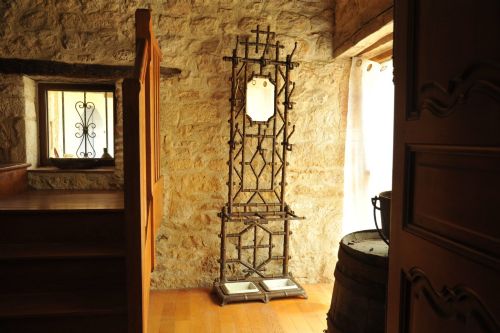
Workshops shaped these pieces using cast iron, wrought iron, and forged metal techniques to build sturdy frames and stands. Many examples incorporate decorative elements such as faux bamboo moulding, scrollwork, and painted finishes over the base metal. Glass mirror plates are then fitted into these structural metal housings.
Makers combined iron with brass, wood, and mirror glass to add contrast and utility to hall stands and coat racks. Paint was often applied to the iron components, which has weathered over time into distressed surfaces. The construction methods prioritized durability alongside decorative French styling.
Several pieces double as hat stands, proving that past generations took headwear coordination very seriously before leaving the house.
What varies in quality
The refinement of the ironwork sets the standard for these pieces, distinguishing simple utility items from pieces with elaborate scrollwork or faux bamboo moulding. The crispness of the casting or the skill in the forging determines the visual weight and elegance of the frame. Detail in the decorative motifs, whether Rococo Revival or Art Deco, dictates the distinction of the work.
The condition of the original glass mirror plate and painted or distressed surfaces contributes significantly to the overall character. Integration of auxiliary elements like brass hooks, shelves, or umbrella pans shows the thoughtfulness of the original design. Heavier construction and more complex forms, such as combined hall stands and console tables, represent the upper end of the range.
The Antique French Iron Mirror Glossary
- Wrought iron
- Iron that has been heated and hammered into shape by hand, resulting in a fibrous structure and distinctive surface texture. This material allows for slender, curved decorative elements.
- Cast iron
- Iron poured into a mould to create solid or hollow forms with detailed repetitive patterns. It provides the heavy structure seen in stands and decorative frames.
- Faux bamboo
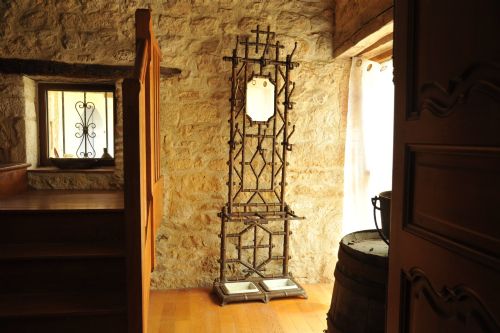
- A decorative treatment mimicking the segmented stalks of bamboo, often moulded into cast iron coat and umbrella stands during the late nineteenth century. This motif reflects the nineteenth century fascination with Asian design.
- Girondelle
- A decorative wall mirror featuring attached sconces or candle arms designed to reflect candlelight. The archive records painted distressed oval examples.
- French Art Deco
- A style from the 1920s and 1930s characterised by geometric forms, stylised motifs, and industrial influences. It appears in iron hat and coat racks with integrated mirrors.
Antique French Iron Mirror: Frequently Asked Questions
What is an antique french iron mirror stand?
These combination pieces integrate a mirror with hooks, umbrella holders, and sometimes a console table or shelf. They served a practical purpose in nineteenth century and early twentieth century hallways for coats and hats.
Today, they function as practical entry furniture that combines reflective glass with heavy metal storage. Their dual nature makes them popular for modern hallways lacking built-in closets.
How do I date an iron mirror?
Dating relies on stylistic clues, such as nineteenth century Victorian scrollwork versus 1920s Art Deco geometry. Materials like cast iron faux bamboo point specifically to the turn of the twentieth century.
Examining the construction methods of the iron frame and the backing of the glass provides further clues to the period. Earlier pieces often display hand-forged elements, while later ones utilise mass-produced cast components.
Where should I place a mirrored coat rack?
These pieces suit entrance halls, boot rooms, and narrow corridors where floor space is at a premium. The mirror bounces light around smaller spaces while the hooks hold everyday garments.
Living rooms and bedrooms also accommodate wall-mounted versions or console combinations as decorative focal points. Ensure the wall structure can support the substantial weight of cast iron and glass.
How do I care for iron and glass?
Maintenance involves dusting the iron framework gently and using standard glass cleaner on the mirror plate. Avoid harsh abrasives that might damage original painted or distressed surfaces.
Keeping the metal dry prevents corrosion, particularly on items placed in damp boot rooms or near exterior doors. Regular inspection of wall fixings ensures heavy cast frames remain secure.