




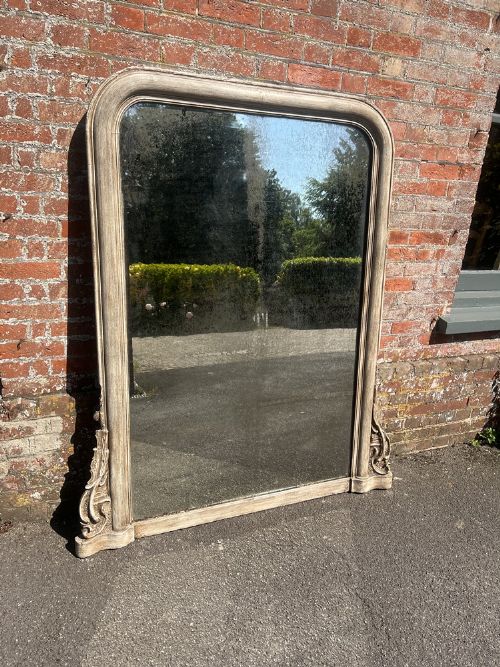


French Scroll Mirror
A french scroll mirror brings unmistakable Continental elegance to a room, offering sweeping carved flourishes and reflective depth.
French Scroll Mirror
When searching for a french scroll mirror, buyers encounter decorative wall glasses, overmantels, and console combinations originating across the nineteenth and early twentieth centuries. These pieces display distinct stylistic lineages including Rococo Revival, French Provincial, and Restauration designs.
The pieces on this page span from late eighteenth-century examples up to items from the 1930s, encompassing both wall mirrors and vanity forms. Wooden carved frames and gilt finishes predominate among the available selections.
Overmantels and pier glass mirrors feature heavily alongside more intimate vanity and dressing table mirrors. Buyers will also find associated console tables paired with mirrors from the nineteenth century.
How they were made
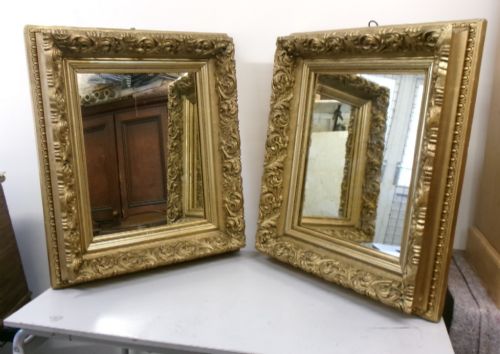
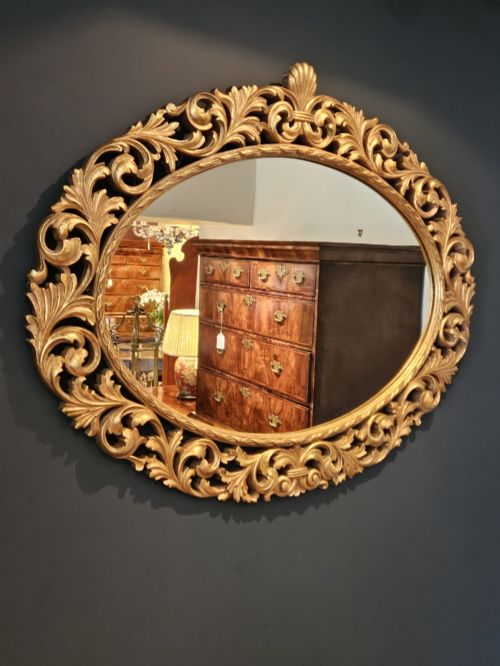
The construction of these mirrors relies upon carved timber, gesso, and applied gilding to achieve ornate frames. Artisans shaped intricate scrolls and leaf motifs using hand-carved wood and moulded composition details.
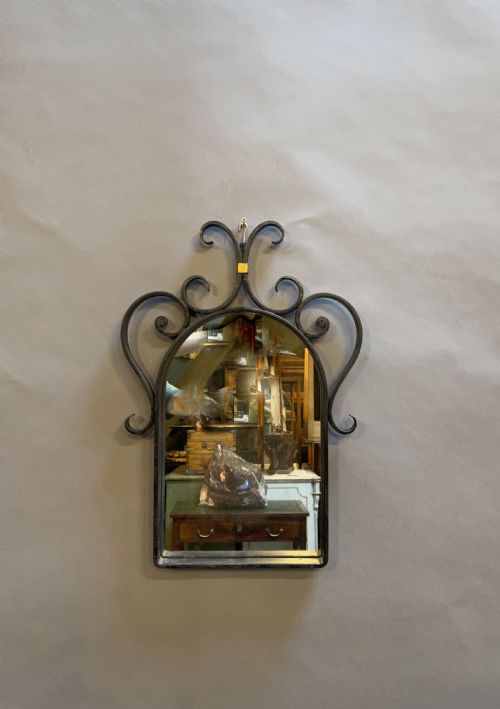
Certain pieces utilise hand-forged wrought iron or brass for structural frames, particularly in twentieth-century examples. Glass plates are fitted securely into rebated wooden or metal backings.
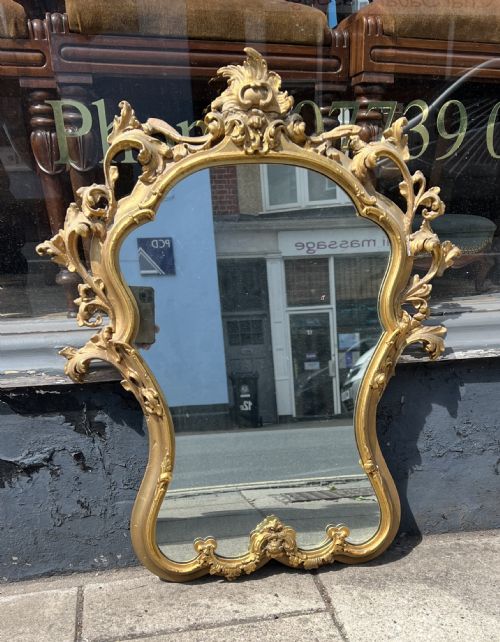
Giltwood finishes were applied over preparatory layers of gesso to create the characteristic metallic sheen seen on Rococo and classical revival pieces.
Hand-forged iron scrolls occasionally conceal tiny smithing adjustments, reminding us that even formal French elegance began at an anvil.
What varies in quality
The depth and crispness of the carved wooden scrolls separate finer decorative work from simpler moulded pieces. Hand-carved detail displays sharp undercut leaves and organic asymmetry characteristic of period craftsmanship.
The preservation of the original gilt surface and the quality of the underlying gesso layers influence the character of each frame. Silvering degradation on the mirror glass itself alters the reflective quality over time.
The French Scroll Mirror Glossary
- Giltwood
- Wood carved and coated with gold leaf or metallic powder. This finish defines many traditional French decorative frames.
- Gesso
- A plaster-like mixture applied to wood frames to create a smooth surface for gilding. It holds fine sculptural detail.
- Overmantel mirror
- A large wall mirror designed to hang specifically above a fireplace mantel. These pieces often anchor a room scheme.
- Pier glass
- A tall mirror designed to hang on the wall space between two windows. They reflect additional natural light into the interior.
- Rococo Revival
- A nineteenth-century design style reviving eighteenth-century asymmetry, curves, and scrollwork. It dominates much Continental mirror design.
French Scroll Mirror: Frequently Asked Questions
Where should I hang a french scroll mirror?
These mirrors suit placement above mantelpieces, sideboards, or console tables where their ornate frames can act as a focal point. Their reflective surfaces also work well opposite windows to draw natural light deeper into a room.
Ensure the wall structure can support the weight of larger carved wood and gesso frames, using appropriate fixings for secure installation.
How do I date a french scroll mirror?
Dating relies on examining the construction methods of the frame, the backing boards, and the characteristics of the mirror plate itself. Eighteenth and nineteenth-century pieces often show hand-carved details and older silvering techniques, while 1920s and 1930s examples may exhibit different assembly marks.
Style indicators like Rococo Revival ornamentation appeared across multiple eras, so joinery and materials provide clearer chronological evidence than decoration alone.
Are wrought iron mirrors French?
Wrought iron mirrors with scroll ends were produced in France during the early twentieth century, utilising hand-forging techniques. These pieces offer a different aesthetic compared to gilded wooden frames while maintaining similar scrollwork motifs.
Such ironwork items provide robust alternatives for interiors seeking industrial or provincial Continental character.
What is a console mirror combination?
Console mirrors are pieces where a wall mirror is physically paired with or designed to sit directly above a matching console table. This arrangement was popular in nineteenth-century interiors to create a cohesive furniture ensemble.
These combined pieces function well in entrance halls and reception rooms, providing both a surface table and reflective glass.