


Metal Cane Holder
A metal cane holder organises walking sticks and umbrellas in a hallway while adding structural character.
Metal Cane Holder
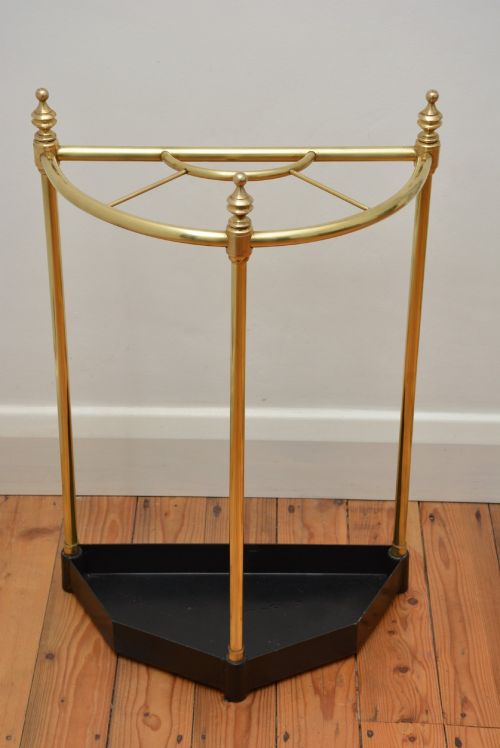
A metal cane holder serves as a functional hallway accessory designed to store umbrellas and walking sticks upright. When you search for a metal cane holder, you encounter items primarily built from cast iron, brass, and copper.
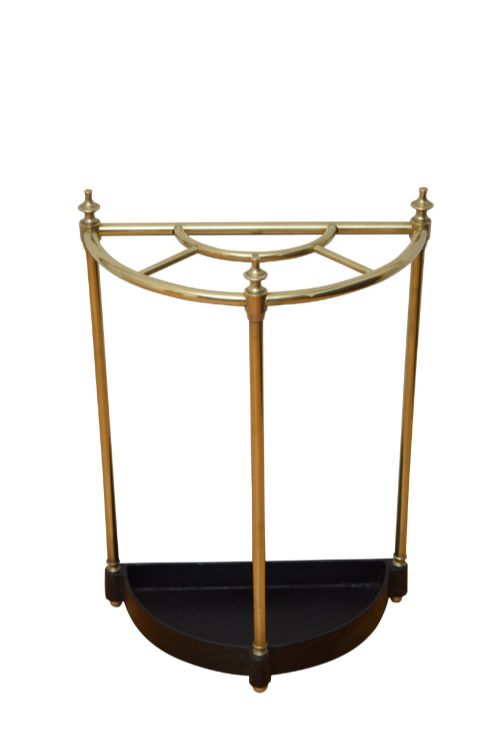
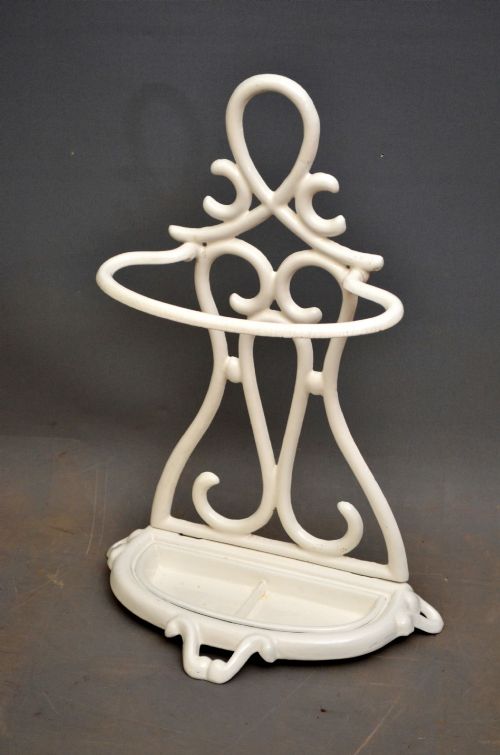
The pieces on this page span the nineteenth century through the Edwardian and Art Deco periods. You are most likely to meet Victorian cast iron designs and brass demi-lune shapes among the current options.
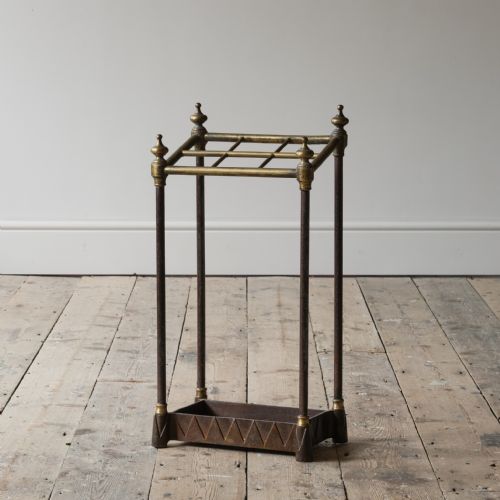
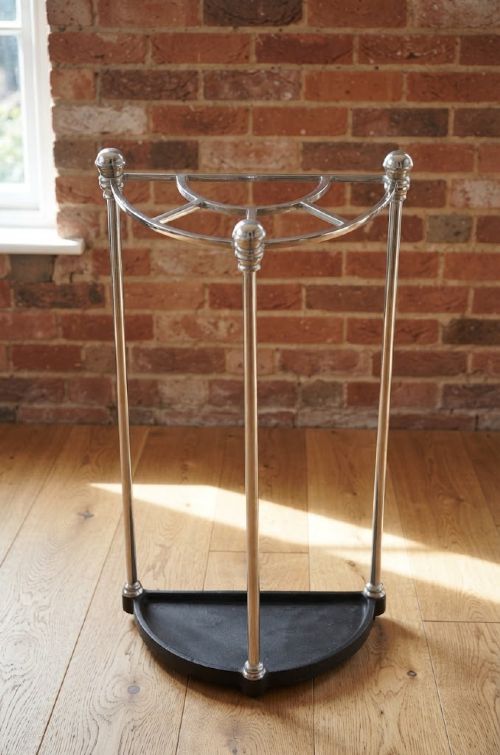
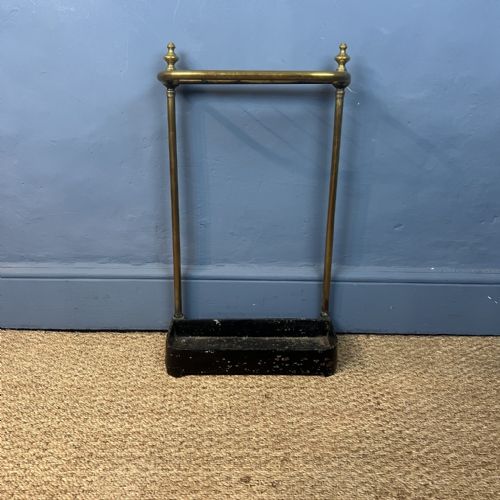
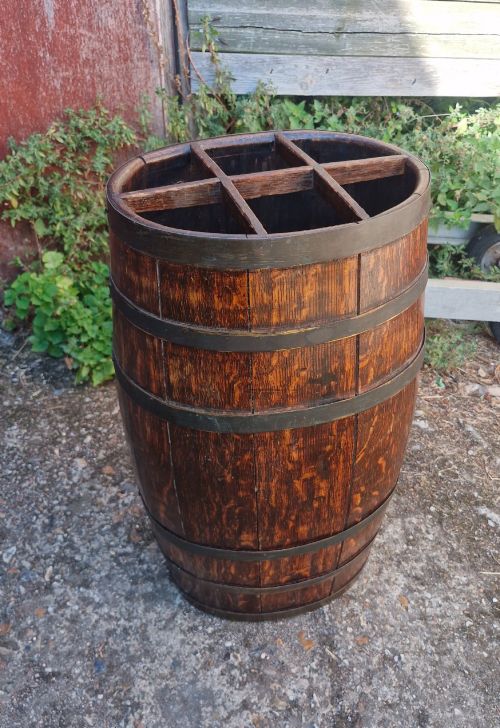
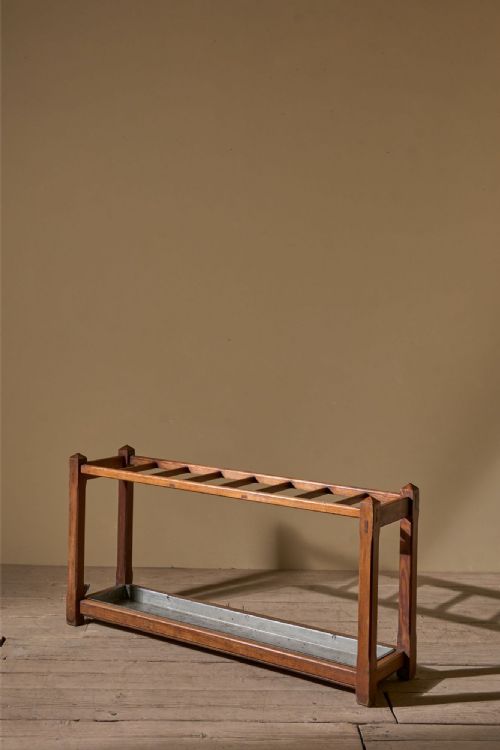
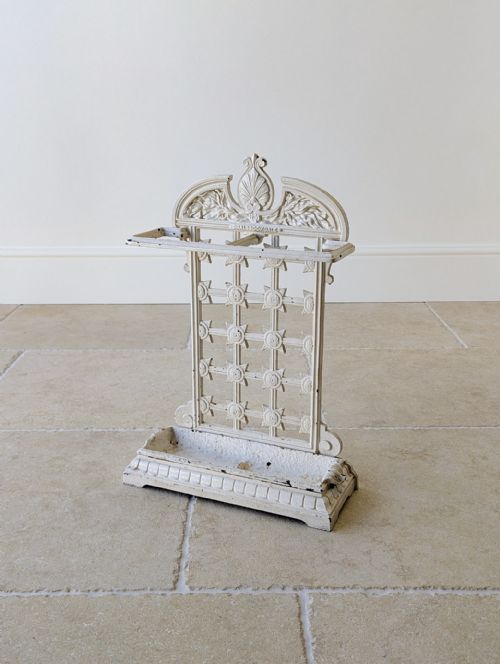
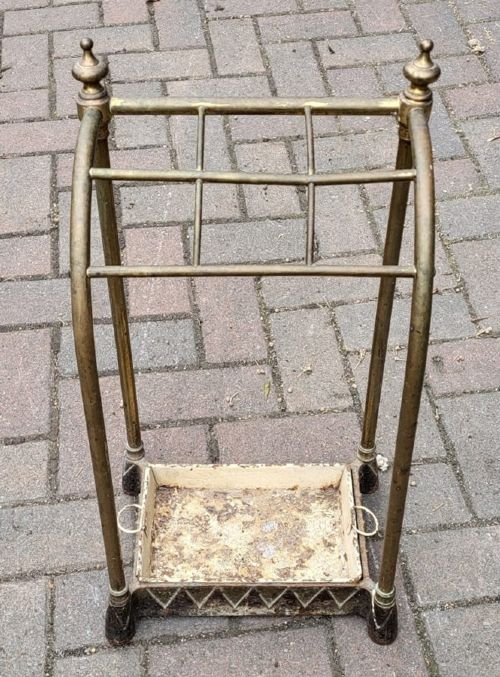
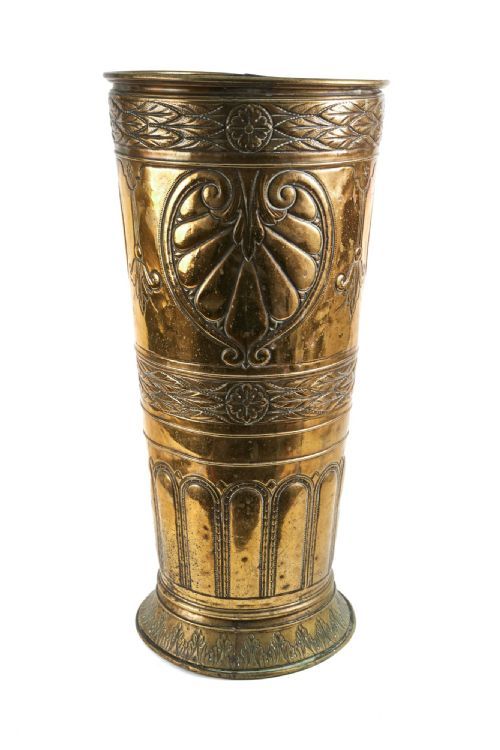
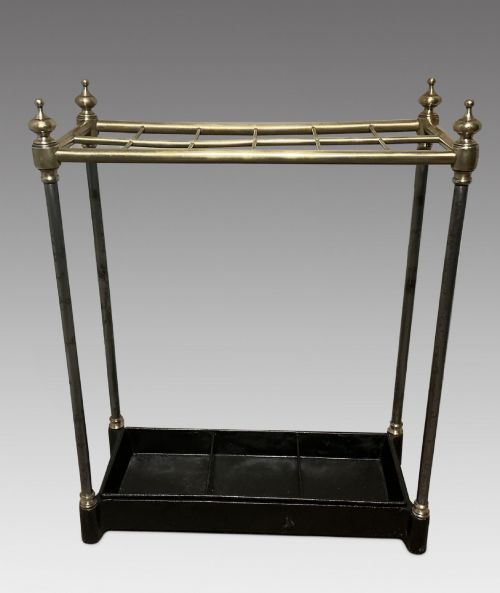
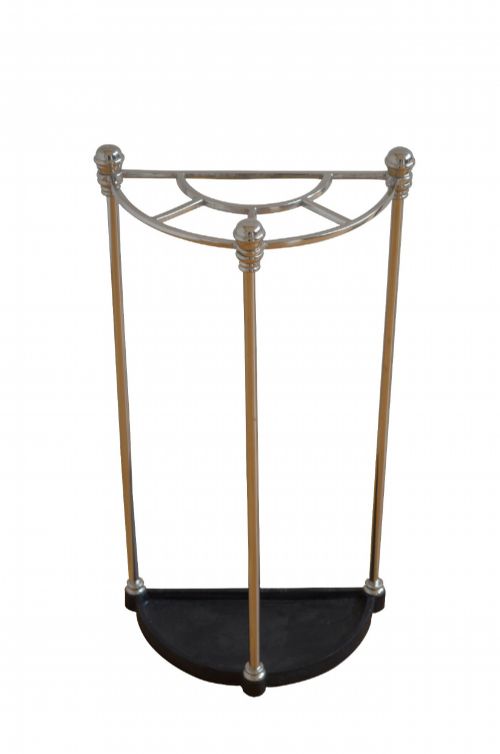
Forms include freestanding half-moon frames, barrel shapes, and rectangular stands. Many examples incorporate original metal drip trays to catch water from wet umbrellas.
How they were made
Foundries utilised casting techniques for iron components, producing intricate openwork patterns and robust frames. Brass elements were formed through sheet rolling, casting, and joining to create reflective half-moon and cylindrical bodies.
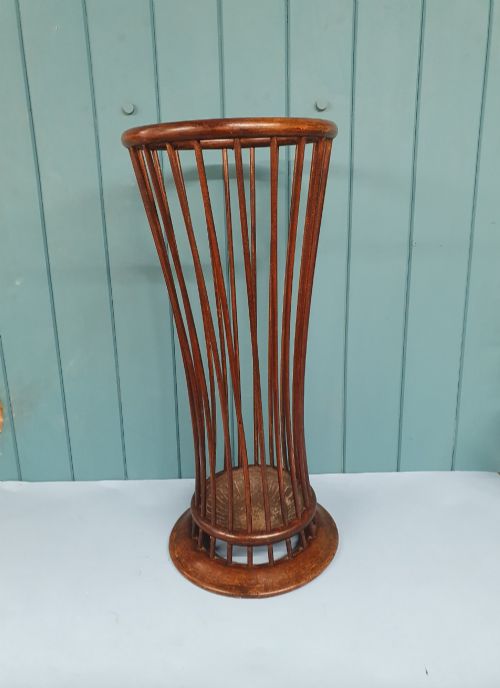
Makers combined metals with timber elements such as oak, pine, and walnut in specific hybrid designs. Enamel finishes and nickel plating appeared on later pieces, particularly during the Art Nouveau and Art Deco eras.
Listings feature items from the 1880s, 1890s, Edwardian era, and 1930s Art Deco period, constructed in brass, cast iron, copper, and oak.
What varies in quality
The distinction between standard items and superior examples lies in the crispness of the cast iron or brass work and the complexity of the design. Heavy gauge metals and retained original drip trays elevate a piece above simpler utilitarian versions.
Attribution to known foundries or specific stylistic movements, such as Arts and Crafts or Art Nouveau, indicates higher workshop capability. The integrity of structural joints and the retention of original surface finishes determine the overall standing of each stand.
Coalbrookdale·Falkirk Ironworks
The Metal Cane Holder Glossary
- Demi-lune
- A half-moon shape common in brass and iron stick stands designed to sit flush against a hallway wall.
- Drip tray
- A removable metal basin positioned at the base of the stand to collect water from wet umbrellas.
- Cast iron
- An iron alloy poured into moulds to create rigid structures with detailed decorative patterns.
- Nickel plated
- Covered with a thin layer of nickel to provide a bright silver-coloured finish and prevent corrosion.
- Arts and Crafts
- A design movement prioritising traditional craftsmanship and honest materials over mass production.
Metal Cane Holder: Frequently Asked Questions
Where should a metal cane holder go?
These holders sit neatly in entrance halls, corridors, or boot rooms to manage walking gear and wet umbrellas.
Their narrow footprints, particularly demi-lune shapes, allow them to fit against walls without blocking walkways.
How do I identify a Victorian metal cane holder?
Victorian examples often feature heavy cast iron construction with gothic, floral, or faux bamboo detailing.
They frequently display dark painted finishes or patinated brass frames dating from the nineteenth century.
Did these stands always include drip trays?
Most purpose-built umbrella and stick stands incorporated metal drip trays to protect wooden floors from moisture.
Survival of the original tray adds authenticity and utility to the piece.
What is the difference between an umbrella stand and a stick stand?
While terms overlap in listings, stick stands often feature tighter divisions for narrow walking canes.
Umbrella stands provide broader apertures and rings to accommodate rain gear.