
Mens Silver Pocket Watch Chain
A mens silver pocket watch chain is a substantial link fastening designed to secure a timepiece while sitting across a waistcoat.
Mens Silver Pocket Watch Chain
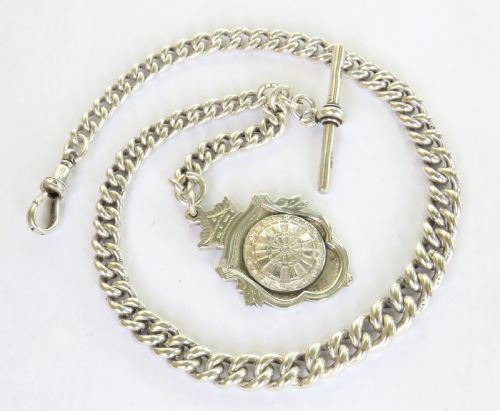
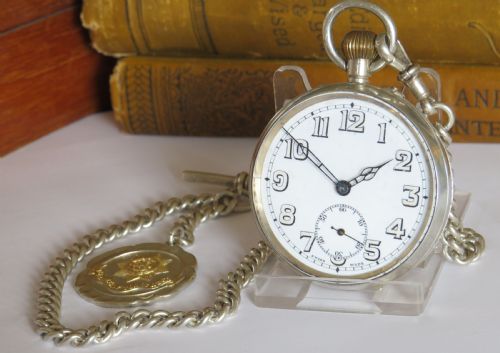
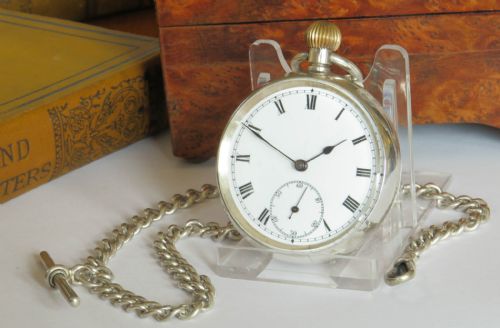
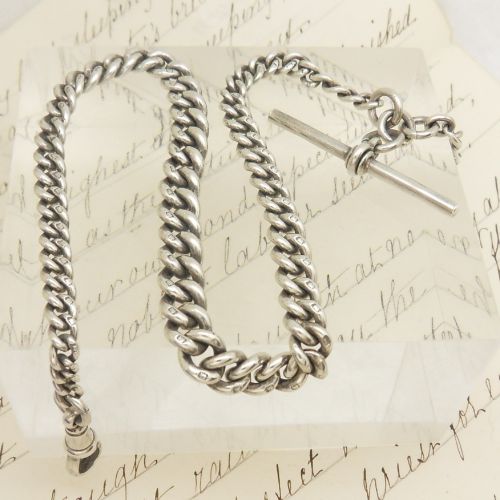
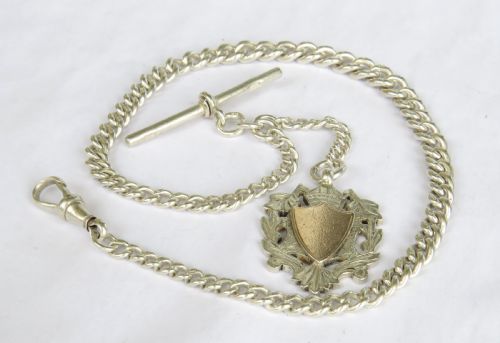
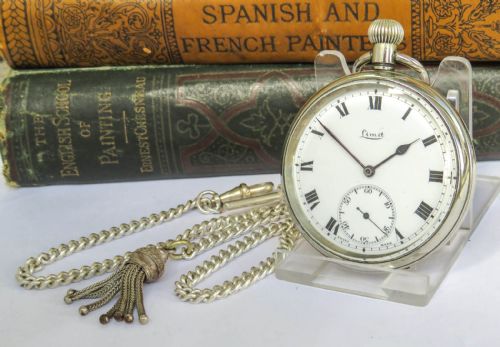
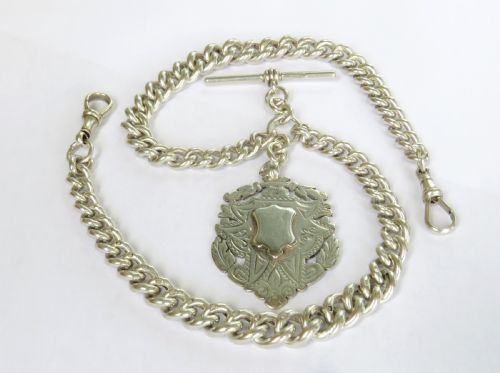
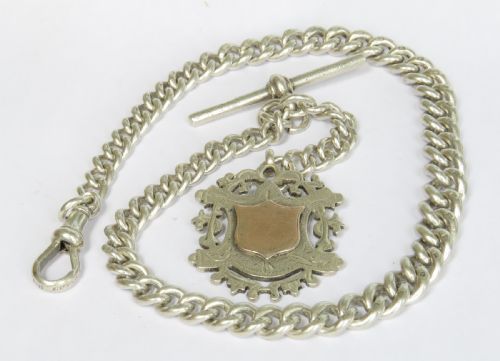
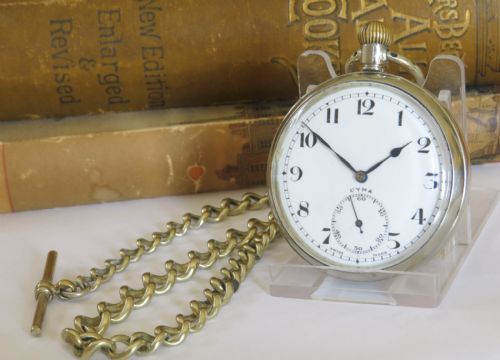
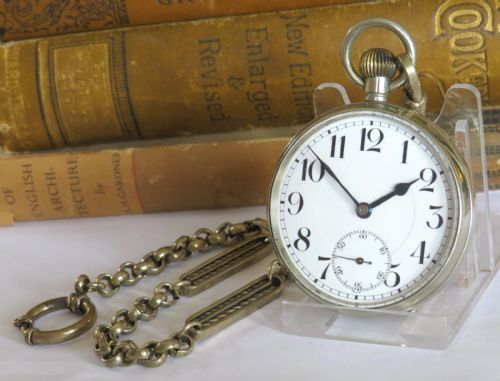
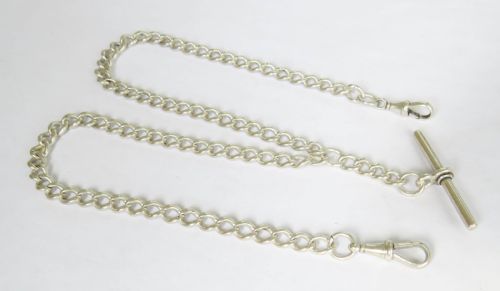
When you search for a mens silver pocket watch chain, you encounter lengths of metal links spanning from the Victorian era through the Art Deco period and the 1930s. The version you are most likely to meet on this page is the classic albert chain, complete with a T-bar for securing through a buttonhole and a swivel clip for the timepiece itself.
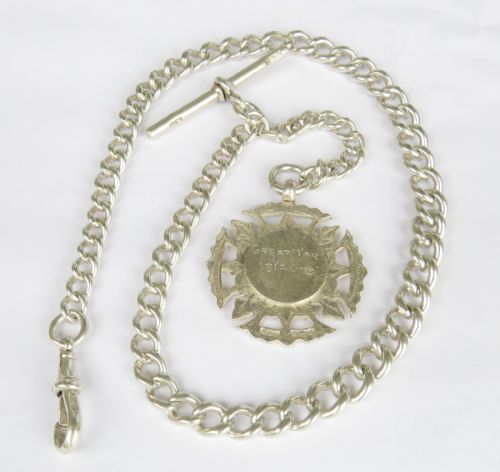
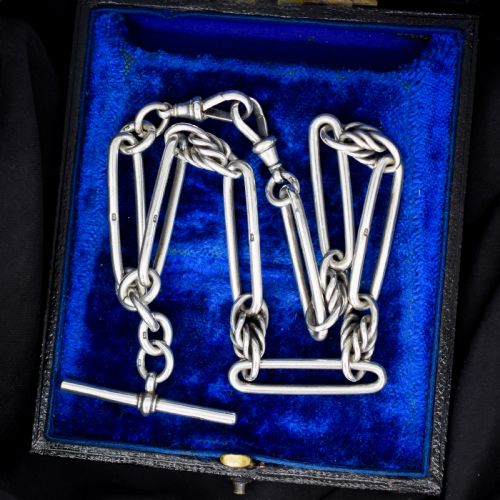
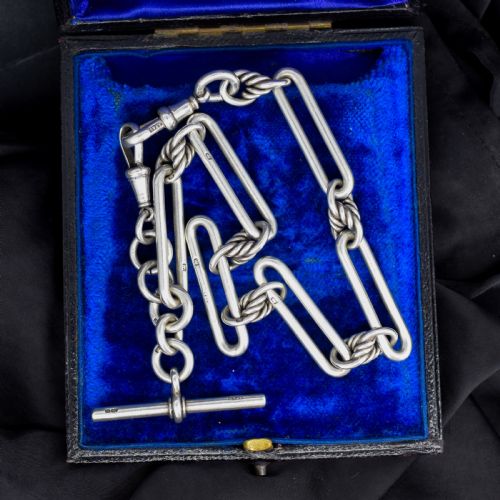
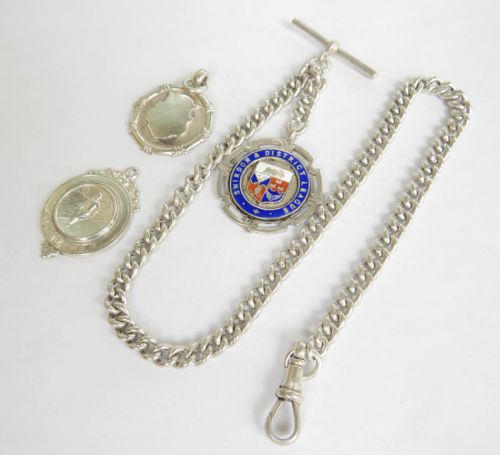
These items frequently arrive accompanied by fobs, seals, keys, or compasses, reflecting their original use as functional accessories for pocket watches. Examples range from heavy curb links and trombone love knots to double watch chains designed to span two waistcoat pockets simultaneously.
Originating largely from the nineteenth and early twentieth centuries, these pieces bridge the gap between traditional timekeeping gear and modern necklaces. Surviving examples often incorporate maker marks or date hallmarks that anchor them precisely in British history.
Materials and construction methods
The primary material underpinning these pieces is sterling silver, supplemented occasionally by nickel, brass, steel, and enamel for specific fobs and decorative elements. Silversmiths formed individual links by hand or through early industrial stamping, soldering them securely to withstand daily wear inside a waistcoat.
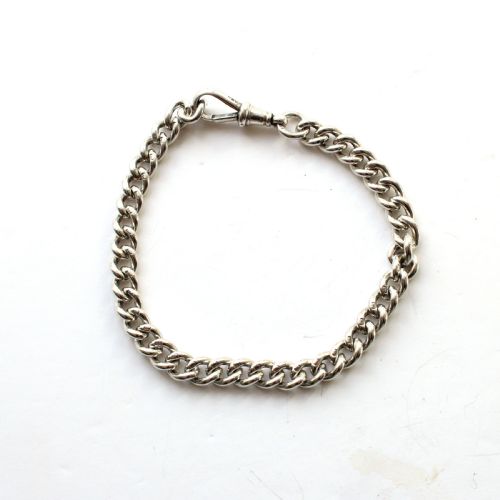
Link patterns such as curb, figaro, and trombone dictate the structural rhythm of each chain, joined by sturdy dog clips and jump rings. Individual links often bear hallmarks indicating assay offices, purity, and date stamps, confirming solid silver construction.
Distinctions in construction and weight
The division between standard examples and superior specimens rests upon the gauge of the silver wire and the tightness of the link fabrication. Heavier grams per inch, robust swivel mechanisms, and intact original dog clips distinguish substantial double albert chains from lighter single strand necklaces.
The presence of matching hallmarks across every individual link and the T-bar denotes superior manufacturing consistency. Furthermore, the inclusion of original period fobs, such as bloodstone swivels or engraved seals, elevates the integrity of the ensemble.
Limit Revue·Cyma·Octava·Tavannes·Horos·Tellus·Doxa·Electa
The Mens Silver Pocket Watch Chain Glossary
- Albert chain
- A pocket watch chain named after Prince Albert, typically featuring a central T-bar and one or more drop pendants for fobs or keys.
- T-bar
- A short transverse bar attached to the centre of the chain, designed to slip horizontally through a buttonhole to anchor the watch.
- Dog clip
- A spring-loaded swivel clasp attached to the end of the chain for securing a pocket watch securely.
- Bloodstone
- A dark green chalcedony flecked with red jasper, frequently set into rotating swivel fobs attached to these chains.
- Hallmark
- An official stamp applied by an assay office indicating the purity of the metal, the maker, and the year of production.
Mens Silver Pocket Watch Chain: Frequently Asked Questions
How did men wear a pocket watch chain?
The T-bar passed through a central waistcoat buttonhole, while the chain draped across the front. The watch itself rested inside the lower waistcoat pocket.
Alternatively, a double albert chain spanned two separate pockets, balancing the watch on one side and a fob or keys on the other.
Can I wear these chains as a necklace?
Many people repurpose these antique pieces to wear around the neck, utilising the existing length and dog clips. The substantial weight of curb and trombone links makes them suitable for contemporary neckwear.
Original lengths often range from thirteen to over twenty inches, fitting comfortably as chokers or short chains.
How do I read silver hallmarks on a chain?
Hallmarks usually appear stamped on individual links, the T-bar, and the dog clip. They typically include a standard mark for silver purity, an assay office symbol, and a date letter.
Comparing these tiny stamps against historical assay records reveals the exact year and location of manufacture.