
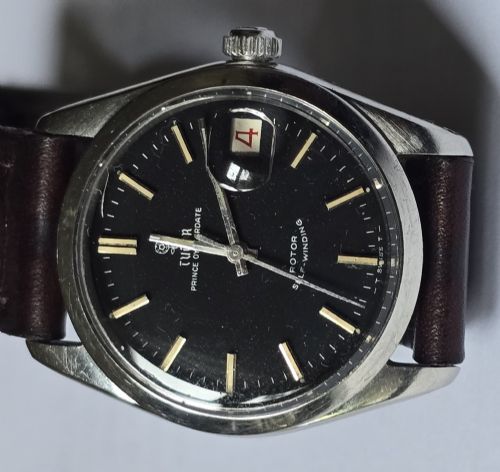
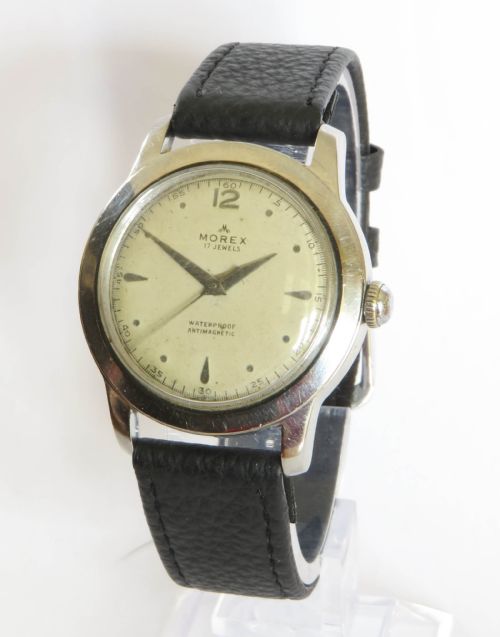
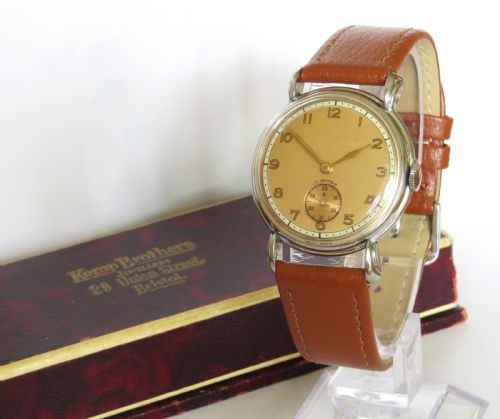
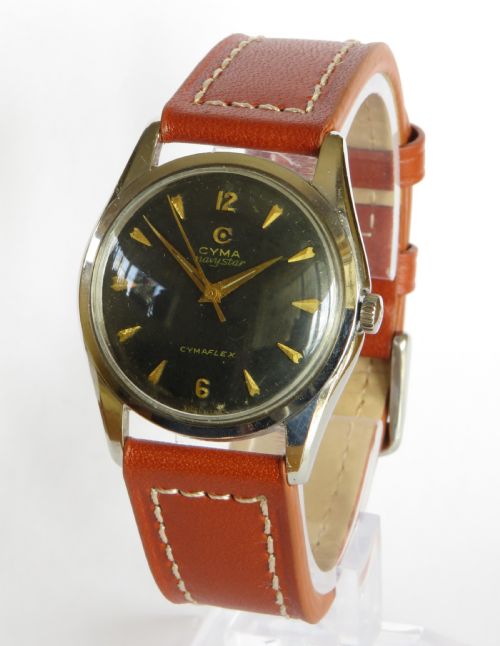
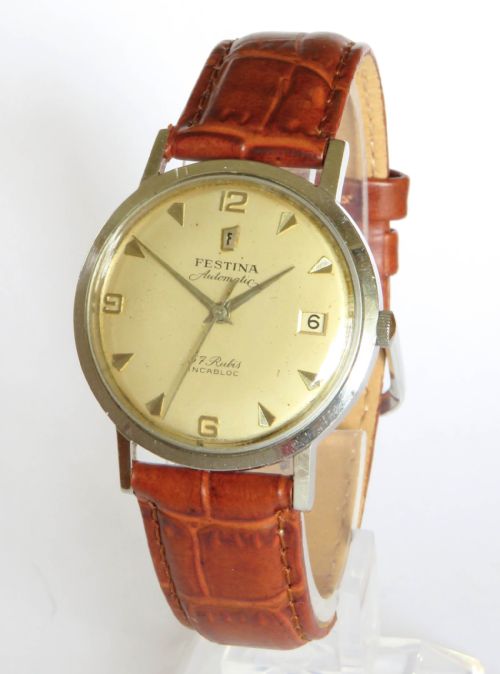
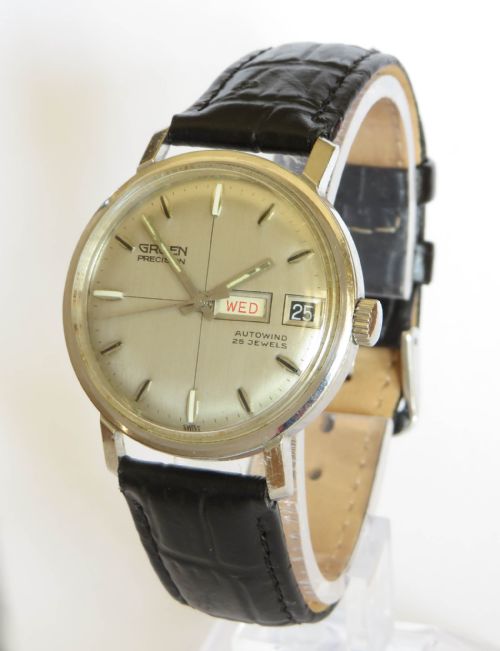
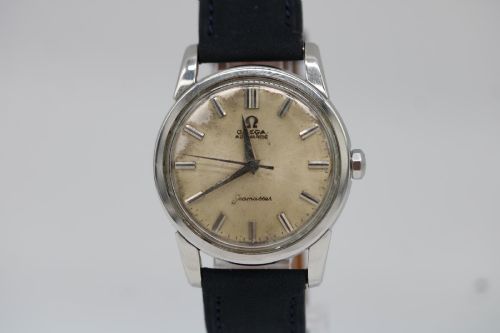
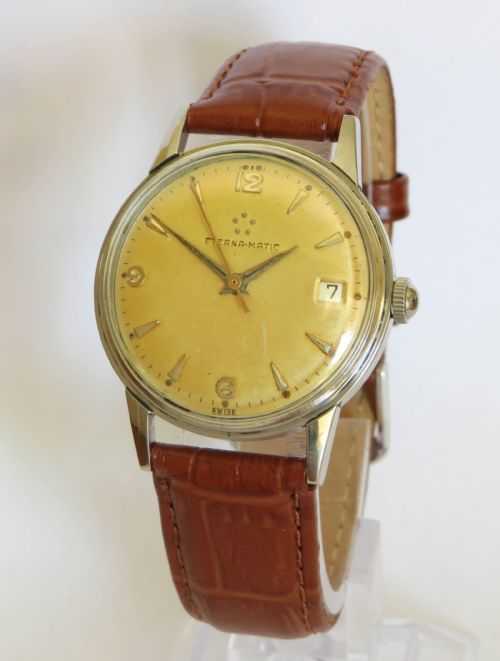
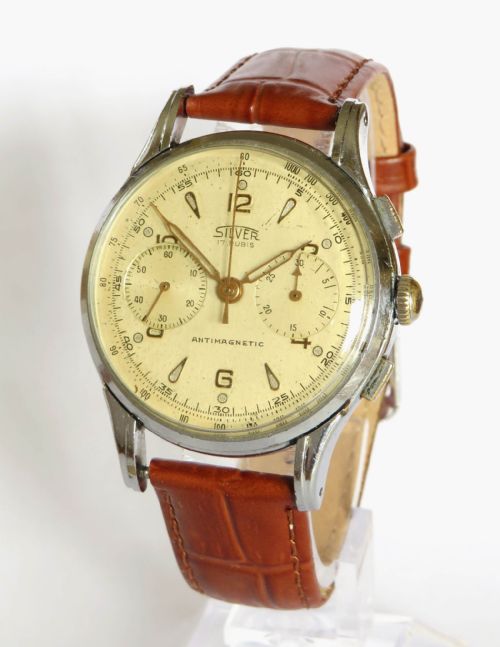
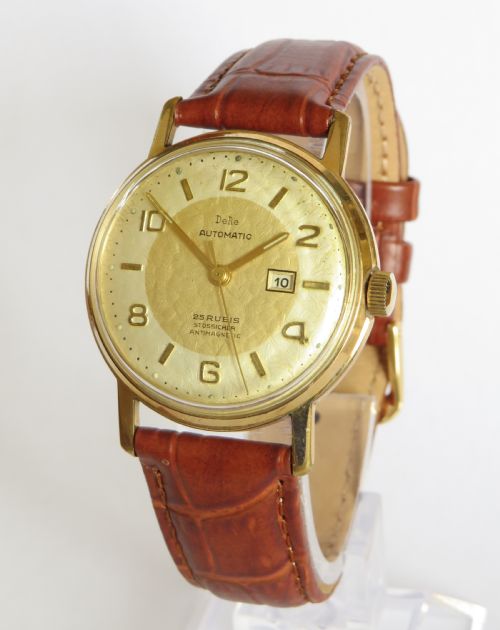
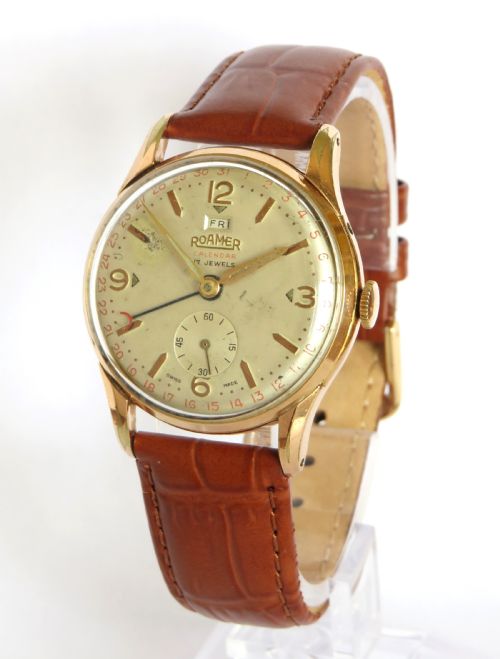
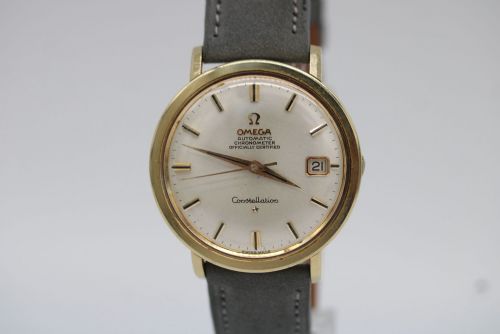
Mens Mechanical Wrist Watch
A mens mechanical wrist watch carries the heritage of mid-century horology, offering wearable history through manual wind and automatic movements.
Mens Mechanical Wrist Watch
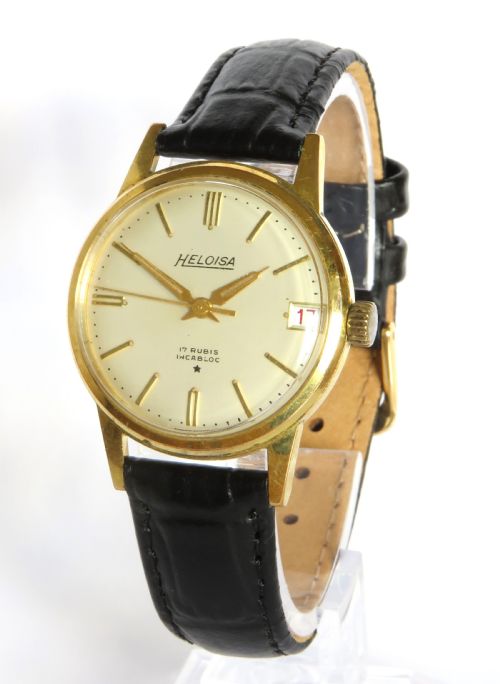
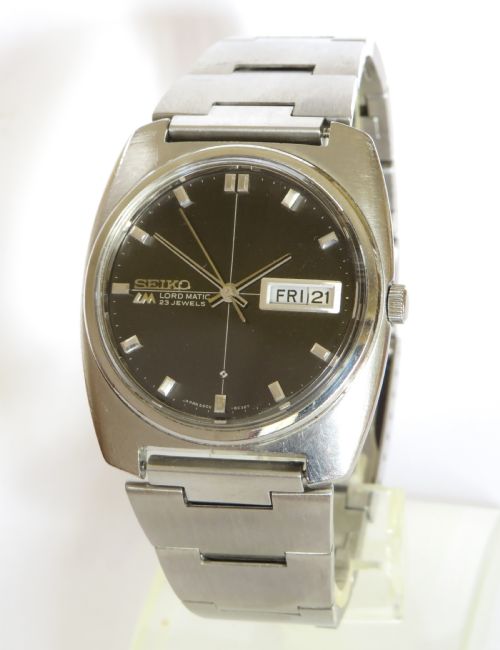
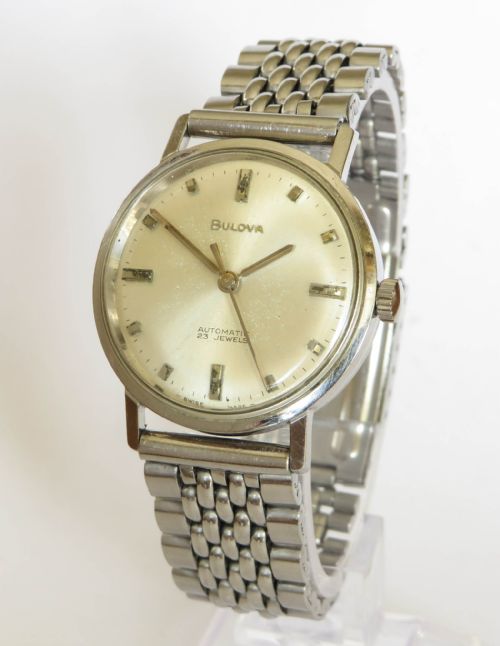
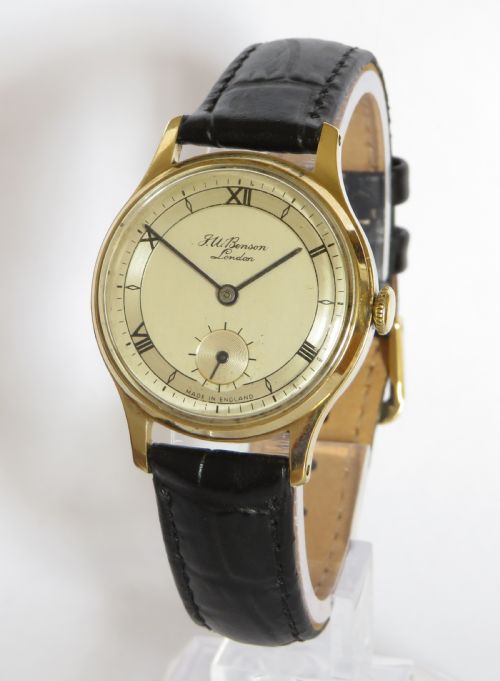
A mens mechanical wrist watch comprises vintage timepieces driven by springs and gears rather than batteries, spanning the 1930s to the 1960s.
Buyers will encounter various forms on this page, predominantly gents wristwatches and chronograph wrist watches from Swiss and British makers.
The selection ranges from Art Deco pieces of the 1930s through wartime models to the Mid-Century Modern designs of the 1950s and 1960s.
How they were made
Cases utilise metals such as stainless steel, chrome, gold plate, gold plated metal, and 18ct white gold, paired with glass, acrylic, or acrylic glass crystals.
Straps are commonly fashioned from leather to secure the watch to the wrist, housing intricate internal mechanical movements driven by manual wind or auto-wind systems.
Materials documented across the collection include leather, stainless steel, acrylic, gold plate, glass, chrome, and solid white gold.
What varies in quality
The distinction in these watches lies in the execution of the dial, the refinement of the movement calibre, and the preservation of the case material.
Pieces featuring solid gold cases or specific chronometer-grade movements represent the higher tier of production, alongside examples retaining original straps, buckles, or documentation.
Tudor·Montilier·Cyma·Seiko·Bulova·Smiths·Festina·Gruen·Omega·Rolex·Longines·Avia·Venus·Primula·Marvin Hermetic·Tissot·Gloriosa·Rotary Claridge·Enicar·Wittnauer·Dogma Prima
The Mens Mechanical Wrist Watch Glossary
- Automatic
- A self-winding mechanical movement that uses a weighted rotor to wind the mainspring through the natural motion of the wearer's arm.
- Chronograph
- A watch with a stopwatch function alongside its standard timekeeping display, often operated via pushers on the case side.
- Calibre
- The specific internal mechanical movement manufactured for a watch model, denoting its design and technical specifications.
- Acrylic
- A lightweight plastic material utilised for watch crystals before the widespread adoption of sapphire glass.
Mens Mechanical Wrist Watch: Frequently Asked Questions
How do I wind a mechanical watch?
Wind the crown clockwise between your thumb and forefinger until you feel resistance. Do not force it past the stopping point to avoid damaging the mainspring.
For automatic models, wearing the watch provides the movement needed to wind itself, though an initial manual twist may be required if it has stopped completely.
Are these watches water resistant?
Vintage mechanical timepieces were not manufactured to modern water-resistance standards. Gasket materials degrade over decades, leaving the interior vulnerable to moisture.
It is safest to keep these pieces away from water, rain, and hand washing entirely to protect the delicate dial and movement.
How accurate are vintage mechanical watches?
Mechanical watches rely on gears and springs rather than quartz crystals, meaning a variation of a minute or two per day is entirely normal.
Regular servicing by a professional watchmaker helps maintain optimal timekeeping performance across these mid-century calibres.
Can I wear a vintage watch daily?
These watches were built for everyday wear in their era, but their age requires a degree of mindfulness. Avoiding heavy impacts and magnetic fields will preserve the internal components.
Pairing them with a suitable leather strap ensures comfort and security for regular daytime use.