
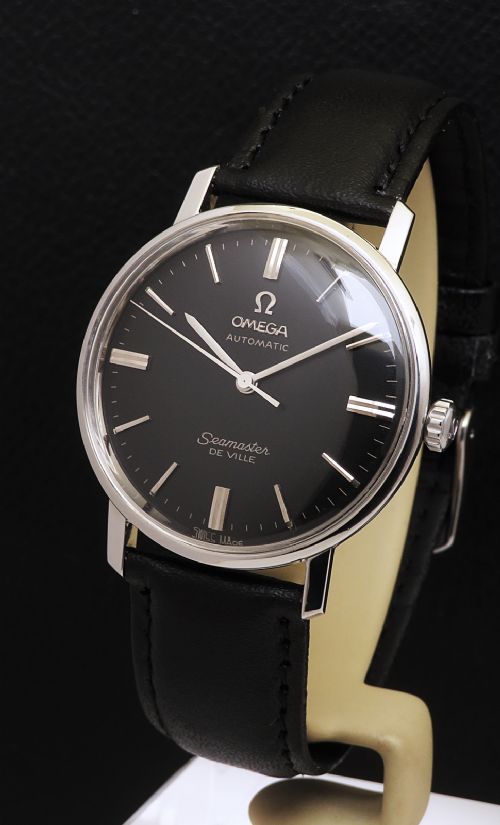
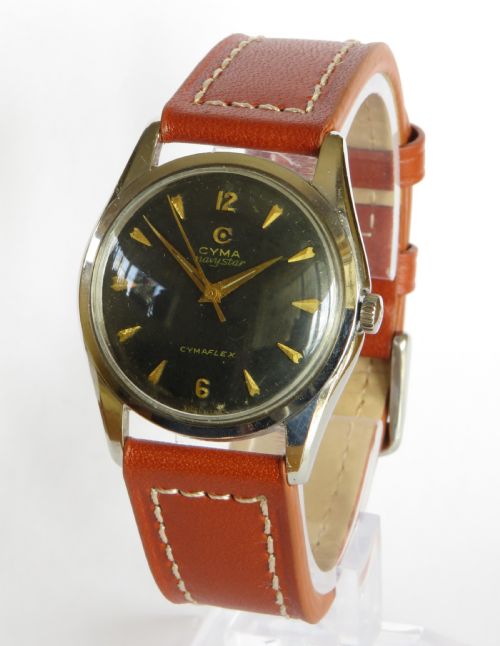
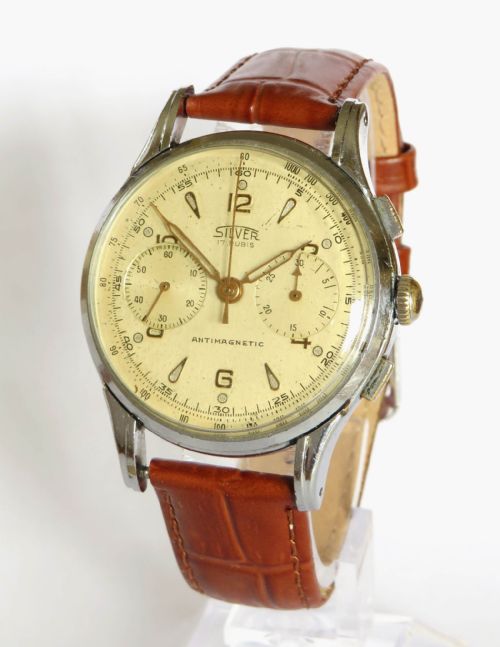
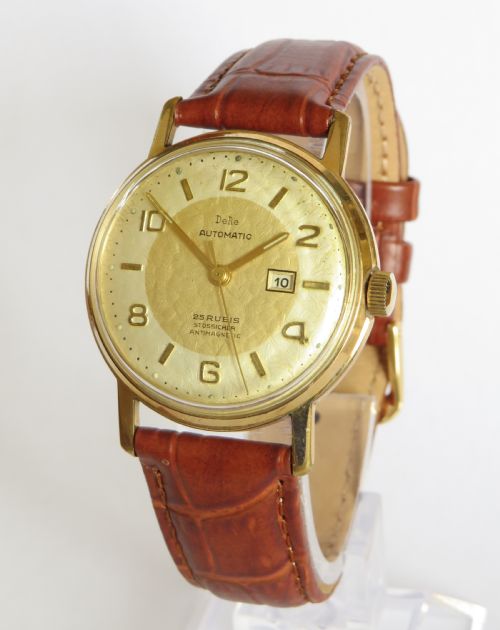
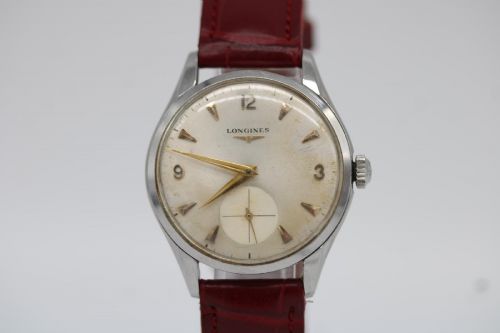
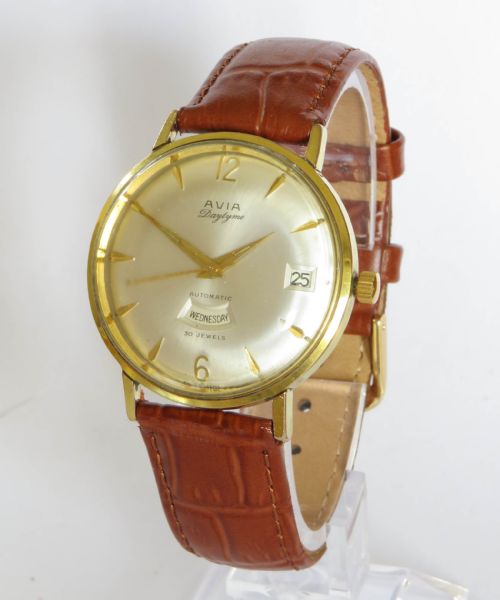
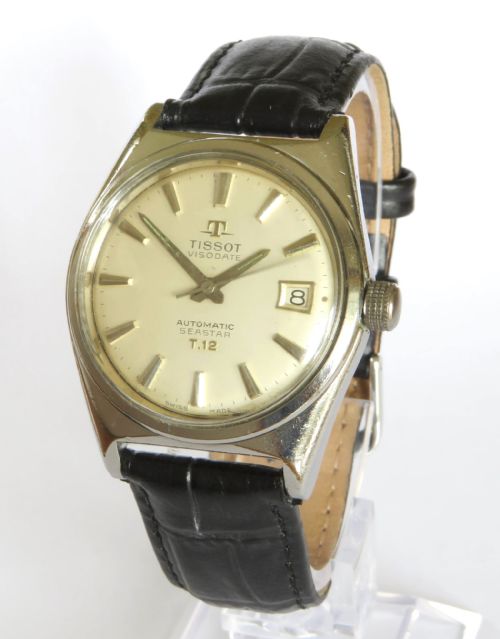
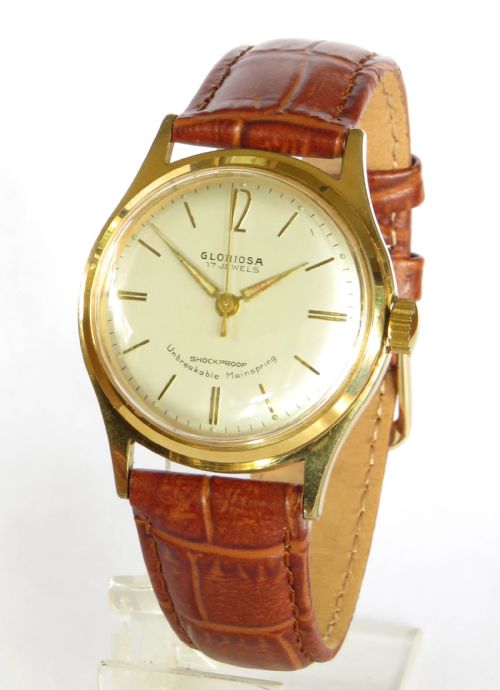
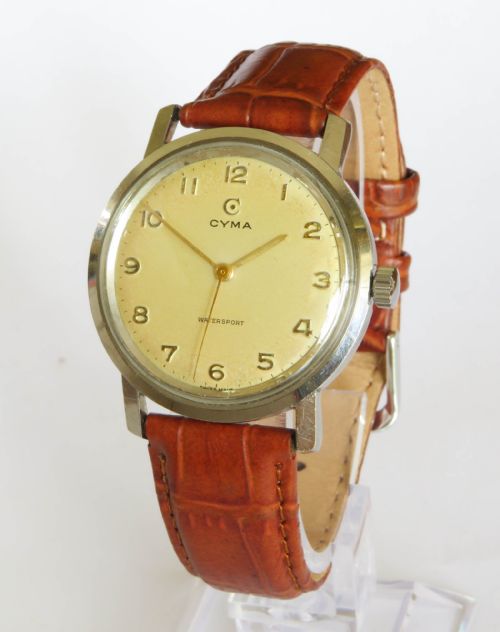
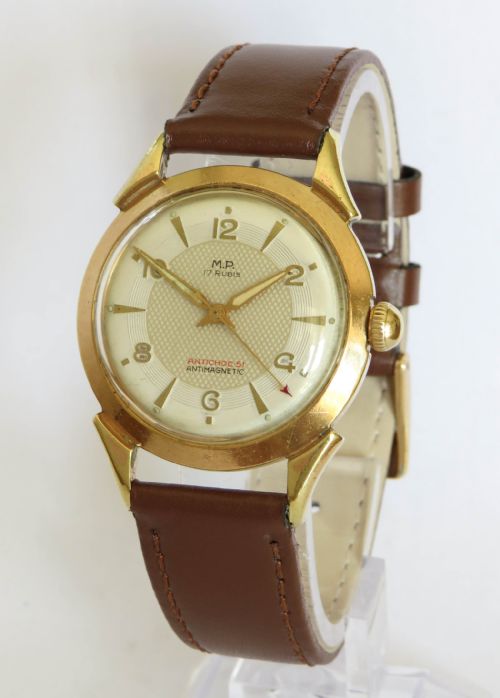
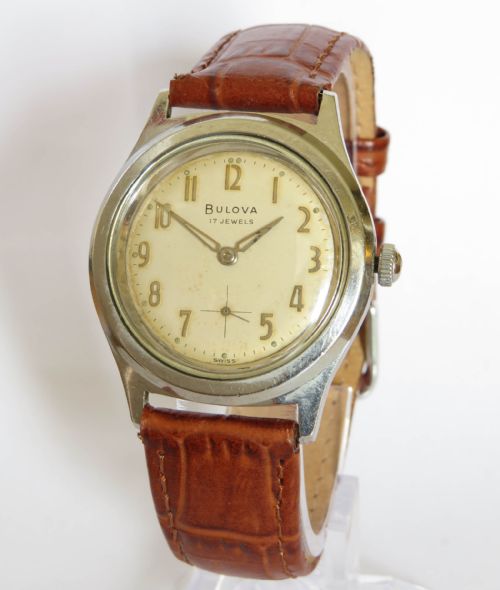
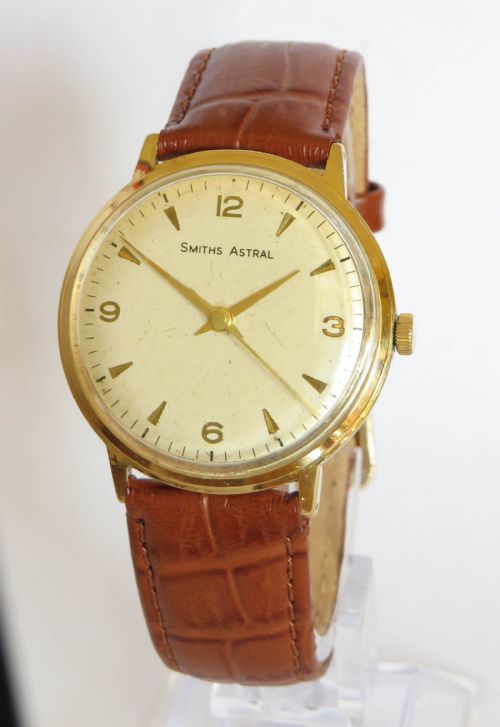


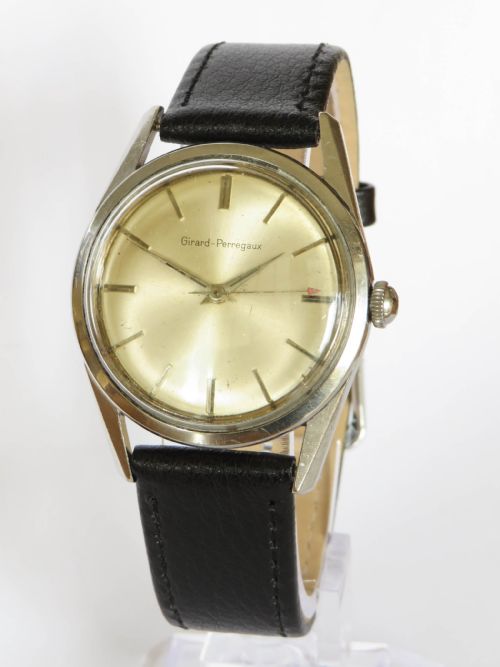

Mens Analog Wristwatch
A mens analog wristwatch brings mechanical precision and mid-century style directly to the wrist.
Mens Analog Wristwatch
A mens analog wristwatch displays time through traditional hands sweeping across a dial rather than digital digits. Pieces matching this search span from the Art Deco period through the 1940s, 1950s, and 1960s.
The selections available here rely on mechanical movements, including manual wind and automatic calibres. Most examples originate from the 1950s and 1960s, embodying Mid-Century Modern design principles.
Materials and construction
Cases utilise stainless steel, chrome-plated steel, and gold plate to house the internal mechanisms. Crystal covers consist of glass or acrylic glass protecting the dial.
Strap components rely on leather to secure the timepiece to the wrist. Movements incorporate precision metal gears, springs, and jewels.
The Dermaphile model suggests a timepiece once worn by someone particularly concerned with skin health.
Assessing quality in vintage watches
Superior examples feature recognised maker signatures on the dial and movement, alongside documented servicing. The refinement of the internal calibre and the integrity of the case finishing separate standard models from exceptional pieces.
Preservation of the original dial texture and case geometry indicates careful ownership over decades. Lesser specimens may show heavy polishing that softens original lines or replacement components.
Omega·Cyma·Longines·Tissot·Bulova·Smiths Astral·Eterna·Girard Perregaux·Avia
The Mens Analog Wristwatch Glossary
- Manual wind
- A watch movement wound by hand via the crown to tension the mainspring. This traditional method requires regular daily winding to keep time.
- Automatic
- A self-winding movement powered by the natural motion of the wearer's arm. An internal weighted rotor tensions the mainspring as the wrist moves.
- Chronograph
- A watch equipped with a stopwatch function alongside standard timekeeping. Independent hands measure elapsed seconds, minutes, or hours.
- Calibre
- The specific manufacturer's designation for a particular watch movement design. Collectors reference these codes to identify the exact internal mechanism.
- Jumbo case
- An oversized watch case for its era, offering a larger presence on the wrist. These models command attention due to their scaled-up proportions.
Mens Analog Wristwatch: Frequently Asked Questions
How do I wind a manual watch?
Rotate the crown clockwise between your thumb and forefinger until slight resistance is felt. Stop immediately when tension increases to avoid damaging the mainspring.
Perform this action at a consistent time each day to maintain steady operation and accurate timekeeping.
Are vintage watches waterproof?
Historic timepieces lack modern rubber gaskets and screw-down sealing technology. Exposure to moisture can quickly rust delicate internal steel components.
Keep these watches away from water, heavy rain, and high humidity unless a professional watchmaker has recently tested the seals.
What is an automatic movement?
An automatic mechanism includes a weighted internal rotor that pivots with arm movements. This motion winds the mainspring automatically throughout the day.
Such designs eliminate the need for daily manual winding while the watch remains in regular rotation.
How do I date my watch?
Inspect the inner case back and the movement for serial numbers and maker hallmarks. These stamps often correlate with historical production ledgers.
Stylistic cues like dial typography and case geometry also help narrow the manufacturing decade.