


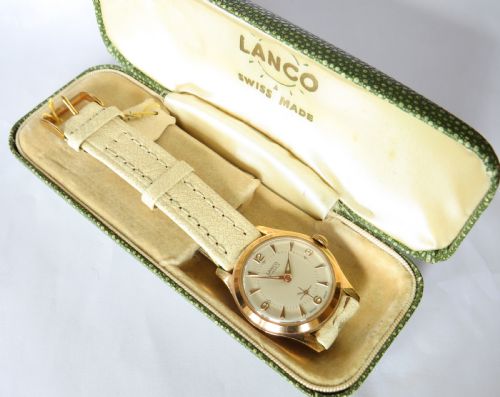


Classic Analog Timepiece
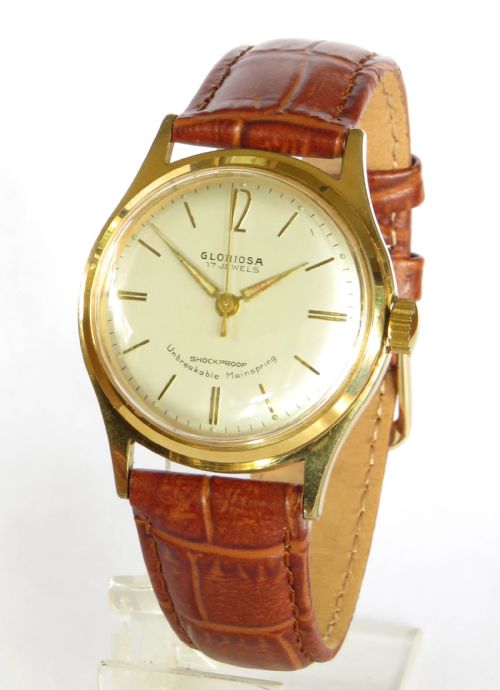
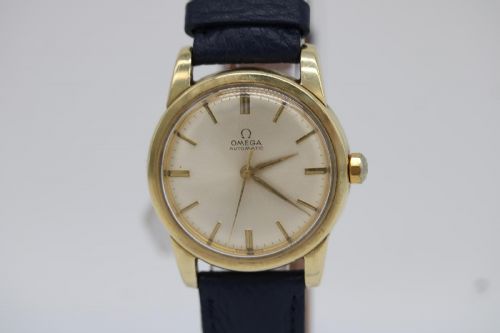
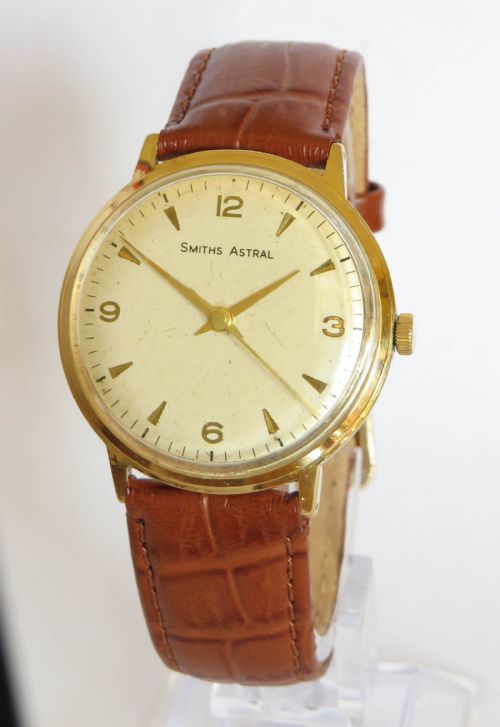
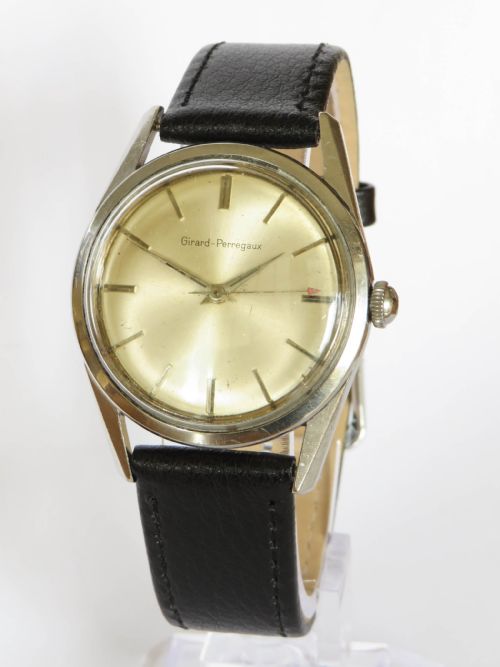
A classic analog timepiece is a mechanical or automatic wrist watch spanning the 1940s to the 1960s, offering dependable mid-century design.

Classic Analog Timepiece
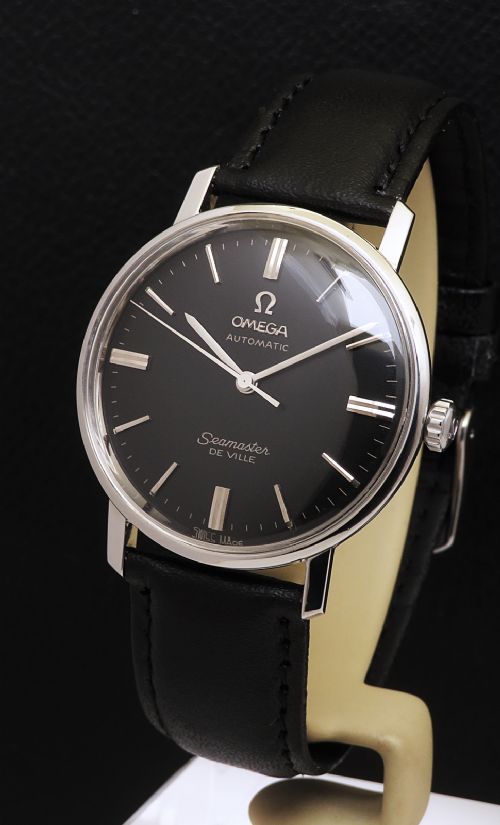
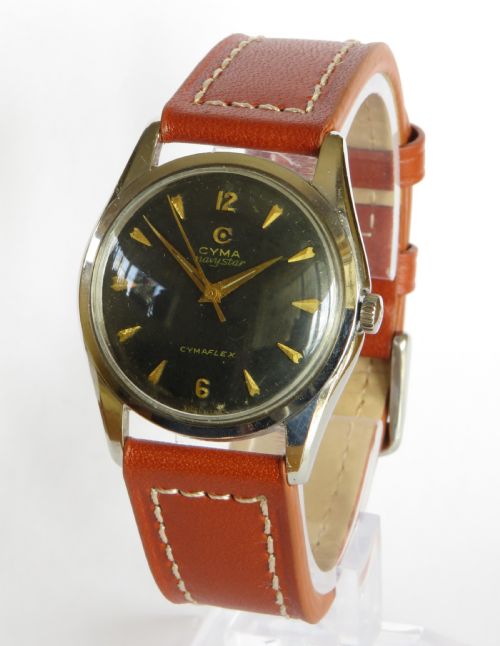
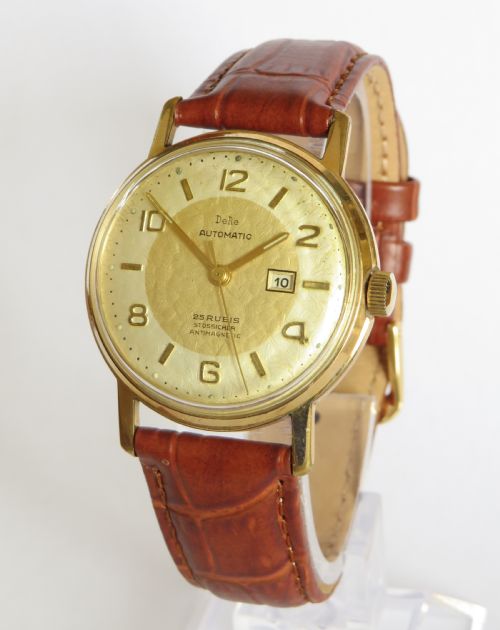
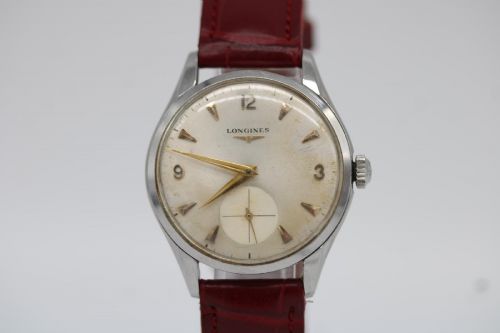
When you search for a classic analog timepiece, you encounter wristwatches primarily from the 1940s, 1950s, and 1960s. These pieces reflect mid-century aesthetic movements, encompassing Mid-Century Modern, Mid-Century British, and Art Deco styles.
The most common examples on this page are gents wristwatches featuring manual wind or automatic movements. Names such as Omega, Longines, and Smiths frequently appear alongside lesser-known makers.
Many of these watches originate from Swiss or British workshops, displaying the traditional craftsmanship of their respective decades. Original boxes and uncirculated New Old Stock items occasionally surface among the listings.
Materials and construction
Cases utilise metals, gold plate, and stainless steel, paired with protective glass or acrylic glass crystals. Dials are often protected by durable metal housings designed for daily wear.
Straps and bands incorporate leather and fabric, matching the functional requirements of mid-century wristwatches. Movements rely on complex internal mechanical components rather than electronic circuits.
French and Swiss manufacture is evident in specific manual wind and automatic calibres. Dial windows employ clear acrylic or glass to display the hands and markers.
Listings feature wristwatches spanning three decades: the 1940s, 1950s, and 1960s.
Assessing quality
The standard of a classic analog timepiece depends on the preservation of its dial, case integrity, and the precision of its movement. Pieces described as fully restored or newly serviced demonstrate greater mechanical reliability.
Original packaging, such as an original box, and uncirculated New Old Stock conditions elevate the desirability of a wristwatch. Recognised makers command attention through established horological pedigree and finishing.
Omega·Cyma·Longines·Smiths·Eterna·Girard Perregaux·Lanco
The Classic Analog Timepiece Glossary
- Manual wind
- A timepiece movement that requires the wearer to manually turn the crown to tension the mainspring. This traditional mechanism predates automatic self-winding technology.
- Automatic
- A self-winding movement powered by the natural motion of the wearer's wrist. An internal weighted rotor tensions the mainspring continuously during normal wear.
- Gold plated
- A base metal case coated with a thin layer of gold for appearance. This technique provided the look of solid gold at a lower production cost.
- Acrylic glass
- A lightweight, shatter-resistant plastic material utilised for watch crystals. It can be easily polished to remove minor surface scratches.
- New Old Stock
- Unsold vintage merchandise preserved in original condition over decades. These items remain unworn and retain their original packaging or factory tags.
Classic Analog Timepiece: Frequently Asked Questions
How do I wind a manual watch?
Gently rotate the crown clockwise between your thumb and forefinger until you feel slight resistance. Stop immediately to avoid damaging the internal mainspring.
Wind the watch at the same time each day to maintain consistent tension and timekeeping accuracy.
What is an automatic wristwatch?
An automatic wristwatch contains a mechanical movement that winds itself using the natural movement of your arm. A weighted internal rotor spins as you move, tensioning the mainspring.
These watches do not require batteries and will continue running while worn regularly.
How do I care for vintage leather straps?
Keep vintage leather straps away from water and excessive moisture to prevent cracking and staining. Remove the watch before swimming or showering.
Apply a mild leather conditioner occasionally to maintain suppleness and prevent the material from drying out.
Can I get my vintage watch serviced?
Professional horologists can service most mechanical watches from the 1940s to 1960s. Routine servicing involves cleaning internal components, replacing worn lubricants, and regulating timekeeping.
Regular maintenance preserves the longevity and mechanical health of the timepiece.