
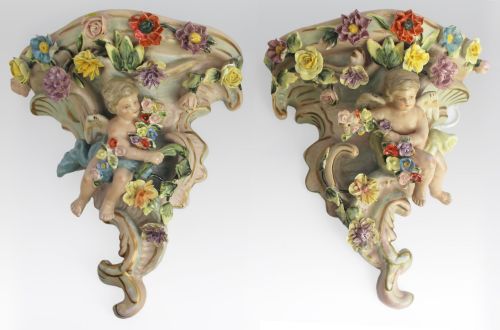


Meissen Porcelain Pair
A meissen porcelain pair brings symmetry and detailed European craftsmanship to a room through matching figures, birds, or candelabra.
Meissen Porcelain Pair
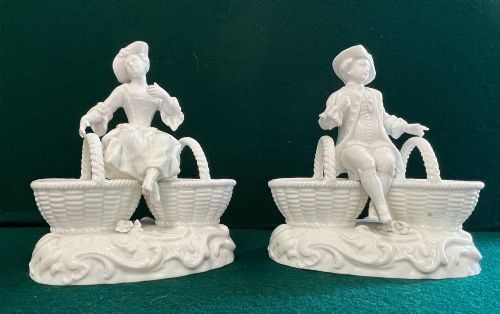
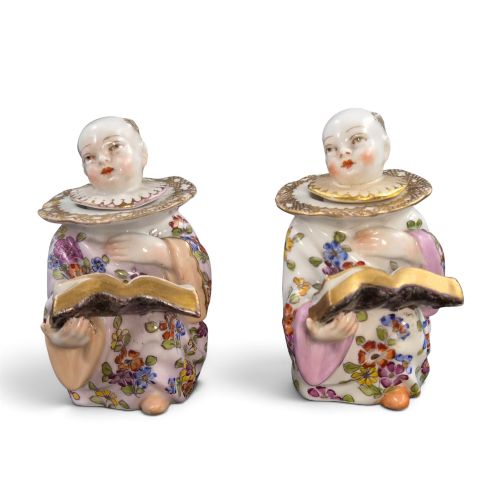
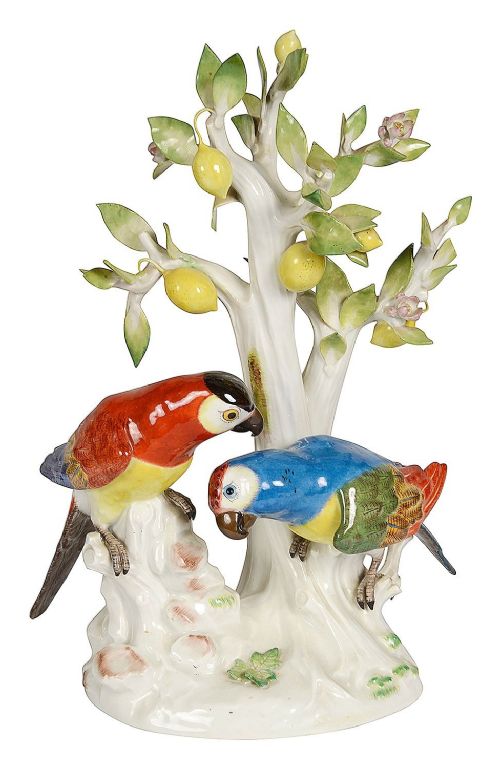
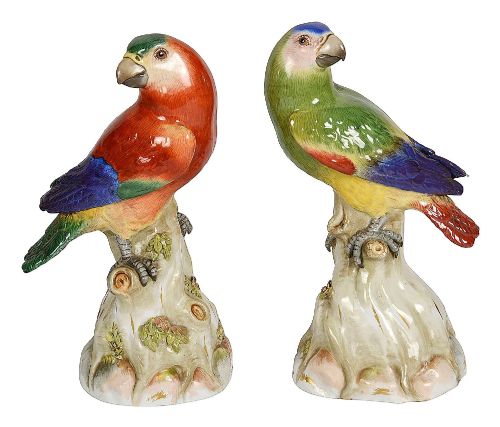
A meissen porcelain pair typically consists of matching figures, birds, candelabra, or vases created in the German tradition. These dual items served decorative and functional purposes in interiors, often taking the form of mythological subjects, animals, or human groups.
The selections span from eighteenth-century models through nineteenth-century revivals. Buyers frequently encounter nineteenth-century interpretations alongside earlier eighteenth-century examples featuring hand-painted details.
Forms range from figural groups and birds to oil lamps, vases, and sweetmeat holders. Such matched sets were designed to display balance on mantelpieces or furniture surfaces.
Materials and production techniques
Production relies on hard-paste porcelain fired at high temperatures to achieve a dense, durable body. Artisans then applied enamel colours and gold leaf highlights by hand.
Many nineteenth-century examples incorporate gilt bronze or ormolu mounts to support porcelain figures or create elaborate candelabra. Brass elements also appear in supporting structures and lamp fittings.
The listings span hard-paste porcelain, enamel, gold leaf, and ormolu mounts across eighteenth and nineteenth-century periods.
Factors separating examples
Quality depends upon the crispness of the modelled details and the precision of the hand-painted enamel work. Earlier pieces or high-grade nineteenth-century productions exhibit finer facial expressions and more delicate botanical or plumage rendering.
The integration of secondary materials such as ormolu mounts affects the overall refinement of the object. Heavier casting and cleaner gilding distinguish superior mountings from simpler commercial output.
Edmé Samson·Helena Wolfsohn
The Meissen Porcelain Pair Glossary
- Hard-paste porcelain
- A dense, vitrified ceramic material composed of kaolin and petuntse, fired at high temperatures. This substance forms the primary body of traditional German figures.
- Candelabra
- Branched lighting fixtures designed to hold multiple candles, often incorporating figural porcelain supports. These pieces combine illumination with sculptural decoration.
- Enamel
- Opaque vitreous compositions applied to the ceramic surface and fired to fix vibrant colours. It provides the decorative palette for clothing, flora, and fauna.
- Gilt bronze
- Copper alloy objects treated with a gold coating, frequently used as mounts for porcelain figures and vases. This material adds structural support and decorative brilliance.
- Marcolini period
- The phase of production at the factory under the directorship of Count Marcolini during the late eighteenth century. Pieces from this era often feature distinctive marks.
Meissen Porcelain Pair: Frequently Asked Questions
What subjects do these pairs show?
The motifs encompass human figures, romantic groups, birds such as parrots and hoopoes, and mythological characters. Animals like elephants and botanical subjects also appear frequently.
Many designs reflect eighteenth-century tastes or nineteenth-century historicism, including figures engaged in musical, domestic, or seasonal activities.
How were these items used originally?
Such objects served primarily as decorative ornaments on mantelpieces, side tables, and dessert services. Candlestick and candelabra variants provided functional lighting alongside aesthetic display.
Some pieces functioned as oil lamps, inkwells, or table salt holders for formal dining and writing desks.
How do I care for antique porcelain pairs?
Clean the surfaces gently using a soft, dry brush to remove dust from intricate modelled areas. Avoid harsh chemical cleaners that might damage hand-painted enamels or delicate gold leaf.
Keep the items away from direct sunlight and areas subject to sudden temperature changes to protect the ceramic body and any metal mounts.
How do I distinguish periods?
Eighteenth-century examples display distinct potting characteristics and painting styles associated with early factory output. Nineteenth-century pieces often reflect revival styles such as Rococo Revival or historicism.
Examining the underside for factory marks, paste texture, and the wear of the porcelain helps determine the manufacturing era.