



Meissen Ceramic Sculptures
Meissen ceramic sculptures bring master European modelling and intricate hand-painting into domestic interiors through figures, animals and allegorical groups.
Meissen Ceramic Sculptures
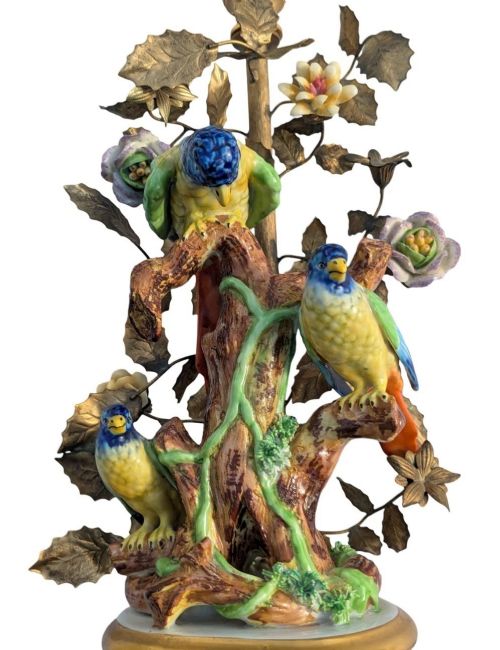
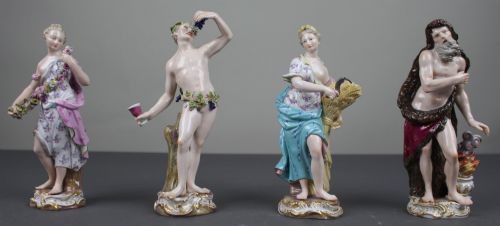
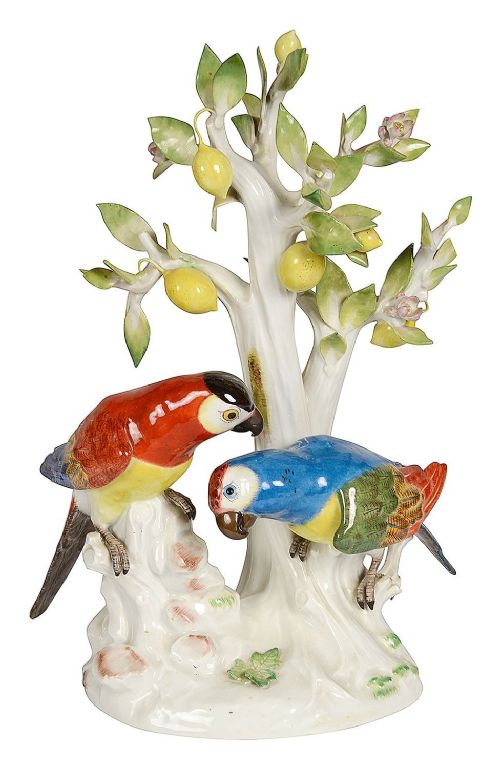
Meissen ceramic sculptures encompass figurative groups, single animal studies and allegorical sets produced across the eighteenth, nineteenth and twentieth centuries. When searching for meissen ceramic sculptures, collectors encounter subjects ranging from eighteenth-century street traders and mythological figures to nineteenth-century parrots, cockatoos and large groups. These porcelain works demonstrate the factory's long-standing technical skill in portraying human emotion, naturalism in animals and classical narratives.
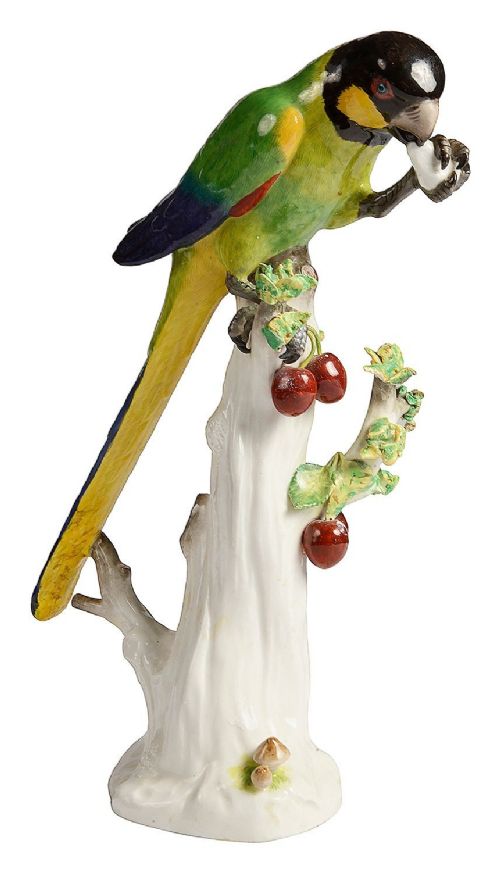
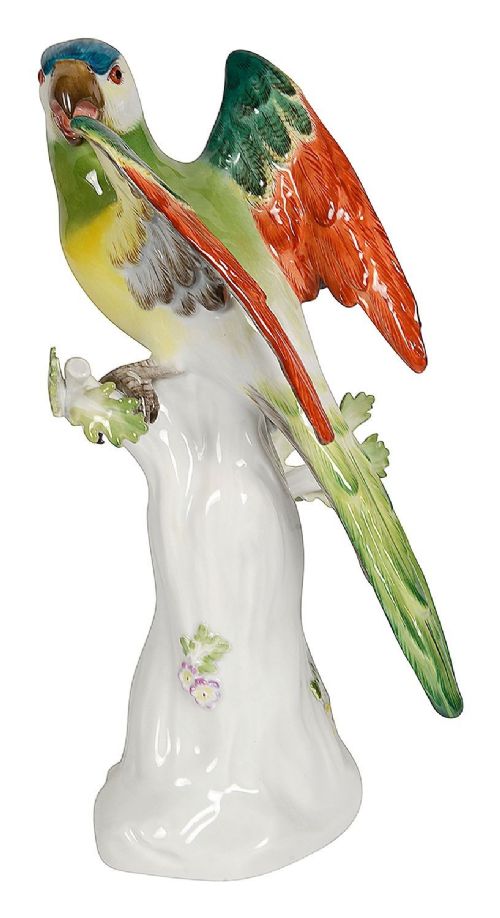
The pieces appearing on this page include eighteenth-century models from the Marcolini period, nineteenth-century Romantic groupings, Edwardian blanc de chine figures and twentieth-century animal studies. Figurative representations span the Four Seasons, romantic pairs, musicians and complex mythological scenes such as the Drunken Silenus. Bird studies, including parrots and hoopoes perched on tree trunks, form a distinct and prominent category within the available forms.
Materials and production methods
Hard-paste porcelain forms the physical foundation of these sculptures, providing a durable and dense body capable of holding crisp details during firing. The composition relies on kaolin and petuntse, which tolerate high kiln temperatures necessary for achieving a vitrified finish. Blanc de chine pieces utilise this porcelain body without coloured glaze, relying entirely on form and translucent white surface qualities.
Enamel paint and gold leaf supply the colour and decorative enrichment applied over or beneath the glaze. Painters used enamel colours to render realistic plumage on birds, facial expressions on human figures and floral details on bases. Gilt highlights accentuate garment borders, musical instruments and architectural elements within multi-figure groups.
Meissen Ceramic Sculptures Retail Price Guide 2026
Typical asking prices for meissen ceramic sculptures among the pieces listed under this phrase on Sellingantiques today, from the lower quarter to the upper quarter. They describe what is for sale here now, not the wider market.
Monkeys, leopards and silk-clothed aristocrats share shelf space in this menagerie of European kiln art.
Factors of execution and preservation
The preservation of delicate applied elements, such as leaves, flower petals and branch extensions, heavily influences the standing of a piece. Original enamel brightness and the intact state of gilding contribute to visual integrity. Sculptures that maintain their factory-original polychrome schemes without extensive later restoration command greater attention from discerning collectors.
Paul Scheurich·Acier
The Meissen Ceramic Sculptures Glossary
- Hard-paste porcelain
- A dense, vitreous ceramic material fired at high temperatures, composed of kaolin and petuntse. It provides the durable substrate for traditional European figures.
- Enamel paint
- Coloured vitreous pigments applied to the glazed porcelain surface and fixed by a low-temperature firing. This technique allows for detailed polychrome decoration on garments and feathers.
- Blanc de chine
- A French term denoting white porcelain without coloured glaze or enamel. In these sculptures, the aesthetic relies solely on the purity and translucency of the unpainted body.
- Marcolini period
- An eighteenth-century production phase associated with specific factory marks and neoclassical styles. Pieces from this era often feature refined modelling and delicate floral or figural subjects.
Meissen Ceramic Sculptures: Frequently Asked Questions
How do I identify eighteenth-century pieces?
Eighteenth-century examples often display specific factory marks under the glaze, such as crossed swords with distinct period characteristics. The modelling tends to reflect Rococo or neoclassical sensibilities, with subjects like street traders, classical deities and detailed allegorical groups.
The weight, feel of the hard-paste body and hand-painted enamel palettes also help differentiate these early productions from later nineteenth-century revival pieces.
What subjects are most common?
Animal studies, particularly exotic birds like parrots, cockatoos and hoopoes perched on tree trunks, appear frequently among the listings. Human figures representing allegories such as the Four Seasons, romantic couples and musicians also form a large portion of the available forms.
More complex narratives, including mythological scenes and literary characters, represent the larger multi-figure groups produced by the factory.
How should I display porcelain sculptures?
These sculptures require stable shelving away from direct sunlight to protect the enamel colours and gold leaf highlights from fading over time. Placing them in enclosed cabinets safeguards delicate protruding elements, such as fingers, leaves and branch tips, from accidental impact.
Adequate spacing allows the intricate details of multi-figure groups and animal studies to be viewed clearly from multiple angles.
Are bird figures historically significant?
Bird sculptures have a long history within European porcelain production, originating from early attempts to replicate natural specimens for aristocratic cabinets of curiosity. Nineteenth-century iterations continued this tradition with heightened attention to ornithological realism and botanical settings.
These pieces demonstrate the factory's capability in combining complex taxidermic observation with decorative ceramic art.