



Meiji Relief Carved Vases
Meiji relief carved vases are substantial Japanese metalwork and stoneware pieces, sought after for their intricate surface detail and historical depth.
Meiji Relief Carved Vases
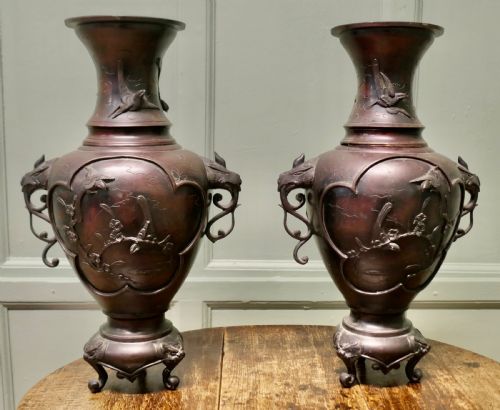
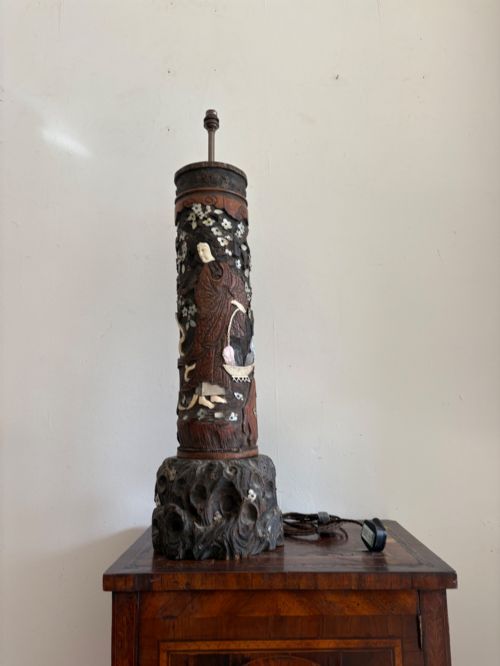
These meiji relief carved vases comprise Japanese works originating predominantly from the nineteenth and early twentieth centuries, spanning periods such as Victorian and the broader Meiji era. Buyers encounter various forms on this page, including baluster urns, decorative vessels, jardinières, and converted table lamps.
Distinctions in quality
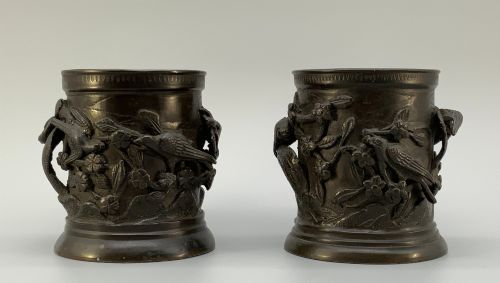
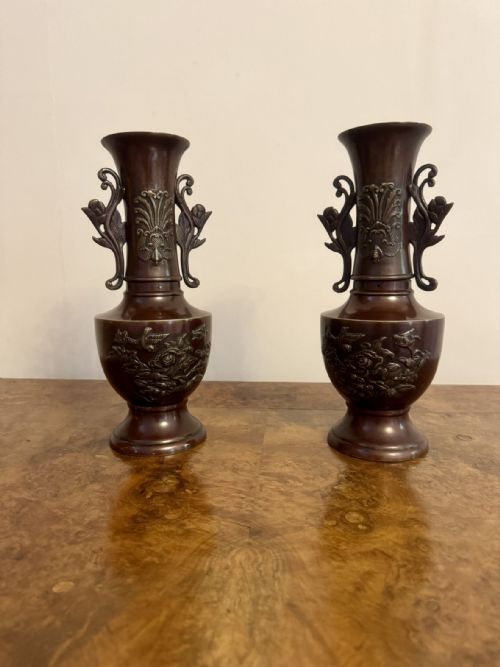
Quality rests in the crispness of the cast relief work and the depth of the patination on the bronze surface. Superior pieces exhibit fine detailing in complex motifs such as dragons, birds, and floral elements without blurring.
Scale and proportion separate standard vessels from exceptional presentations. Large, well-balanced pairs and pieces bearing identifiable signatures command greater attention from collectors.
Listings feature bronze as the primary material, alongside stoneware, enamel, and mother of pearl elements.
Makuzu Kozan II·Genryusai Seiya
The Meiji Relief Carved Vases Glossary
- Meiji Period
- The era in Japanese history lasting from 1868 to 1912, characterised by extensive artistic output exported to the West. Much of the metalwork found today dates from this dynamic timeframe.
- Patinated Bronze
- Bronze treated with chemicals or heat to alter the surface colour and tone. This finish protects the metal while accentuating the relief carved details.
- Baluster Urn
- A vase form featuring a rounded body that tapers toward a narrow neck and wide base. This classic silhouette provides a stable foundation for heavy metal castings.
- Jardinière
- A large decorative pot designed to hold plants or floral arrangements. Stoneware and bronze examples often feature deep relief carvings around the exterior.
Meiji Relief Carved Vases: Frequently Asked Questions
How do I identify a Meiji period bronze vase?
Examine the weight, the dark patination, and the casting quality of the relief motifs. Many pieces from this era depict traditional Japanese subjects such as birds, dragons, or floral blossom.
Look also for signatures or marks applied to the base or body by the maker or foundry. These indicators help separate Japanese export works from later European imitations.
Were these vases made for export?
Japanese metalworkers created a significant portion of these bronze vessels specifically for international exhibition and export during the late nineteenth and early twentieth centuries. Western demand influenced the production of large decorative urns and paired vases.
Despite the export market, craftsmen retained traditional techniques in casting and surface carving. This blend of domestic skill and foreign demand defines the period's output.
How should I display a heavy bronze vase?
Place large bronze vessels on sturdy furniture or pedestals capable of supporting substantial weight safely. Ensure the display area avoids constant direct moisture if the piece includes patinated or enamel finishes.
Pairings look best balanced symmetrically on mantelpieces or console tables. Keep the carved relief facing into the room to highlight the intricate surface details.
What is the difference between a vase and a jardinière?
Vases generally feature narrower necks designed to hold cut stems or posies. Jardinières are wider, deeper vessels originally intended to contain potted plants or larger floral displays.
Both forms utilise similar bronze casting and stoneware glazing techniques in this collection. The primary distinction lies in the proportions of the opening and the intended function.