




Meiji Period Painting
These Japanese works of art tied to meiji period painting encompass porcelain, earthenware and woodwork created during a transformative era of craftsmanship.
Meiji Period Painting
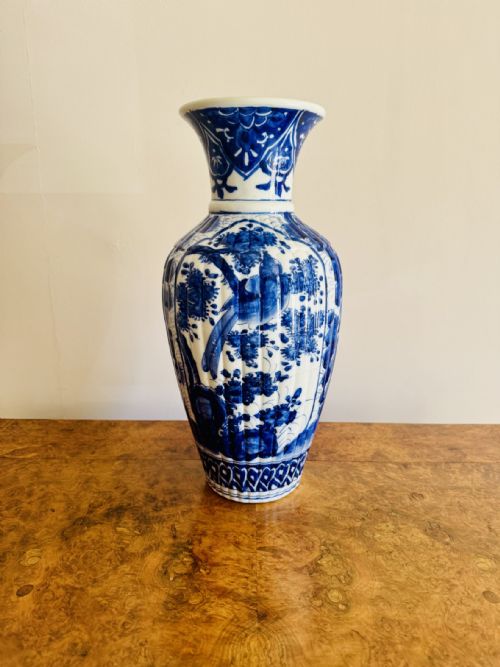
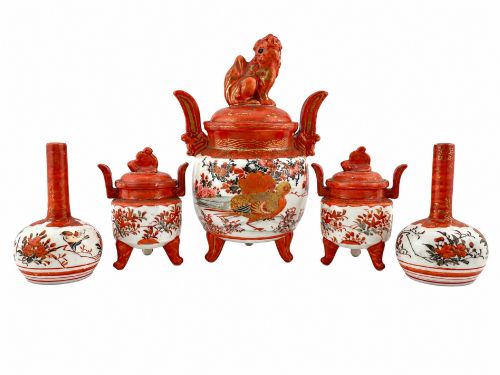
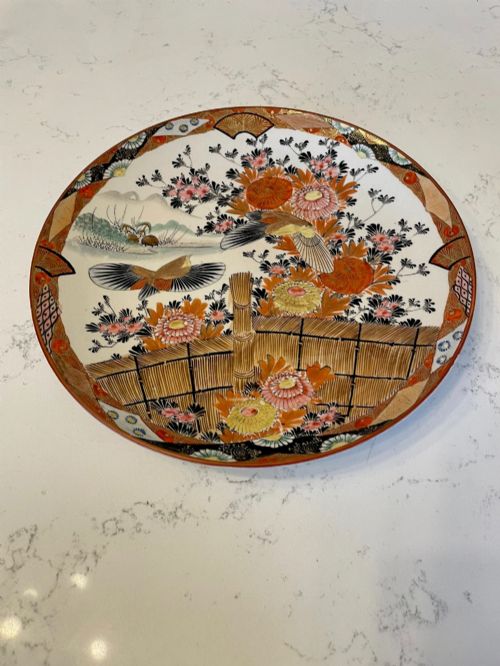
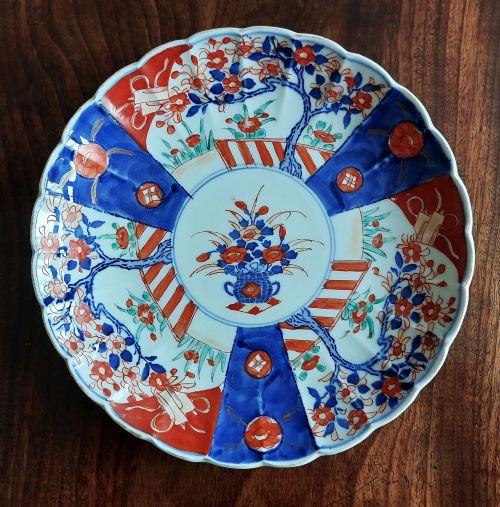
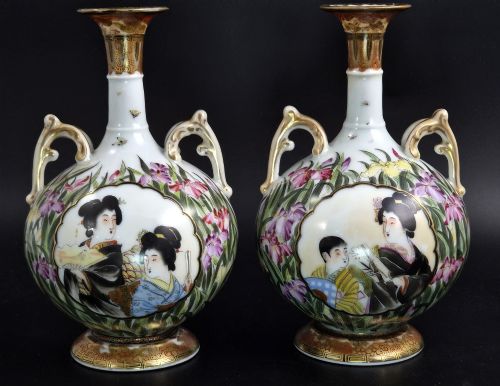
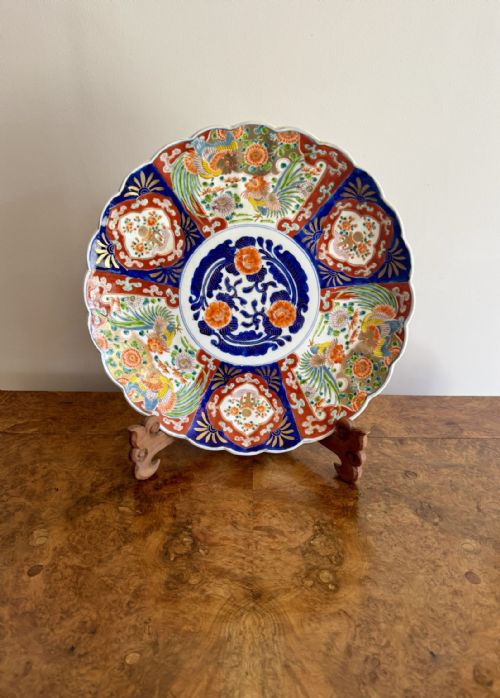
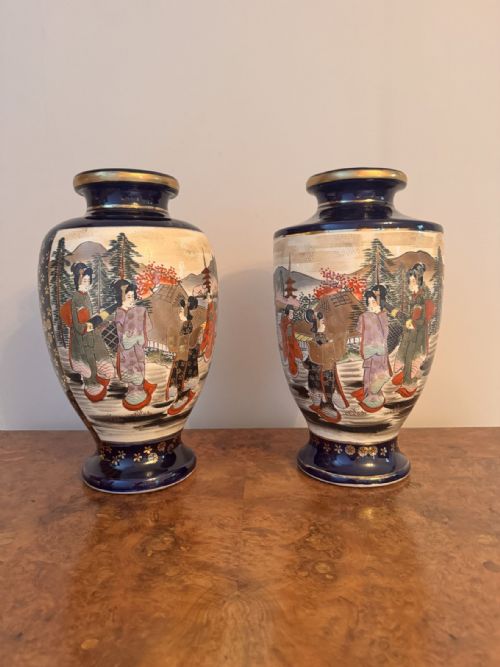
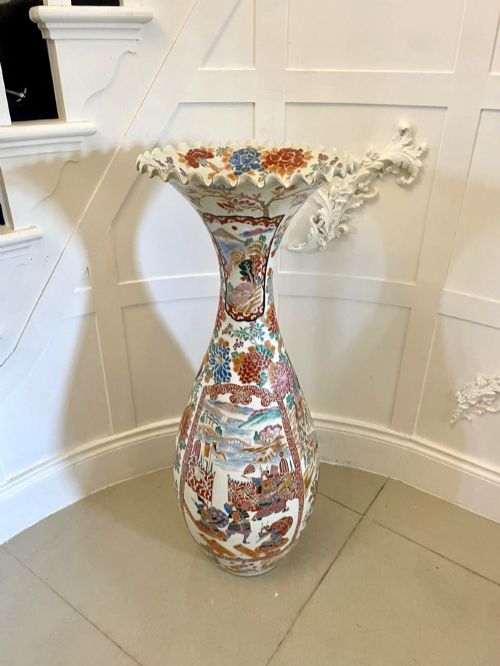
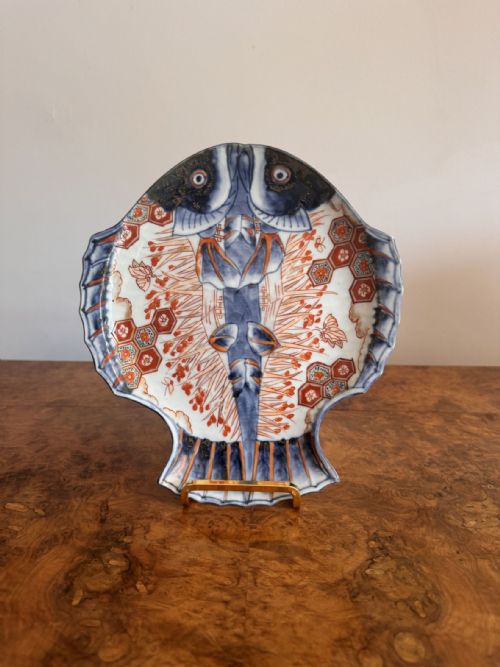
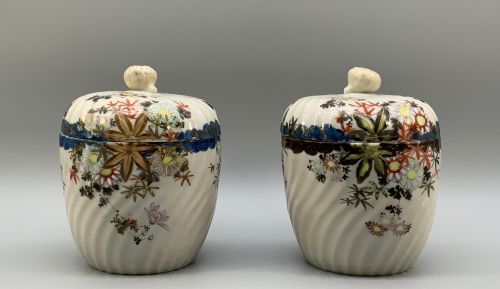
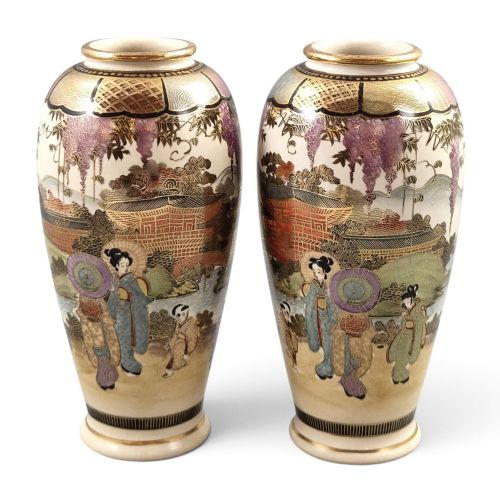
A buyer investigating meiji period painting encounters ceramics, lacquerware and decorative objects spanning the late nineteenth and early twentieth centuries. The selection typically includes Imari chargers, Satsuma vases, Kutani dishes and framed works on silk from periods such as the Meiji, Edo and Taisho eras.
Vessels and decorative plates dominate the offerings alongside miniature paintings and boxes. The physical forms range from floor-standing vases and incense burners to tea caddies and small dishes.
Origins trace back to traditional Japanese production centres where porcelain, earthenware, wood and gilt were shaped into decorative domestic items. These pieces reflect the aesthetic shifts of the late nineteenth century and the Edwardian period.
Distinguishing quality levels
The standard of execution depends on the precision of the hand-painted detail and the control shown in the enamelling and gilding. Finer pieces display crisp outlines and balanced compositions across the surface of the porcelain or silk.
The integrity of the material, whether porcelain body, wood structure or textile support, determines the overall standing of an object. Items retaining their original mounting, covers or matched pairs demonstrate greater coherence.
Several items feature mythological guardians, including Karashishi finials and Daruma figures keeping watch over domestic spaces.
Maruni Kobe·Shozan·Kizan·Kinkozan
The Meiji Period Painting Glossary
- Imari
- A style of Japanese porcelain featuring cobalt blue, iron red and gilt decoration. These pieces were produced for both domestic use and export.
- Satsuma
- A type of earthenware with a crackle-glaze finish, typically decorated with polychrome enamels and gilding. It often depicts figures, birds or floral motifs.
- Kutani
- Japanese porcelain known for bold colour palettes, frequently incorporating greens, blues and reds alongside gold detailing.
- Kodansu
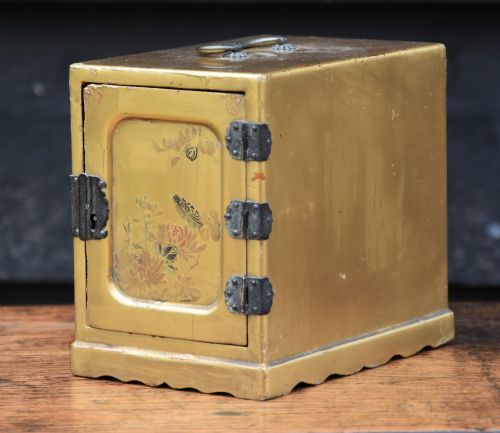
- A small Japanese portable cabinet or jewellery box with multiple internal drawers. They were often finished in lacquer and gilt.
- Koro
- An incense burner featuring a perforated lid to allow smoke to escape. They are commonly supported on three or more feet.
Meiji Period Painting: Frequently Asked Questions
What defines meiji period painting?
These works comprise traditional Japanese imagery executed on silk or paper during the Meiji era, alongside the pictorial ceramic decorations found on Satsuma and Kutani wares.
The aesthetic combines historical Japanese motifs with the technical developments of the late nineteenth century.
How do I identify Satsuma ware?
Satsuma pieces generally present an ivory-coloured earthenware body covered in a fine network of crackled glaze. They are finished with detailed enamel painting and gold highlights.
Subjects frequently include figures, children, flowers and birds rendered in complex patterns.
Where were these objects displayed?
Vessels, chargers and boxes were utilised within domestic interiors for decoration, serving tea or burning incense. Framed paintings on silk hung in private rooms.
Many of these items were also produced for export markets to satisfy European and American demand.
How are different periods distinguished?
Distinctions rely on stylistic shifts, material composition and recorded maker marks. The transition from the late nineteenth century into the Taisho period brought changes in palette and form.
Documented signatures and studio names assist in narrowing down the date of production.