




Meiji Period Metal Urn
A meiji period metal urn brings intricate Japanese metalwork and distinctive patination into a room, offering a tangible link to late nineteenth century craftsmanship.
Meiji Period Metal Urn
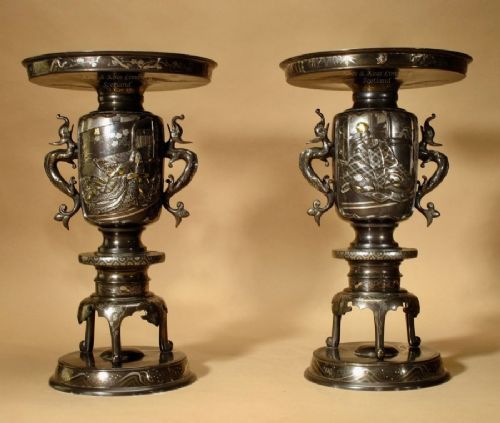
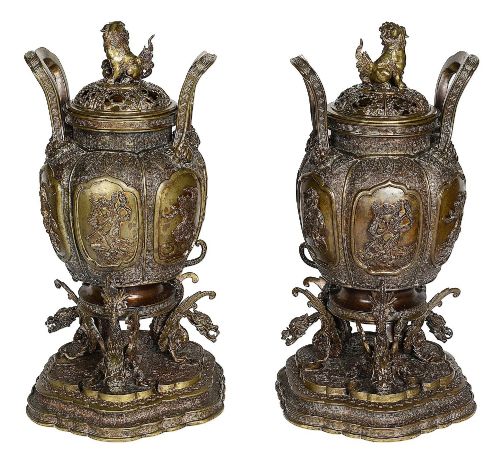
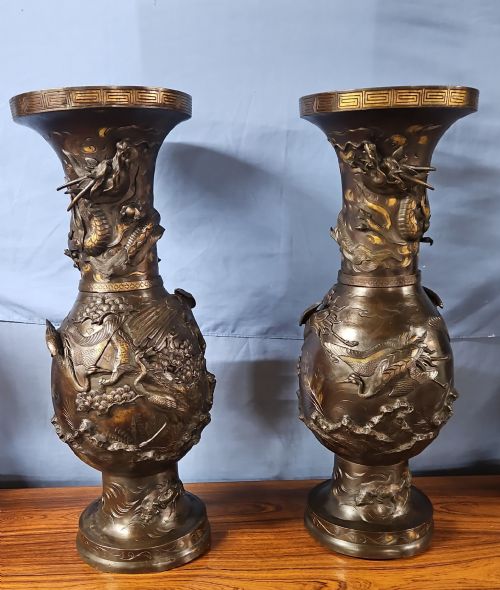
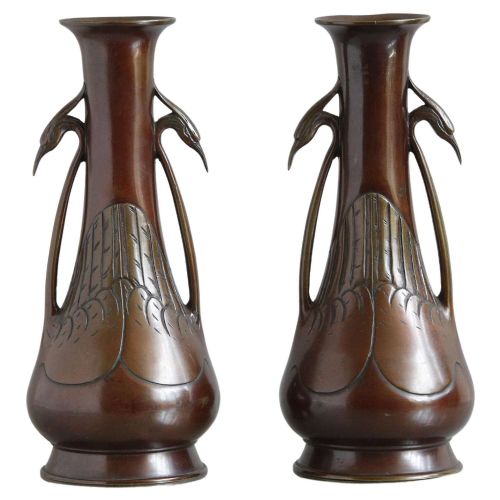
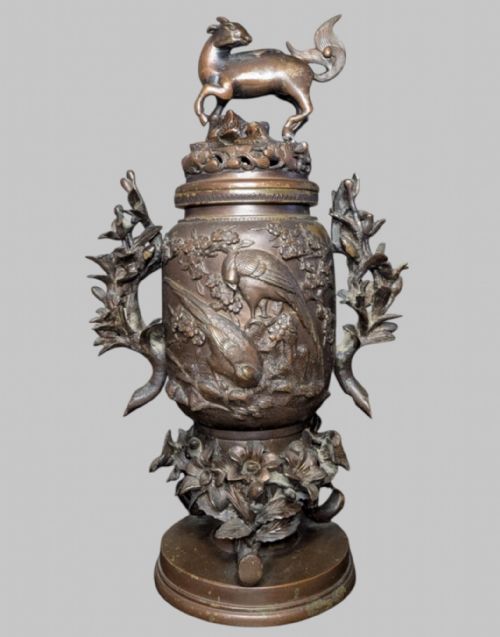
When searching for a meiji period metal urn, buyers encounter diverse decorative vessels originating from Japan during the late nineteenth and early twentieth centuries. The selection encompasses bronze lidded urns, incense burners, temple water dispensers, and substantial garden vessels alongside related vases and jars.
Most examples date across the nineteenth century into the early twentieth century, aligning with Victorian and Edwardian periods in Britain. Makers utilised techniques including casting, patination, and mixed metal inlay to create functional and decorative objects.
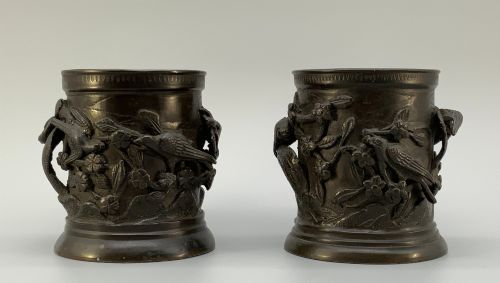
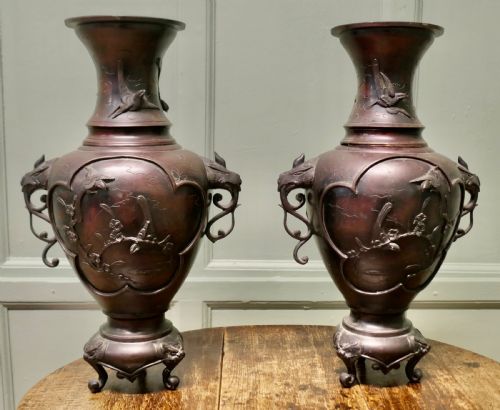
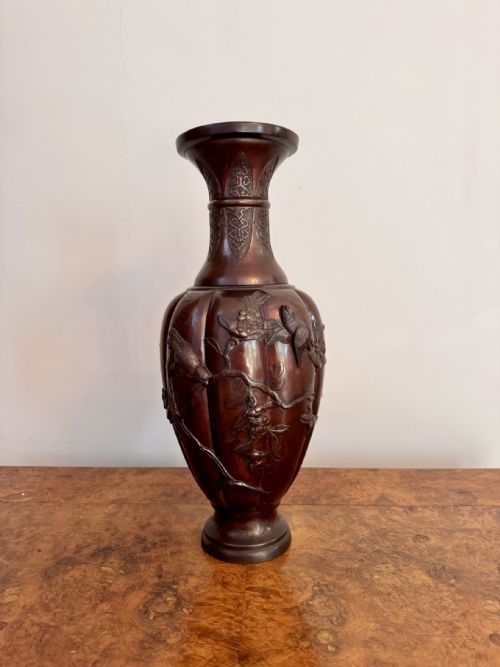
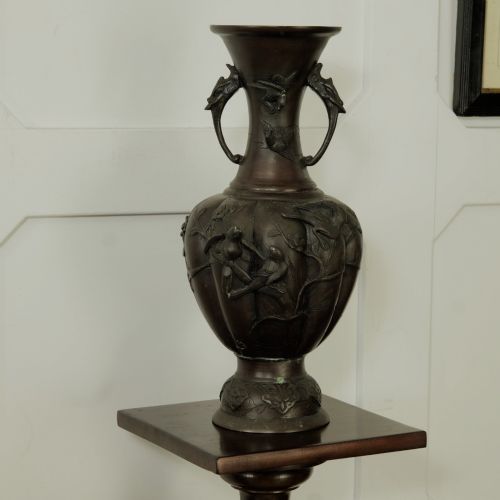
Forms range from intimate table pieces to monumental temple vessels. Many items incorporate traditional motifs such as birds, blossoms, dragons, and koi fish executed in high relief or delicate surface wirework.
What varies in quality
Excellence in these metal objects rests upon the precision of the casting and the refinement of the surface decoration. Superior examples display crisp relief work where details like feathers, scales, and foliage remain sharp and deeply defined.
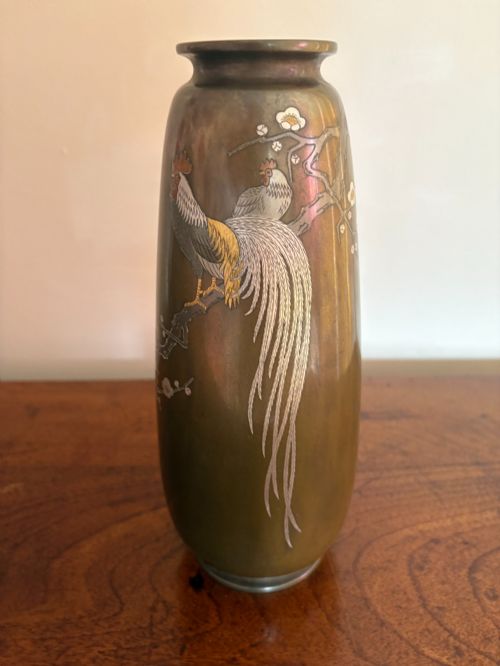
The harmony of mixed metal elements and the subtlety of the patination distinguish finer works from simpler production. Signed pieces or those associated with established schools demonstrate elevated artistry in composition and material handling.
Listings feature bronze, copper, enamel, and mixed metal pieces spanning the nineteenth and early twentieth centuries.
KANASAWA
The Meiji Period Metal Urn Glossary
- Meiji Period
- The era in Japanese history spanning from 1868 to 1912, characterised by opening trade and exceptional metalwork production. This timeframe defines the core of the items available.
- Patinated Bronze
- Bronze treated with chemical solutions to alter its surface colour and tone. This process creates deep brown, black, or greenish finishes that protect the metal and enhance visual depth.
- Mixed Metal
- A technique involving the combination of different metals such as copper, silver, and gold applied to a bronze body. It creates multicoloured pictorial effects on the surface.
- Cloisonne
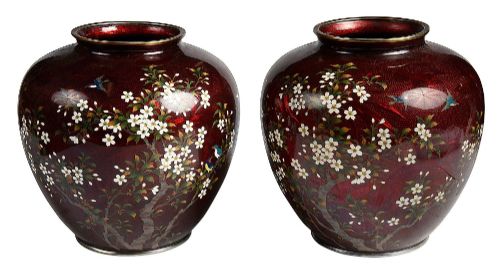
- Enamelling method where thin metal wires form compartments on a metal base which are filled with paste and fired. This technique produces vibrant colourful designs across vases and jars.
- Koro
- A traditional Japanese incense burner, often featuring a decorative lid and supported on three or more feet. These vessels frequently incorporate animal finials such as goats or dragons.
Meiji Period Metal Urn: Frequently Asked Questions
What is a meiji period metal urn?
A meiji period metal urn is a decorative or ritual vessel produced in Japan between 1868 and 1912. These objects utilise bronze, copper, or mixed metals and often feature cast or inlaid ornamentation.
They reflect the traditional craftsmanship and artistic exchange of the late nineteenth century. Collectors value them for their sculptural forms and detailed surface decoration.
How were these metal urns used?
Original functions ranged from interior display and flower arrangement to burning incense and dispensing water in temples. Many served as ornamental centerpieces within Japanese interiors before reaching Western markets.
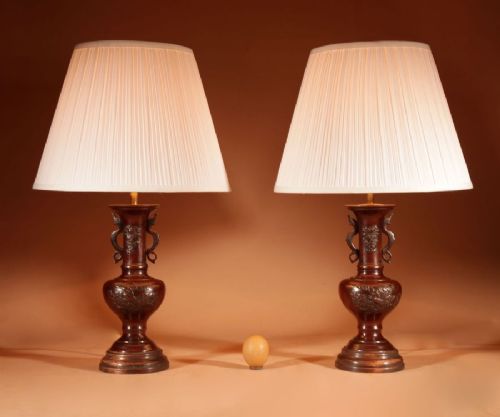
Today, buyers place them on tables, sideboards, or within gardens as sculptural focal points. Their robust construction allows them to function readily as decorative containers or lamp bases.
How do I care for bronze and mixed metal?
Maintenance requires gentle dusting with a soft, dry cloth to protect the historic patination and delicate inlays. Avoid using chemical polishes or water, which can strip the aged surface finishes.
Keeping pieces away from direct sunlight and excessive moisture preserves the stability of both the metal body and any enamel or mixed metal elements.
How can I tell the period?
Dating relies on stylistic indicators, construction methods, and signature marks typical of late nineteenth and early twentieth-century Japanese manufacturing. The use of traditional bronze casting combined with specific motifs points directly to the Meiji era.
Comparing surface patination and weight alongside recorded maker signatures helps distinguish these pieces from later reproductions.