





Meiji Period Iron
These pieces of meiji period iron bring dense decorative plates and vases into a room, valued for their distinct palette and weight.
Meiji Period Iron
When you search for meiji period iron, you encounter objects spanning the nineteenth century and the early twentieth century. The selection on this page comprises various decorative plates, vases, bowls, dishes, and chargers alongside porcelain garnitures.
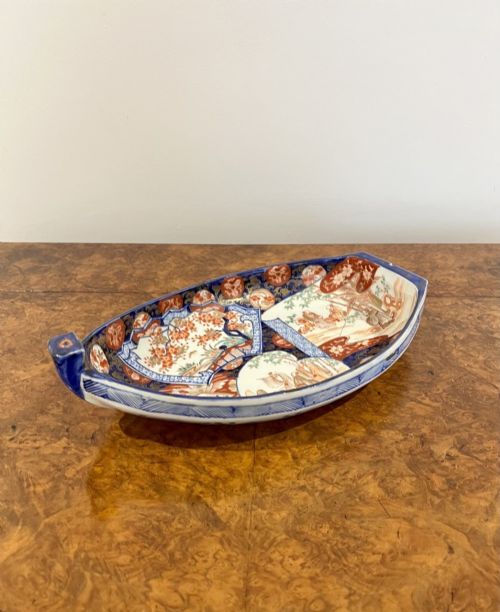
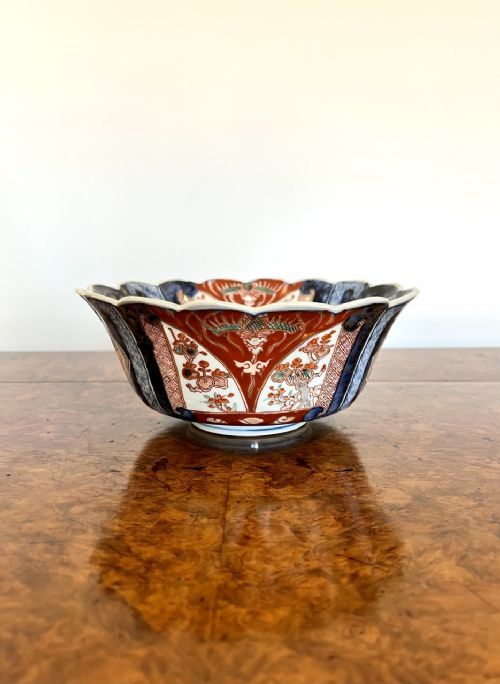
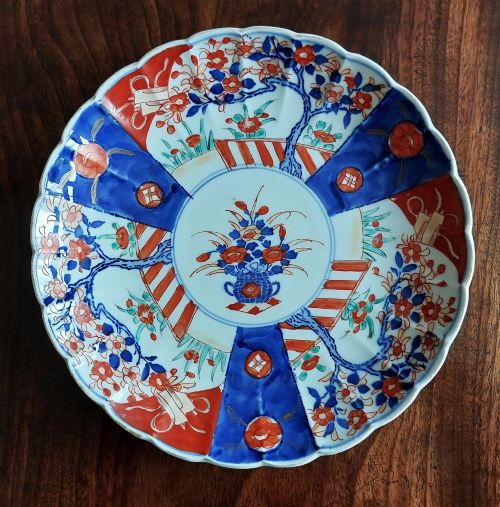
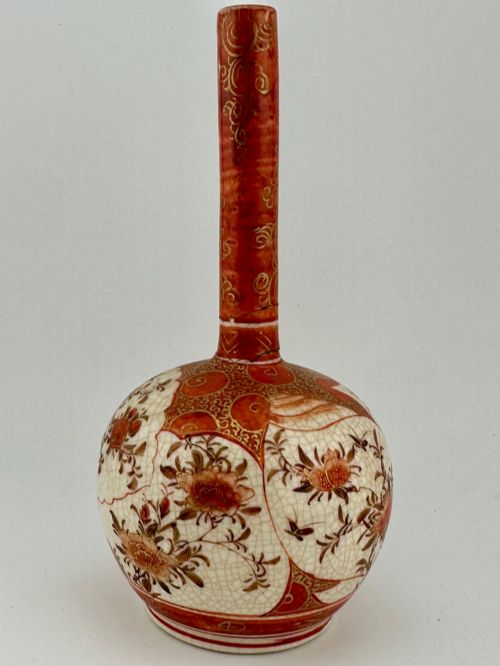
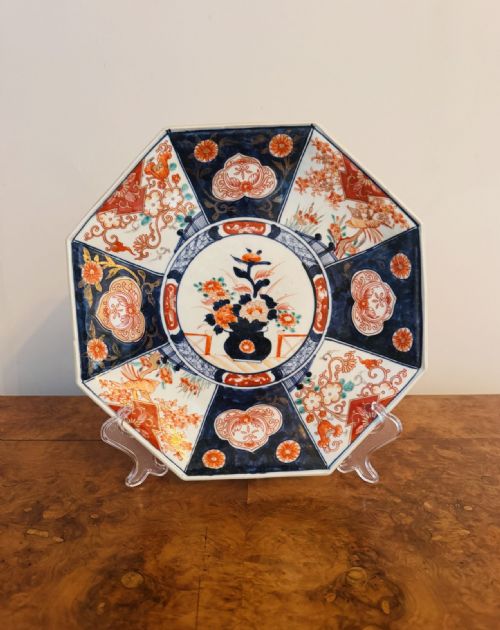
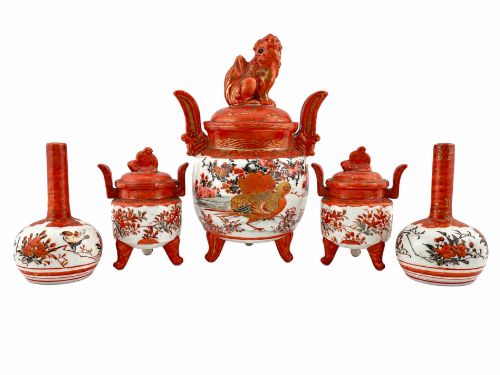
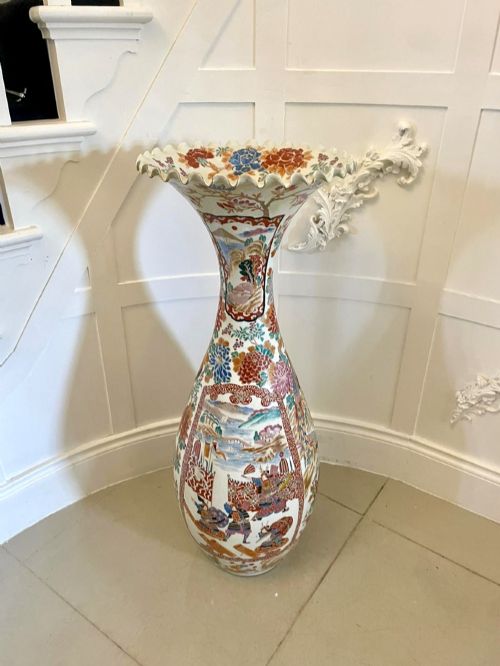
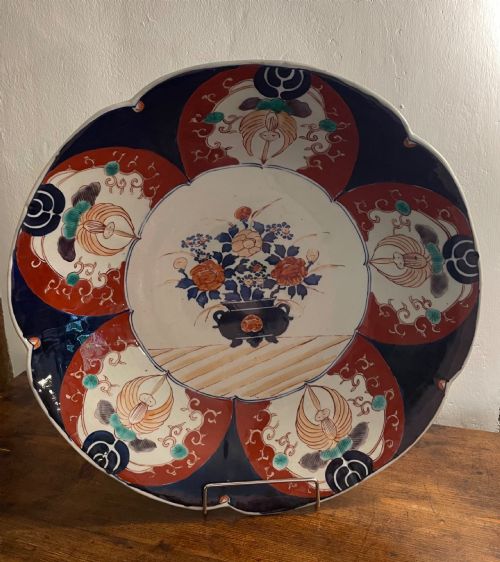
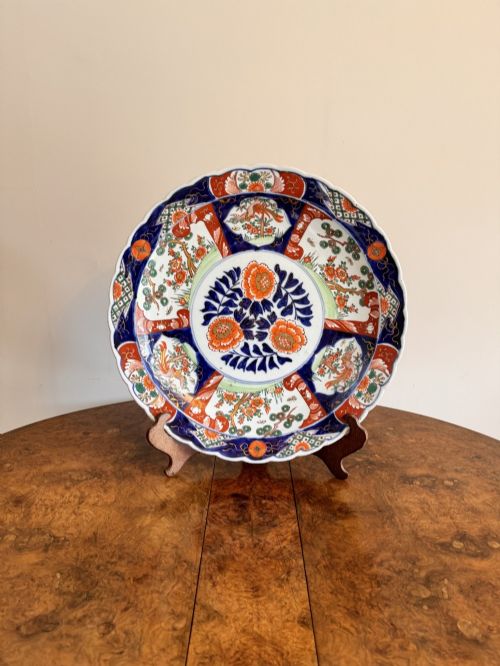
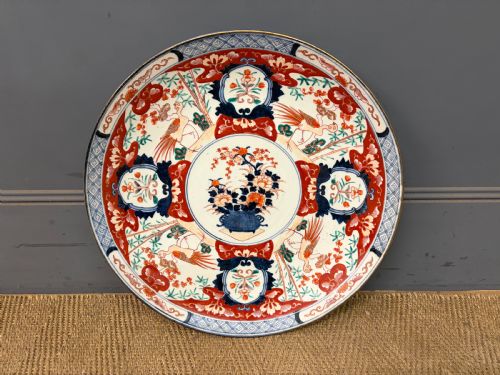
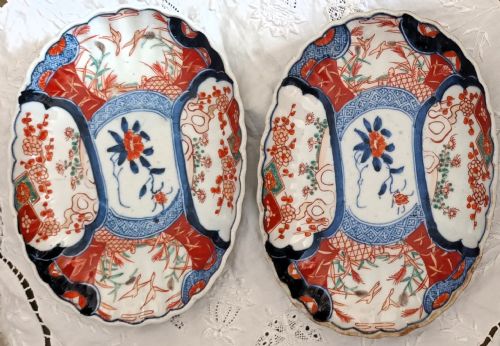
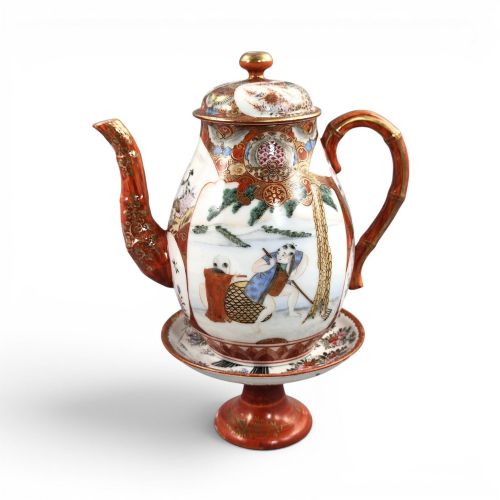
Most items appearing under this heading take the form of Japanese Imari and Kutani wares produced during the Meiji era. These pieces often feature scalloped edges, hexagonal forms, and floor-standing dimensions designed for prominent display.
Makers and artisans of the period also incorporated metallic elements alongside ceramic bodies, glazes, and overglaze enamel. The overarching inventory reflects traditional Japanese aesthetics applied to display vessels and table pieces.
Materials and construction methods
Production relied on porcelain bodies combined with iron red pigments, gold leaf, and gilt highlights. Overglaze enamel application created rich surface patterns depicting floral motifs, exotic birds, and dragons.
Kiln techniques of the era allowed for large floor vases and intricate garnitures to maintain structural stability during firing. Artisans utilised precise brushwork alongside metallic leaf applications to achieve contrast against the ceramic background.
Meiji Period Iron Retail Price Guide 2026
Typical asking prices for meiji period iron among the pieces listed under this phrase on Sellingantiques today, from the lower quarter to the upper quarter. They describe what is for sale here now, not the wider market.
Several plates and bowls feature scalloped edges designed to mimic flower petals, bringing a subtle botanical rhythm to the dining room.
Distinctions in execution and finish
Quality separates objects by the precision of the hand-painted details and the crispness of the iron red and gilt decoration. Superior examples display balanced composition across complex forms such as scalloped edges and multi-piece garnitures.
The depth of the glaze and the adhesion of the overglaze enamel dictate the longevity and visual impact of the piece. Masterful execution shows in the fine delineation of birds, floral designs, and mythical creatures.
The Meiji Period Iron Glossary
- Imari
- A style of Japanese porcelain featuring a distinct palette of underglaze blue, iron red, and gold. This tradition originated in the Hizen province and gained prominence during the Meiji era.
- Kutani
- A style of Japanese porcelain known for vibrant overglaze colours, particularly iron red and gold. Pieces often depict figurative scenes, birds, and natural elements.
- Garniture
- A set of matching vases or pots designed for ornamental display on a mantelpiece or cabinet. These sets typically include three or five graduated pieces.
- Charger
- A large decorative plate intended for display on a wall or stand rather than for serving food. These items showcase expansive painted surfaces.
- Overglaze
- Enamel decoration applied to fired and glazed porcelain before undergoing a secondary lower-temperature firing. This technique allows for vivid and varied colour integration.
Meiji Period Iron: Frequently Asked Questions
How do I display a large imari charger?
Large chargers work best on sturdy plate stands placed on sideboards or within display cabinets. Ensure the wall mount or stand supports the weight securely.
Keep them away from direct sunlight to preserve the vibrancy of the iron red and gilt surfaces over time.
What is a porcelain garniture?
A garniture is a matched set of three or five vases or jars produced as a unified decorative scheme. They were traditionally arranged symmetrically on mantels or furniture.
Displaying the set together maintains the visual balance intended by the makers.
How do I distinguish Kutani from Imari?
Kutani wares rely heavily on bold overglaze enamel colours, frequently featuring iron red and gold with pictorial motifs. Imari wares typically incorporate underglaze blue alongside the iron red and gold.
Examining the underlying palette helps separate these two prominent Japanese traditions.
Can these antique bowls be used for food?
These antique bowls and dishes function primarily as decorative display items rather than utilitarian tableware. The overglaze enamels and metallic highlights can wear down with regular use and washing.
Gentle dusting with a dry cloth is the recommended method for routine care.