





Meiji Period Figurine
A meiji period figurine captures the meticulous metalwork, porcelain, and carved wood of late nineteenth and early twentieth century Japan.
Meiji Period Figurine
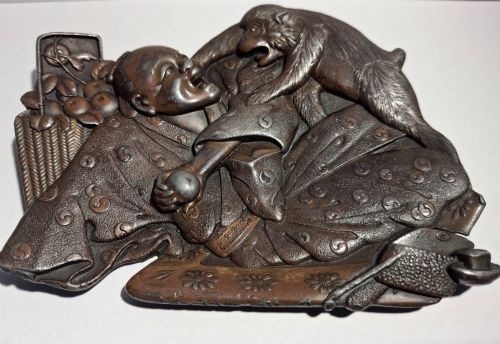
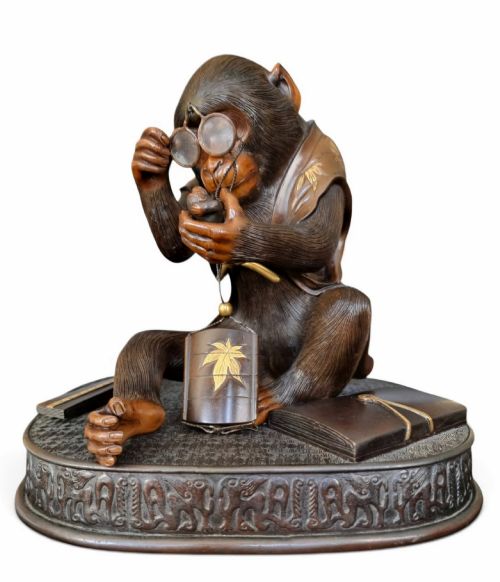
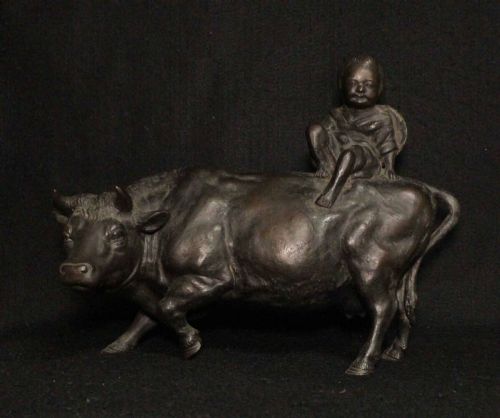
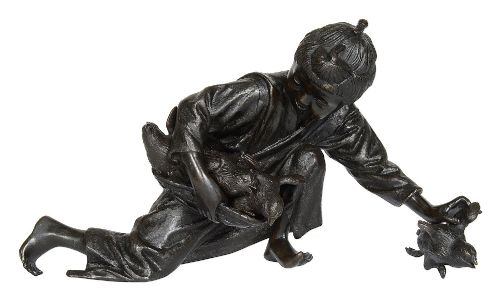
A meiji period figurine encompasses bronze sculptures, porcelain deities, and carved wooden netsuke originating from Japan during the nineteenth and early twentieth centuries. These works include figures of scholars, animals, mythological beings, and historical personages produced for both domestic display and export.
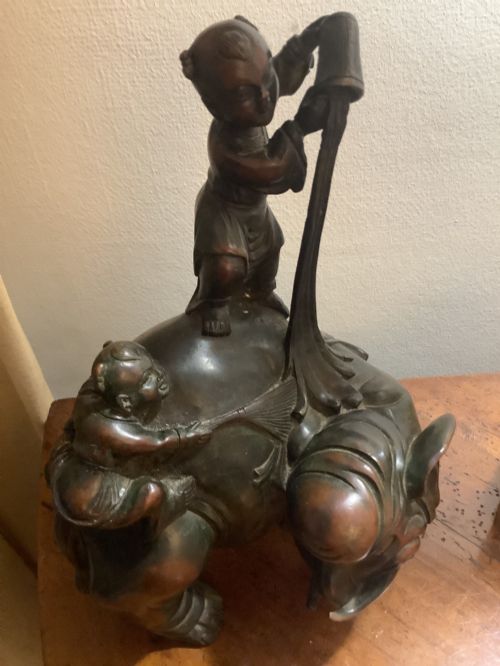
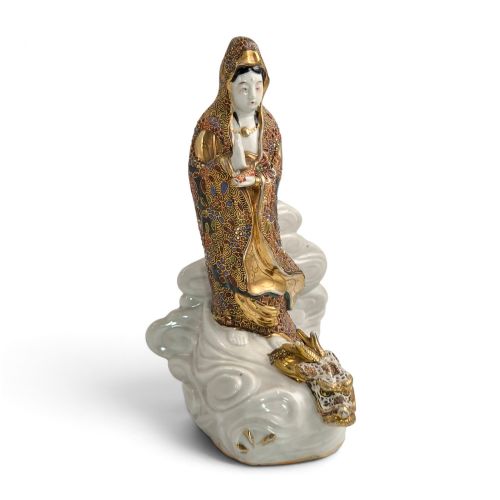
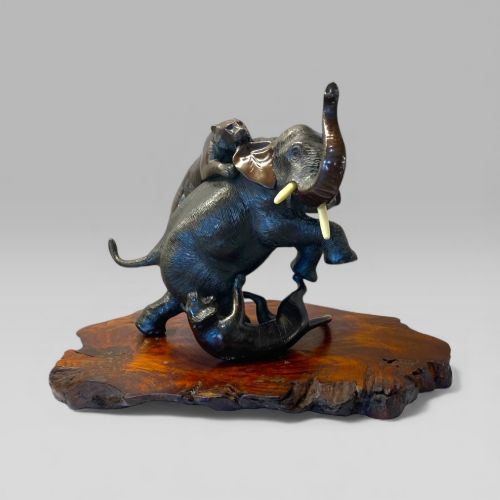
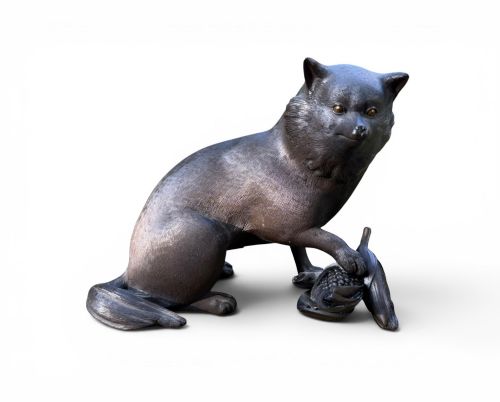
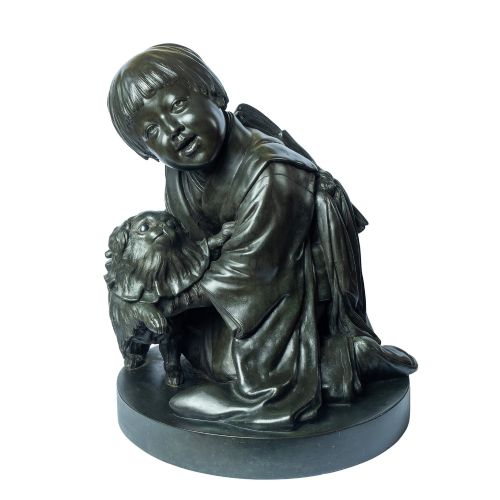
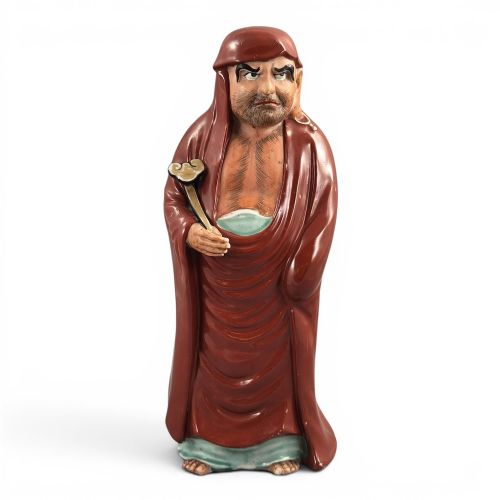
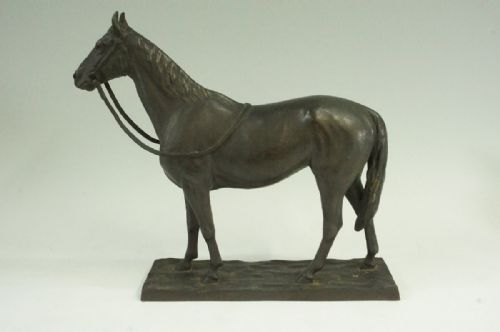
The version most commonly encountered on this page is the bronze okimono depicting animals, demons, or daily scenes, often signed by the artisan. Porcelain figures from the Kutani and Satsuma kilns also appear regularly, alongside carved wood and bone netsuke.
These objects served as decorative sculpture for interiors, tabletop ornaments, and miniature toggles for traditional Japanese garments. Buyers acquire them for the precision of their casting, the character of their carving, and the narrative depth of their subjects.
How they were made
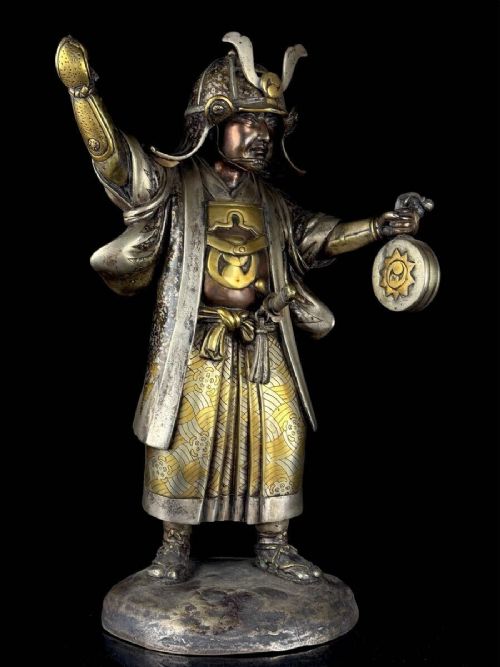
Metal pieces rely on lost-wax casting in bronze and iron, frequently augmented with mixed-metal applications of gold, silver, and copper to create varied surface tones. Artisans utilised takazōgan techniques to inlay different metals into the primary bronze body.
Ceramic figures combine moulded or hand-modelled porcelain and earthenware bodies finished with enamel painting, moriage relief details, and gold leaf accents. Carved items employ boxwood, cherry amber, bamboo, and hardwoods shaped with small chisels and knives.
Meiji Period Figurine Retail Price Guide 2026
Typical asking prices for meiji period figurine among the pieces listed under this phrase on Sellingantiques today, from the lower quarter to the upper quarter. They describe what is for sale here now, not the wider market.
Object forms include netsuke, ashtrays, vases, and okimono depicting animals, demons, deities, and scholars.
What varies in quality
The standard of a meiji period figurine rests on the crispness of the chasing in metalwork and the depth of the undercut in wood and ivory carvings. Superior examples display anatomical precision in animals and expressive fluidity in human figures, whereas lesser works appear stiff and hastily finished.
Signature placement and the quality of the signature mark indicate workshop standing, with master carvers and metalworkers producing tightly controlled details that distinguish their output from mass-produced export wares.
Mitsumoto·Shosai·Masaaki·Kunio Itô·Makuzu Kozan II·Tomochika·Haruyama Shunzan·Kizan·Unno Shomin
The Meiji Period Figurine Glossary
- Okimono
- A standalone Japanese display figurine placed in an alcove or on a cabinet. These sculptures range from miniature carvings to large bronze animals.
- Netsuke
- A small carved toggle fastened to the end of a cord on a traditional pouch or medicine box. They feature a pierced channel through the base for the cord.
- Moriage
- A decorative ceramic technique using piped clay slip to build up raised patterns before glazing and firing. This method creates a textured surface often highlighted with gold.
- Takazōgan
- A high-relief metal inlay technique where contrasting metals are hammered into channels carved into the base metal. This produces pictorial details on bronze and iron surfaces.
- Kutani
- A style of Japanese porcelain known for bold enamel colours and intricate pictorial designs. Figures from these kilns often depict deities and mythological figures.
Meiji Period Figurine: Frequently Asked Questions
What is an okimono?
An okimono is a Japanese decorative sculpture designed for display on a shelf or in a traditional alcove rather than for religious worship.
These pieces encompass a wide variety of subjects, including animals, mythological figures, and human characters engaged in daily tasks, cast in bronze or carved from wood and ivory.
How do I identify a signed piece?
Signatures on these works typically appear carved into the base of wooden objects or cast into the metal of bronzes as character seals.
Finding a signature indicates the maker or workshop responsible for the piece, though research is often required to connect the seal to a specific historical artisan.
Were these made for export?
Many objects from this era were produced specifically for Western markets following the opening of international trade routes in the nineteenth century.
Export pieces often focused on elaborate detail and subjects that appealed to European tastes, while others maintained traditional domestic forms like the netsuke.
How should I clean bronze figures?
Bronze sculptures require minimal maintenance, usually needing only gentle dusting with a soft, dry cloth to remove particle accumulation.
Applying liquid polishes or aggressive cleaners strips the historical patina and damages the surface finish developed over the decades.