

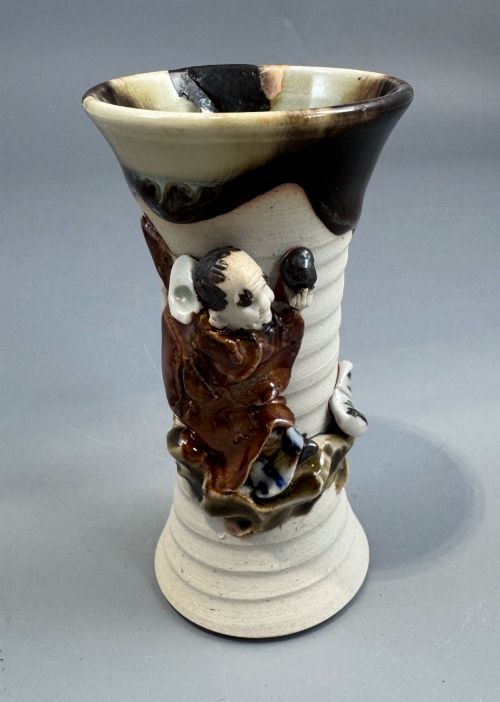


Meiji Period Figure Vase
A meiji period figure vase brings together expressive ceramic modelling and intricate painted scenes from late nineteenth and early twentieth century Japan.
Meiji Period Figure Vase
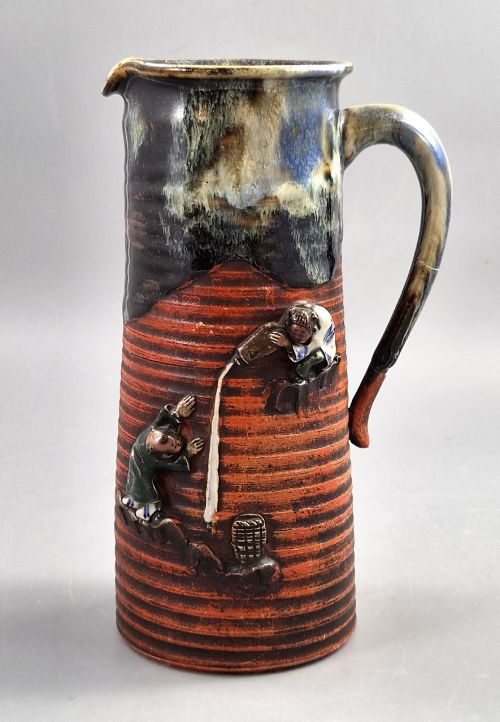
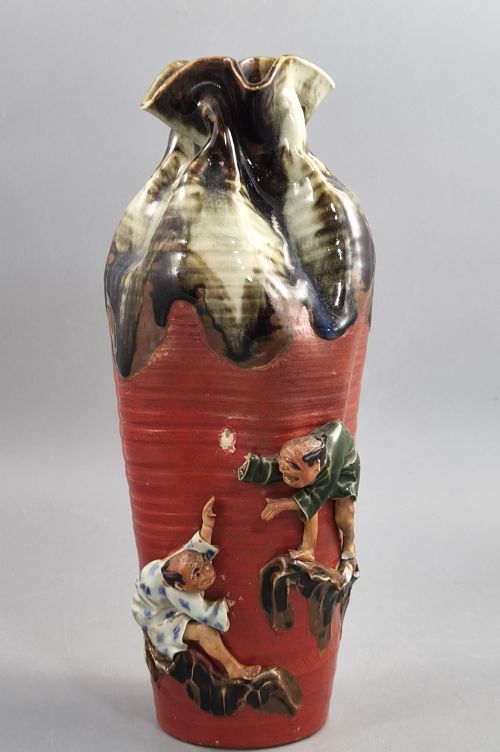
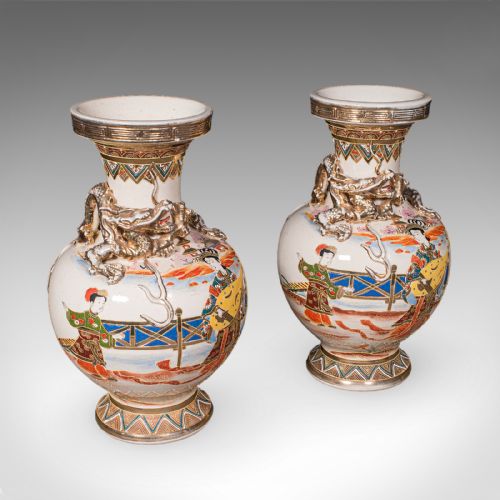
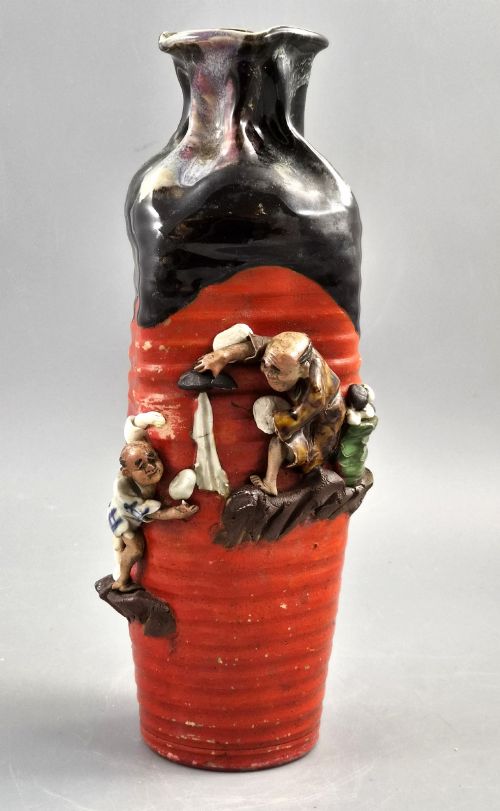
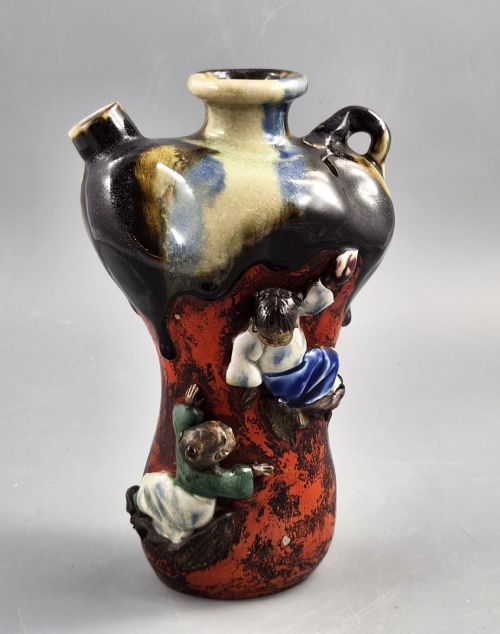
A meiji period figure vase centres on ceramic vessels decorated with human subjects, predominantly appearing as Satsuma earthenware or Sumida Gawa stoneware.
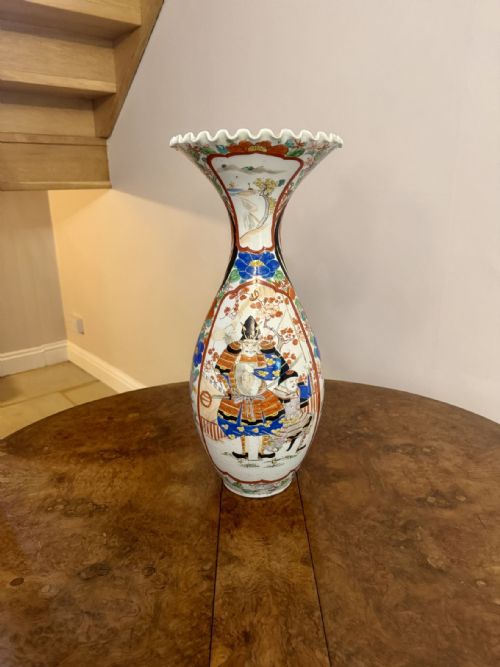
Buyers encounter baluster shapes, pitchers, cylindrical forms, and lidded vessels originating from the Meiji and Taishō periods.
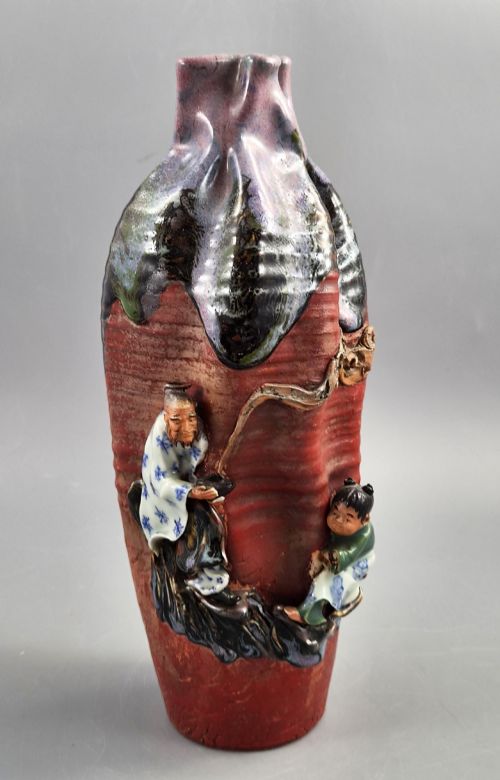
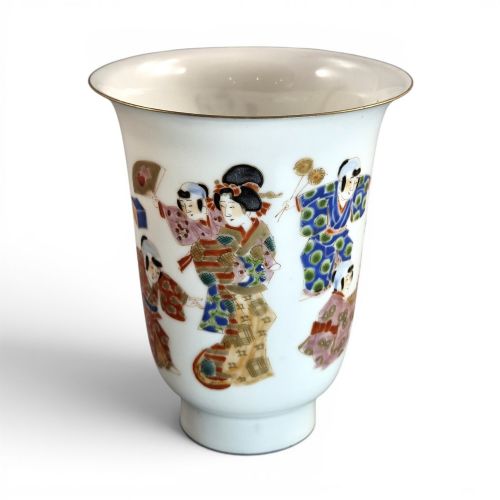
The decorative schemes frequently incorporate applied clay figures, sages, children, and court scenes painted with enamel and gold leaf.
Materials and Technique
Potters utilised earthenware, stoneware, porcelain, and terracotta as the primary bodies, shaped into vessels with pinched rims or polygonal profiles.
Makers applied glazes ranging from flambe and oxblood to lavender and flowing variations over the ceramic surface.
Relief ornamentation relied on applied figures sculpted separately and affixed to the body before firing, complemented by hand-painted details in enamel and gold leaf.
Listings feature earthenware, porcelain, and stoneware bodies decorated with enamel, gold leaf, and flambe glazes.
Distinctions in Execution
The distinction between ordinary and superior pieces rests on the crispness of the modelling and the precision of the hand-painted enamel and moriage work.
Stronger examples display well-defined facial expressions on applied figures and harmonious integration of glaze effects across the body.
Shozan Satsuma·Inoue Ryosai·Ban-ni·Koko·Hiroshi·Ishiguro Koko·Hichozan Shinpo
The Meiji Period Figure Vase Glossary
- Satsuma
- A type of earthenware with a fine ivory crackle glaze, typically decorated with enamel and gold leaf.
- Sumida Gawa
- A style of Japanese pottery characterised by heavy flambe glazes and distinct applied figures of clay.
- Moriage
- A form of raised enamel decoration used to build up textured patterns and details on ceramic surfaces.
- Rakan
- Depictions of enlightened disciples of Buddha, frequently appearing as applied figures on stoneware vessels.
- Karako
- Chinese style figures of children at play, often seen in painted or applied ceramic ornament.
Meiji Period Figure Vase: Frequently Asked Questions
What is a meiji period figure vase?
It is a Japanese ceramic vessel from the Meiji era featuring painted or applied human figures, such as sages, children, and court personages.
These pieces encompass Satsuma earthenware and Sumida Gawa stoneware forms created around the turn of the twentieth century.
How do I identify Satsuma pottery?
Satsuma wares are recognised by their warm ivory or cream earthenware body covered in a fine network of crackled glaze.
They generally feature elaborate painted decoration executed in polychrome enamels and gold leaf.
What is Sumida Gawa pottery?
Sumida Gawa pottery originates from the Tokyo area and is distinguished by heavily textured flambe or flowing glazes.
These vessels often incorporate distinct three-dimensional figures modelled in clay and applied directly to the exterior wall.
How should I display these vases?
Place them in stable environments away from direct sunlight to protect the delicate enamel and gold leaf work.
Their intricate relief modelling and painted scenes reward placement at eye level where the fine details remain visible.