
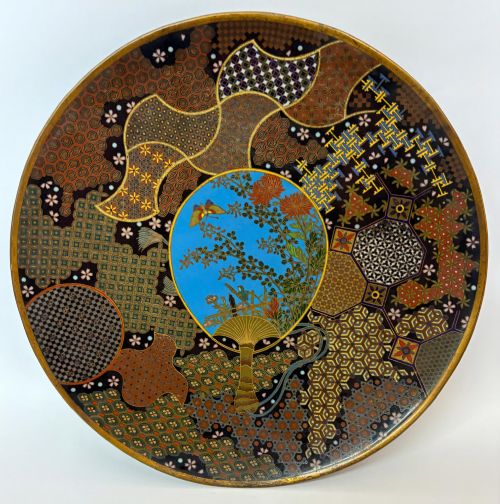


Meiji Period Cloisonne Enamel
Meiji period cloisonne enamel brings together intricate wirework, vibrant enamels, and motifs of nature and myth.
Meiji Period Cloisonne Enamel
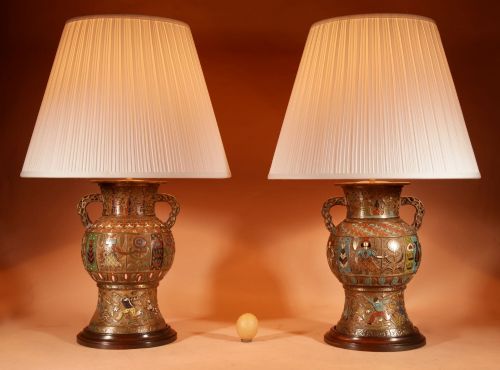
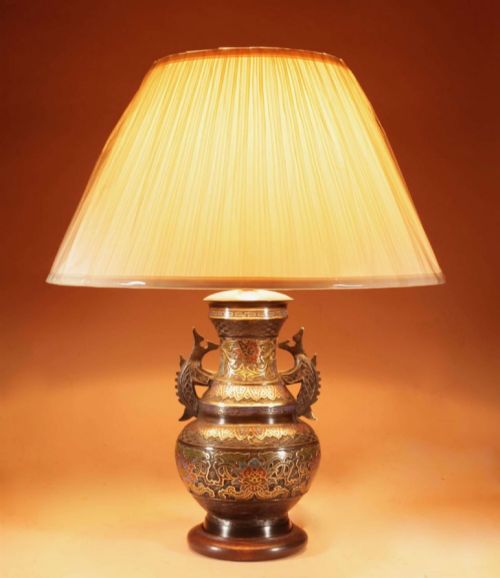
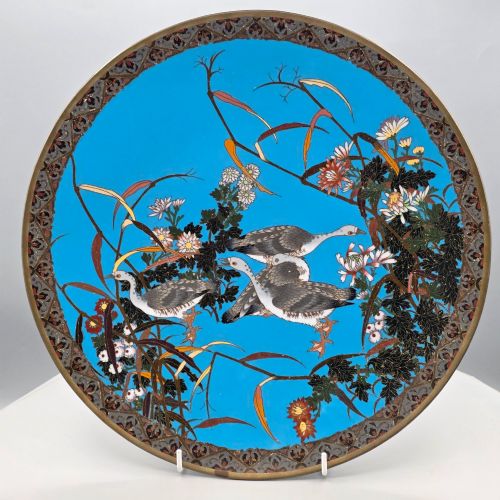
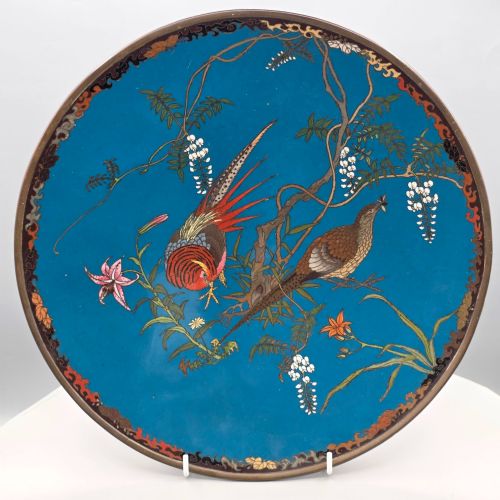
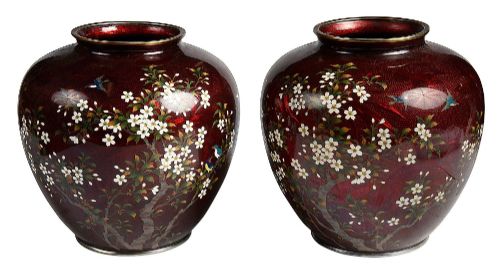
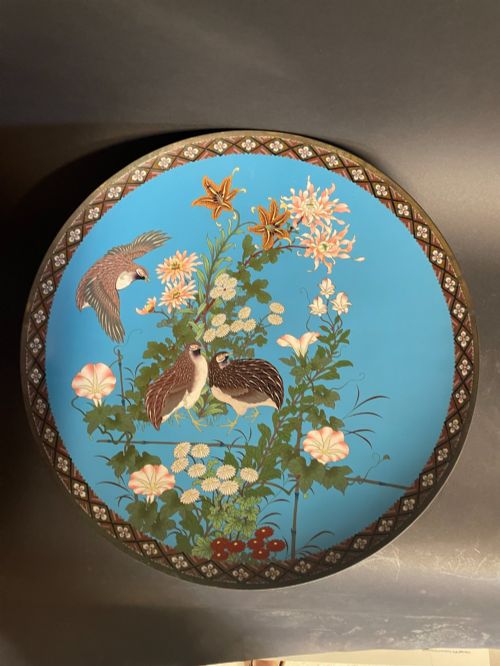
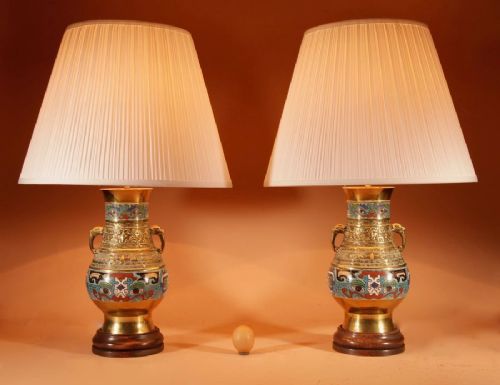
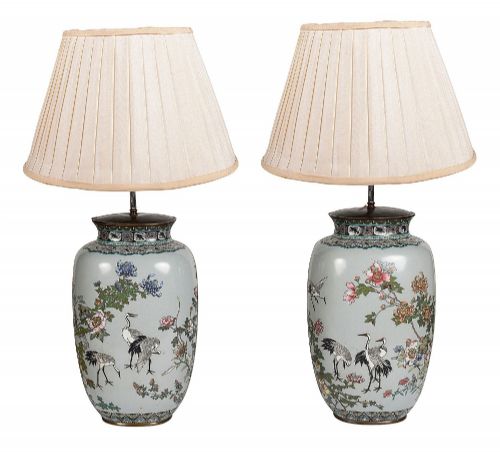
Meiji period cloisonne enamel encompasses decorative chargers, vases, plates, trays, and table lamps originating from Japan during the late nineteenth and early twentieth centuries. These objects display detailed depictions of birds, dragons, flowers, landscapes, and figures set against coloured enamel grounds.
Vessels and wall pieces dominate the selections, alongside smaller dishes and square trays. The forms range from miniature vases to large chargers spanning over thirty centimetres in diameter.
The aesthetic bridges traditional Japanese iconography, such as phoenixes and Mount Fuji, with the technical innovations developed during the Meiji era.
Materials and construction
Craftsmen built these pieces using a metal base, typically copper or brass, though porcelain also served as a foundation for specialised totai shippo items. Thin metal wires, or cloisons, were soldered onto the surface to outline the intricate patterns and compartments.
These cells were then filled with coloured enamel pastes before undergoing multiple firings in a kiln to vitrify the glass powders. Artisans subsequently ground and polished the entire surface to achieve a smooth finish where the metal wires remained flush with the hardened enamel.
Listings feature items dated across the late 19th and early 20th centuries, utilising enamel, copper, brass, bronze, wood, fabric, and porcelain.
Factors of distinction
The precision and fineness of the wirework define the upper tiers of production, where complex silver wire patterns and ginbari foil backgrounds reveal exceptional dexterity. Pieces incorporating basse-taille techniques or explicit signatures from recognised makers demonstrate a higher level of artistic ambition.
Conversely, simpler designs with thicker brass wires and uniform field colours occupy the more standard end of the spectrum. The clarity of the enamel firing, freedom from surface pitting, and complexity of the pictorial subject matter further separate the masterworks from standard decorative wares.
Ando Jubei·Kinkozan
The Meiji Period Cloisonne Enamel Glossary
- Cloisonne Enamel
- Enamel work in which the design is formed by strips of metal soldered to a metal base to create compartments for the paste. This technique allows for sharp linear boundaries between different colours.
- Champleve
- Enamel work where the design is carved or etched into the metal surface to form depressed cells for the enamel. This method contrasts with applied wire cloisons.
- Ginbari
- A technique utilising a textured metal foil applied beneath translucent enamel to create shimmering patterns. It is often paired with silver wire work.
- Totai Shippo
- Porcelain wares decorated with cloisonne enamel designs directly on a ceramic body, sometimes simulating tree bark textures. This hybrid method merges ceramic shaping with metalwork enamelling.
- Basse-Taille
- An enamelling technique where the metal ground is engraved or chased in low relief so that translucent enamel allows varying depths of light to pass through. It adds dimensional depth to the decorated surface.
Meiji Period Cloisonne Enamel: Frequently Asked Questions
How do I identify meiji period pieces?
Examination of the wiring, metal bases, and stylistic motifs helps establish the period. Many works incorporate subtle signature plaques or utilise traditional Japanese iconography popular between 1868 and 1912.
Closer inspection of the enamel colours and the weight of the copper or brass foundation provides additional context for dating.
What is the difference between chargers and plates?
Chargers are large decorative display platters, often exceeding thirty centimetres in diameter, designed primarily for viewing rather than dining. Plates in these collections tend to be smaller and vary in shape from round to square or octagonal.
Both forms served as canvases for elaborate pictorial compositions featuring flora, fauna, and historical figures.
Were these objects used for lighting?
Certain vessels, including specific vases and bronze structures, were adapted as table lamps during or after their period of manufacture. These conversions integrate electrical fittings while retaining the original enamelled bodies.
Original lamp components often match the brass or bronze hardware seen across late nineteenth and early twentieth-century decorative arts.
What subjects appear on these items?
Motifs frequently draw from the natural world, depicting geese, owls, koi, irises, chrysanthemums, and landscapes featuring Mount Fuji. Mythological subjects such as dragons, Ho-o birds, samurai, and demons also appear with regularity.
Symbolic patterns and auspicious signs decorate the borders and fields of numerous chargers and trays.