


Meiji Period Cast Bronze
Meiji period cast bronze brings sculptural animals, lamps and vases from late nineteenth-century Japan into modern rooms.
Meiji Period Cast Bronze
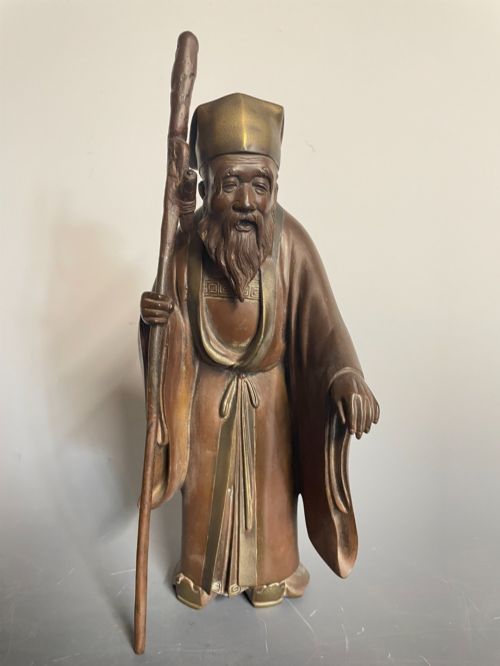
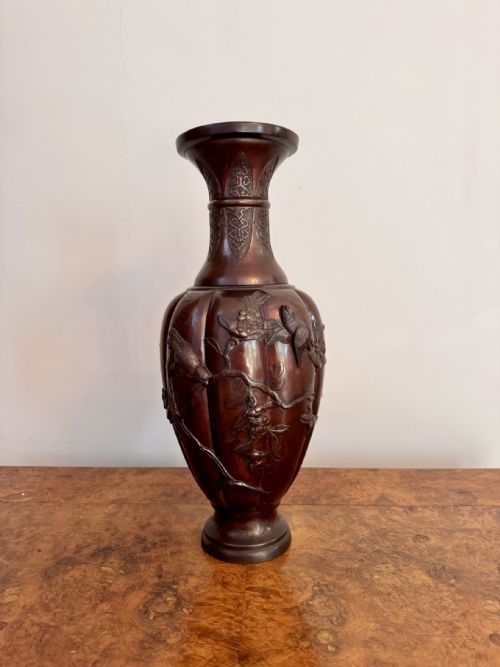
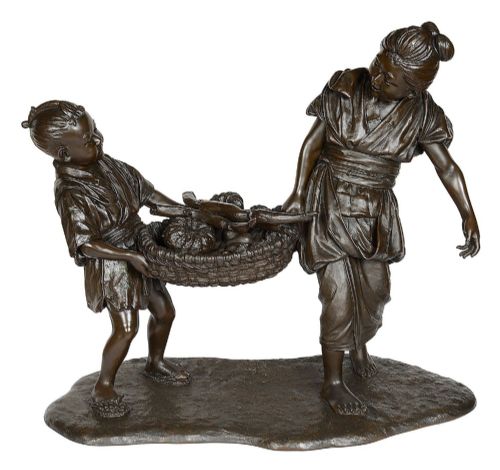
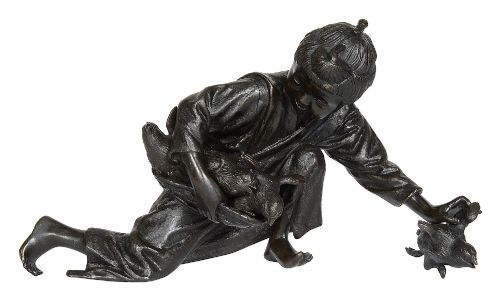
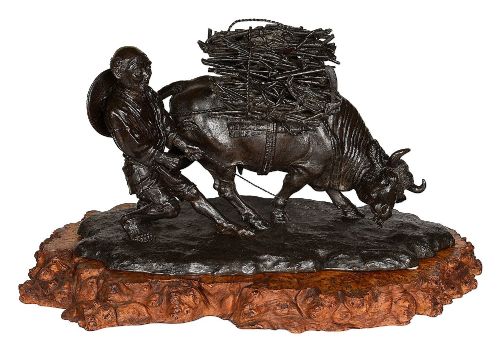
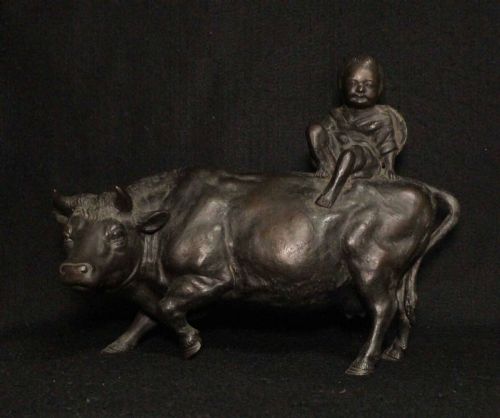
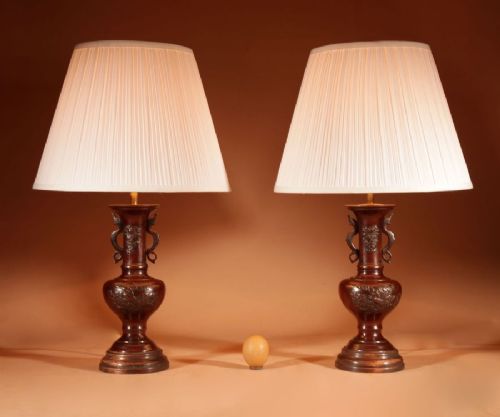
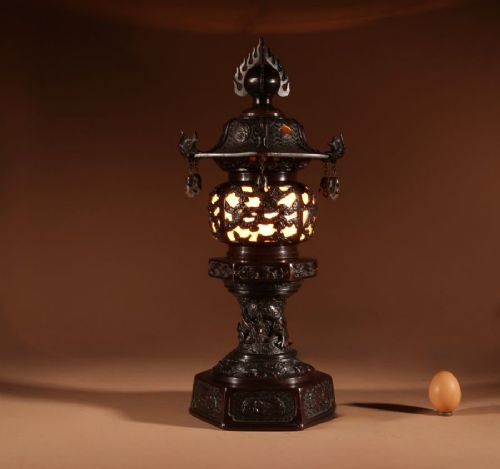
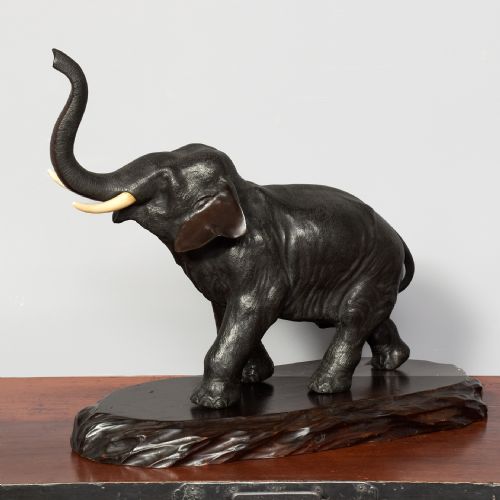
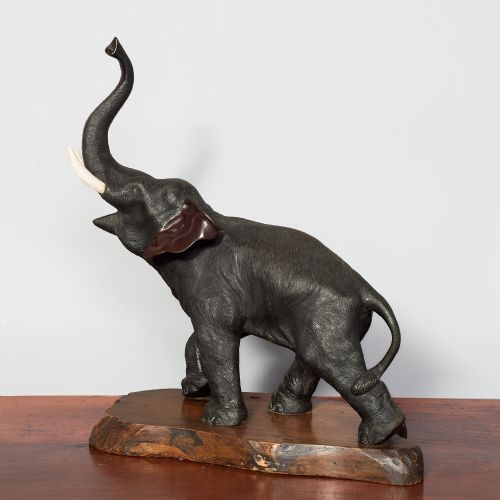
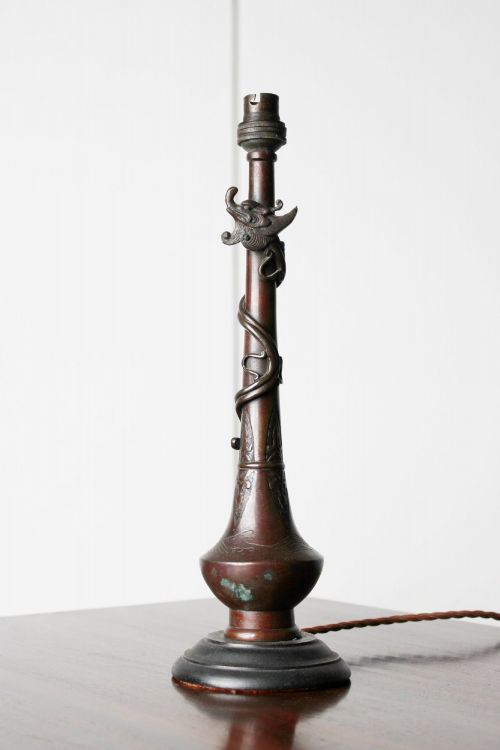
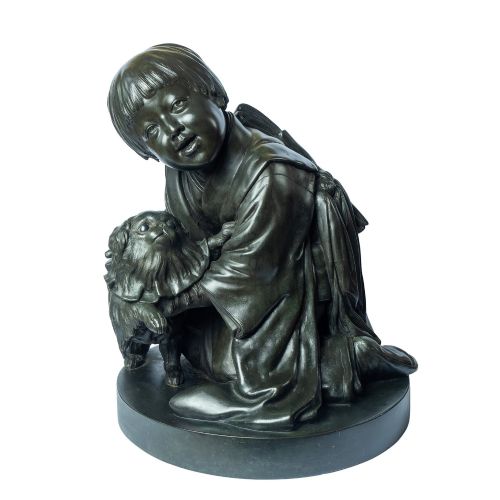
Meiji period cast bronze encompasses sculptural figures, vases, table lamps and jardinières originating from late nineteenth- and early twentieth-century Japan. Buyers searching for meiji period cast bronze encounter animal figures, dragons, elephants and finely rendered vases.
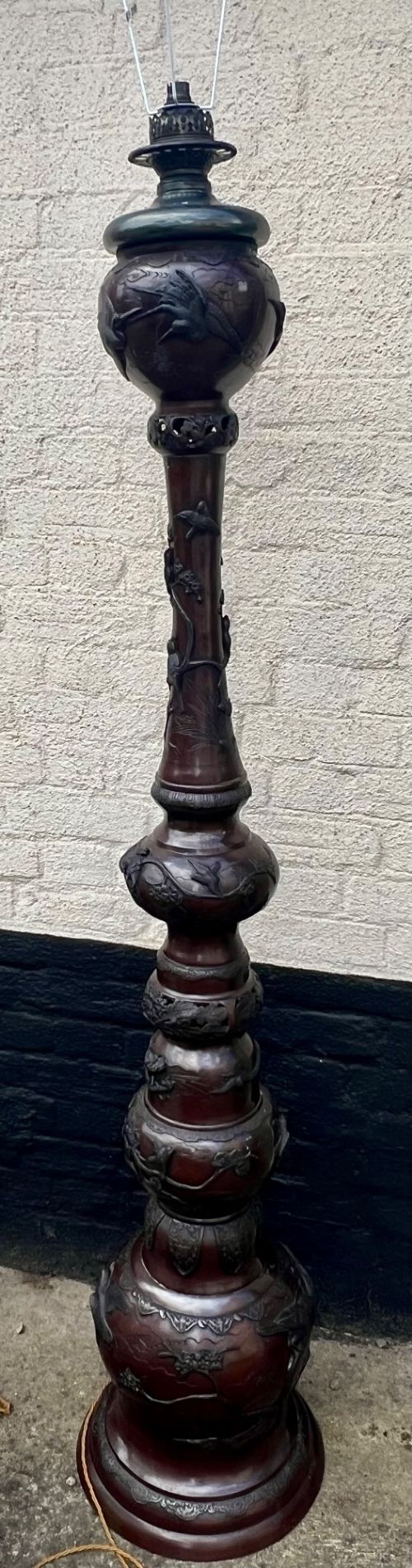
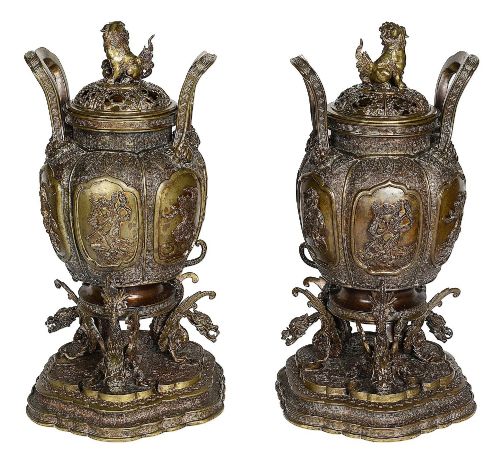
The selections span figures of humans and animals, alongside functional vessels like incense burners and floor lamps. Pieces from this era range from domestic table lamps to monumental garden temple vases.
Makers produced both patinated bronze sculptures and items incorporating ivory, bone or enamel detailing. These works reflect the decorative ambitions of the late nineteenth and early twentieth centuries.
How they were made
Foundries utilised traditional metal casting techniques to produce detailed figures, dragons and vessels. Artisans then applied patination to achieve deep, rich surface colours on the bronze.
Many sculptures integrated organic materials such as ivory tusks, bone or enamel accents alongside the patinated metal. Larger garden urns and temple vases required precise multi-part casting methods.
Listings feature 19th Century, Victorian, Edwardian and early 20th Century periods alongside materials including bronze, brass, ivory, bone and enamel.
What varies in quality
The precision of the casting and the subtlety of the surface patination distinguish the finest works. Artisans who paid careful attention to anatomical detail in animal figures produced pieces of superior visual depth.
Complexity in design, such as intricate dragon scales or multi-component okimono figures, separates standard production from exceptional examples. The integration of contrasting materials like ivory or enamel further elevates a piece's standing.
MASAAKI·Kunio Itô·Kaniya Kuniharu·Kibundo·Tokyo Foundry·Sakai Kōzan
The Meiji Period Cast Bronze Glossary
- Okimono
- A Japanese display object designed for placement in a tokonoma alcove or on a shelf. These freestanding sculptures depict animals, figures or mythical beasts.
- Koro
- A traditional Japanese incense burner featuring a lidded body often supported on three or four feet. These vessels frequently display mythical beast finials.
- Patinated Bronze
- Metal treated with chemical solutions to produce a specific surface colour or aged finish. This technique highlights fine surface textures and details.
- Usubata
- A distinct form of Japanese bronze vase utilised primarily for flower arrangement. These vessels often feature a wide rim and a slender neck atop a stable base.
- Champlevé
- An enamelwork technique where troughs or cells are carved into the bronze surface and filled with vitreous enamel paste before firing.
Meiji Period Cast Bronze: Frequently Asked Questions
How do I care for antique bronze?
Dust bronze objects regularly with a soft, dry cloth to prevent particulate buildup on the patinated surface. Avoid chemical cleaners or excessive polishing, which can strip the historic finish.
Keep pieces away from direct heat sources and high humidity to preserve the metal and any integrated organic elements.
Where were these bronzes made?
These works originated in Japanese workshops, studios and specialised foundries operating during the Meiji era and slightly beyond. Regional centres like Takaoka and Kyoto produced many of the notable vases and temple vessels.
Makers exported a significant portion of these decorative items to Western markets during the late Victorian and Edwardian periods.
How do I identify meiji bronze?
Examine the piece for characteristic late nineteenth-century Japanese artistic motifs, such as naturalistic animal forms, dragons and archaistic vase shapes. Patination style and casting weight often point directly to this era.
Makers' signatures or foundry marks occasionally appear on the underside or reverse of finer sculptures and vases.