


Meiji Period Bronze Sculpture
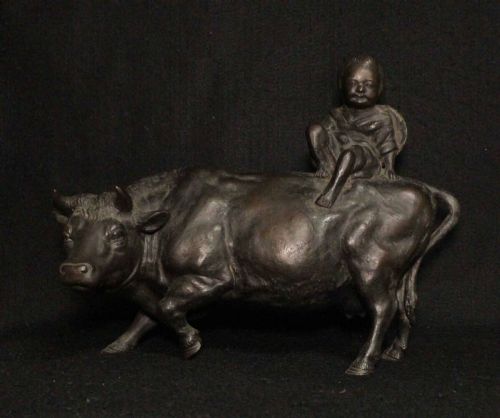
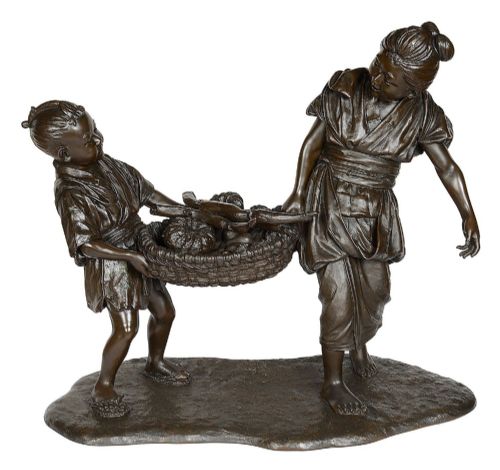
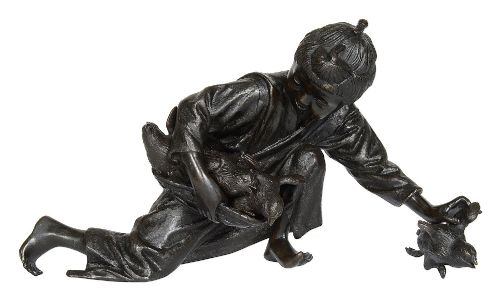
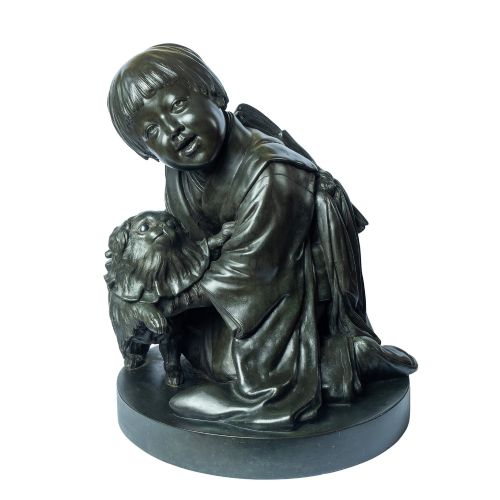
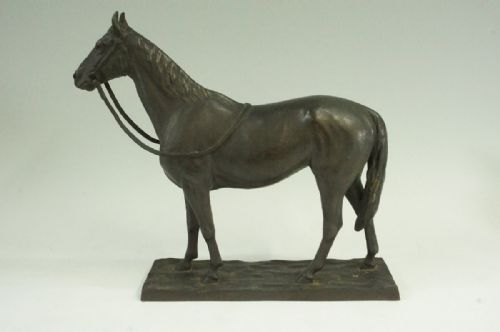
These meiji period bronze sculpture pieces capture the astonishing naturalism and metallurgical skill of Japanese metalworkers working between the late nineteenth and early twentieth centuries.
Meiji Period Bronze Sculpture
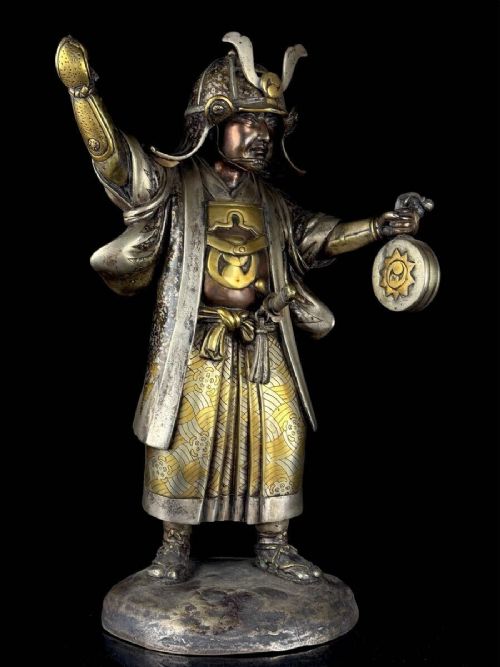
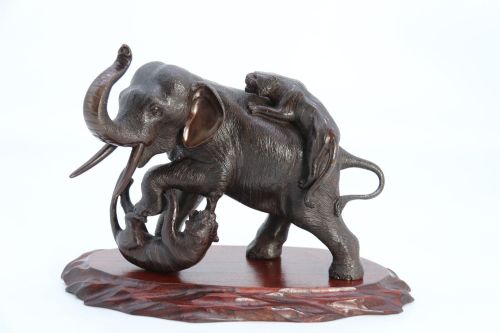
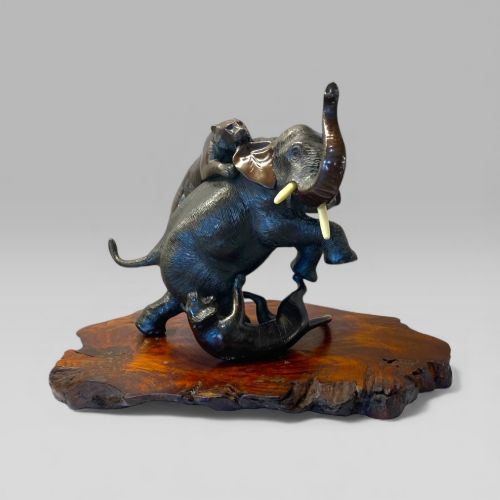
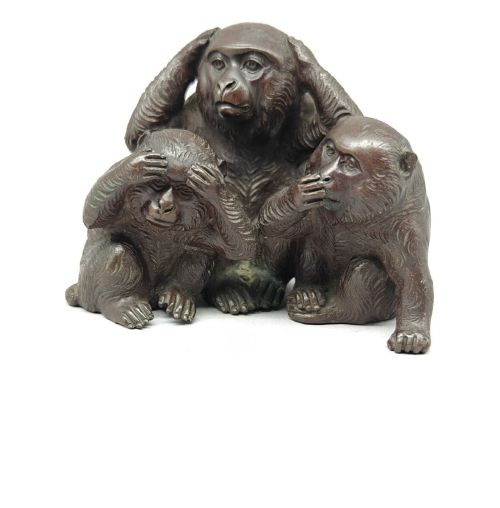
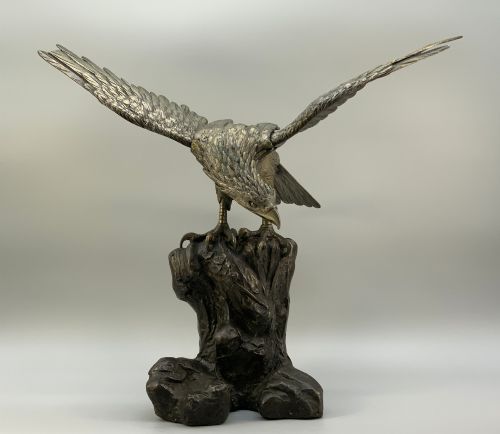
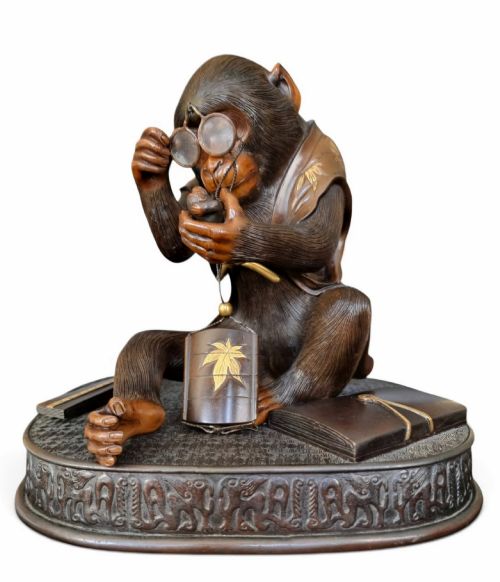
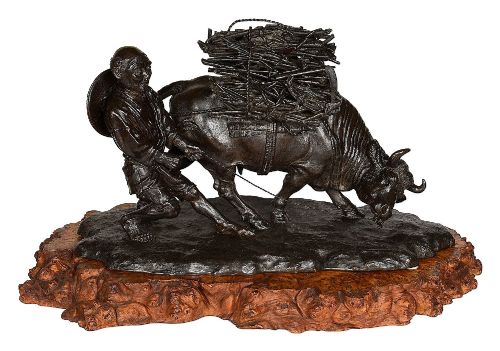
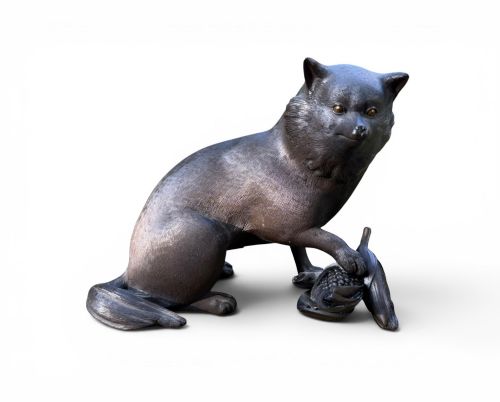
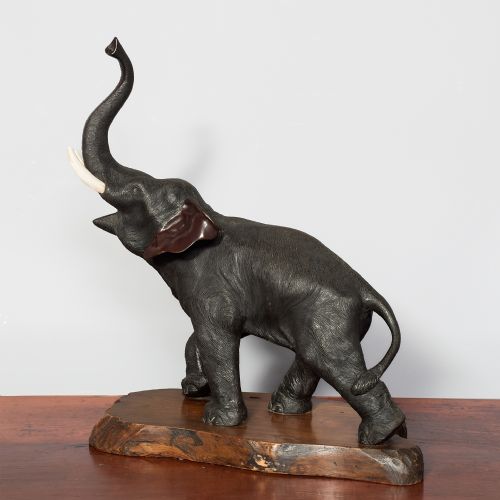
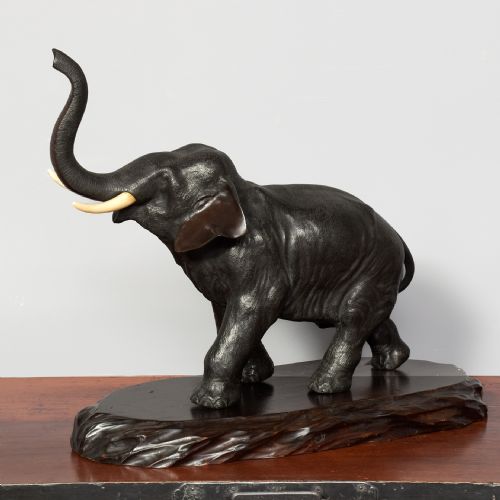
A meiji period bronze sculpture encompasses both standalone figures and okimono, which are decorative objects intended for display in a traditional Japanese interior. These pieces frequently depict subjects drawn from the natural world, including birds of prey, elephants, monkeys, and formidable insects alongside human figures.
The objects listed on this page span the late nineteenth century and early twentieth century, reflecting the output of Japanese foundries during and immediately following the Meiji era. Forms range from compact okimono intended for a tabletop to monumental garden figures and temple vases.
How They Were Made
Metalworkers utilised the lost-wax casting technique to achieve complex forms with anatomical precision, often incorporating mixed metals and gold inlay to highlight specific details. Patination was applied chemically to produce deep brown, black, or greenish surface tones that emulate the natural appearance of the subject.
Certain pieces employ articulation, where individual limbs or segments are joined to move realistically, whilst others integrate natural elements such as root wood bases or ivory and bone components.
Meiji Period Bronze Sculpture Retail Price Guide 2026
Typical asking prices for meiji period bronze sculpture among the pieces listed under this phrase on Sellingantiques today, from the lower quarter to the upper quarter. They describe what is for sale here now, not the wider market.
Several Meiji metalworkers turned their formidable casting skills toward startlingly realistic rhinoceros beetles, tarantulas, and articulated centipedes.
What Varies in Quality
The distinction between ordinary and exceptional works lies in the subtlety of the surface chasing and the anatomical fidelity of the casting. Master metalworkers achieved a lifelike tension in musculature and feather texture that lesser workshop pieces simply fail to capture.
Signature markings from recorded artists or established foundries elevate a piece, indicating a higher tier of design and execution. The complexity of the composition, such as multi-figure animal conflicts or articulated segments, also separates standard production from ambitious masterworks.
Jomi Eisuke·Masaaki·Kunio Itô·Tsunemitsu·Kaniya Kuniharu·Sakai Kōzan·Seiunsai Miyamoto Sei·Unno Shomin·Gyoko·Miyao Eisuke
The Meiji Period Bronze Sculpture Glossary
- Okimono
- A Japanese term for an ornamental object placed for display, typically on a shelf or in a tokonoma alcove. These sculptures cover diverse subjects from deities and historical figures to fauna and flora.
- Patinated Bronze
- Bronze that has been treated with chemical solutions to alter its surface colour and tone. This process protects the metal whilst enhancing the visual depth of the sculpture.
- Mixed Metal
- An alloy combination or the simultaneous use of different metals such as copper, silver, and gold within a single object. It was employed to create contrasting highlights and decorative patterns.
- Shakudo
- A Japanese billon of copper with a small percentage of gold that develops a deep purple-black patina when treated. It is frequently utilised for fine details and inlay work.
- Lost-wax casting
- A metalworking process where a molten metal is poured into a mould that has been created by melting away a wax model. This method allows for intricate undercut details and delicate forms.
Meiji Period Bronze Sculpture: Frequently Asked Questions
What is an okimono?
An okimono is a standalone decorative sculpture designed for display inside a home rather than for ritual use. These pieces became prominent during the Meiji period as Japanese metalworkers turned their skills toward international and domestic art markets.
Subjects range from serene figures and scholars to ferocious animals and insects, carved or cast with intense attention to real-world detail.
How do I identify a Meiji period piece?
Meiji period bronzes are characterised by their dynamic naturalism, dark patination, and occasional use of mixed metal inlay. Many feature signatures or seals corresponding to artists and foundries active during the late nineteenth and early twentieth centuries.
The materials often include patinated bronze combined with wood bases, ivory, or gold highlights, reflecting the period's distinct aesthetic.
Why do some animals have ivory or bone?
Makers occasionally integrated contrasting organic materials like ivory or bone into bronze sculptures to render tusks, teeth, or facial expressions with stark realism. This practice was common in high-tier Meiji workshops aiming for textural variety.
Such additions highlight the collaborative craftsmanship of the period, where metalworkers worked alongside specialised carvers.