





Japanese Cast Bronze Statue
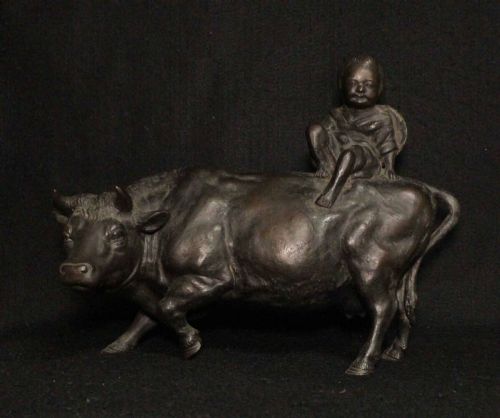
A Japanese cast bronze statue brings remarkable realism and precise metalwork into a room, capturing figures, animals, and mythological subjects from the Meiji and Showa periods.
Japanese Cast Bronze Statue
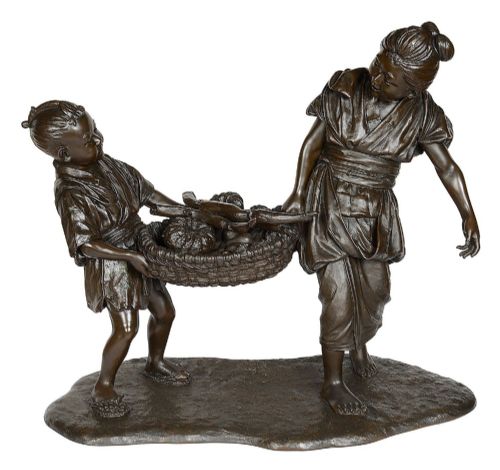
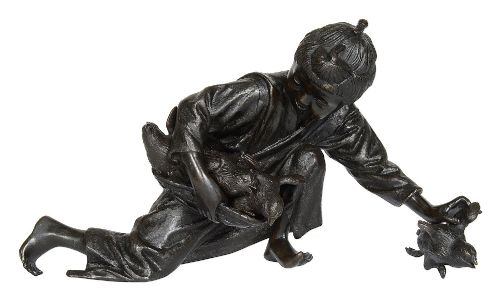
A Japanese cast bronze statue encompasses figures, animals, and garden statuary originating primarily from the 19th and early 20th centuries. These works frequently depict subjects drawn from daily life, folklore, and the natural world, ranging from small okimono to life-size garden pieces.
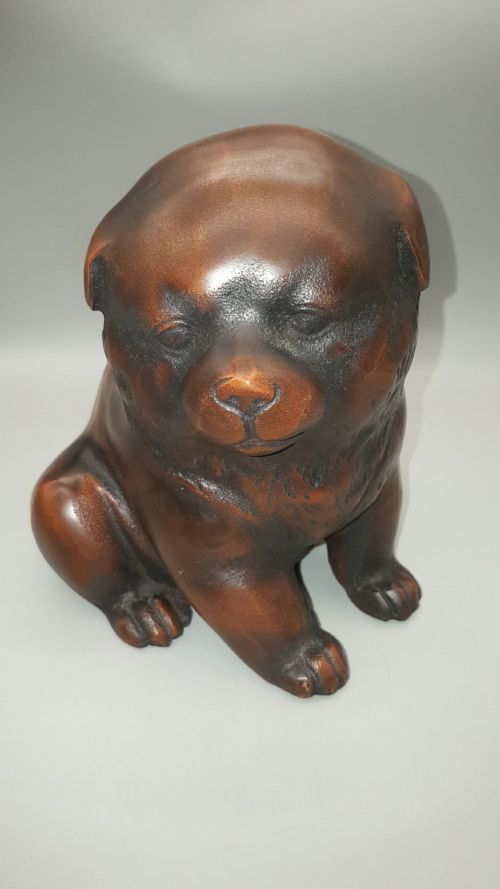
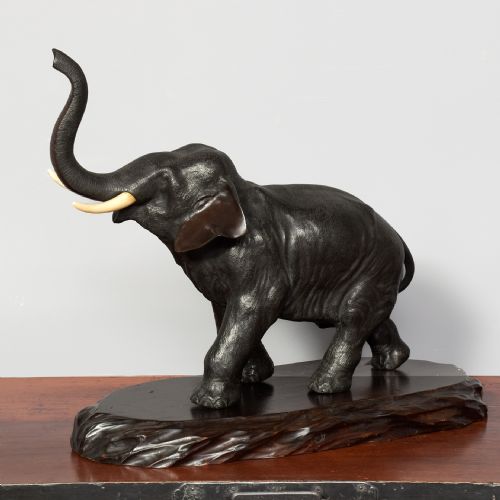
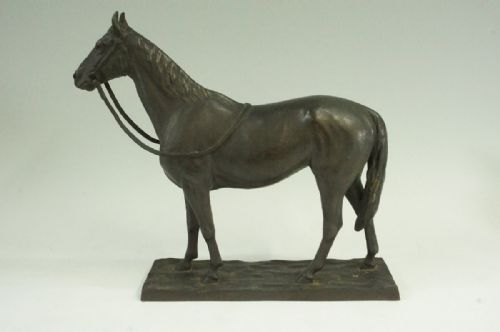
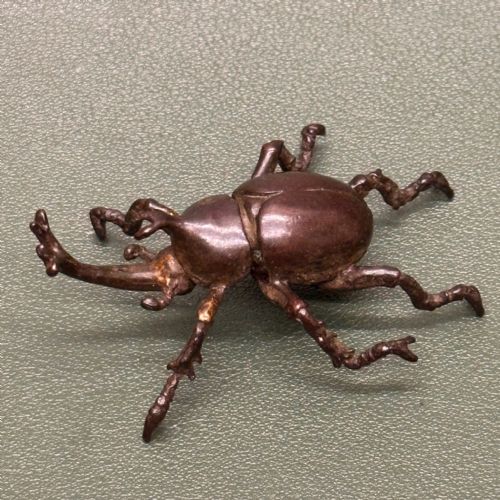
The objects on this page span the Meiji and Showa periods, showing distinct shifts in scale and subject matter. You will find domestic animals like puppies and horses alongside fierce creatures such as dragons, tigers, and rhinoceros beetles.
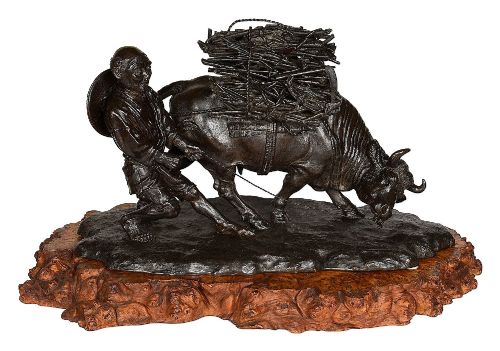
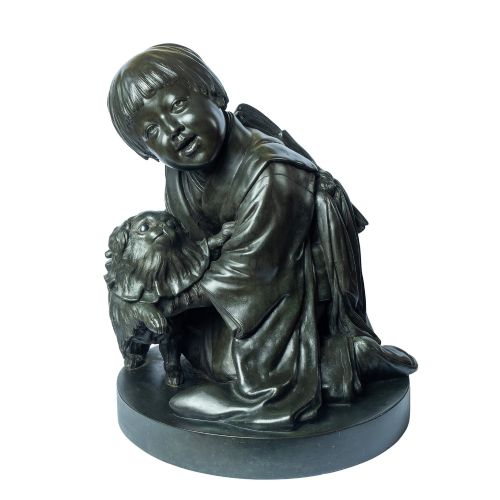
Human figures take many forms, including woodcutters, geisha, and ladies in kimonos, often rendered with fine attention to gesture and traditional dress. Many of these pieces integrate mixed materials such as ivory, bone, wood, or marble bases to enhance their display.
Materials and casting methods
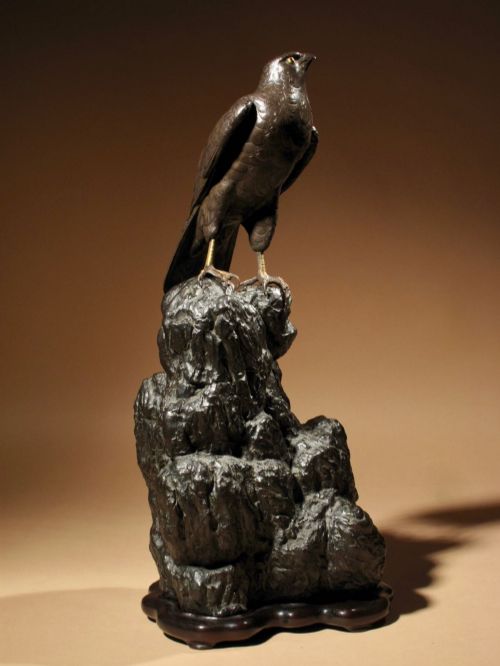
These pieces rely on traditional metalworking techniques, utilising bronze cast to capture intricate textures such as feathers, fur, and wrinkled skin. Artisans often applied patination to achieve deep brown, black, or greenish tones on the metal surface.
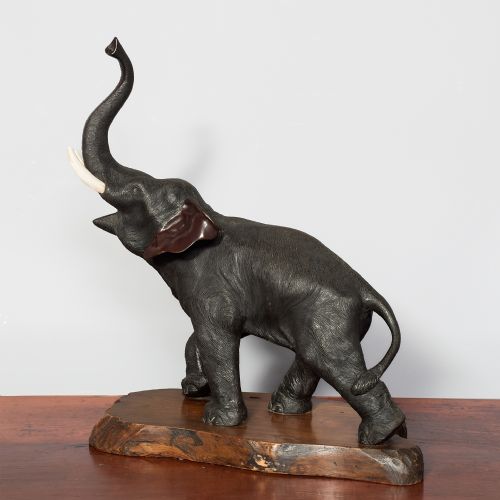
Selected examples incorporate contrasting elements such as ivory tusks, bone details, or diamond eyes set directly into the cast bronze body. Wooden elements, burr wood, and marble frequently serve as naturalistic bases or mounts for the heavier figures.
Japanese Cast Bronze Statue Retail Price Guide 2026
Typical asking prices for japanese cast bronze statue among the pieces listed under this phrase on Sellingantiques today, from the lower quarter to the upper quarter. They describe what is for sale here now, not the wider market.
Listings feature 19th Century, 1880, 1890, 1900, 1910, 1920, and 1930 periods, incorporating Bronze, Wood, Patinated Bronze, Ivory, Bone, Brass, Burr Wood, and Marble.
Distinctions in craftsmanship
Signed works by recognised makers or foundries, such as Tokyo Foundry, typically exhibit a higher standard of artistic execution and finishing. The integration of secondary materials, like carved ivory or custom wood bases, also distinguishes more ambitious decorative sculptures from standard production.
Tsunemitsu·Masaaki·Kunio Itô·Kaniya Kuniharu·Sakai Kōzan
The Japanese Cast Bronze Statue Glossary
- Okimono
- A Japanese ornamental statue designed for display on a shelf or tokonoma alcove rather than for ritual use. These objects often depict animals, figures, or mythical subjects with high realism.
- Meiji Period
- The era in Japanese history lasting from 1868 to 1912, characterised by the opening of trade with the West and a flourishing of decorative arts, including bronze casting.
- Patinated Bronze
- Metal treated with chemical solutions to produce a specific surface colour or aged finish. This process highlights fine details and protects the bronze.
- Showa Period
- The period spanning from 1926 to 1989, representing the later twentieth-century phase of Japanese sculpture and manufacturing represented in these listings.
Japanese Cast Bronze Statue: Frequently Asked Questions
How do I care for bronze?
Bronze requires minimal maintenance beyond gentle dusting with a dry, soft cloth. Avoid using harsh chemical cleaners or polishes that can strip the original patina.
Keep the sculpture away from direct moisture and extreme temperature fluctuations to preserve the metal and any integrated organic materials like ivory or wood.
Are these pieces signed?
Many Japanese cast bronze statues feature artist signatures or foundry marks inscribed directly into the metal. These signatures are typically found on the underside or base of the sculpture.
Identifying marks can attribute a piece to specific makers or workshops active during the Meiji and Showa periods.
How do I distinguish Meiji pieces?
Meiji period bronzes, dating from 1868 to 1912, generally exhibit high levels of naturalistic detail and sophisticated patination. The subjects often reflect traditional Japanese flora, fauna, and folklore.
Later Showa period works often show shifts in style and casting techniques influenced by twentieth-century manufacturing methods.