



Meiji Period Bronze Figurines
Meiji period bronze figurines bring masterwork Japanese metalwork into the room, capturing animals, figures, and myth with startling observation.
Meiji Period Bronze Figurines
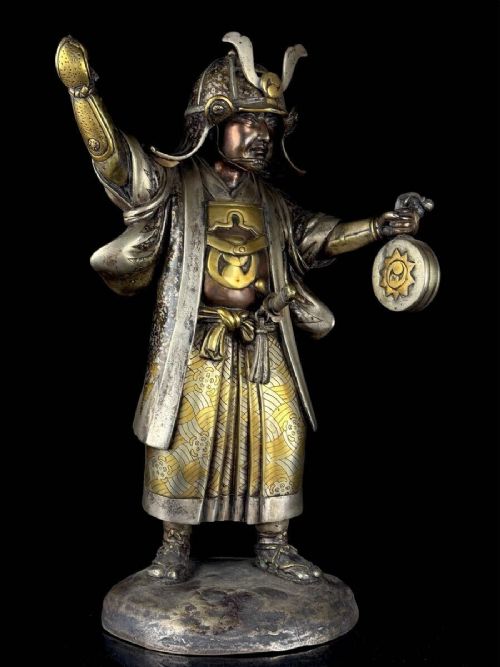
Meiji period bronze figurines span the late nineteenth and early twentieth centuries, capturing animals, figures, and mythological subjects in metal. A buyer exploring meiji period bronze figurines encounters okimono, statues, and sculptural studies created across the decades of the era.
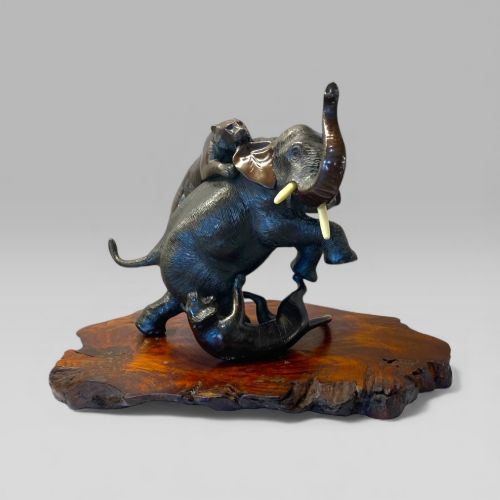
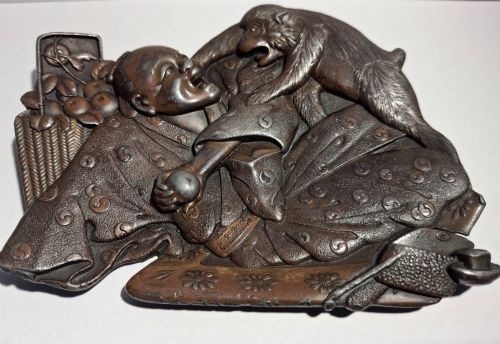
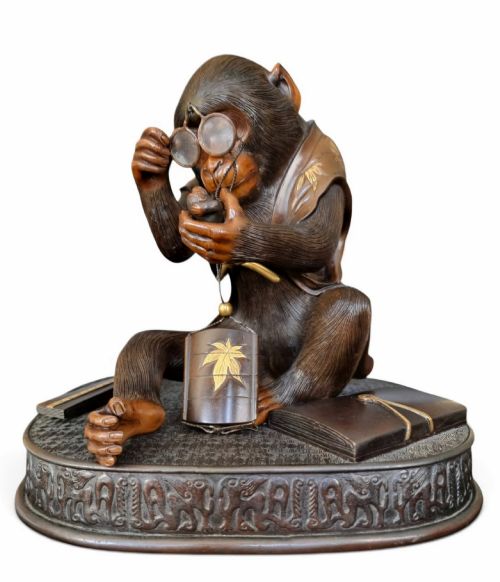
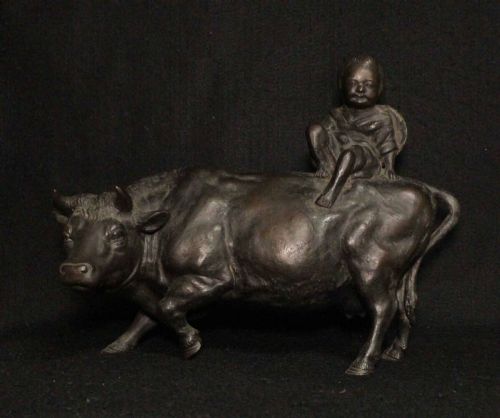
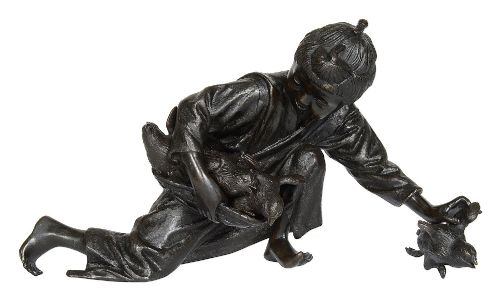
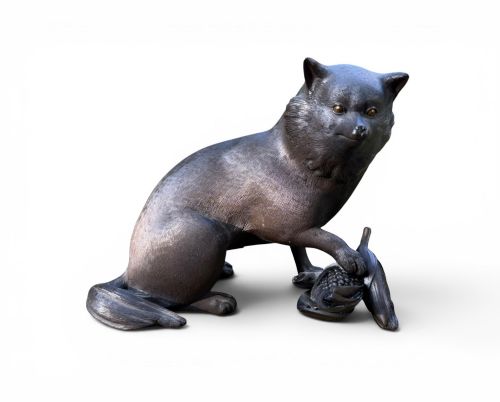
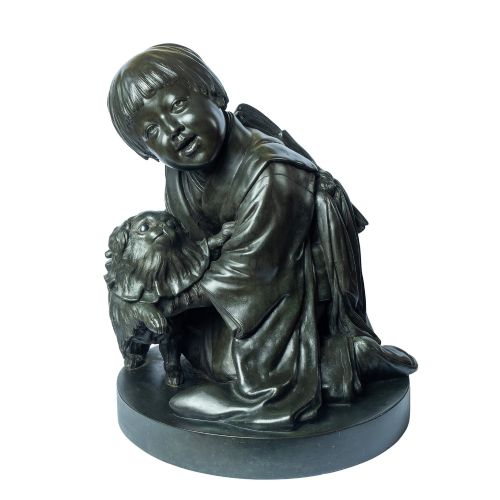
The subjects range widely from elephants, tigers, monkeys, and dogs to human figures such as geisha, musicians, and demons. Many pieces depict natural behaviour, from a rat clutching a chestnut to an elephant fighting with tigers.
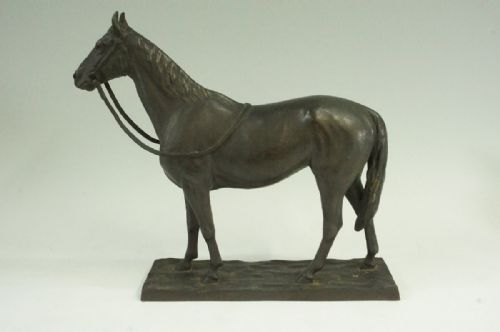
Sculptures and statues appear in various forms, often shaped as okimono meant for display on a shelf or tabletop. The material expression leans heavily on bronze, frequently enriched with gold inlay or mixed metals.
How they were made
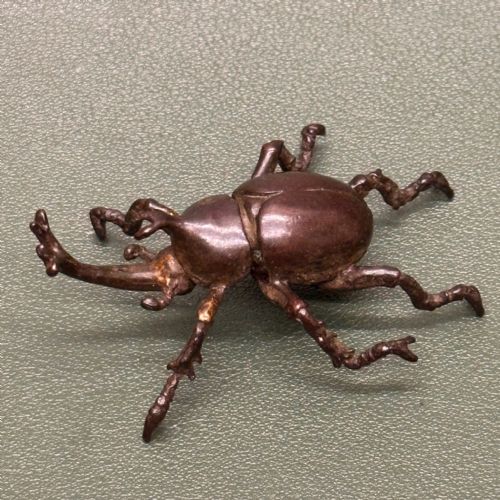
The production relies primarily on bronze, often patinated to achieve deep brown or dark tones, alongside mixed metals and occasional gold inlay. These materials are worked into sculptural forms representing animals, insects, and human subjects with high precision.
Makers utilise casting techniques combined with intricate chasing, carving, and metal enrichment. Detail work brings out the texture of fur, feathers, and skin, grounding the sculptural studies in realism.
Meiji Period Bronze Figurines Retail Price Guide 2026
Typical asking prices for meiji period bronze figurines among the pieces listed under this phrase on Sellingantiques today, from the lower quarter to the upper quarter. They describe what is for sale here now, not the wider market.
Listings feature bronze, copper, mixed metals, and gold inlay across the nineteenth and early twentieth centuries.
What varies in quality
Quality rests in the sharpness of the casting and the fidelity of the surface finish. Works carrying signatures from known makers often display superior precision in anatomy and movement.
The depth of the patination and the integration of mixed metals or gold inlay separate standard foundry pieces from masterwork studies. Naturalism in complex poses, such as fighting animals or anthropomorphic subjects, dictates the higher tier.
Masaaki·Kunio Itô·Haruyama Shunzan·Unno Shomin·Miyao
The Meiji Period Bronze Figurines Glossary
- Okimono
- A Japanese ornamental object or figurine designed for display in an alcove or on a cabinet. These standalone sculptures range from animals to mythological figures.
- Patinated Bronze
- Bronze treated with chemicals or heat to alter the surface colour, producing dark browns, greens, or black tones. This finish adds depth and protects the metal.
- Mixed-Metal
- An alloy technique combining metals such as copper, silver, and gold within a single piece to create contrasting decorative effects.
- Meiji Period
- The era in Japanese history spanning from 1868 to 1912, characterised by modernisation and the opening of trade with the West.
Meiji Period Bronze Figurines: Frequently Asked Questions
How do I know if it is Meiji period?
The Meiji period spans from 1868 to 1912, an era when Japanese metalwork reached exceptional technical heights for export and domestic collections. Pieces from this time often bear patinated bronze surfaces and realistic animal or human studies.
Signatures or marks on the base can sometimes connect the sculpture to specific makers working during these decades.
Where should I display a bronze figurine?
Bronze figurines suit placement on sturdy wooden tables, desks, or open shelves where adequate light reveals the patination and fine chasing. Keeping them away from direct moisture preserves the metal finish.
Their varied sizes allow them to sit comfortably alongside books or other decorative objects.
Why are animals common subjects?
Japanese metalworkers of the era observed the natural world closely, translating birds, insects, and mammals into metal with anatomical accuracy. Subjects ranged from everyday puppies and chickens to fierce tigers and elephants.
These animal studies reflected a deep cultural appreciation for nature and the habits of wildlife.