



Meiji Metalwork Figurine
A meiji metalwork figurine brings master Japanese craftsmanship into your home, offering intricate bronze and mixed-metal forms that collectors prize.
Meiji Metalwork Figurine
A meiji metalwork figurine represents the pinnacle of Japanese metalcraft, spanning the late nineteenth and early twentieth centuries. These decorative sculptures capture everything from domestic animals and mythical demons to scholars and geisha girls with remarkable precision.
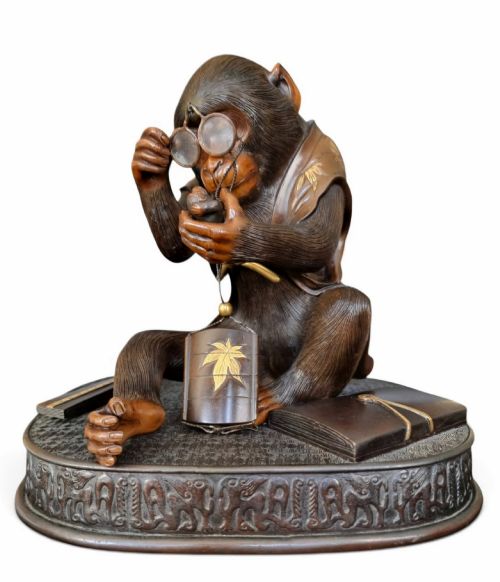
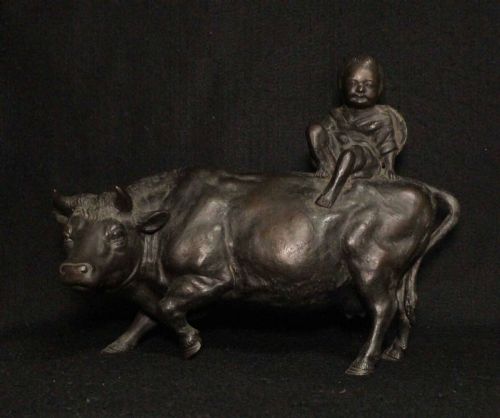
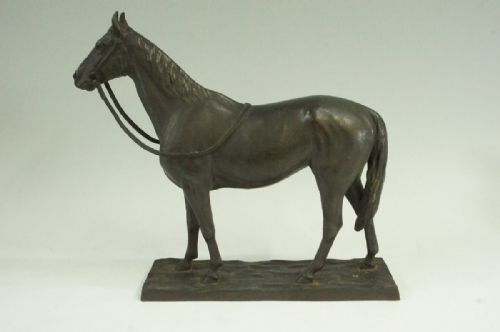
You will most commonly encounter bronze sculptures and okimono depicting subjects like elephants, monkeys, puppies, and beetles. The pieces range from naturalistic animal studies to anthropomorphic figures dressed in traditional garb.
Materials and Techniques
Craftsmen utilised bronze, patinated iron, and copper as the primary foundation metals for these sculptures. Many works incorporated mixed metals and delicate gold inlay to highlight surface details and create striking visual contrast.
The finishing process often involved patination to achieve deep, rich surface tones on the bronze and iron. Artisans also employed silvering techniques on select models to render realistic plumage and textures.
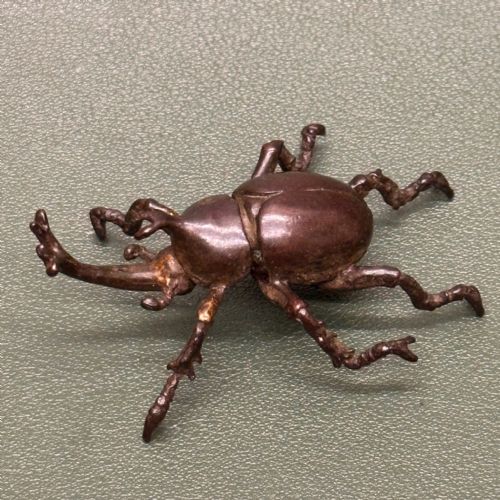
One particularly industrious beetle carries a polished bronze shell that catches the light whenever someone walks past.
Assessing Quality and Execution
The degree of anatomical precision and textural nuance separates standard castings from masterworks. Finer pieces demonstrate meticulous attention to fur, feathers, and facial expressions that elevate the sculpture beyond simple decoration.
The integration of mixed metals and gold inlay reveals the skill of the individual workshop. Superior examples maintain balanced proportions and secure patination that ages gracefully across the decades.
Kunio Itô·Unno Shomin
The Meiji Metalwork Figurine Glossary
- Okimono
- A Japanese freestanding ornamental figurine designed for display on a shelf or in a tokonoma alcove. These decorative sculptures typically depict animals, figures, or mythical subjects.
- Patinated Bronze
- Bronze treated with chemicals or heat to produce a specific surface coloration and finish. This technique protects the metal while enhancing the visual depth of the sculpture.
- Mixed Metals
- The combination of different metallic elements such as bronze, copper, and gold within a single piece. Artisans utilised this approach to create contrasting colours and intricate patterns.
- Meiji Period
- The era in Japanese history spanning from 1868 to 1912, marked by the modernization of society and exceptional achievements in decorative arts. Metalwork from this time achieved international renown.
Meiji Metalwork Figurine: Frequently Asked Questions
What is an okimono?
An okimono is a traditional Japanese freestanding sculpture created purely for display rather than religious or utilitarian use. These decorative pieces became immensely popular during the late nineteenth century.
Craftsmen produced them in bronze, iron, and mixed metals to depict everyday creatures, figures, and folklore subjects with astonishing realism.
How do I care for bronze figures?
Bronze figures require minimal maintenance beyond gentle dusting with a soft, dry cloth to prevent grime accumulation. Avoid using chemical cleaners or abrasive polishes that can strip the historic patination.
Keep the sculptures away from excessive moisture and direct sunlight to preserve the original surface finish and metal integrity.
Are these pieces signed?
Certain works bear artist signatures or workshop marks cast directly into the metal or incised on the base. Master metalworkers often signed their creations to denote quality and authenticity.
Unsigned examples remain common, as many high-quality foundry pieces were produced without individual maker inscriptions.
What subjects are most common?
Animals dominate the available forms, including elephants, monkeys, rhinoceros beetles, puppies, and birds of prey. Figures such as geisha girls, demon oni, and scholarly monkeys also appear frequently.
These subjects reflect both the natural world and rich cultural traditions of the period.