




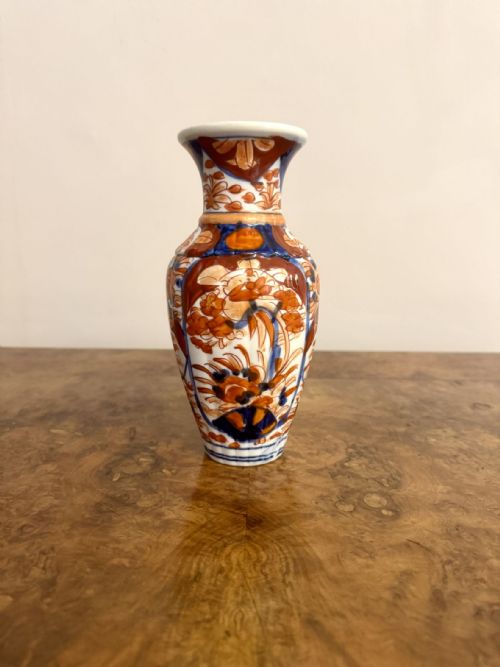


Meiji Imari Pottery
These pieces of meiji imari pottery bring vibrant palettes and intricate patterns straight from nineteenth century Japanese kilns into modern homes.
Meiji Imari Pottery
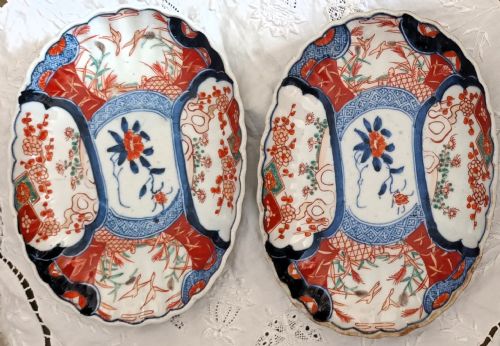
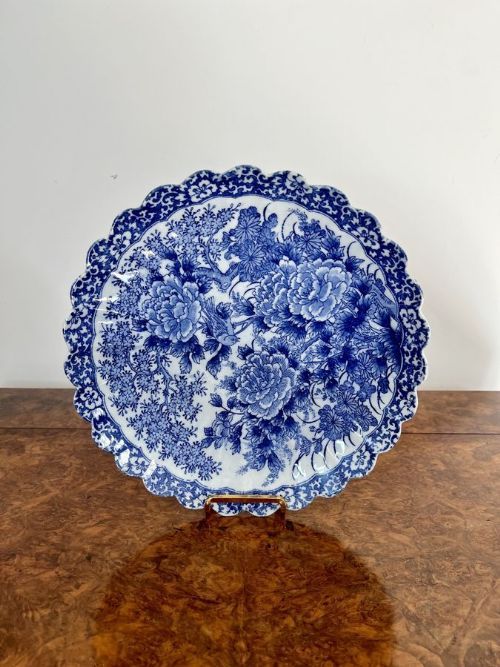
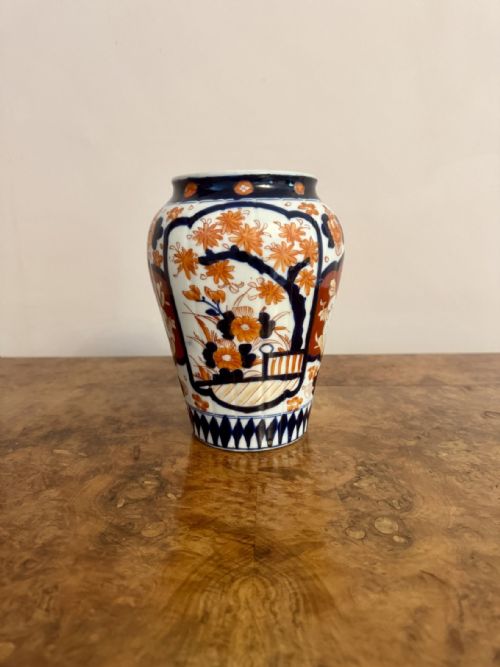
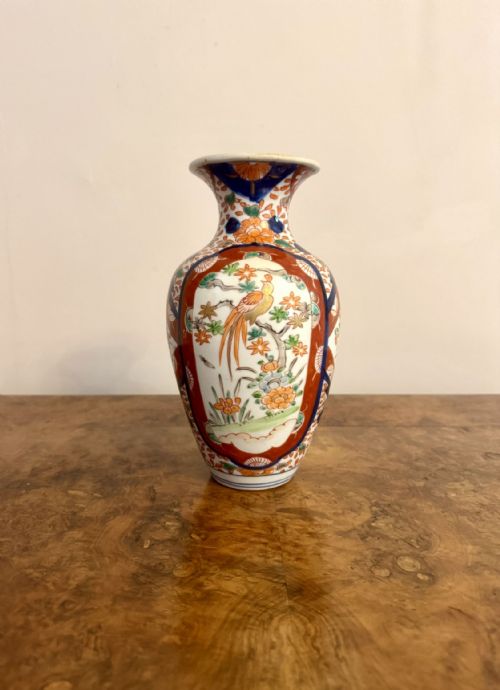
When you search for meiji imari pottery, you encounter a distinct visual tradition spanning the decades of the late nineteenth century. The selection typically comprises decorative vases, plates, chargers, dishes, and bowls produced during the Meiji period.
Most examples you meet on this page date from the turn of the twentieth century back to the eighteen-sixties. Forms range from slender neck vases and floor standing vessels to scalloped edge plates and leaf shaped dishes.
Makers utilised traditional Japanese porcelain bodies as the canvas for complex decorative schemes. The inventory frequently includes pairs of vases alongside individual platters and multi piece collections.
Materials and construction
These items rely on white porcelain fired at high temperatures to achieve a durable ceramic base. Artisans applied cobalt underglaze to establish the foundational blue tones before adding further chromatic elements.
Enamel glazes sit alongside gold leaf and gilt highlights to complete the characteristic rich palette. The combination of cobalt blue and iron red, accented with metallic gold, defines the primary aesthetic of the ware.
Meiji Imari Pottery Retail Price Guide 2026
Typical asking prices for meiji imari pottery among the pieces listed under this phrase on Sellingantiques today, from the lower quarter to the upper quarter. They describe what is for sale here now, not the wider market.
Listings feature porcelain forms spanning from eighteen sixty to nineteen hundred, encompassing plates, bowls, and vases.
Judgement of quality
The distinction between standard items and superior examples rests upon the precision of the brushwork and the complexity of the composition. Denser patterns and finely delineated exotic birds or bamboo motifs indicate greater workshop skill.
Scale also influences the standing of a piece, with large floor standing vases and impressive pairs commanding particular attention. The depth and clarity of the cobalt underglaze and the preservation of the gold leaf determine the overall visual impact.
The Meiji Imari Pottery Glossary
- Imari
- A style of Japanese porcelain originating from the port town of Imari, exported extensively to the West. It is traditionally recognised by its dominant palette of cobalt blue, iron red, and gold.
- Meiji Period
- The era in Japanese history spanning from eighteen sixty eight to nineteen twelve, marked by the opening of trade with the West. Objects from this time often combine traditional techniques with new decorative ambitions.
- Cobalt Underglaze
- A blue pigment applied to the raw porcelain body prior to glazing and firing. This technique ensures the colour remains permanent and protected beneath a clear glass layer.
- Charger
- A large decorative plate intended primarily for display rather than dining use. These pieces often showcase the most elaborate painted scenes in a collection.
Meiji Imari Pottery: Frequently Asked Questions
How do I display a large imari vase?
Large vases and floor standing vessels suit prominent corners or open floor spaces where their height and colour can be fully appreciated.
Keep them away from direct foot traffic to protect the enamel and gilt surfaces from accidental knocks.
Can I use antique imari plates for dining?
These decorative plates and dishes are intended for display and collection rather than daily culinary use.
Hand washing in lukewarm water without harsh detergents is necessary if cleaning becomes required.
How do I recognise Meiji period pieces?
Meiji period ceramics typically date between eighteen sixty eight and nineteen twelve, reflecting the craftsmanship of that specific era.
Look for the characteristic combination of cobalt underglaze and rich enamel palettes seen across these nineteenth century works.
What subjects appear on these ceramics?
Common decorative motifs include exotic birds, bamboo patterns, and intricate floral arrangements rendered in the traditional Imari style.
These designs often cover the entire surface of vases and chargers in dense, layered compositions.