



Meiji Art Metal
These Japanese meiji art metal pieces bring exceptional bronze and enamel craftsmanship to your collection.
Meiji Art Metal
When you search for meiji art metal, you encounter elaborate Japanese decorative items created during the late nineteenth and early twentieth centuries. These works span the Meiji period and stretch into the Edwardian era, capturing a distinct period of artistic output.
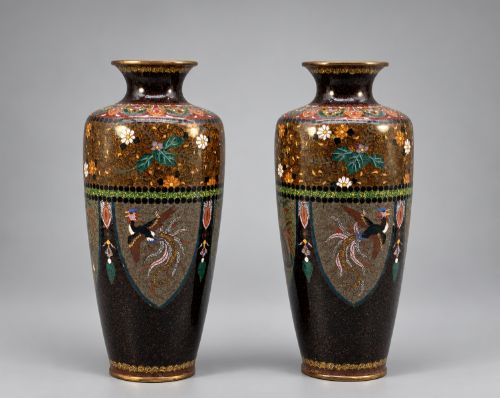
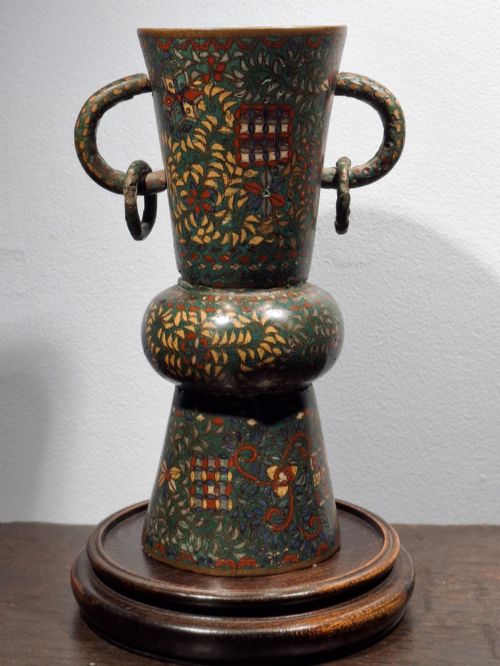
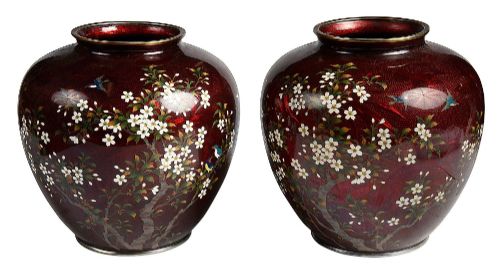
The objects on this page appear primarily as vases, chargers, plates, and sculptures in bronze, copper, and cloisonné enamel. You also meet lidded gourd pots, censers, and plaques that display traditional Japanese motifs like birds, dragons, and phoenixes.
Vessels and decorative plates dominate the selection, often presenting intricate bird and floral imagery alongside samurai and folklore themes. These pieces originate from Japanese workshops that mastered metalworking techniques for both domestic and international markets.
Materials and construction
These items utilise bronze, copper, brass, and mixed metal alloys combined with cloisonné enamel, silver foil, and wood. Artisans shaped molten bronze and copper into substantial vessels and sculptures, frequently incorporating applied metal elements for contrasting textures.
Cloisonné enamel pieces feature delicate wirework soldered to metal bases to form cells, which are subsequently filled with coloured enamel pastes and fired. Mixed metal works deploy various metallic alloys fused together to produce nuanced colour variations across the surface of the object.
Meiji Art Metal Retail Price Guide 2026
Typical asking prices for meiji art metal among the pieces listed under this phrase on Sellingantiques today, from the lower quarter to the upper quarter. They describe what is for sale here now, not the wider market.
The listings on this page span the nineteenth century, nineteen hundred, and the Edwardian era, featuring bronze, enamel, and copper.
Evaluating the standard of execution
The distinction between ordinary and superior pieces rests on the precision of the metalwork and the complexity of the decorative scheme. Finer examples display meticulous wire alignment in cloisonné work and sculptural depth in bronze casting.
Surface finish and the preservation of enamel determine the standing of each object. Pieces with balanced composition, clear signature marks, and intact enamel cells represent the upper tier of this metalwork.
Ando
The Meiji Art Metal Glossary
- Cloisonne Enamel
- A decorative metalwork technique where fine metal wires form cells that hold enamel paste before firing. This method creates detailed pictorial surfaces on vases and plates.
- Totai Shippo
- A variation of cloisonne enamel utilising a porcelain body rather than metal as the underlying base. This technique produces translucent effects.
- Okimono
- A small Japanese standalone sculpture designed for display in a domestic alcove. These figures often depict animals or historical subjects in bronze.
- Censer
- A vessel constructed for burning incense, typically featuring a perforated lid. Bronze examples from this era often incorporate elaborate handles and footed bases.
- Charger
- A large decorative plate intended for display rather than dining use. These items frequently showcase complex bird, dragon, or floral motifs.
Meiji Art Metal: Frequently Asked Questions
What is meiji art metal?
Meiji art metal encompasses decorative metalwork produced in Japan during the Meiji period, spanning bronze vases, mixed metal plaques, and cloisonné enamel vessels.
These pieces reflect traditional Japanese artistry combined with techniques developed for international export during the late nineteenth century.
How were bronze vessels decorated?
Artisans decorated bronze vessels through casting, carving, and the application of mixed metal elements such as silver and copper. This created contrasting tones and tactile surfaces on the metal.
Many pieces also incorporated inlaid enamel work or sculptural motifs depicting animals, foliage, and folklore.
Where should I display these pieces?
These metal and enamel works suit stable surfaces away from direct sunlight, which protects the enamel colours and patinated metal finishes. Vases, plates, and small sculptures work well on mantelpieces, sideboards, or dedicated display cabinets.
Ensure larger chargers use secure stands to support their weight safely during display.
How do I identify meiji period work?
Identification relies on observing the characteristic materials, including bronze, mixed metals, and cloisonné enamel, combined with traditional Japanese motifs like dragons, peonie flowers, and samurai imagery.
Many items also feature signature marks left by the makers or workshops active between eighteen sixty-eight and nineteen twelve.