





Medieval Wood Statue
These medieval wood statue pieces bring sacred history and devotional craft into a room, offering tactile connection to centuries past.
Medieval Wood Statue
A medieval wood statue embodies centuries of religious devotion, most frequently appearing as figures of saints, the Madonna and child, or biblical groups originating from the fourteenth, fifteenth, and sixteenth centuries. These carved representations emerge from Gothic and Renaissance traditions, ranging from altarpiece fragments to free-standing church figures created across Germany, France, the Low Countries, and the Upper Rhine.
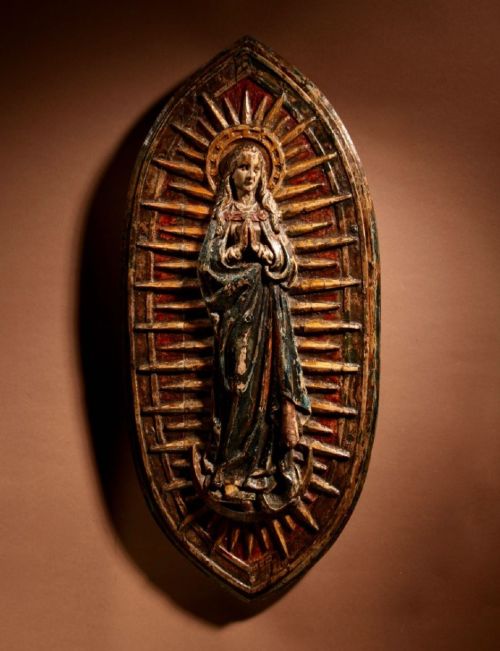
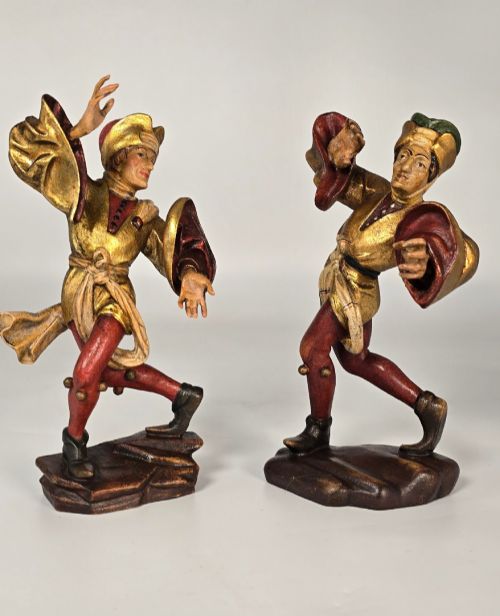
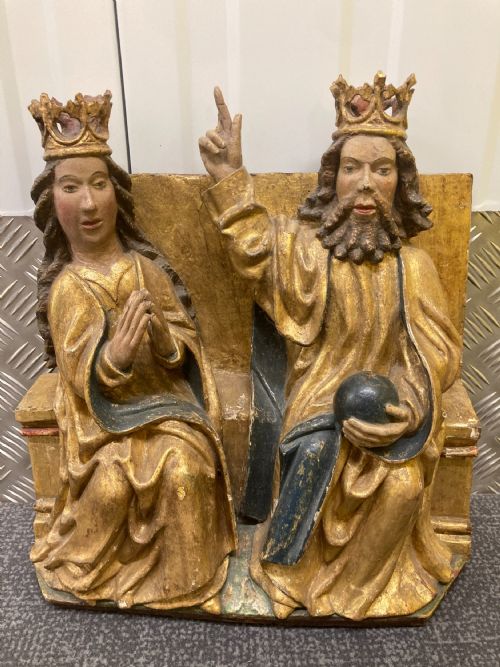
Buyers encountering this selection will most often find oak and limewood sculptures, alongside pieces finished with polychrome paint, gesso, and gold leaf. The forms vary from wall sculptures and individual figures of bishops and saints to paired dancing figures and complex groups depicting scenes such as the Annunciation or the Pieta.
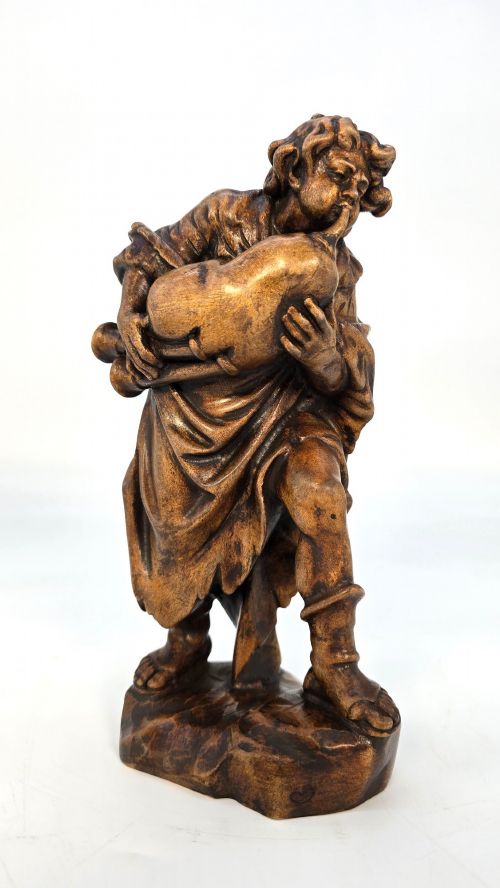
While many pieces date directly to the pre-sixteenth century and the sixteenth century, the selection also includes later nineteenth and twentieth-century interpretations, notably Black Forest carvings executed in limewood. This mix bridges authentic medieval church furniture with later revivals of the Gothic style.
Determining quality in carved wood sculpture
Quality rests in the anatomical command of the carver, visible in the natural fall of textile folds, the expressive depth of hands and faces, and the crispness of surviving detail. Pieces retaining original surface treatments such as polychrome and gilding demonstrate greater historical integrity than those stripped to raw timber.
The sophistication of regional workshops also dictates standing, with works from established centres in Germany, Flanders, and the Low Countries displaying superior compositional confidence. Intact multi-figure groups or central altarpiece panels command attention through their narrative ambition and structural survival.
Medieval Wood Statue Retail Price Guide 2026
Typical asking prices for medieval wood statue among the pieces listed under this phrase on Sellingantiques today, from the lower quarter to the upper quarter. They describe what is for sale here now, not the wider market.
The selection includes regional styles from Germany, France, Switzerland, the Low Countries, and the Upper Rhine.
The Medieval Wood Statue Glossary
- Polychrome
- Decoration consisting of several colours applied to the surface of wood or gesso. This ancient technique brought lifelike vibrancy to sacred sculptures.
- Gesso
- A plaster mixture used as a smooth base applied over wood before gilding or painting. It creates a bright foundation for gold leaf and pigments.
- Gothic
- An architectural and artistic style spanning the twelfth to the sixteenth century. It is defined in sculpture by elongated figures and naturalistic drapery.
- Pieta
- A subject depicting the Virgin Mary supporting the dead body of Christ. This iconic devotional theme appears frequently in early continental carvings.
- Altarpiece
- A structured artwork set above and behind an altar. Central panels often featured carved wood statues of saints and biblical figures.
Medieval Wood Statue: Frequently Asked Questions
How should I display a medieval wood statue at home?
Place the sculpture away from direct sunlight and strong heat sources to prevent the timber from drying and splitting. Stable indoor humidity protects the integrity of both the carved wood and any surviving gesso or paint.
mount wall sculptures securely using appropriate fixings suited to their weight and construction. Freestanding figures sit best on sturdy surfaces where viewers can appreciate the carving from multiple angles.
What is the difference between Gothic and Renaissance carvings?
Gothic carvings typically feature vertical emphasis, stylised facial expressions, and complex, cascading drapery folds. The focus rests on spiritual symbolism rather than strict anatomical accuracy.
Renaissance pieces introduce greater naturalism, balanced proportions, and classical bodily postures. Carvers during this movement captured individual character and physical weight with increased realism.
How do I identify limewood in these sculptures?
Limewood offers a pale, pale-yellow hue with a very fine and uniform grain texture. It lacks the prominent growth rings and open pores characteristic of oak.
Because limewood is relatively soft yet stable, carvers used it for intricate, detailed figures requiring precise undercutting. This wood type appears frequently in nineteenth-century Black Forest and Swiss works.