



Gothic Sacred Art
These pieces of gothic sacred art are centuries-old timber sculptures and devotional panels that bring solemn devotion and historic craftsmanship straight into a room.
Gothic Sacred Art
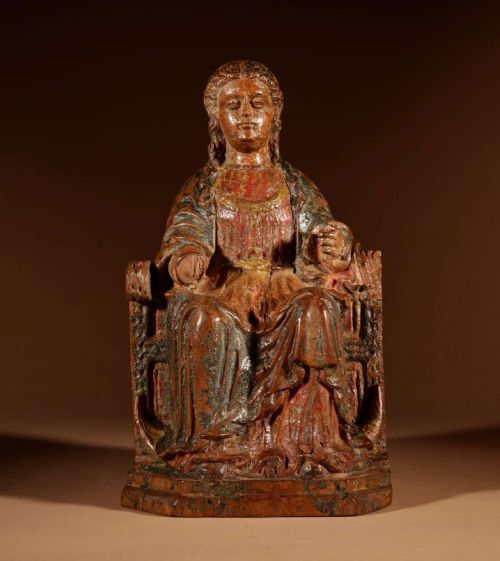
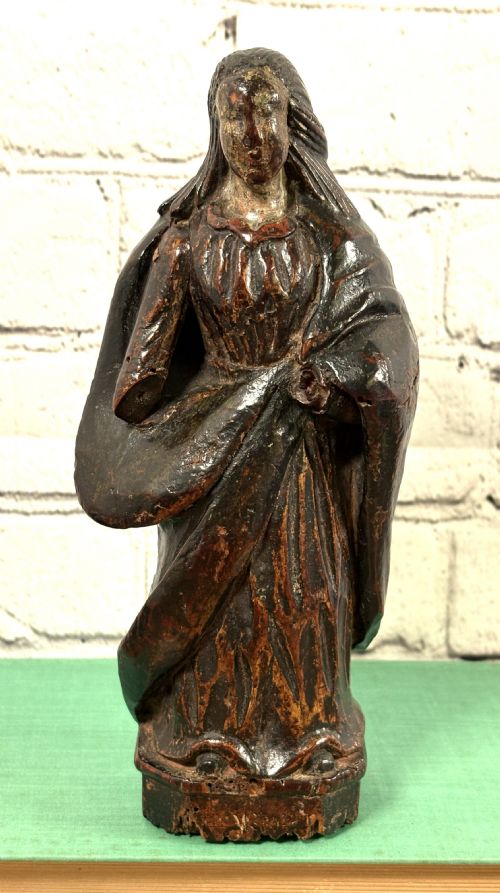
When you search for gothic sacred art, you encounter devotional wooden sculptures and ecclesiastical panels spanning multiple centuries from the pre-sixteenth century onwards. The most frequent examples on this page are carved wooden figures of saints, Madonnas, and biblical figures created in styles ranging from late gothic to baroque.
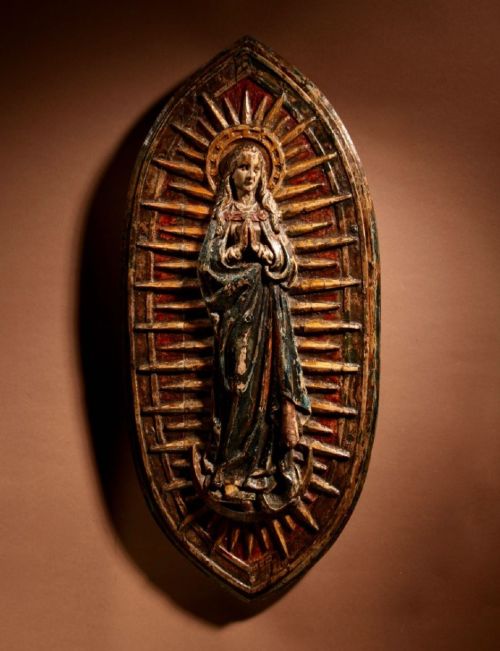
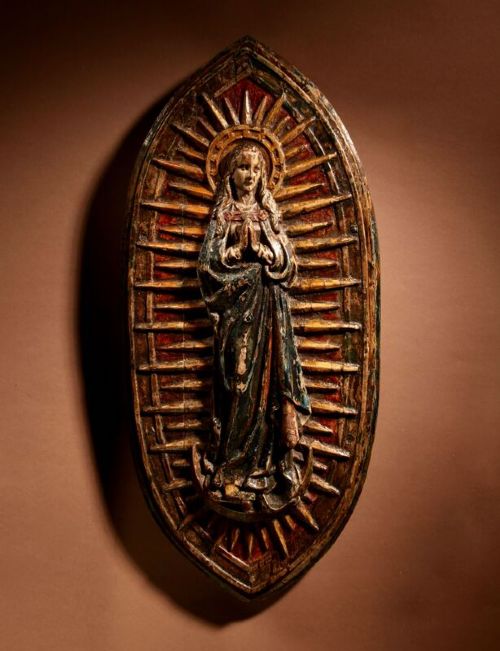
The selection encompasses freestanding devotional statues, altarpiece fragments, wall sculptures, and occasional religious oil paintings. These objects originate from various European traditions, reflecting changing ecclesiastical aesthetics across the sixteenth, seventeenth, eighteenth, and nineteenth centuries.
Materials and construction
The makers of these sacred pieces worked primarily in hardwoods and softwoods such as oak, limewood, and walnut, selecting timbers that responded well to detailed chisel work. Woodcarvers shaped these materials into intricate figures of saints and religious scenes, often finishing the surfaces with gesso.
Many of these figures display traces of original or later polychrome paint and gold leaf, which added colour and divine brilliance to the devotional imagery. Surviving panels and corpus Christi figures demonstrate traditional Continental European joining and carving techniques passed down through workshops.
Gothic Sacred Art Retail Price Guide 2026
Typical asking prices for gothic sacred art among the pieces listed under this phrase on Sellingantiques today, from the lower quarter to the upper quarter. They describe what is for sale here now, not the wider market.
Listings span from pre-sixteenth century church carvings up to nineteenth-century Gothic Revival pieces, executed in oak, limewood, walnut, and pine.
Judging the quality
The distinction between ordinary and exceptional pieces lies in the anatomical precision of the carving, the expressiveness of the faces, and the depth of the drapery folds. Master carvers achieved a fluid, lifelike movement in timber, whereas lesser works remain stiff and formulaic in execution.
The survival of original polychrome surfaces and gold leaf significantly influences the standing of a piece, as does the clarity of the sculptural detail. Pieces that retain their original structural integrity and early surface decoration represent the higher tier of surviving church art.
The Gothic Sacred Art Glossary
- Polychrome
- Decorated in multiple colours, referring here to the painted surface treatments applied to wood sculptures. This technique brought statues of saints and religious figures to life within dim ecclesiastical spaces.
- Gesso
- A plaster-like mixture applied to wood as a smooth base for gilding and painting. It provides a stable ground for gold leaf and polychrome pigments.
- Corpus Christi
- Latin for body of Christ, specifically denoting a sculptural representation of Jesus on the cross. These figures form the central focus of historic crucifixes.
- Altarpiece
- A structured artwork placed behind or above an altar, often featuring carved central panels and subsidiary figures. Surviving fragments frequently circulate as independent wall sculptures.
- Anna Selbdritt
- An iconic Christian subject depicting Saint Anne with the Virgin Mary and the Christ child. This grouping appears in late medieval and Renaissance wood carvings.
Gothic Sacred Art: Frequently Asked Questions
What is gothic sacred art?
Gothic sacred art comprises historic wooden sculptures, altarpiece panels, and religious paintings created for church or private devotion. These items reflect the theological themes and artistic styles of European ecclesiastical history.
Such pieces typically depict figures such as the Virgin Mary, saints, and biblical scenes, serving as tangible links to centuries of religious practice and craftsmanship.
How were these wooden sculptures used?
These sculptures originally served as focal points for prayer and contemplation within churches, chapels, and domestic shrines. Altarpieces and wall panels instructed the faithful and adorned sacred spaces.
Over the centuries, many survived by being removed from ecclesiastical settings or preserved within private collections as historic artefacts of European culture.
How do I live with these pieces?
Living with historic religious carvings involves placing them in stable environments away from direct sunlight and sudden temperature changes. Their wooden and gessoed surfaces require gentle care to preserve their remaining pigments.
Displaying them as standalone sculptures on brackets, shelves, or walls allows their historic forms and aged patinas to become a striking feature in a contemporary room.
How can I tell the periods apart?
Distinguishing between periods involves observing the stylistic shifts in carving technique and facial expression. Pre-sixteenth century and gothic examples often display angular drapery and solemn expressions, while later Renaissance and baroque pieces exhibit greater naturalism and movement.
Materials and surface treatments also offer clues, as earlier works frequently show remnants of early limewood carving traditions and historic polychrome layers.