

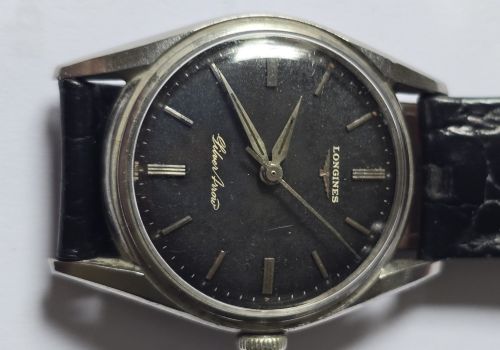
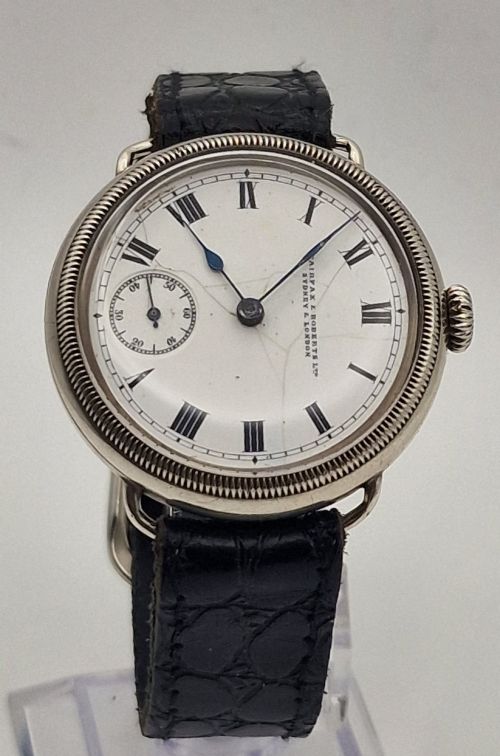
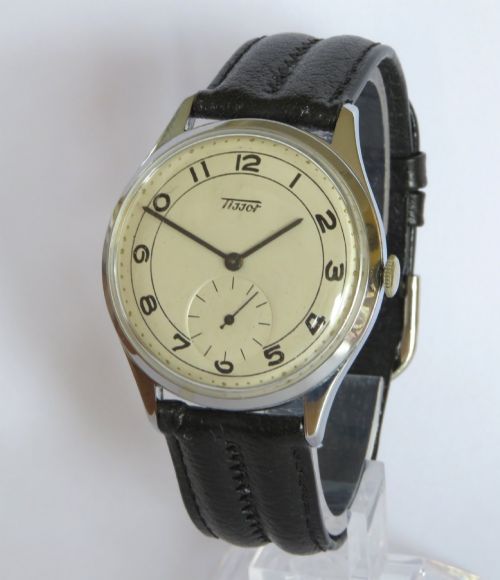
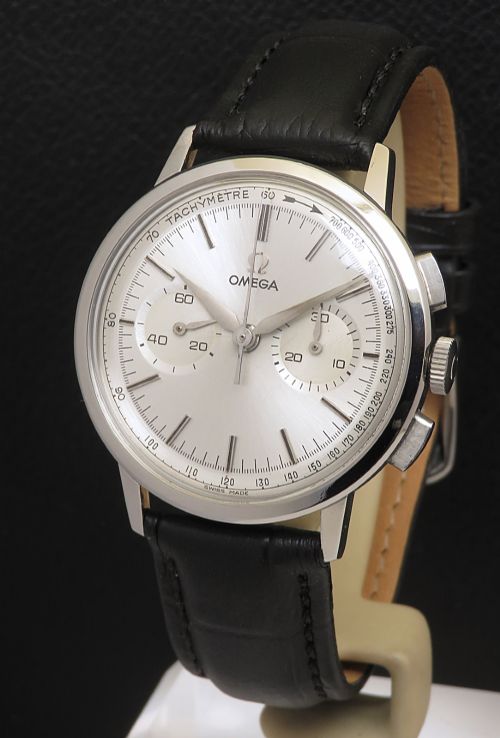
Mechanical Silver Wristwatch
A mechanical silver wristwatch offers tactile engagement and mechanical longevity across decades of daily wear.
Mechanical Silver Wristwatch
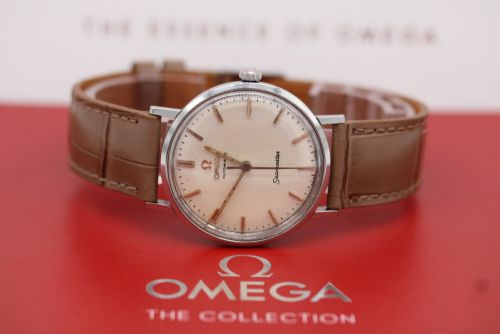
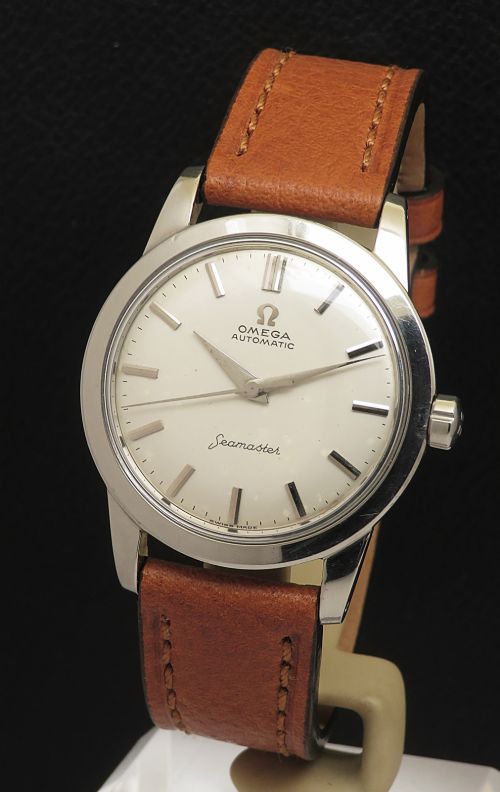
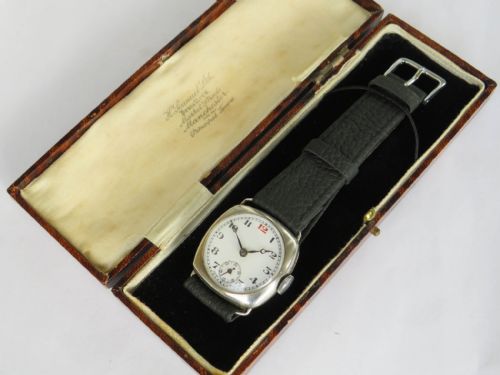
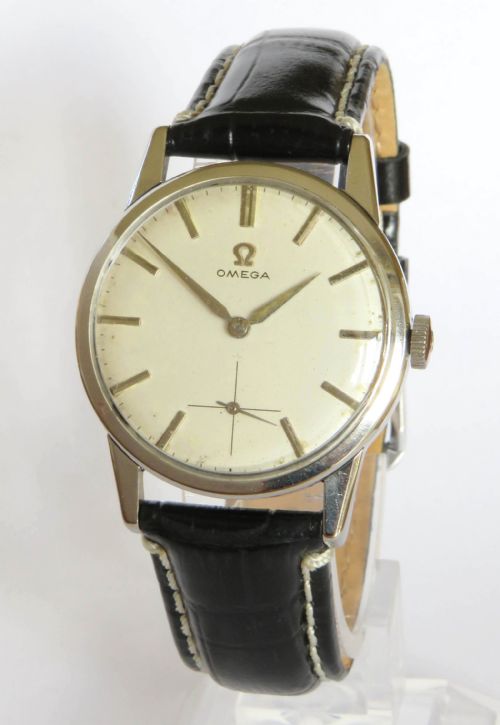
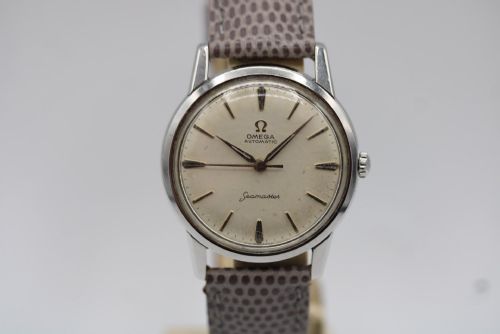
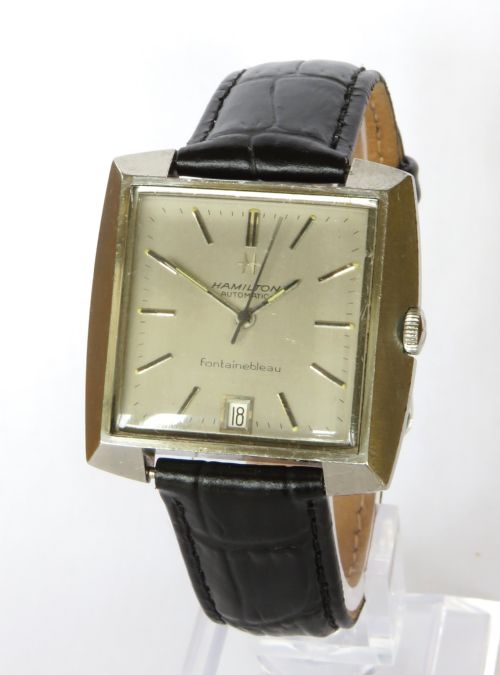
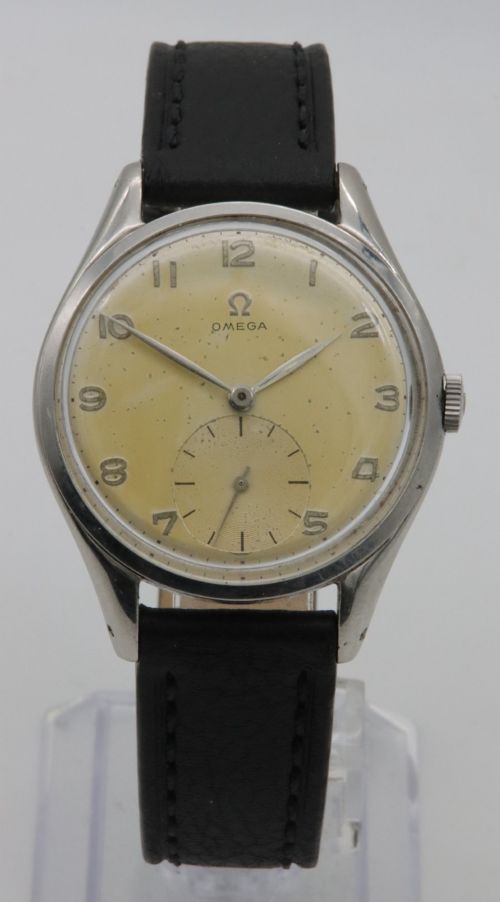
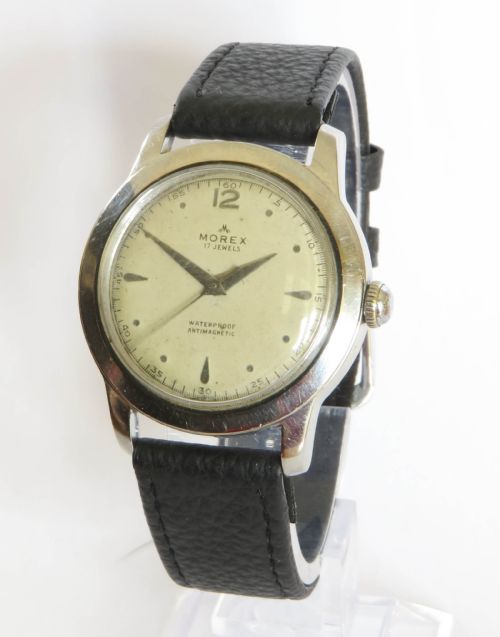
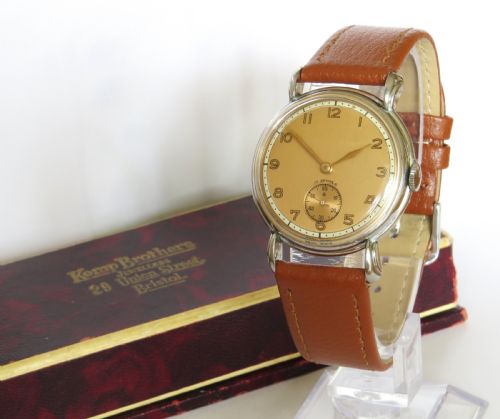
A mechanical silver wristwatch represents a wearable piece of horological history driven by mainsprings and gear trains rather than batteries. When you examine this selection, you encounter pieces spanning from the 1910s military issues to the dynamic designs of the 1970s.
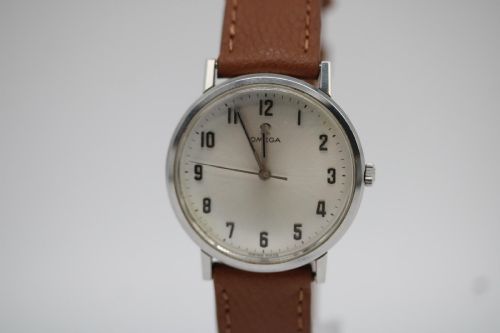
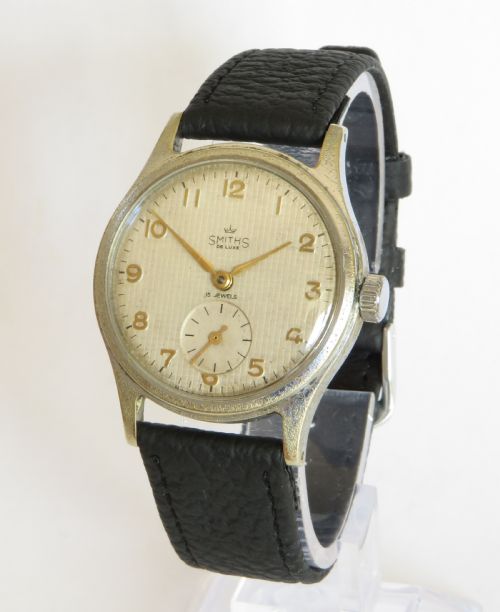
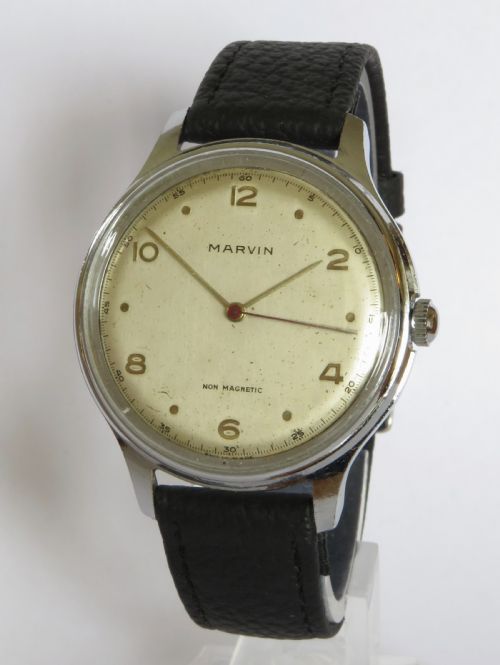
The objects on this page range from military trench watches and aviator chronographs to refined dress pieces from makers like Omega, Longines, and Rolex. These timepieces rely on manual wind movements or automatic winding weights to power their hands across dials protected by glass or acrylic crystals.
You will find various case materials accompanying these movements, including silver, stainless steel, chrome, and occasional 18ct white gold. Leather straps and metal bracelets secure them to the wrist, uniting utility with mid-century and art deco style.
How they were made
Watchmakers constructed these cases using metals like silver, stainless steel, and chrome to house intricate brass gear trains, jewelled bearings, and steel springs. Dials often received enamel finishes or textured patterns, protected by clear glass or acrylic crystals.
Movements were assembled by hand, requiring precise calibration of balance wheels and hairsprings to ensure accurate timekeeping. Leather straps and original metal bracelets completed the construction, pairing durable hides with stamped or milled clasps.
Mechanical Silver Wristwatch Retail Price Guide 2026
Typical asking prices for mechanical silver wristwatch among the pieces listed under this phrase on Sellingantiques today, from the lower quarter to the upper quarter. They describe what is for sale here now, not the wider market.
Listings feature periods spanning from the 1910s through to the 1970s, showcasing materials such as silver, stainless steel, and 18ct white gold.
What varies in quality
Quality in a mechanical silver wristwatch rests upon the sophistication and finish of the internal movement, from basic utility calibres to high-grade chronometer movements. The precision of case finishing and the originality of components such as dials, crowns, and hands also distinguish fine examples.
The integrity of the dial, whether patinated by age or preserved in pristine condition, influences the character of the piece. Furthermore, documented servicing and the presence of original boxes and papers elevate the standing of a watch within its period.
Omega·Longines·Rolex·Eterna·Hamilton·Seiko·Bulova·Zenith·Tudor·Rotary·Smiths
The Mechanical Silver Wristwatch Glossary
- Calibre
- The specific manufacturer's model designation for the internal movement of a watch. This number helps identify the exact mechanism powering the hands.
- Chronograph
- A watch equipped with a stopwatch function alongside its standard timekeeping display. These complications often feature subsidiary dials on the main face.
- Manual wind
- A mechanical movement that requires the wearer to manually turn the crown to wind the mainspring. This contrasts with automatic movements that wind themselves using an internal oscillating weight.
- Acrylic
- A lightweight, shatter-resistant plastic material commonly used for watch crystals during the mid-century period. It can be polished to remove surface scratches.
- Trench watch
- A transitional timepiece bridging pocket watches and wristwatches, developed for military use during the early twentieth century. These typically feature wire lugs soldered to the case.
Mechanical Silver Wristwatch: Frequently Asked Questions
How do I wind a mechanical watch?
You wind a manual watch by gently rotating the crown clockwise between your thumb and forefinger until you feel resistance. Avoid overwinding, as this can damage the internal mainspring.
Automatic watches wind themselves through the natural motion of your wrist during daily wear, though they can also be manually wound if they have run down completely.
Can I wear my vintage watch daily?
Many of these pieces were built for daily use and handle regular wear well, provided they have been recently serviced by a professional watchmaker. Regular maintenance ensures the lubricants inside the movement remain effective.
Older timepieces generally lack modern water resistance, so you should remove them before swimming, bathing, or engaging in heavy manual labour.
What is a trench watch?
A trench watch is an early wristwatch adapted from pocket watch designs for military officers during the First World War. They feature distinctive wire lugs soldered to the case to accommodate leather straps.
These pieces often display luminous painted dials and robust silver or base metal cases designed to withstand harsh field conditions.
How do I know the production decade?
You can often determine the production period by examining the serial numbers on the case back or movement against maker-specific databases. Design cues such as dial typography, hand shapes, and case geometry also provide clear indicators of the era.
Stylistic shifts range from the wire lugs and enamel dials of the 1910s to the bold stainless steel forms and panda dials of the 1960s and 1970s.