
Mechanical Omega Timepiece
A mechanical omega timepiece carries decades of Swiss horological history on the wrist or in the pocket, offering enduring precision and classic styling.
Mechanical Omega Timepiece
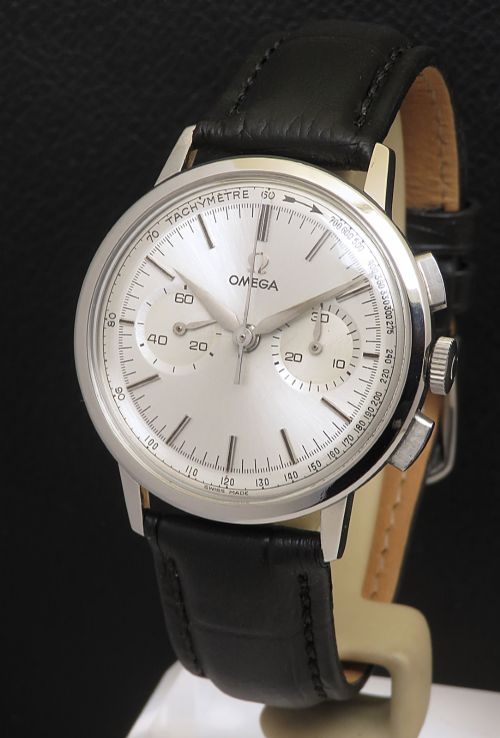
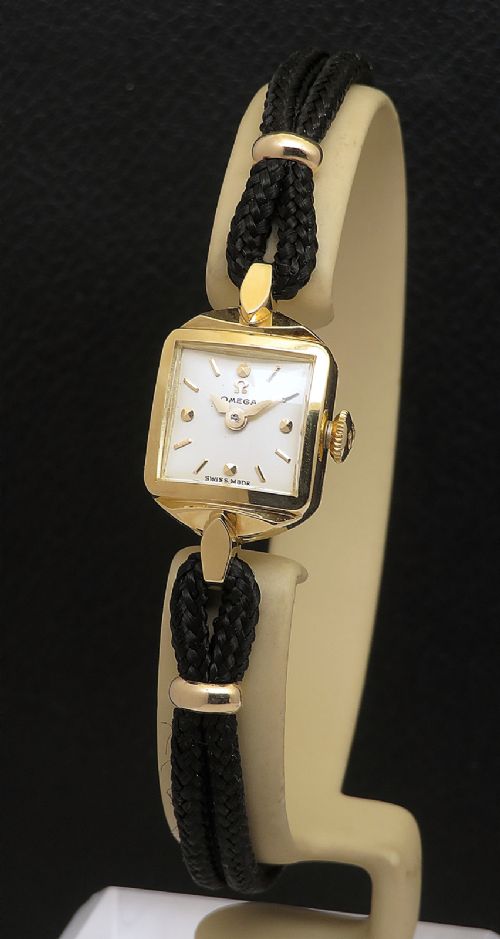
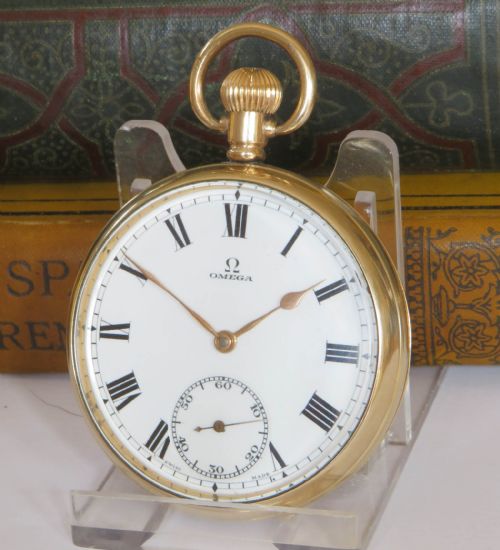
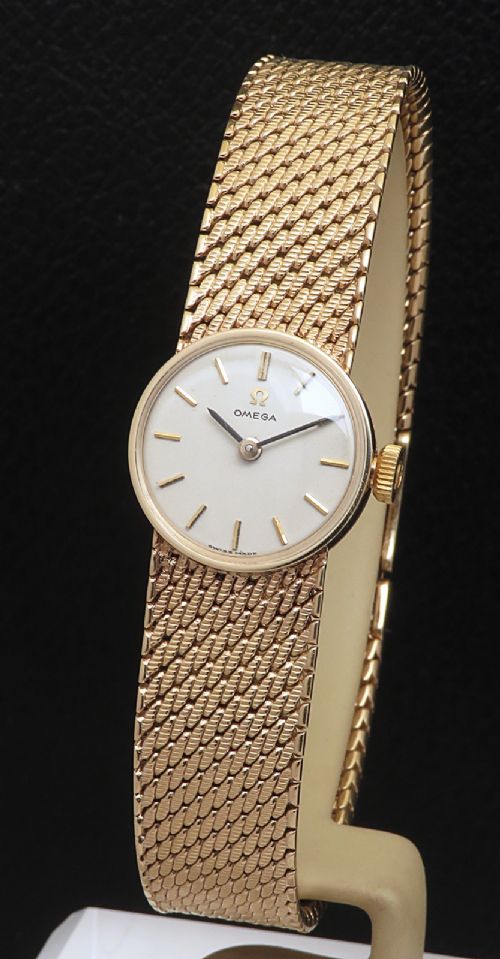
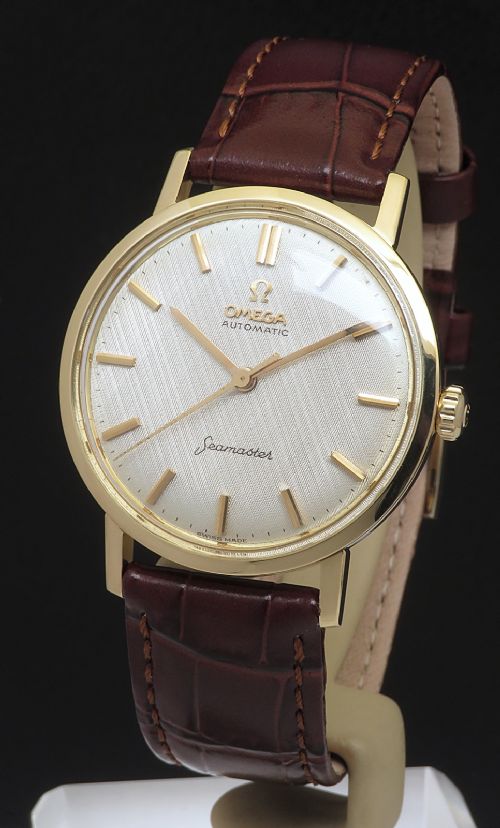
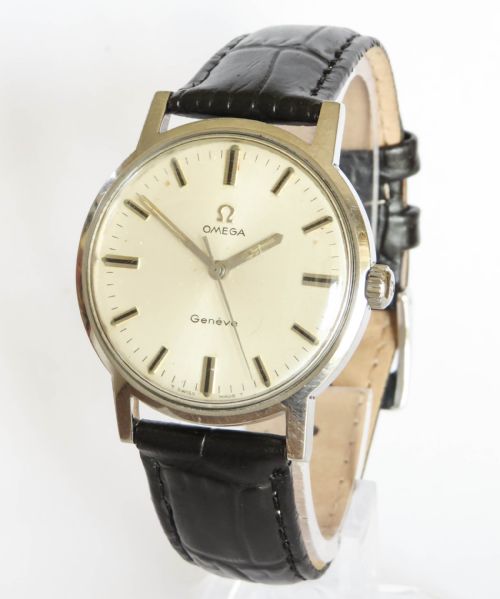
A mechanical omega timepiece encompasses both wristwatches and pocket watches spanning from the early twentieth century through the mid-century modern era. These items range from sturdy stainless steel utility models to delicate cocktail watches fashioned in solid gold or white gold.
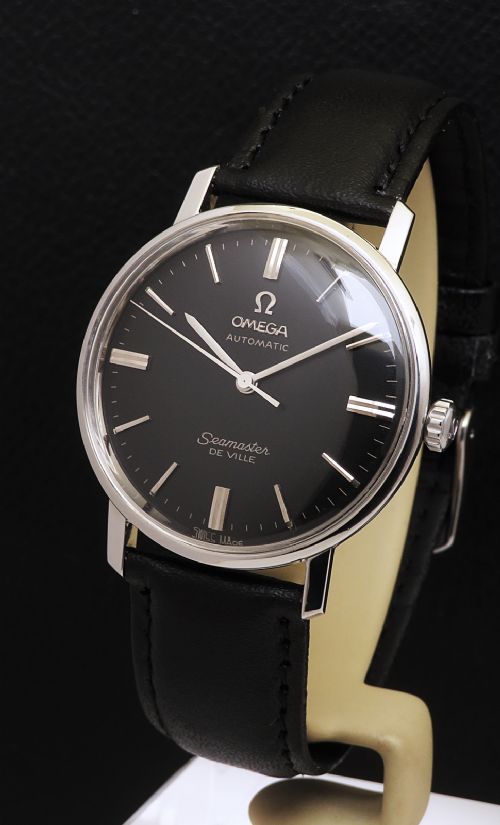
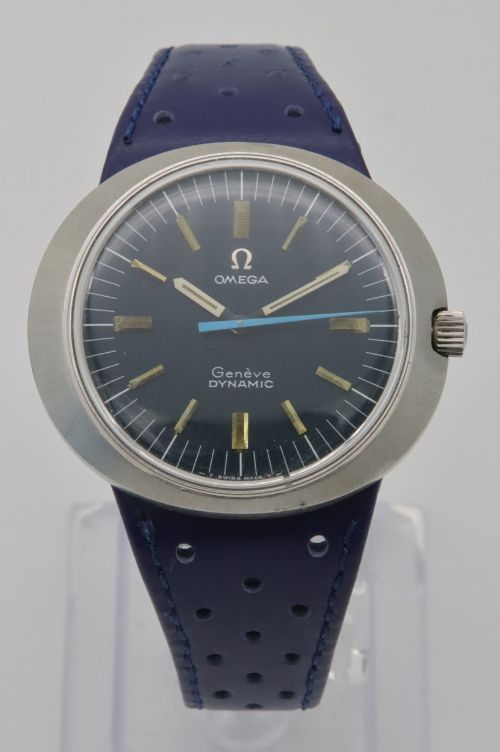
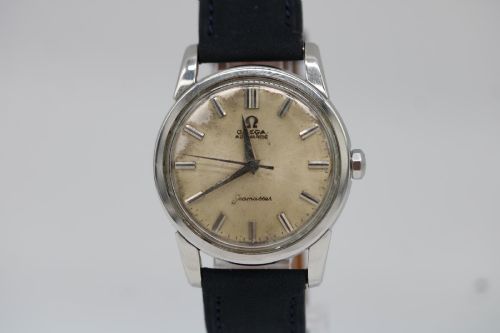
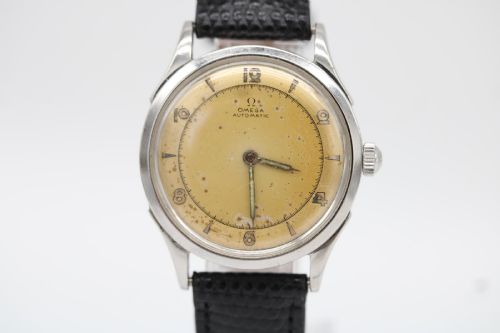
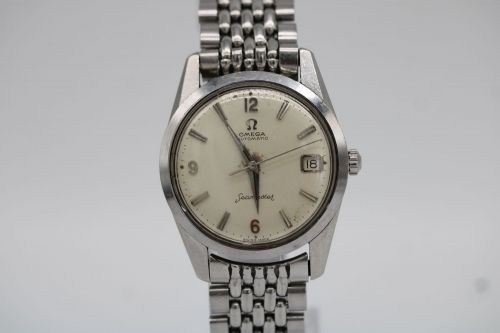
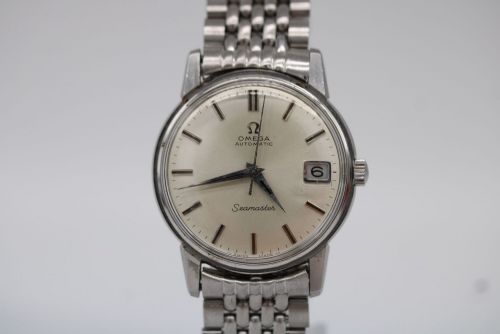
Buyers most frequently encounter mid-century automatic and manual wind wristwatches, particularly iconic lines like the Seamaster and Geneve. Pocket watches and earlier Edwardian or Art Deco pieces also appear, bridging the gap between vintage charm and reliable horology.
Materials and construction methods
Cases utilise a variety of metals, pairing stainless steel and gold plate with solid 9ct gold, 18ct gold, and occasional gun metal or white gold set with diamonds. Dials incorporate glass and acrylic crystals alongside enamel finishes and textured details such as honeycomb or sunburst patterns.
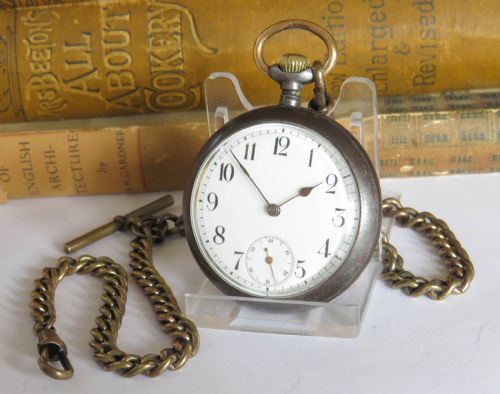
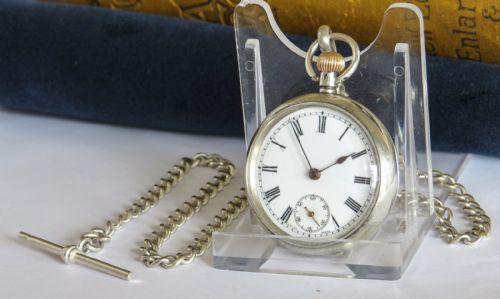
Internal movements rely on intricate mechanical engineering, including manual wind calibres and automatic bumper movements. Leather straps frequently complete the wristwatches, while pocket watches often retain their original chains.
Factors determining quality
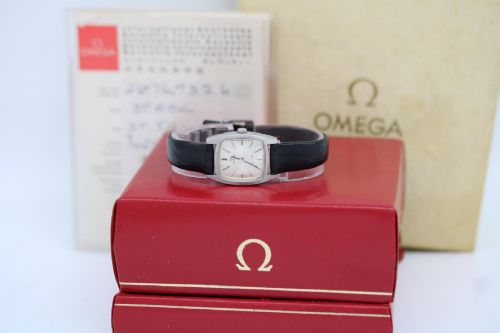
The distinction between average examples and top-tier pieces rests on originality, case metal density, and the presence of original packaging or paperwork. Solid precious metal cases and untouched dials command greater interest among serious collectors.
Mechanical condition and historical integrity equally influence worth, as fully restored movements or entirely original factory specifications elevate a piece far above standard iterations.
The Mechanical Omega Timepiece Glossary
- Calibre
- The specific internal mechanism or movement model designation created by the manufacturer. This number identifies the exact technical layout of the watch.
- Bumper automatic
- An early self-winding mechanical movement where the rotor swings back and forth within a limited arc rather than making a full rotation. The wearer feels a gentle tap against the springs as the weight moves.
- Manual wind
- A timepiece requiring the daily rotation of the crown by hand to tension the mainspring. This traditional mechanism dispenses with any internal rotor.
- Cocktail watch
- A small, decorative ladies watch designed primarily for evening wear, frequently incorporating precious metals and gemstones. These items double as items of fine jewellery.
- Chronograph
- A watch equipped with a built-in stopwatch function alongside the standard time-displaying hands. Independent pushers control the start, stop, and reset actions.
Mechanical Omega Timepiece: Frequently Asked Questions
What is an automatic movement?
An automatic movement winds itself using the natural motion of the wearer's arm throughout the day. An internal weighted rotor turns with every movement to tension the mainspring.
This technology removes the need for daily manual winding while keeping the mechanical charm intact.
How do I wind a manual watch?
Gently rotate the crown clockwise between your thumb and forefinger until you feel firm resistance. Stop winding the moment you feel that resistance to avoid damaging the internal spring.
Most manual pieces require this action once every twenty-four hours to maintain accurate timekeeping.
What does jumbo case mean?
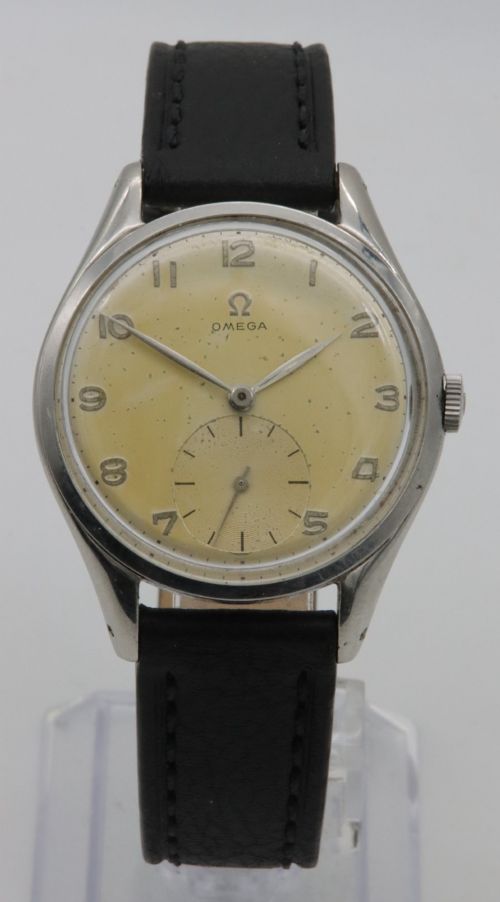
The term jumbo refers to a watch case that measures noticeably larger than the standard sizes typical of its manufacturing era. These larger diameters often suit modern preferences while retaining vintage aesthetics.
Such proportions were particularly popular in mid-century designs.
Are pocket watches still usable?
Pocket watches remain fully functional timekeepers when properly serviced and cared for. They attach securely to a waistcoat or belt loop via a compatible chain.
Many collectors wear them for formal occasions or integrate them into daily vintage attire.