






Mechanical Full Hunter Watch
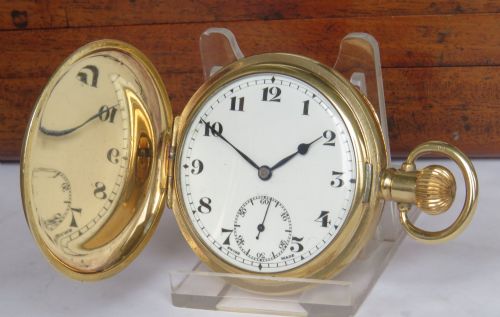
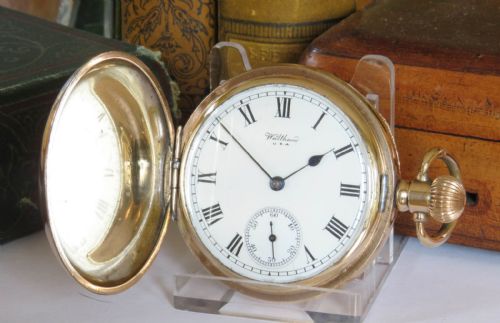
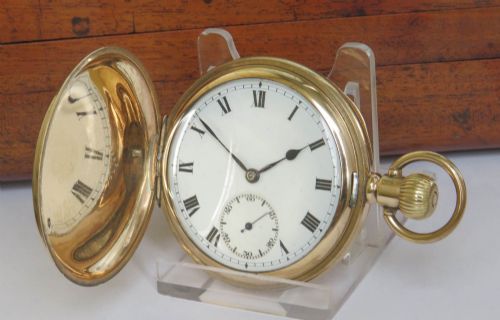
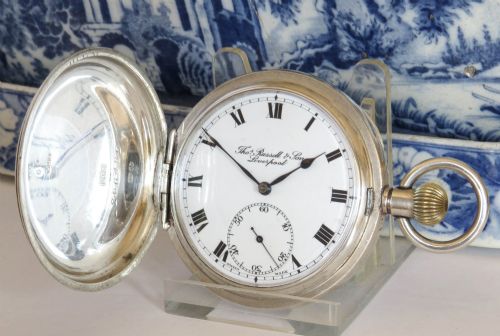
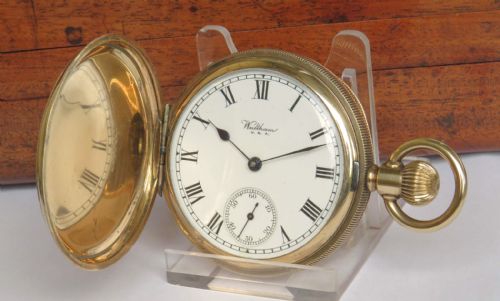
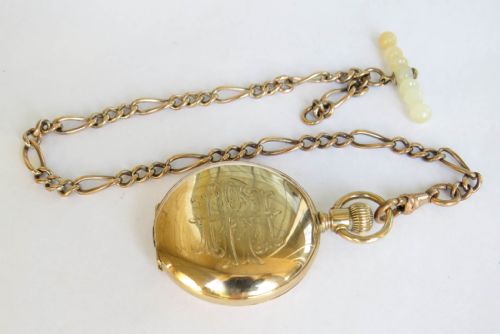
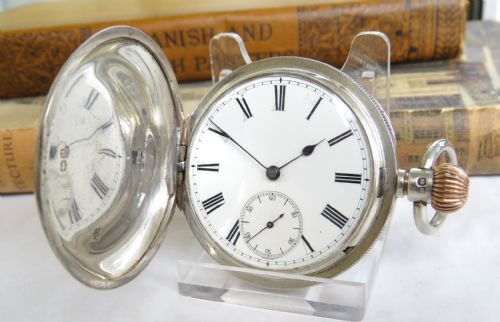
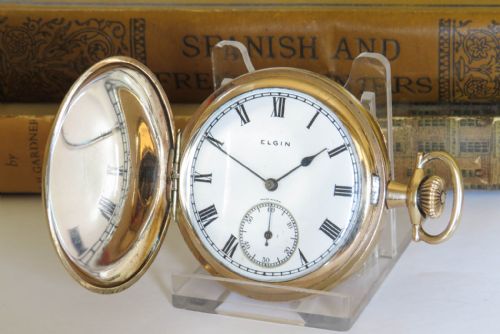
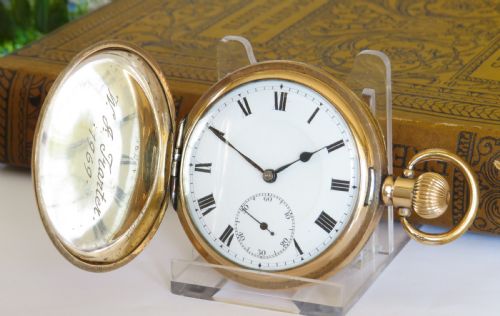
A mechanical full hunter watch is a traditional pocket timepiece with a protective metal cover that springs open at the push of a crown.
Mechanical Full Hunter Watch
A mechanical full hunter watch secures its dial behind a hinged metal lid, distinguishing it from open-face designs. These pieces span from the Victorian and Edwardian eras into the Art Deco period of the 1930s.
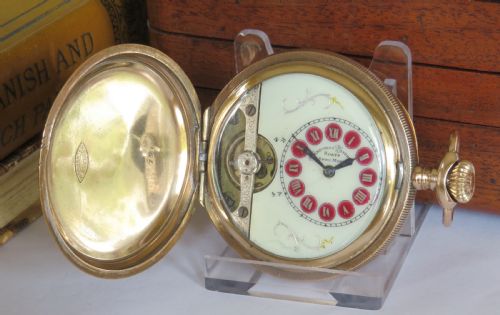
Buyers encounter standard button-wind pocket watches alongside specialised forms such as fusee movements, repeater complications, and bravery awards. Cases range from solid 18-karat gold and silver to gold plate.
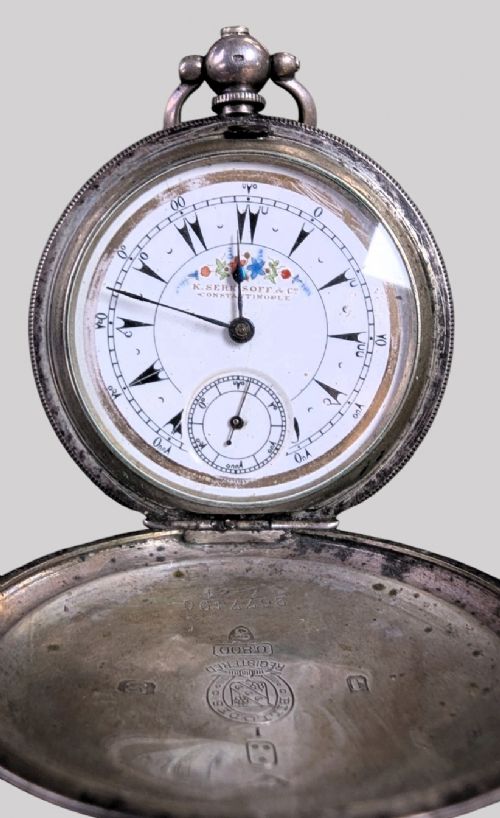
Origin points include British makers, Swiss workshops, and American manufacturers like Waltham and Elgin. Pieces created for specific export markets, such as the Victorian Ottoman and Turkish variants, also appear.
Materials and construction methods
Internal mechanisms rely on traditional mechanical engineering, incorporating lever escapements, button wind systems, and complex fusee gear trains. Skilled watchmakers housed these delicate movements within heavy hinged metal cases designed to withstand daily carry.
Mechanical Full Hunter Watch Retail Price Guide 2026
Typical asking prices for mechanical full hunter watch among the pieces listed under this phrase on Sellingantiques today, from the lower quarter to the upper quarter. They describe what is for sale here now, not the wider market.
Listings feature mechanical full hunter watches spanning from the nineteenth century through the 1930s Art Deco era, utilising gold, silver, and enamel.
Distinctions in craftsmanship
Quality rests in the complexity of the movement and the integrity of the case metal. Simpler button-wind pocket watches differ significantly from sophisticated repeating mechanisms and fusee calibres.
Maker reputation heavily influences standing, with established names commanding attention for precision finishing. The weight of the gold or silver and the preservation of the enamel dial further dictate the tier of the piece.
R Stewart Glasgow·Waltham·Elgin·Longines·Urania·Limit·Hebdomas Patent·Lonville·Corgémont·J Lyndsey·J Dauer Geneve
The Mechanical Full Hunter Watch Glossary
- Full hunter
- A pocket watch featuring a spring-loaded metal cover that encloses and protects the dial. The lid opens via a button integrated into the winding crown.
- Fusee
- A conical pulley device used in older mechanical watches to maintain even tension on the gear train as the mainspring unwinds. This mechanism improves timekeeping consistency throughout the power reserve.
- Repeater
- A complicated watch mechanism that chimes the hours and minutes on demand when a slide or pendant is activated. These pieces represent advanced watchmaking skill.
- Silver
- A precious metal frequently utilised for Victorian and early twentieth-century pocket watch cases, often bearing Birmingham or London hallmarks.
- Button wind
- A winding system where the mainspring is tensioned via the crown at the top of the case rather than by a separate key.
Mechanical Full Hunter Watch: Frequently Asked Questions
How does a full hunter watch work?
A mechanical full hunter watch operates via a hand-wound spring mechanism that drives a series of gears and an escapement. Pressing the crown releases the spring-loaded metal lid to reveal the dial.
Inside, the balance wheel oscillates steadily to divide time into precise seconds and minutes. Users manually wind the mainspring through the crown to maintain power.
How do I date a mechanical pocket watch?
Dating relies on identifying hallmarks stamped into the metal case, serial numbers on the movement, and stylistic cues of the dial and hands. British silver and gold cases usually carry assay office marks and date letters.
American manufacturers like Waltham and Elgin kept meticulous production ledgers matching movement serial numbers to specific years. Consulting these manufacturer records provides accurate manufacture dates.
Can I wear a pocket watch daily?
Daily wear is entirely practical provided the mechanical movement receives regular servicing from a professional horologist. The sturdy metal case of a full hunter protects the delicate glass crystal during routine movement.
Care must be taken to wind the watch gently at consistent intervals and avoid exposure to moisture or magnetic fields. Carrying the piece in a dedicated waistcoat pocket with a proper chain prevents accidental drops.