
Mechanical Fob Watch
A mechanical fob watch is a portable timepiece driven by springs and gears, worn in the pocket or attached to an albert chain for reliable daily utility.
Mechanical Fob Watch
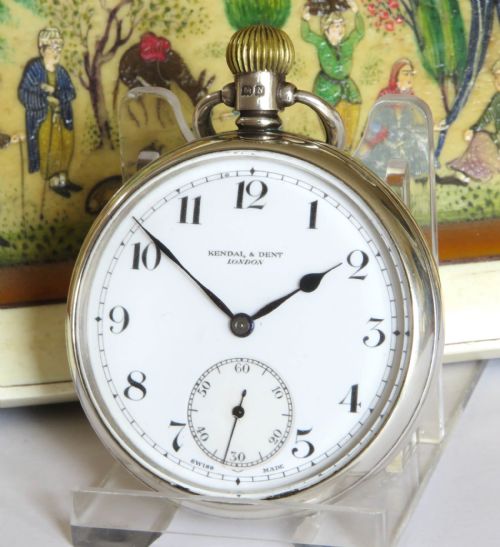
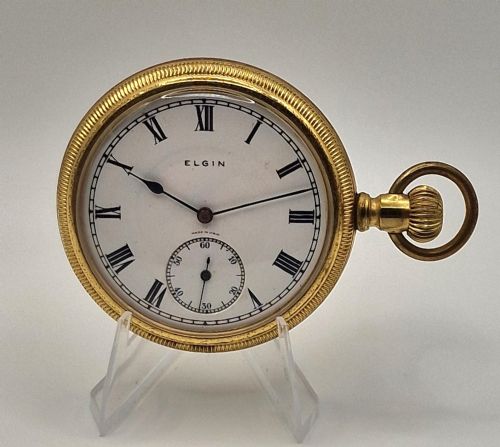
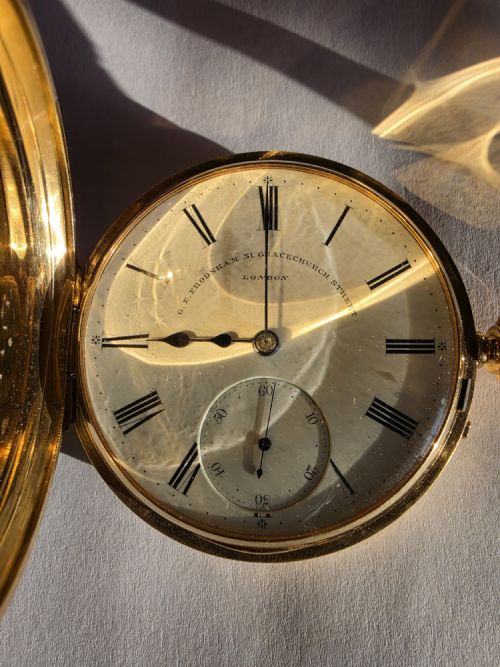
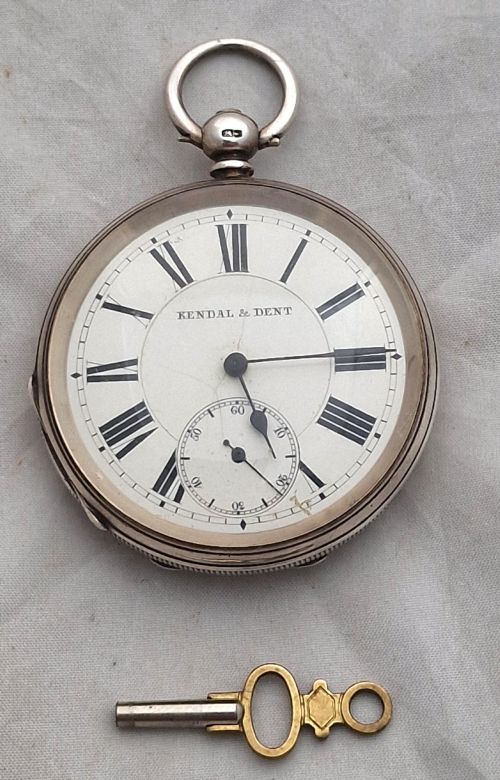
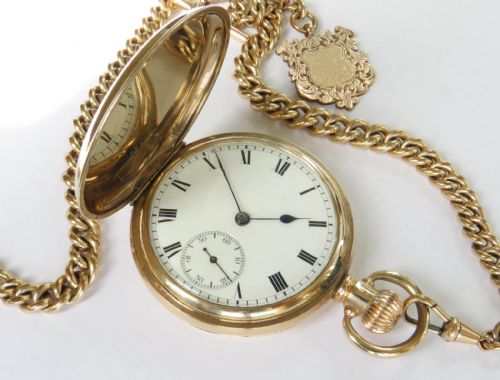
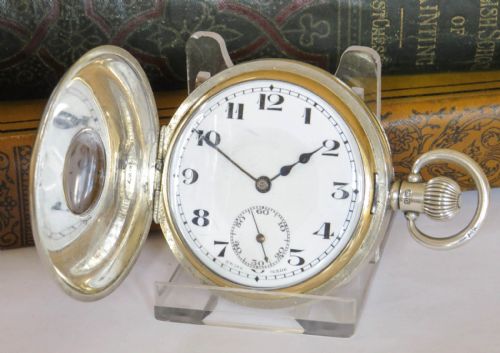
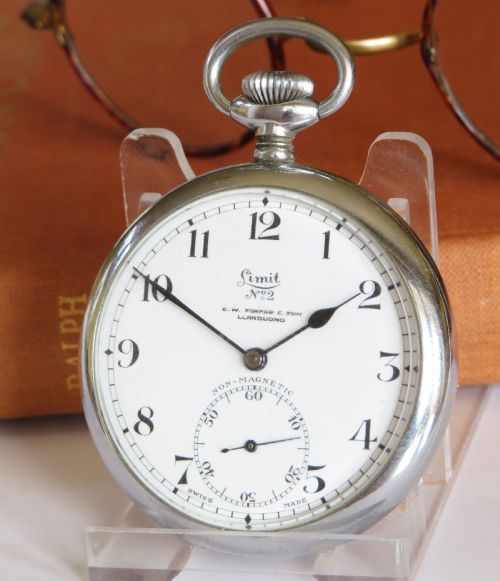
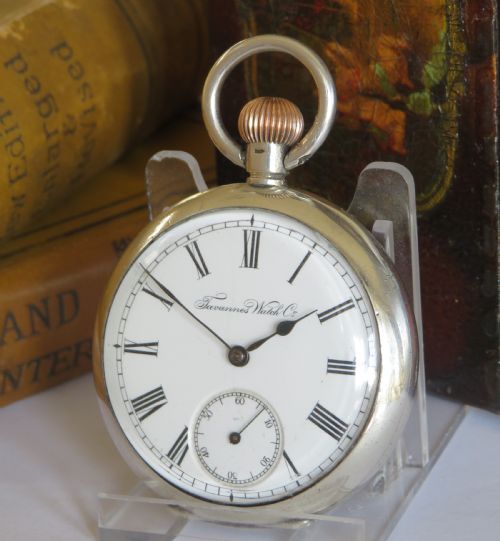
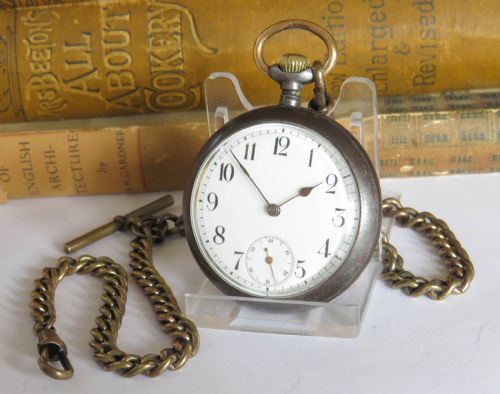
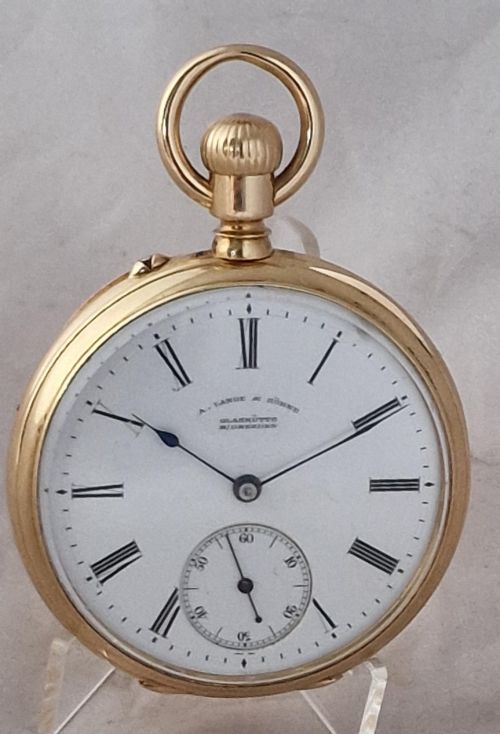
A mechanical fob watch brings together pocket watches, jewellery and pocket watch forms spanning the Victorian era through the 1930s. The most common versions on this page are silver and gold pocket pieces from the Edwardian period, the 1920s and the 1930s.
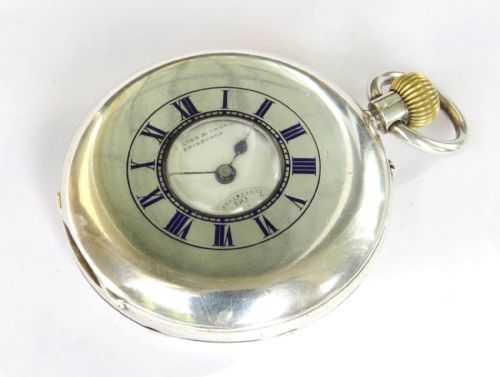
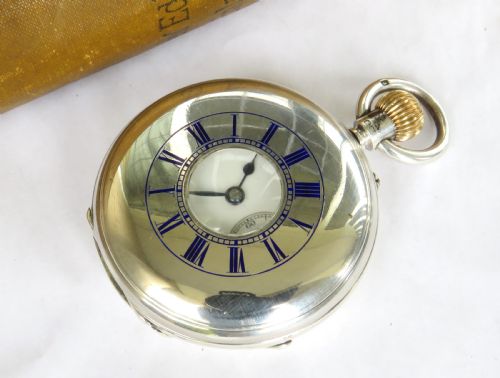
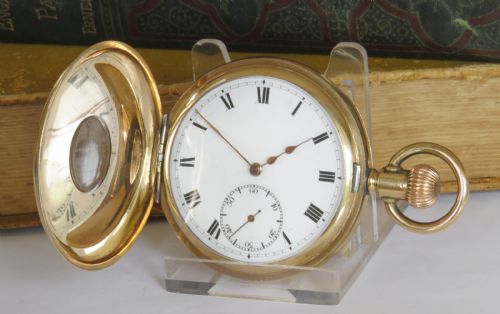
Makers and retailers range from standard English watchmakers to Swiss houses and celebratory presentation pieces inscribed for bravery or societies. These designs include full hunter and half hunter cases alongside open face pieces.
The selection reflects both everyday railway timekeepers and fine gold presentation instruments. Each mechanical fob watch carries the mechanics and hallmarks of its specific decade.
How they were made
Casework relies on silver, gold, gold plate, brass, steel and base metal, often paired with enamel dials and protective glass crystals. Silversmiths and watch case makers stamped these metals with assay office marks and dates.
Movement construction involves intricate brass and steel gear trains regulated by balance wheels and mainsprings. Many utilise patented 8-day movements or lever escapements to maintain steady accuracy.
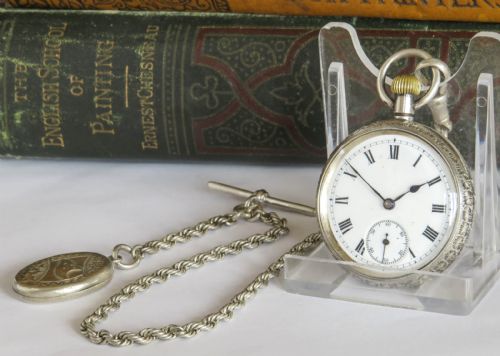
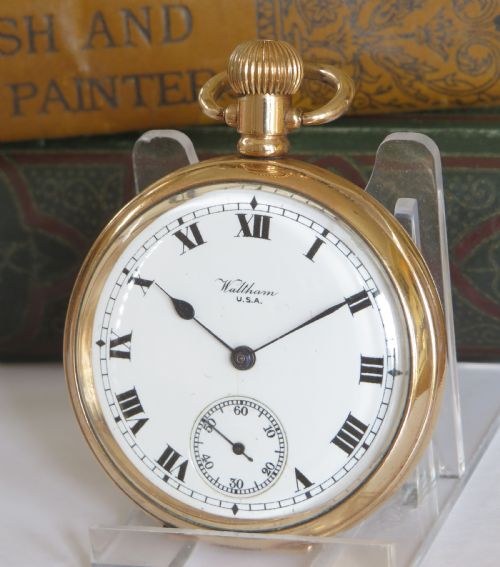
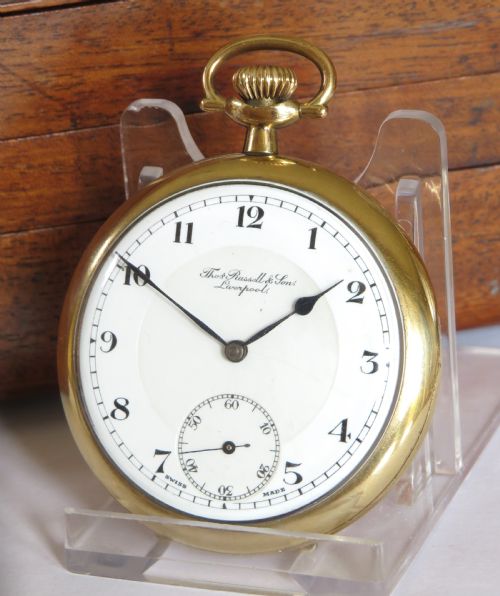
Dials combine white enamel faces with painted numerals and delicate metal hands. Outer cases frequently feature engine-turned engraving or smooth polished shields intended for monograms.
What varies in quality
Quality rests in the refinement of the movement and the integrity of the metal case. High tier examples employ jewelled lever movements by notable makers, whereas simpler pieces use standard cylinder or generic Swiss calibres.
Condition of the enamel dial and crispness of the exterior hallmarks dictate desirability. Pieces retaining original matched chains, crisp case engraving and unblemished glass display superior preservation.
Hamilton & Inches·George Edward Frodsham·Kendal & Dent·Hinds London·Waltham·Thomas Russell & Son·Limit Revue·Tavannes·Lange & Sohne·Elgin·Omega·Stauffer·Zenith·Hebdomas·Elkington
The Mechanical Fob Watch Glossary
- Full hunter
- A pocket watch with a spring-loaded metal cover that protects the glass dial. This lid springs open via a button in the crown.
- Half hunter
- A pocket watch featuring a case lid with a glass-centred aperture or outer ring of numerals. This allows the wearer to check the time without opening the front cover.
- Albert chain
- A short length of chain attached to a pocket watch and secured to a waistcoat or belt buttonhole. It is named after Prince Albert.
- Lever escapement
- A mechanical linkage that transmits impulse to the balance wheel and controls the unwinding of the mainspring. It is the standard escapement for accurate portable timekeeping.
- Assay mark
- A stamp or series of stamps applied to precious metals indicating purity, origin and year of testing. British silver and gold pieces carry these official hallmarks.
Mechanical Fob Watch: Frequently Asked Questions
How do I wind a mechanical fob watch?
Wind the crown at the top of the watch gently clockwise until you feel resistance. Stop immediately to avoid over-winding and straining the mainspring.
Most vintage pocket watches require daily winding to maintain accurate timekeeping throughout the twenty-four hour cycle.
How do I wear a fob watch with a chain?
Secure one end of the albert chain through a central waistcoat buttonhole or jacket lapel buttonhole. Slip the watch itself into the matching pocket.
Spare drops or bars on the chain often secure decorative charms, seals or pocket knives.
How can I date my mechanical fob watch?
Examine the interior case back for hallmarks, maker stamps and serial numbers. British silver and gold cases often feature letter punches that correspond to specific assay office date cycles.
Movement serial numbers can also be cross-referenced against historical factory production records.