
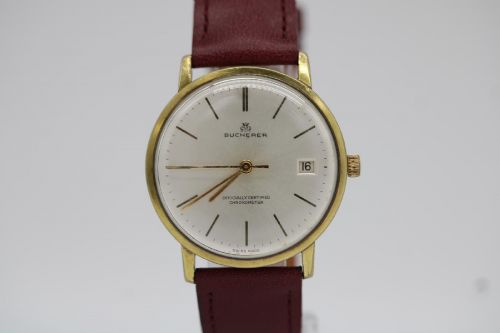
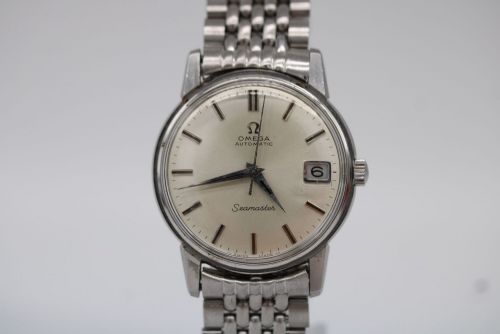
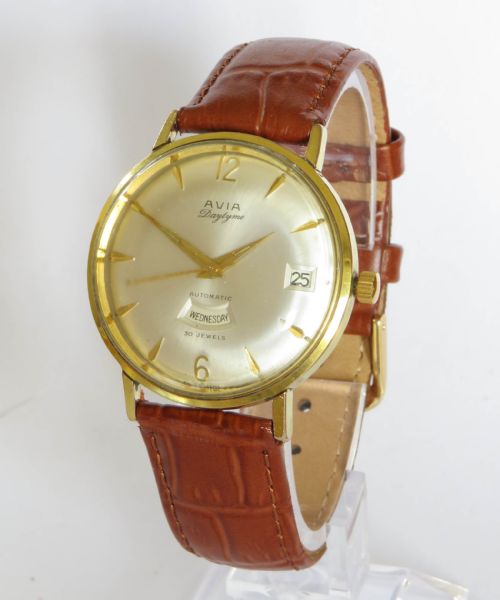
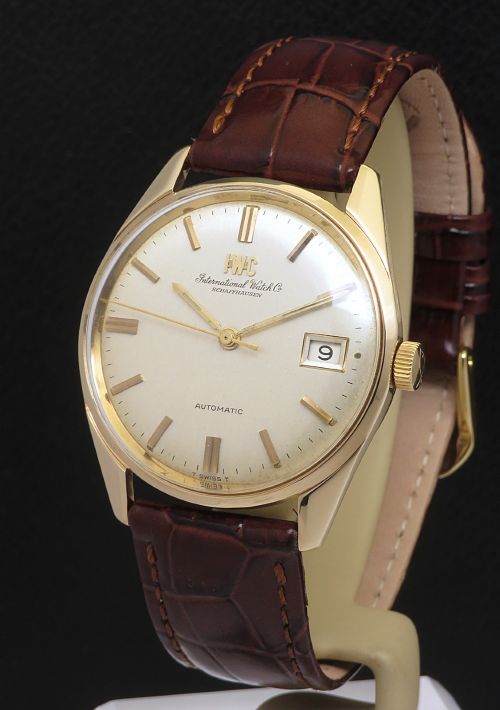
Mechanical Automatic Wristwatch
A mechanical automatic wristwatch winds itself from the movement of the wrist, offering a reliable piece of mid-century horology.
Mechanical Automatic Wristwatch
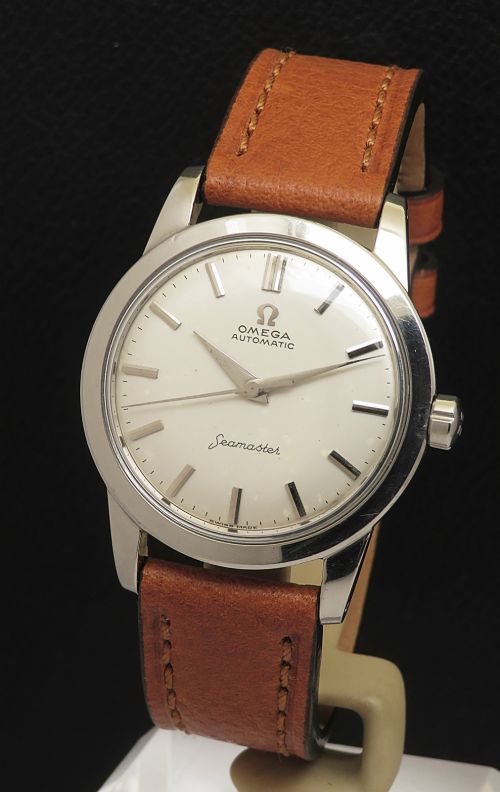
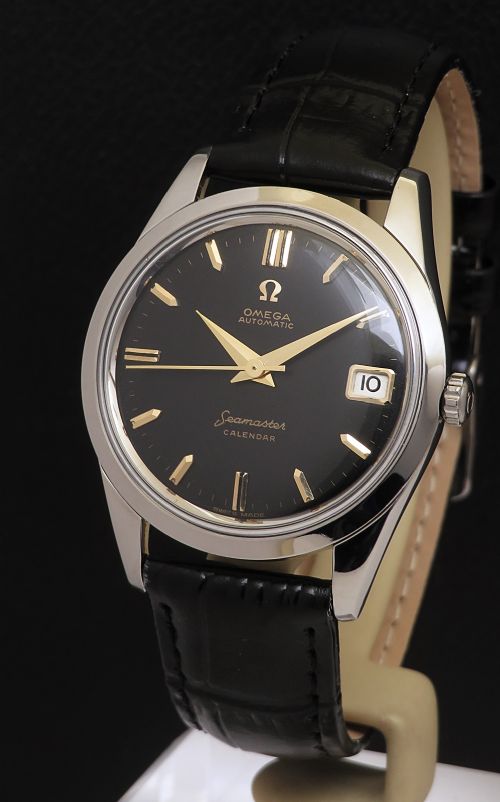
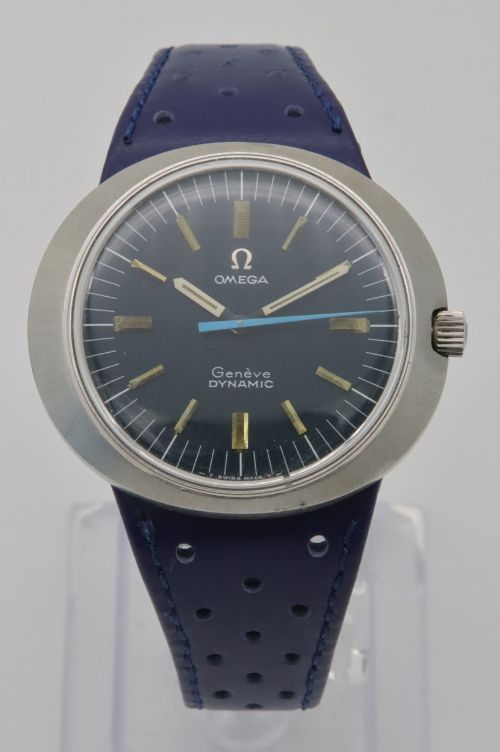
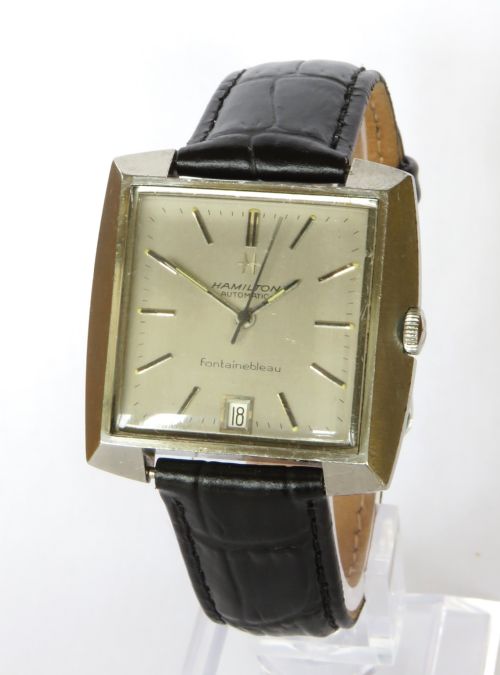
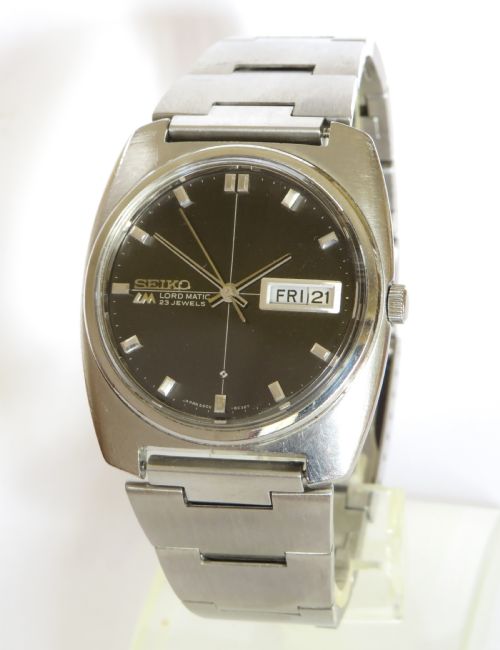
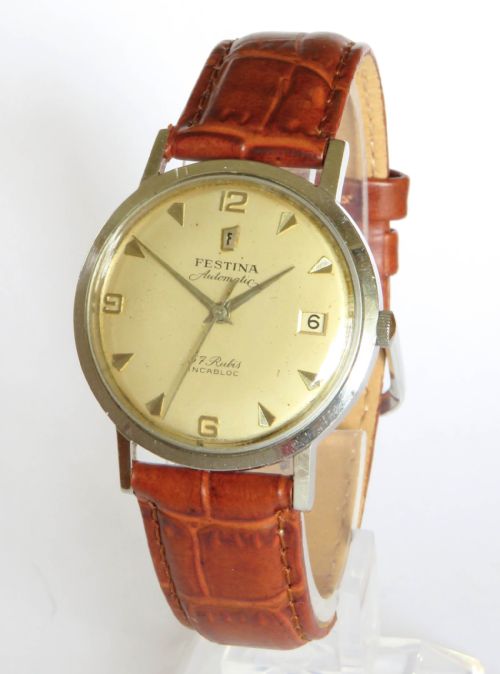
A mechanical automatic wristwatch harnesses the natural motion of the wearer to tension the mainspring, removing the need for manual winding. These gents' wristwatches span the decades from the 1940s through to the 1970s, with pieces from the 1950s and 1960s dominating the selection.
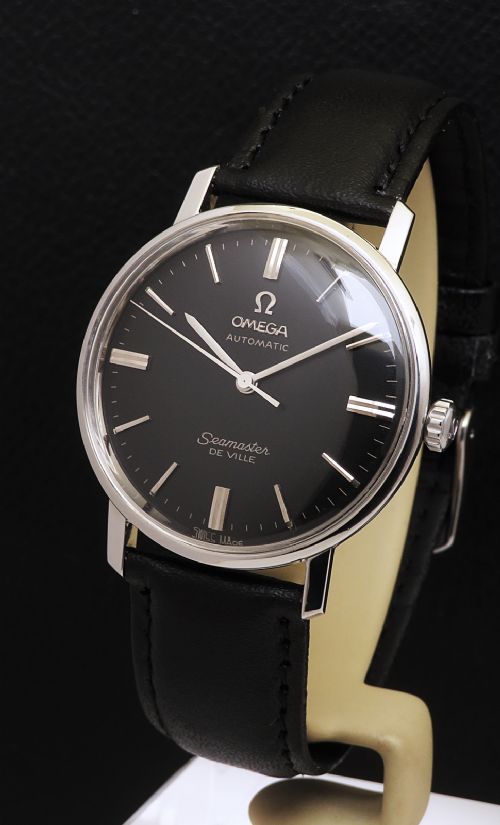
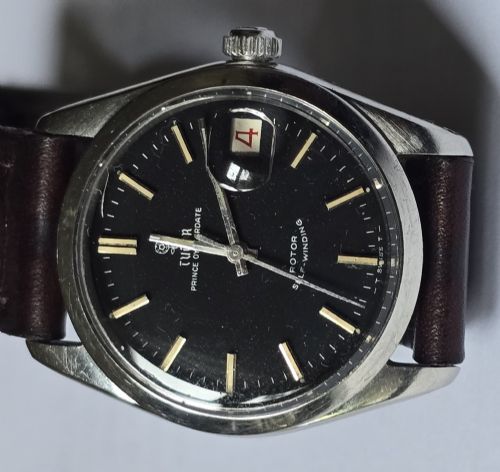
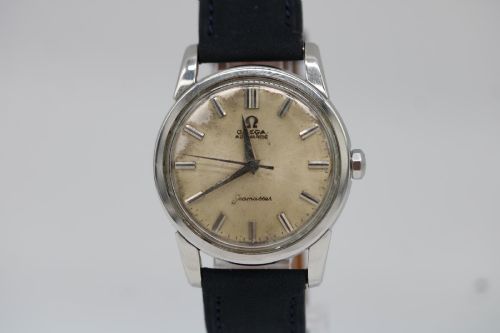
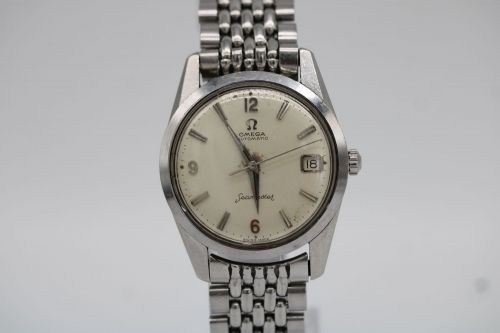
Makers such as Omega, Tudor, IWC, Rolex, and Longines appear frequently across the listings. Forms range from dress watches like the Omega Seamaster DeVille to robust calendar models and chronometers.
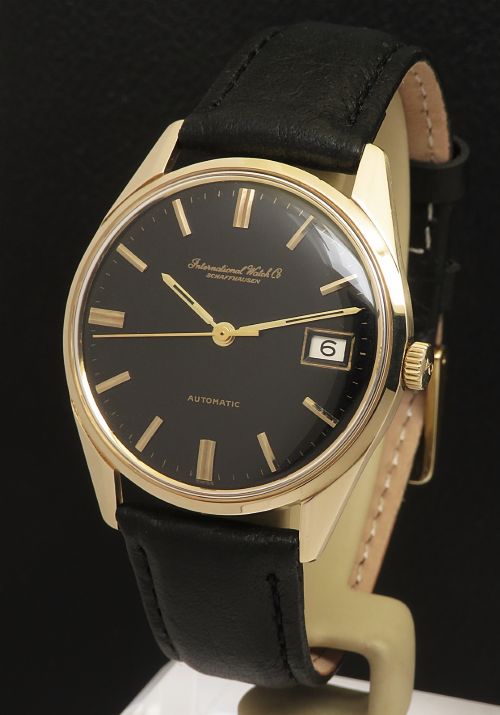
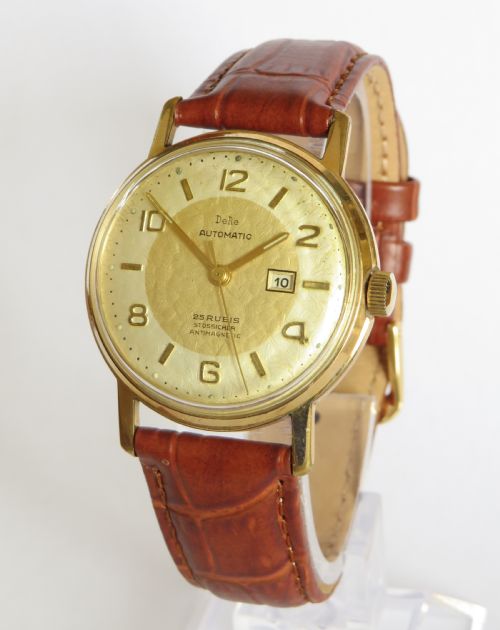
Styles lean towards mid-century modern and retro aesthetics. Dials vary from clean silver and champagne faces to patinated surfaces and honeycomb textures.
How they were made
Casings utilise materials such as stainless steel, gold plate, solid 9ct gold, and 18ct gold, paired with glass or acrylic crystal protecting the dial. Early automatic movements utilise bumper mechanisms, whereas later iterations adopt rotor systems to wind the mainspring efficiently.
Straps are constructed from leather to secure the watch to the wrist. Dials feature applied markers and specialised printing, whilst internal calibres drive complications like date displays and sweep seconds.
What varies in quality
The choice of casing metal establishes the baseline tier, moving from gold-plated brass to solid 9ct and 18ct gold cases. Movement sophistication also separates standard models from chronometer-grade calibres certified for precision.
Originality of components defines the upper tier of examples. Pieces retaining their signed crowns, original boxes, papers, and buckles command greater regard than those with replaced parts.
Omega·Tudor·Hamilton·Seiko·Festina·IWC·DeRe·Bucherer·Avia·Tissot·Wittnauer·Longines·Baume·Eterna·Prisma·Consul·Rolex
The Mechanical Automatic Wristwatch Glossary
- Calibre
- The specific internal movement mechanism designed and numbered by the manufacturer. Different calibres denote distinct mechanical layouts and technological generations.
- Chronometer
- A high-precision watch movement that has successfully passed official rate tests for accuracy. These pieces represent top-tier horological performance.
- Bumper automatic
- An early self-winding movement where an oscillating weight swings back and forth against spring buffers rather than spinning fully. This mechanical design is characteristic of the 1940s and 1950s.
- Oysterdate
- A trademarked name designating waterproof casing paired with a calendar complication. Rolex and Tudor utilise this terminology for specific robust models.
- Patinated dial
- An aged watch face showing natural discoloration, spotting, or textural shifts acquired over decades. Collectors often value this honest evidence of age.
Mechanical Automatic Wristwatch: Frequently Asked Questions
How does an automatic watch wind itself?
An internal weighted rotor spins freely as the wearer moves their arm throughout the day. This kinetic motion turns the gears that tighten the mainspring inside the movement.
Because the spring stays tensioned through daily wear, the watch continues running without requiring manual rotation of the crown.
What is a bumper automatic movement?
A bumper automatic relies on a partial rotor that swings back and forth against internal springs rather than rotating in a full circle. You can often feel a gentle tap on the wrist when the weight hits the bumper.
This design represents an early transitional phase in self-winding technology found predominantly in watches from the 1940s and 1950s.
How do I date a vintage mechanical watch?
Dating typically involves cross-referencing the serial number engraved on the case or movement against manufacturer production ledgers. Hallmarks on gold cases also provide assay office dates and precious metal purity standards.
Stylistic cues such as dial typography, hand shapes, and case geometry help narrow down the decade of manufacture.
Are these watches waterproof?
Vintage watches should generally be kept away from water regardless of historical depth ratings. Gaskets, seals, and crowns degrade over decades and lose their watertight integrity.
Exposure to moisture can damage delicate internal steel components, dial printing, and untreated leather straps.
What does chronometer certification mean?
A chronometer is a precision watch that has passed rigorous timing tests conducted by an official testing body over several days in various positions and temperatures. Only movements meeting strict accuracy standards receive this designation.
Certified pieces generally feature specialised regulation and high-grade finishing within the calibre.