

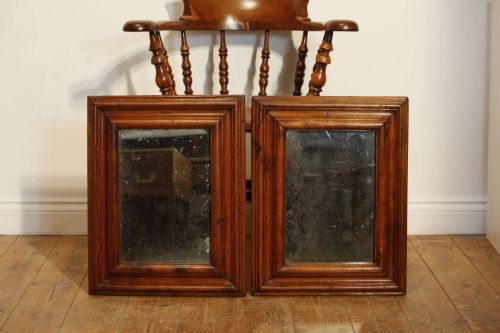
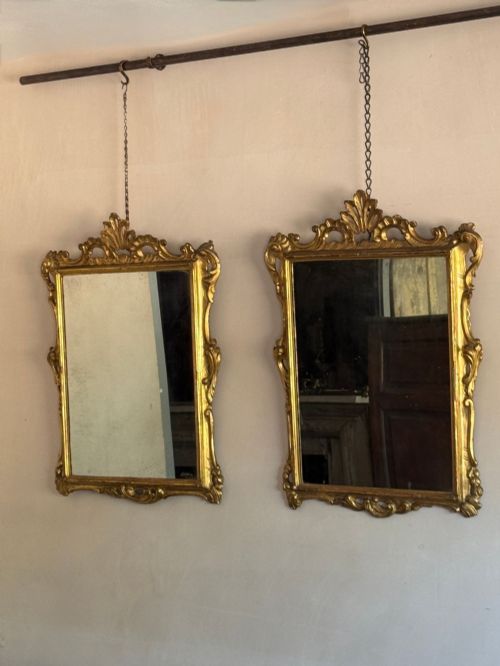
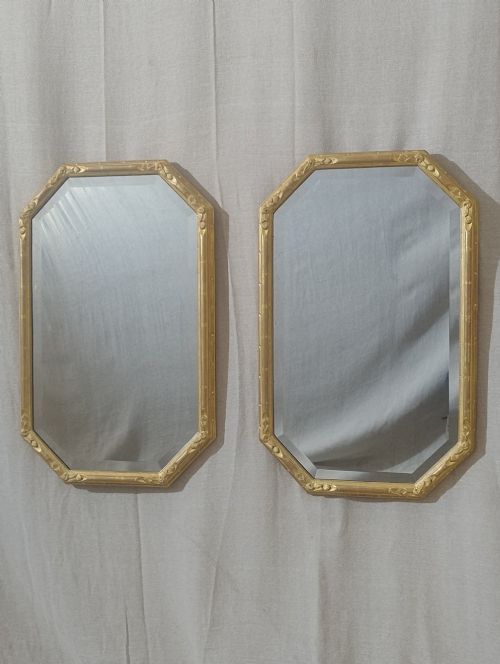
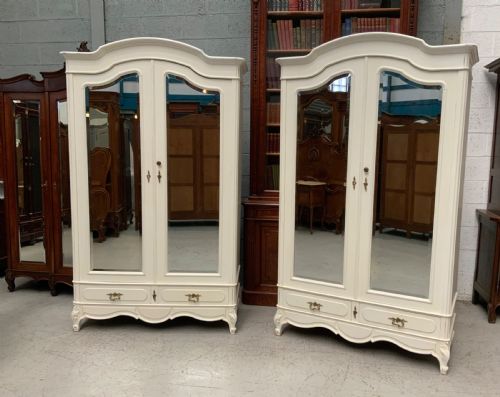

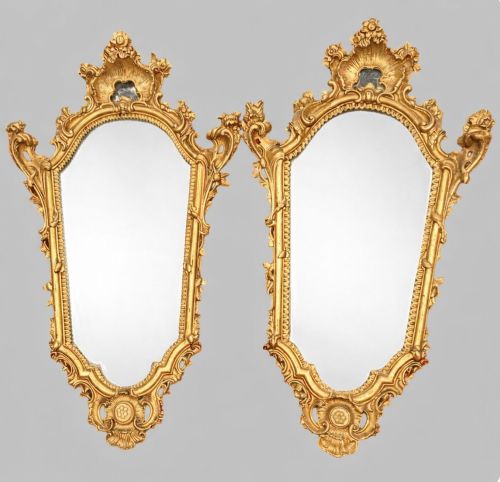


Matched Pair Mirrors
Matched pair mirrors balance light and proportion across a room, offering the symmetry that period interiors demand.
Matched Pair Mirrors
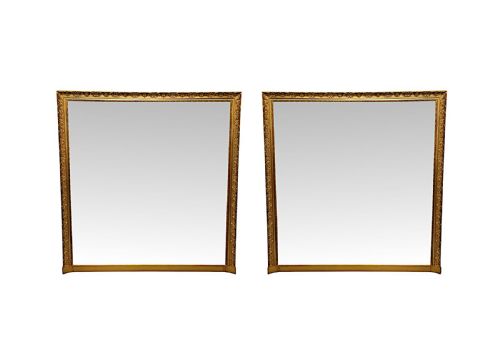
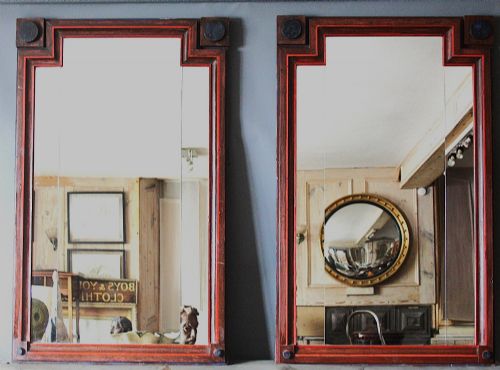
Matched pair mirrors are dual hanging looking glasses designed to mirror each other across a fireplace, between windows, or above a sideboard. When you search for matched pair mirrors, you find decorative items intended to create visual balance and multiply light within principal rooms.
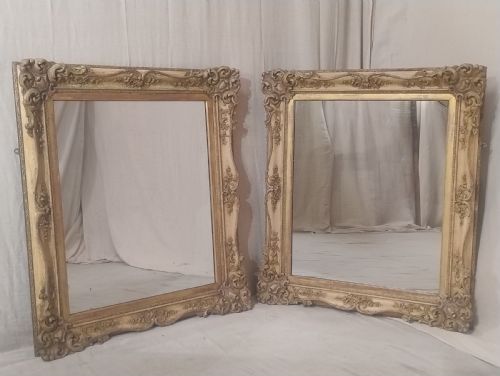
The examples seen here range from Georgian walnut pieces to ornate Victorian giltwood designs and later Edwardian and Art Deco interpretations. Most pieces on offer take the form of wall mirrors and overmantel mirrors shaped in oval, round, or rectangular formats.
Origins stretch across English workshops and French influences, encompassing styles from Rococo Revival to clean early twentieth-century lines. Buyers select these pairs to anchor period reception rooms or principal bedrooms with formal symmetry.
How they were made
Makers constructed the primary frames of these mirrors from timbers such as walnut, rosewood, and general wood substrates before applying decorative finishes. Carved elements often utilised gesso applied over wood to build up intricate relief ornament.
Gilding techniques involved laying gold leaf or water gilding onto prepared surfaces to achieve a bright metallic lustre. Glass plates were cut to fit the frames, utilising mirror glass traditional to each respective period.
Matched Pair Mirrors Retail Price Guide 2026
Typical asking prices for matched pair mirrors among the pieces listed under this phrase on Sellingantiques today, from the lower quarter to the upper quarter. They describe what is for sale here now, not the wider market.
Some pairs spent centuries reflecting the exact same wallpaper before finally ending up on our marketplace.
What varies in quality
Quality rests in the crispness of the carved detail and the depth of the gilding applied to the wooden frames. Finer examples display hand-carved ornament with sharp contours rather than mass-produced composition ornament.
The preservation of the original mirror glass and the structural integrity of the joints determine the standing of each piece. Superior pairs maintain matching dimensions, uniform patination, and coherent proportions between both frames.
Waring & Gillows
The Matched Pair Mirrors Glossary
- Giltwood
- Wood that has been coated with gold leaf or gold paint. This finish defines many formal period mirrors.
- Gesso
- A plaster-like mixture applied to wood frames to create a smooth surface for carving and gilding. It allows for intricate relief decoration.
- Parcel Gilt
- A decorative finish where parts of the object are gilded and other parts show the natural wood beneath. It highlights specific carved details.
- Overmantel Mirror
- A large looking glass designed to hang specifically above a fireplace mantel. These pieces often feature wide horizontal proportions.
Matched Pair Mirrors: Frequently Asked Questions
How do I hang a heavy pair of giltwood mirrors safely?
Heavy giltwood mirrors require secure wall fixings distributed across multiple points to support the combined weight of wood and glass.
Professional mirror hangers utilise batten systems or heavy-duty brackets screwed directly into wall studs or masonry.
Can I separate a matched pair into different rooms?
Separating a matched pair breaks the visual symmetry that defines their purpose as dual decorative objects.
Keeping them together maintains the balanced aesthetic intended by the maker and adds greater decorative weight to a single space.
How do I tell an 18th century mirror from a Victorian copy?
Eighteenth-century mirrors typically show hand-beveled glass, older timber construction methods, and distinct tool marks on the reverse.
Victorian copies often utilise machine-cut glass and heavier gesso applications that reflect nineteenth-century revival styles.
What is the best way to clean antique mirror glass?
Antique mirror glass requires gentle cleaning with a soft microfibre cloth and minimal moisture to protect the surrounding frame.
Avoid spraying liquid directly onto the glass to prevent moisture seeping behind the plate and damaging the silver backing.