


Masons Ironstone Ceramic
These masons ironstone ceramic pieces bring robust utility and vibrant pattern to a room, offering durable earthenware forms finished in rich enamels.
Masons Ironstone Ceramic
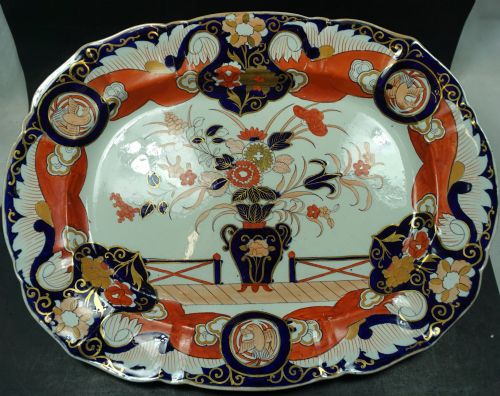
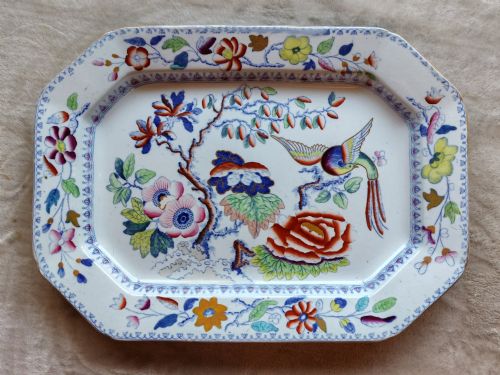
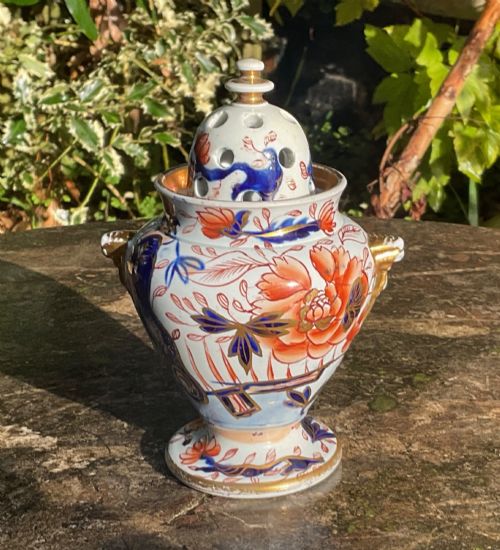
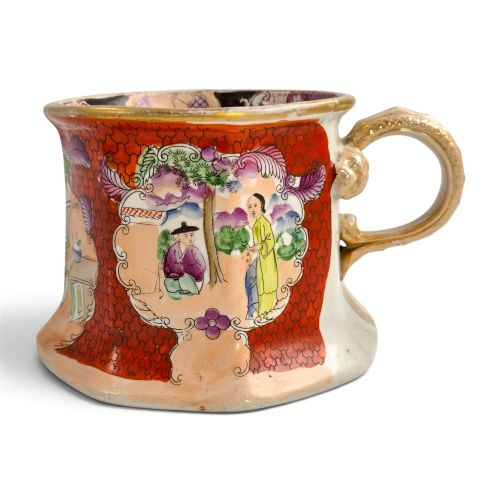
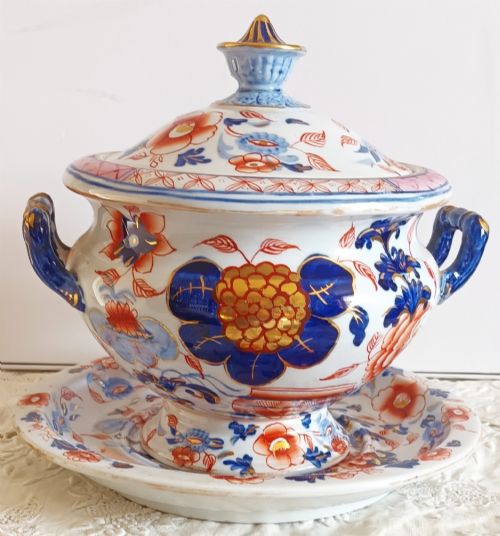
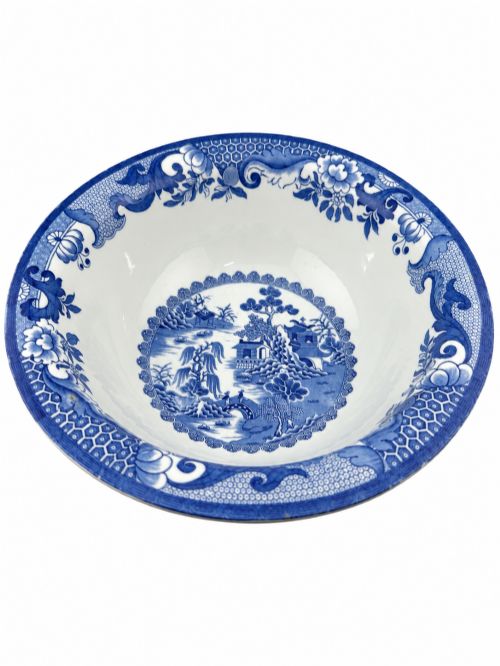
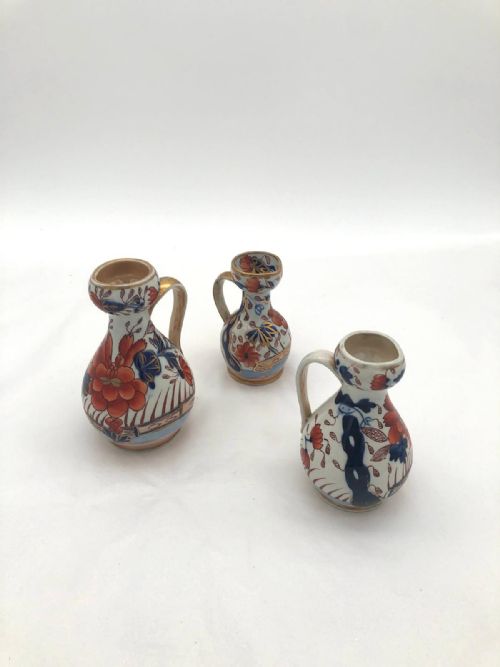
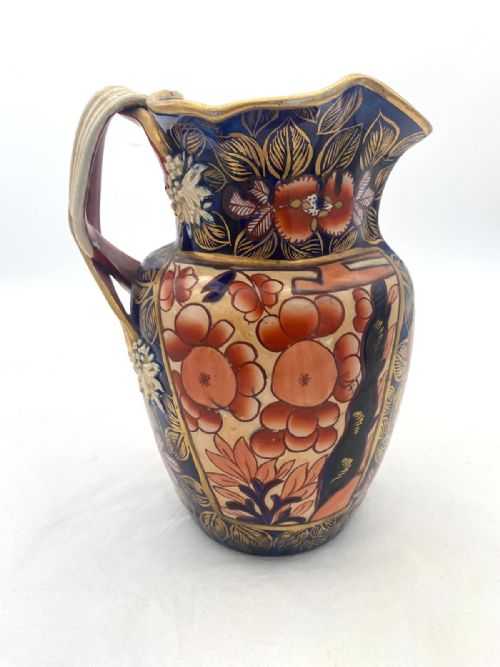
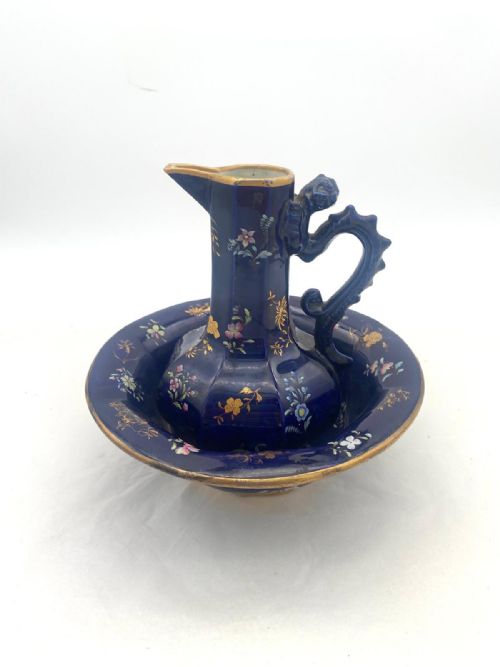
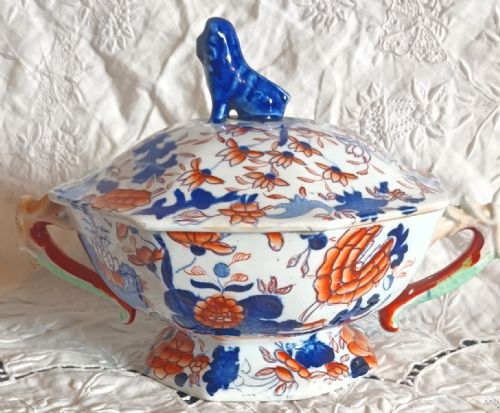
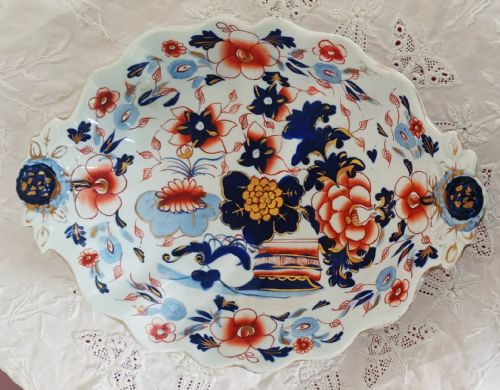
When you search for masons ironstone ceramic, you encounter heavy, dense earthenware vessels designed for both display and rigorous daily service. The inventory spans utilitarian washbasins, tureens, and mugs alongside decorative plates, chargers, and posy vases.
The objects originate primarily across the nineteenth century, with strong representation from the Georgian, Regency, and Victorian periods, extending into Edwardian examples. You will frequently find tablewares and pouring vessels decorated in distinct stylistic traditions.
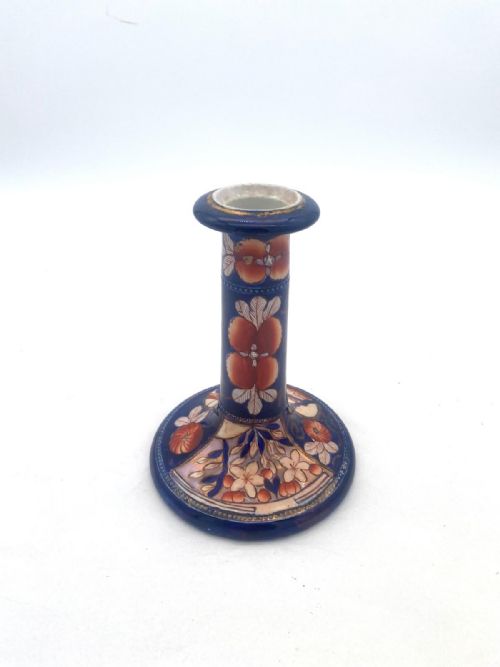
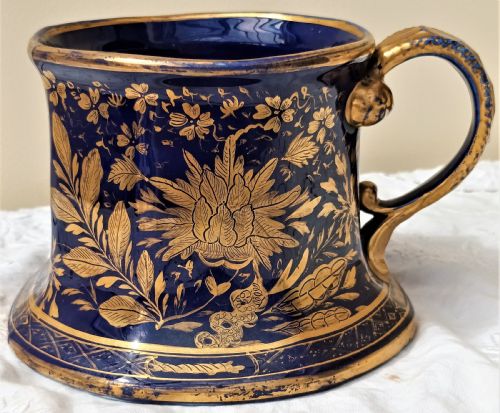
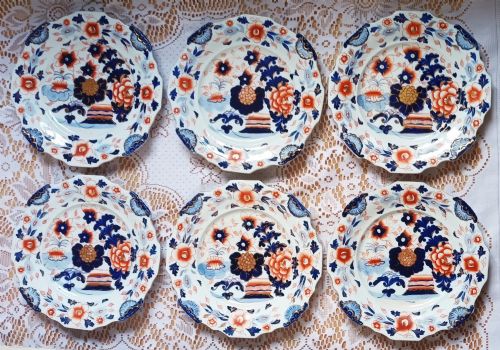
Chinoiserie, Japan, and Imari patterns dominate the surface treatments, often featuring exotic birds, peonies, and oriental motifs rendered in cobalt blue, red scale, and orange or yellow grounds.
How they were made
Makers utilised a durable ceramic body known as ironstone, combining refined clay, feldspar, and slag to achieve strength akin to porcelain while retaining the weight of earthenware. This body provided a stable canvas for rich underglaze and overglaze decoration.
Potters applied detailed enamel colours, gold leaf, and gilding by hand over a clear glaze, frequently fixing the pigments through secondary kiln firings. Moulded forms such as Hydra jugs and grotesque handles required skilled press-moulding techniques before glazing.
Masons Ironstone Ceramic Retail Price Guide 2026
Typical asking prices for masons ironstone ceramic among the pieces listed under this phrase on Sellingantiques today, from the lower quarter to the upper quarter. They describe what is for sale here now, not the wider market.
The inventory records prominent Chinoiserie and Japan decorative patterns executed across Georgian, Regency, and Victorian periods.
What varies in quality
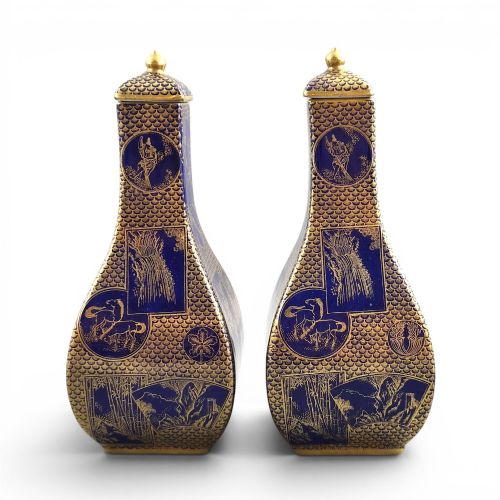
The distinction between standard domestic wares and exceptional display pieces lies in the crispness of the moulded relief and the complexity of the hand-applied enamel work. Rich cobalt grounds, extensive gilding, and precise Chinoiserie detailing indicate superior workshop output.
Early periods often display deeper colour saturation and more intricate patterns, such as Mazarine blue grounds or specialised Schoolhouse and Mandarin motifs. Preservation of the original gold leaf and minimal wear to the surface glaze distinguish the finest examples.
Mason·Miles Mason·C.J. Mason
The Masons Ironstone Ceramic Glossary
- Ironstone
- A heavy, durable ceramic body patented in the nineteenth century to imitate porcelain while offering greater strength for utilitarian and decorative wares.
- Hydra jug
- A distinctive pouring vessel featuring a serpent-form or ribbed handle and an octagonal or flared rim, commonly decorated in oriental patterns.
- Chinoiserie
- A European decorative style imitating Chinese artistic traditions, frequently depicting imaginary landscapes, figures, and pavilions.
- Comport
- A raised dish or bowl used for serving fruit or sweets at the dining table during the Georgian and Victorian periods.
- Mazarine
- A deep, rich shade of dark blue used as a solid background colour on high-status ceramic bodies.
- Porringer
- A small, handled bowl or vessel traditionally used for broth, porridge, or soft foods in domestic settings.
Masons Ironstone Ceramic: Frequently Asked Questions
What is masons ironstone ceramic?
Masons ironstone ceramic is a patented heavy earthenware developed in nineteenth-century England to combine the durability of stoneware with the refined appearance of porcelain.
Potters shaped this dense material into useful household forms, including jugs, tureens, and washbasins, decorated with hand-applied enamels and gilding.
How were these ceramic pieces used?
These vessels served practical dining, washing, and serving functions in homes, from large tureens for family meals to washbasin sets for bedrooms.
Many decorative plates, comports, and vases were also displayed in reception rooms to showcase vibrant oriental-inspired patterns to guests.
How do I clean masons ironstone ceramic?
Maintain these ceramic pieces by washing them gently in warm water with mild soap, avoiding harsh scrubbing or modern dishwashers.
Protect the delicate overglaze enamels and gold leaf details by drying the surfaces thoroughly with a soft cloth immediately after cleaning.
How can I tell the period?
Dating relies on examining the specific maker marks, pattern names, and the stylistic evolution from early Regency Chinoiserie to later Victorian production.
Earlier pieces from the Georgian era often feature hand-painted details and deeper cobalt grounds, while Edwardian examples introduce brighter polychrome bird and peony motifs.