

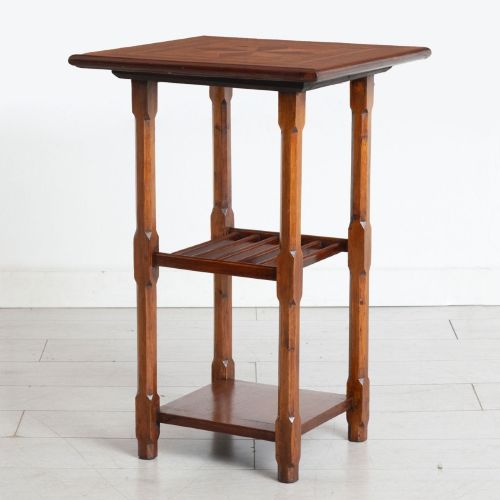
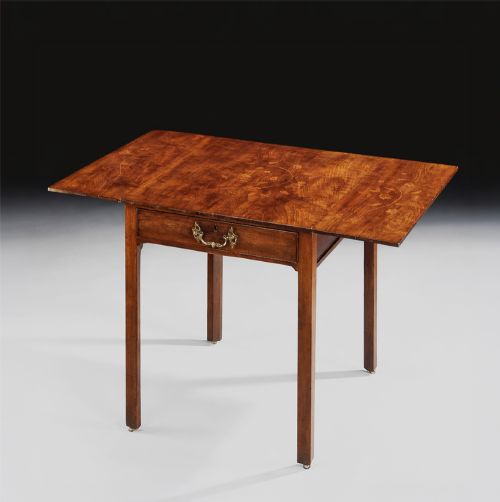
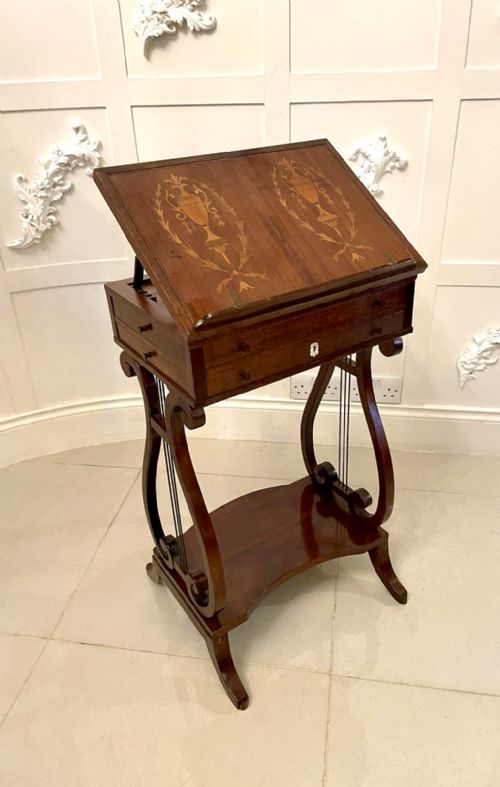
Marquetry Wood Side Table
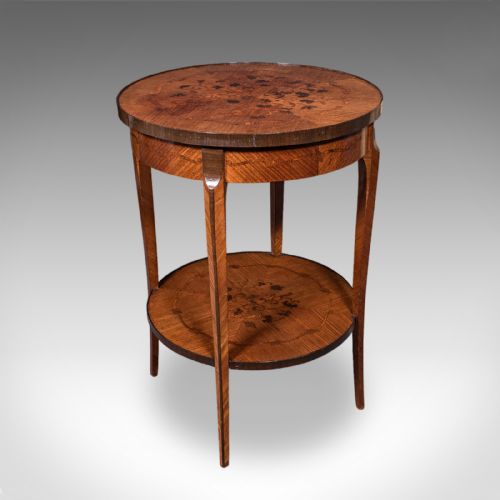
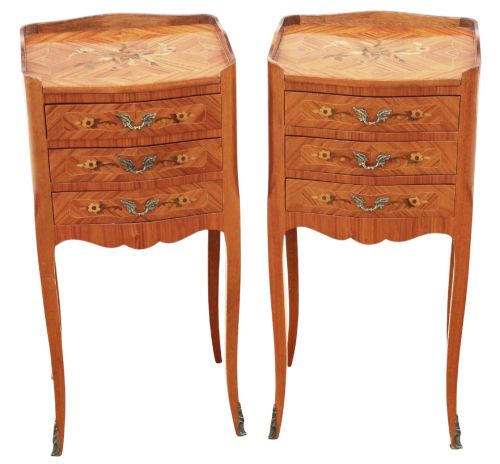
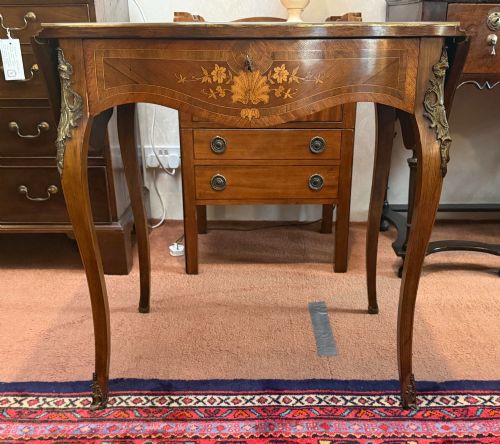
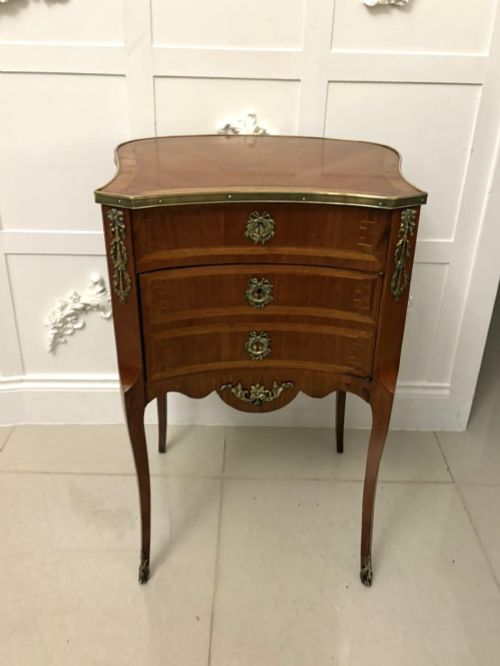
A marquetry wood side table brings patterned veneers and decorative timbers into domestic spaces, serving as both a functional surface and a focal point.
Marquetry Wood Side Table
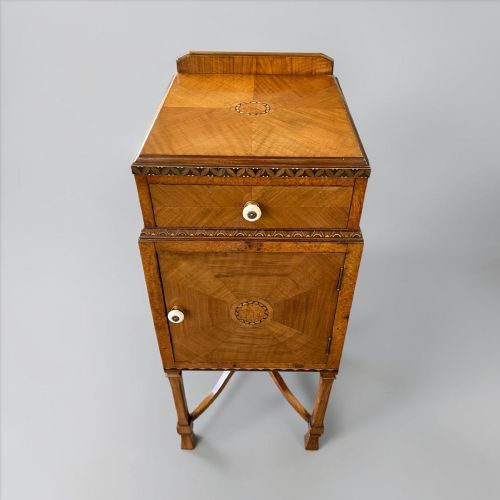
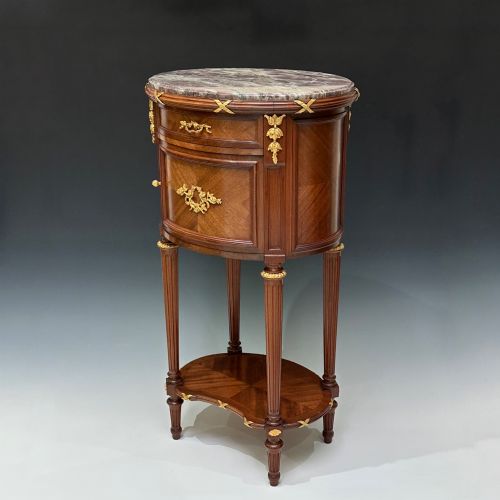
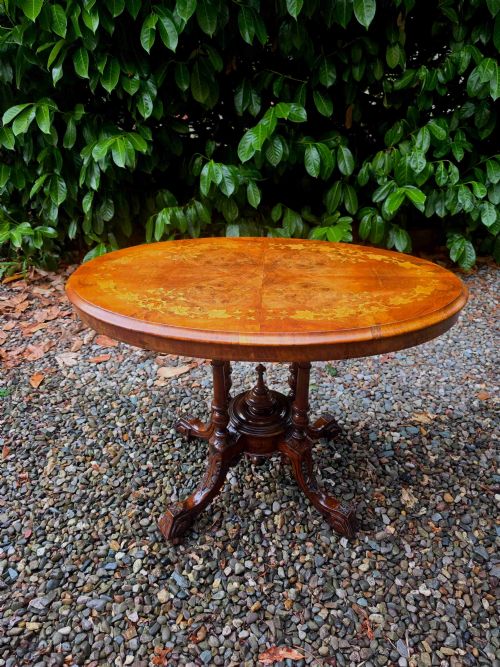
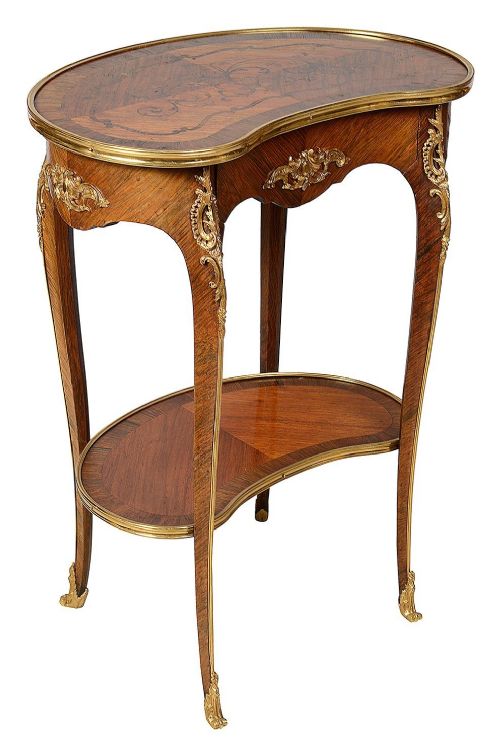
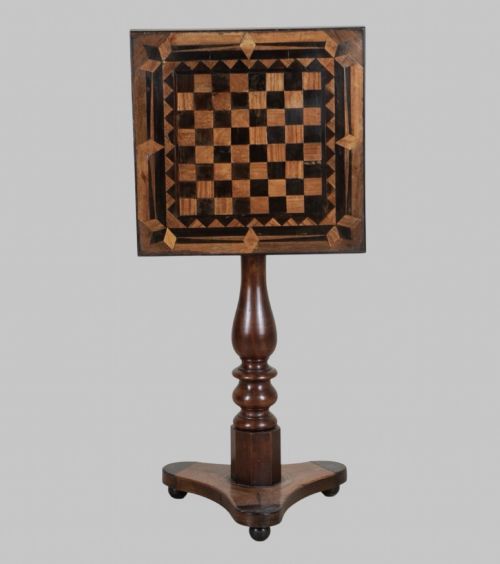
A marquetry wood side table encompasses a diverse range of occasional furniture designed for practical use in sitting rooms, bedrooms, and halls. These pieces appear in forms such as compact bedside tables, occasional tables, games tables, and kidney-shaped surfaces, spanning the eighteenth, nineteenth, and early twentieth centuries.
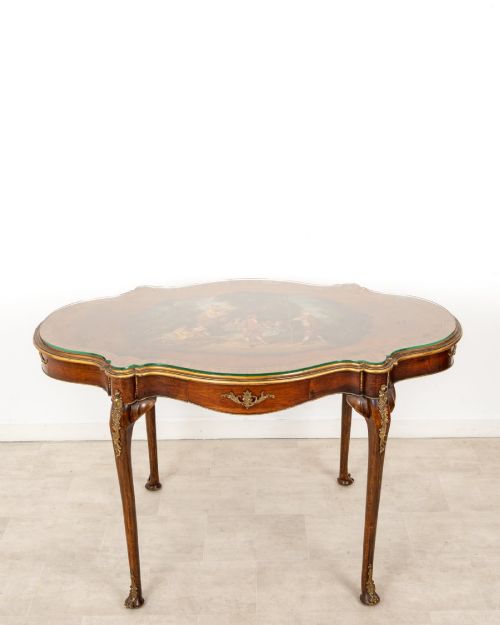
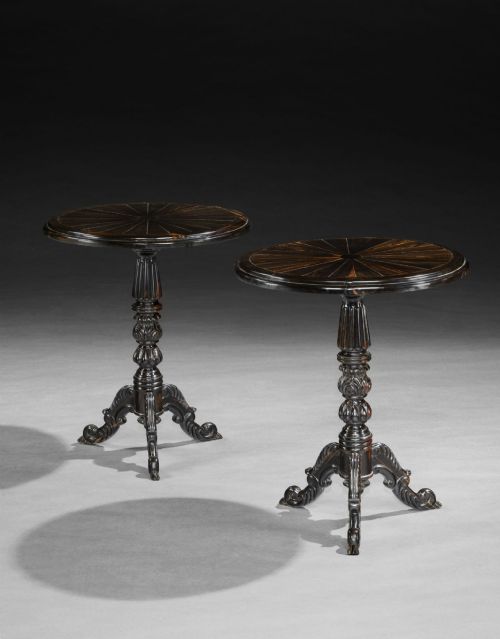
The selection reflects British, continental European, and global workshop traditions, including French Louis-style revivals, Edwardian satinwood pieces, and Anglo-Indian or Middle Eastern inlaid tables. Buyers frequently encounter nineteenth-century French pieces veneered in kingwood and rosewood alongside Edwardian mahogany iterations.
Materials and Technique
Cabinet makers utilised a robust foundational timber carcass, typically constructed from mahogany, walnut, or oak, onto which intricate pictorial or geometric veneers were applied. These decorative surfaces relied upon contrasting exotic and native timbers such as satinwood, kingwood, rosewood, tulipwood, and harewood.
Many examples incorporate cast and chased ormolu mounts, brass stringing, and mother of pearl details to accent the timber designs. Surface decoration was achieved through precision cutting of thin wood veneers, assembled to form floral, scrollwork, or architectural motifs.
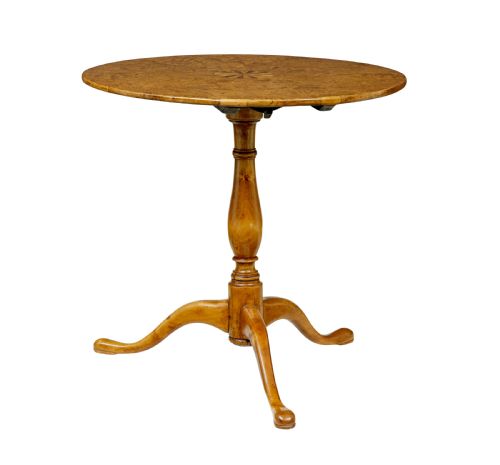
The archive includes pieces spanning the Georgian period through to Art Deco designs, recording varied regional traditions from Britain, France, and Sweden.
Standards of Execution
The distinction between standard commercial output and exhibition-grade pieces rests in the crispness of the veneer cutting and the complexity of the timber selection. Superior examples demonstrate seamless integration of contrasting grains, where individual elements of the marquetry fit together without excessive filler or misalignment.
Hardware and secondary framing provide further indication of workshop standard, seen in the weight of cast ormolu mounts, the choice of secondary timbers inside drawers, and the fluidity of serpentine or kidney-shaped framing.
François Linke·Émile Gallé·Edwards and Roberts·Anton Seuffert
The Marquetry Wood Side Table Glossary
- Marquetry
- Decorative veneer work applied to a furniture structure to form pictures or geometric patterns. It uses contrasting woods and tinted materials to achieve pictorial depth.
- Ormolu
- Gilt-bronze mounts applied to furniture edges, corners, and feet for ornamental effect. This technique was widely utilised during the eighteenth and nineteenth centuries.
- Kingwood
- A dense, heavy timber featuring rich dark brown colouring with lighter golden streaks. It was a favoured wood for high-status continental and British veneer work.
- Pembroke table
- A small rectangular table featuring drop leaves on two opposing sides supported by hinged brackets. Many examples incorporate a single drawer and inlaid top surfaces.
- Etagere
- A piece of furniture consisting of a set of open shelves for displaying small objects. These tiered structures often feature marquetry decoration and delicate supports.
Marquetry Wood Side Table: Frequently Asked Questions
How do I care for a marquetry table?
Keep wooden furniture away from direct heat sources and strong sunlight to prevent the underlying veneers from drying out or lifting. Regular dusting with a soft, dry cloth maintains the polished finish without damaging the delicate inlay.
Avoid using silicone-based polishes or excessive moisture on antique surfaces. Applying a traditional wax sparingly helps preserve the sheen of the timber.
What distinguishes French revival styles?
French revival pieces draw inspiration from eighteenth-century court furniture, characterising themselves through curved serpentine lines and elaborate floral marquetry. Makers often incorporated gilt-bronze mounts to accentuate the fluid contours of the timber.
These designs prioritise decorative presence, frequently utilising kingwood and tulipwood veneers arranged in symmetrical patterns across top surfaces and drawer fronts.
Where were side tables placed historically?
These versatile pieces served utilitarian and decorative roles throughout domestic interiors, functioning as lamp stands, bedside nightstands, or display surfaces in drawing rooms. Smaller occasional variants were easily moved to accommodate tea services or card games.
In grander settings, console and centre tables anchored hallways and principal rooms, while nesting tables offered flexible surface space that could be stored compactly.
How do I identify Edwardian satinwood?
Edwardian satinwood furniture typically exhibits a pale, golden-yellow timber grain that was frequently hand-painted or inlaid with contrasting dark wood marquetry. These pieces often take refined forms such as oval occasional tables or kidney-shaped writing surfaces.
The construction standard reflects late-nineteenth and early-twentieth-century cabinet making, combining light timbers with precise floral swags, ribbons, or neoclassical urn motifs.