

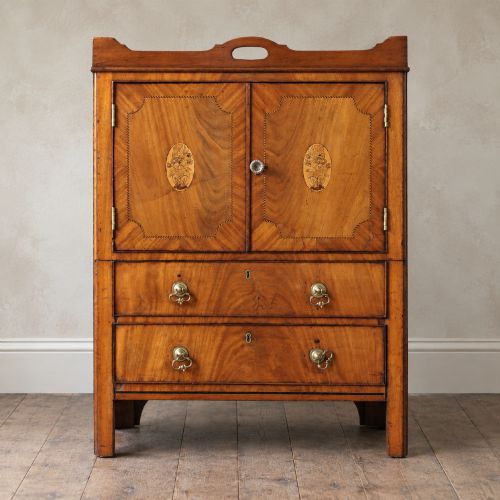
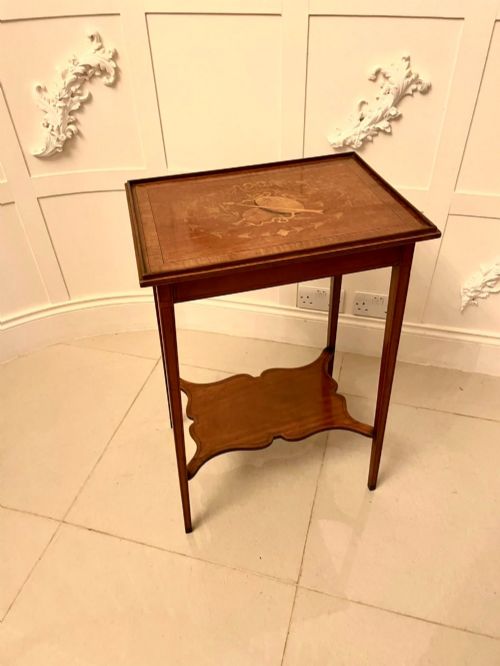
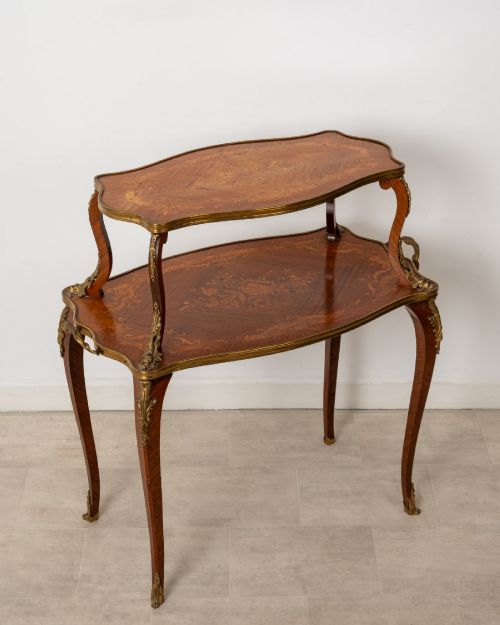
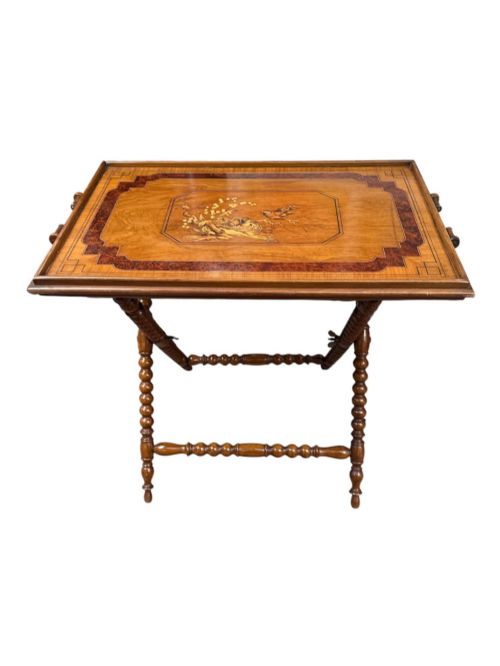



Marquetry Tray Table
A marquetry tray table combines a removable serving surface with an intricate inlaid stand, offering both decorative charm and practical portability for the home.
Marquetry Tray Table
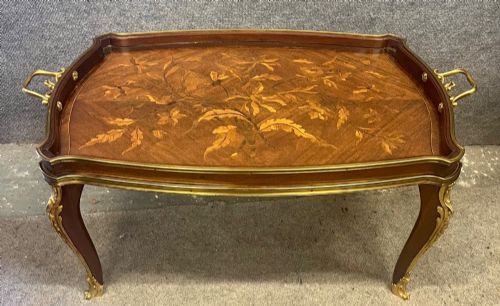
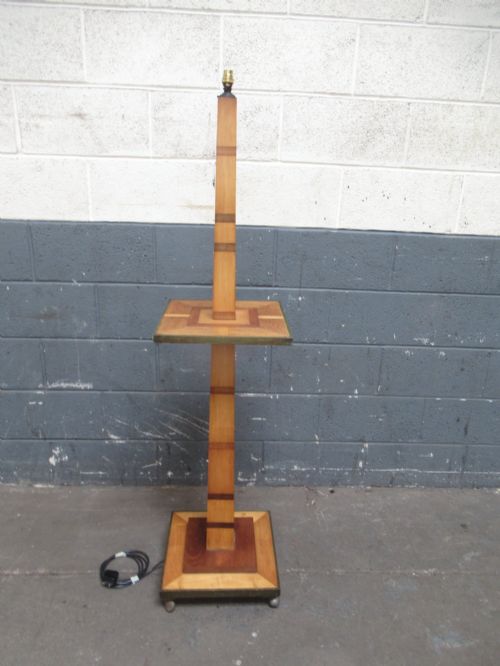
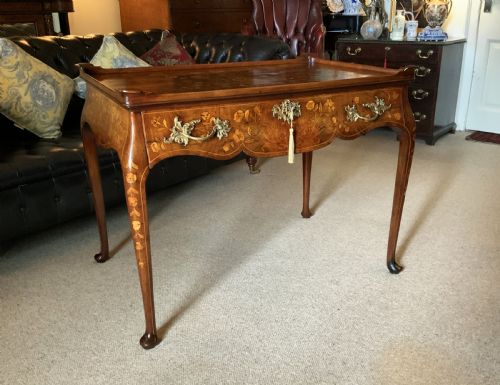
When searching for a marquetry tray table, you encounter a refined form of occasional furniture designed to serve refreshments or display decorative objects. These pieces unite a functional tray top with a supportive stand, functioning as side tables, coffee tables, or two-tier etageres.
The selections span several distinct eras, with Edwardian and late nineteenth-century examples appearing most frequently alongside earlier eighteenth-century Dutch and French pieces. Common timber foundations include mahogany, satinwood, and kingwood, frequently enriched with elaborate floral or geometric wood inlays.
Makers often drew inspiration from historical aesthetics, producing items in Louis XV revival, Sheraton revival, and Dutch rococo styles. Whether configured as a simple tray on a folding stand or a multi-tiered etagere with brass handles, these tables remain versatile additions to sitting rooms.
How They Were Made
Cabinet makers constructed the foundations of these tables using dense timbers such as mahogany, walnut, and satinwood, applying contrasting veneers of kingwood and boxwood for the decorative surfaces. Artisans cut delicate pictorial motifs from various dyed and natural woods, fitting them meticulously into carved recesses to form elaborate floral bouquets, birds, or geometric borders.
Many examples incorporate cast brass carrying handles, Ormolu mounts, or protective glass inserts to safeguard the delicate wood surfaces during daily use. The stands often utilise slender cabriole legs, straight tapered supports, or folding frames designed to hold the removable tray securely in place.
Listings feature satinwood, mahogany, and kingwood timbers, spanning Edwardian, Georgian, and eighteenth-century periods.
What Varies in Quality
The standard of a marquetry tray table depends significantly on the precision of the veneer work and the variety of woods employed. Finer pieces display tight, seamless joints within the pictorial inlays and utilise expensive exotic timbers like kingwood and satinwood rather than simpler painted or stained substitutes.
Structural refinement also defines the upper tier of pieces, visible in the weight of the cast brass handles, the integrity of the frame construction, and the harmony of the revival style proportions. Masterful hand-cut marquetry exhibits sharp definition in every petal and leaf, whereas lesser items rely on simpler, repetitive geometric banding.
The Marquetry Tray Table Glossary
- Marquetry
- A decorative technique where small pieces of veneer are assembled into pictorial designs and glued to a wooden carcase. This craft requires immense precision to fit contrasting woods together smoothly.
- Étagère
- A set of open shelves or tiers used for displaying small objects or serving. These multi-level tables provide additional surface area while maintaining a light visual profile.
- Ormolu
- Gilt bronze mounts applied to furniture for decorative effect, popular in French-inspired designs. The golden finish adds richness and protects the metal beneath from tarnishing.
- Satinwood
- A lustrous, yellowish timber native to India and Ceylon, prized for its golden sheen and smooth grain. It frequently forms the contrasting background for darker floral marquetry.
- Sorrento Ware
- Wooden decorative items inlaid with intricate pictorial designs, originating from the Italian town of Sorrento during the nineteenth century. These pieces often depict architectural scenes or classical motifs.
Marquetry Tray Table: Frequently Asked Questions
How do I use a tray table at home?
These tables function well as flexible side tables beside armchairs or sofas, offering a convenient surface for lamps, books, or drinks. Pieces with removable trays allow you to lift the top directly to carry items between rooms.
Position them away from direct heat sources and strong sunlight to protect the delicate wooden veneers and polished surfaces from drying out.
How do I tell Edwardian pieces from older ones?
Edwardian examples, dating from around nineteen hundred, often combine light satinwood with mahogany framing in revival Sheraton or simple inlaid styles. They tend to reflect lighter, more graceful proportions compared to heavier Victorian interpretations.
Eighteenth-century Dutch pieces, by contrast, display denser floral and bird marquetry covering nearly the entire surface, often executed in walnut and exotic contrasting woods.
Are the tray tops removable?
Many examples designed as butler's trays or trays on stands feature completely removable surfaces equipped with brass carrying handles. Other variations, such as etageres or two-tier tables, have fixed shelves secured permanently to the frame.
Inspecting the edge of the top and the supporting rails reveals whether the surface lifts off or forms an integrated part of the table structure.