

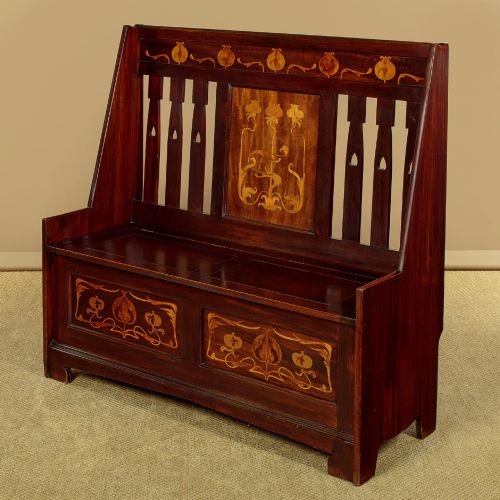
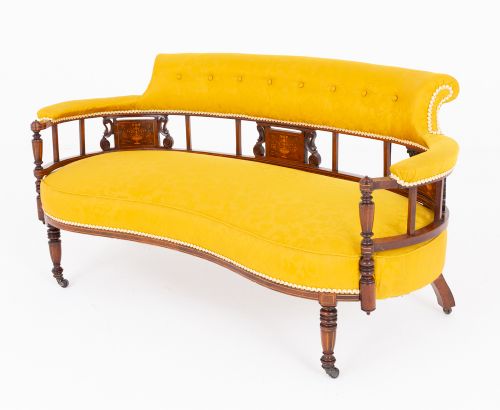

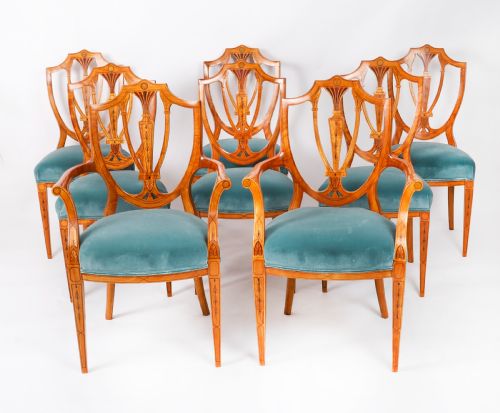

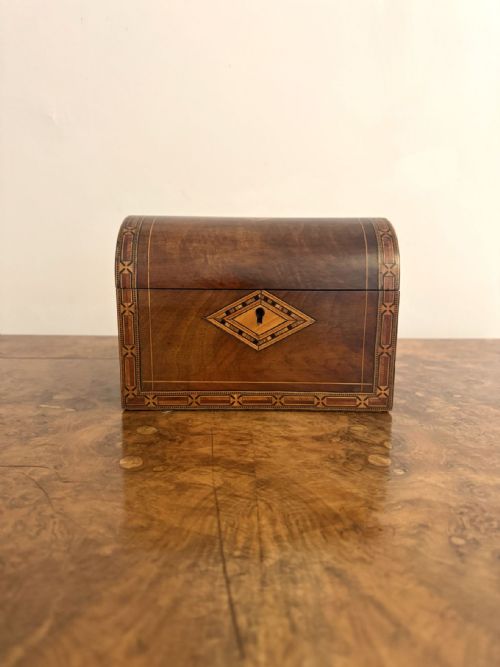
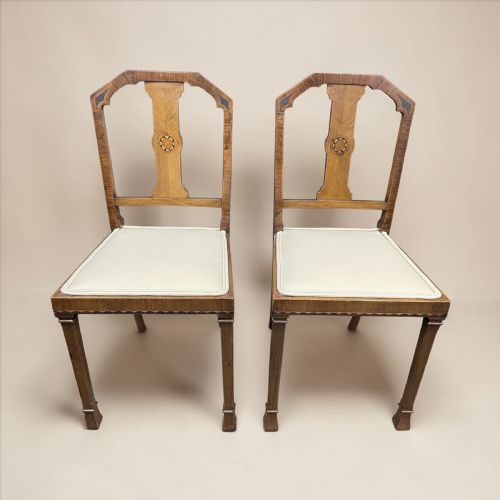
Marquetry Inlay Chair
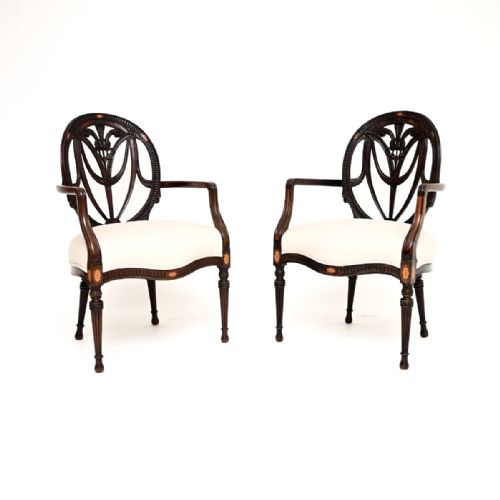
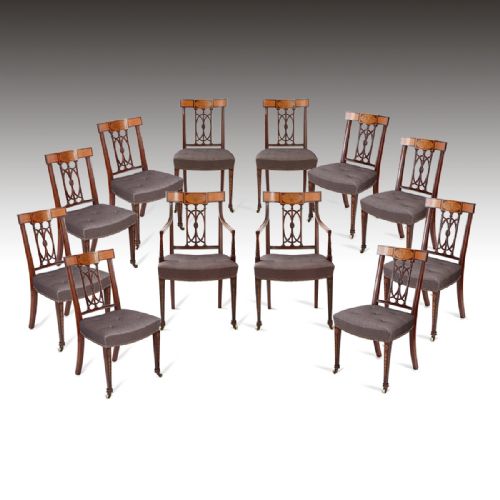
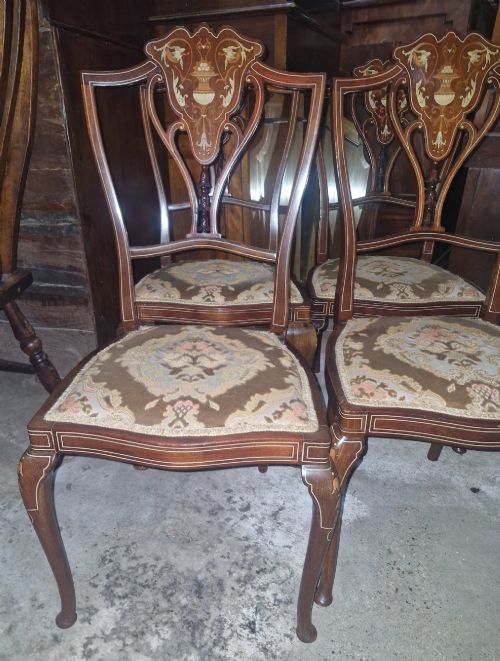
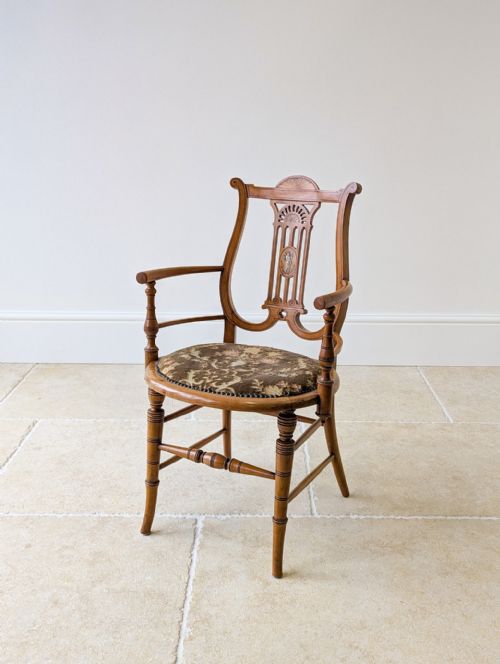
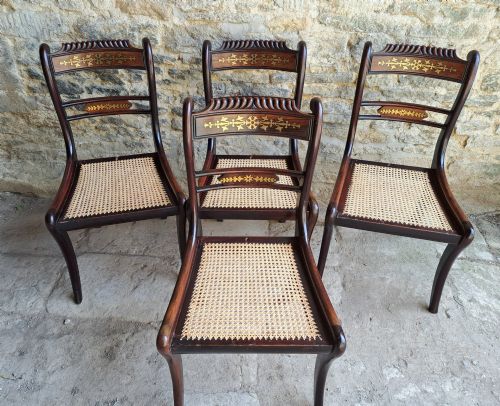
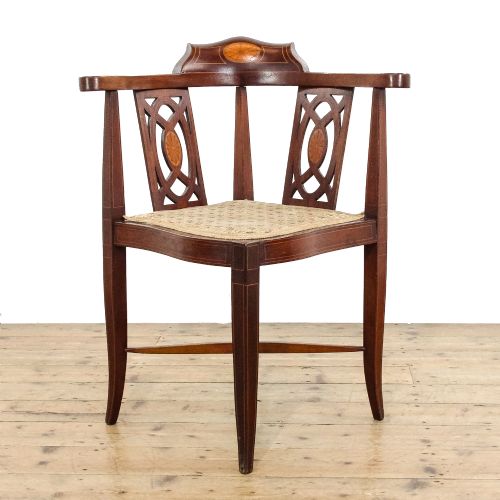
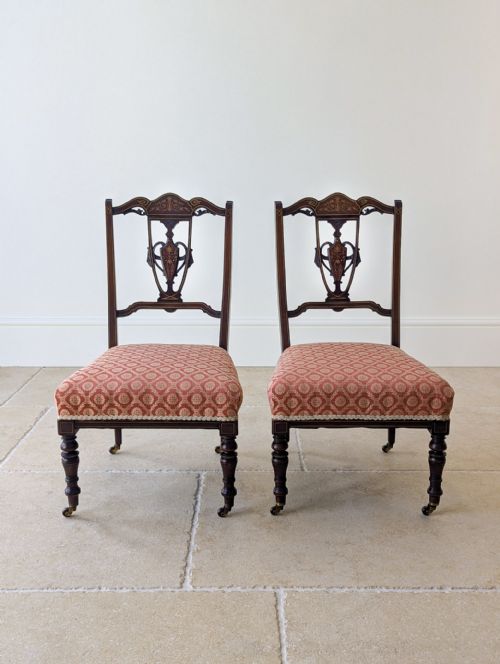
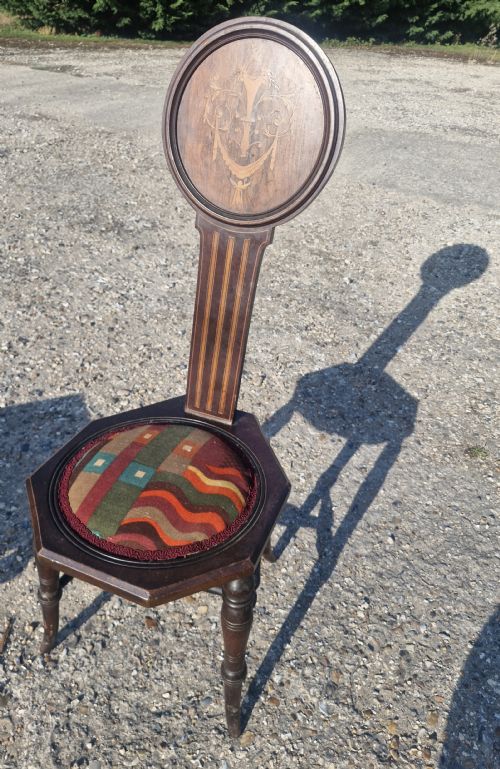
These marquetry inlay chair examples bring patterned timber surfaces and formal seating together, offering durable construction and period character.
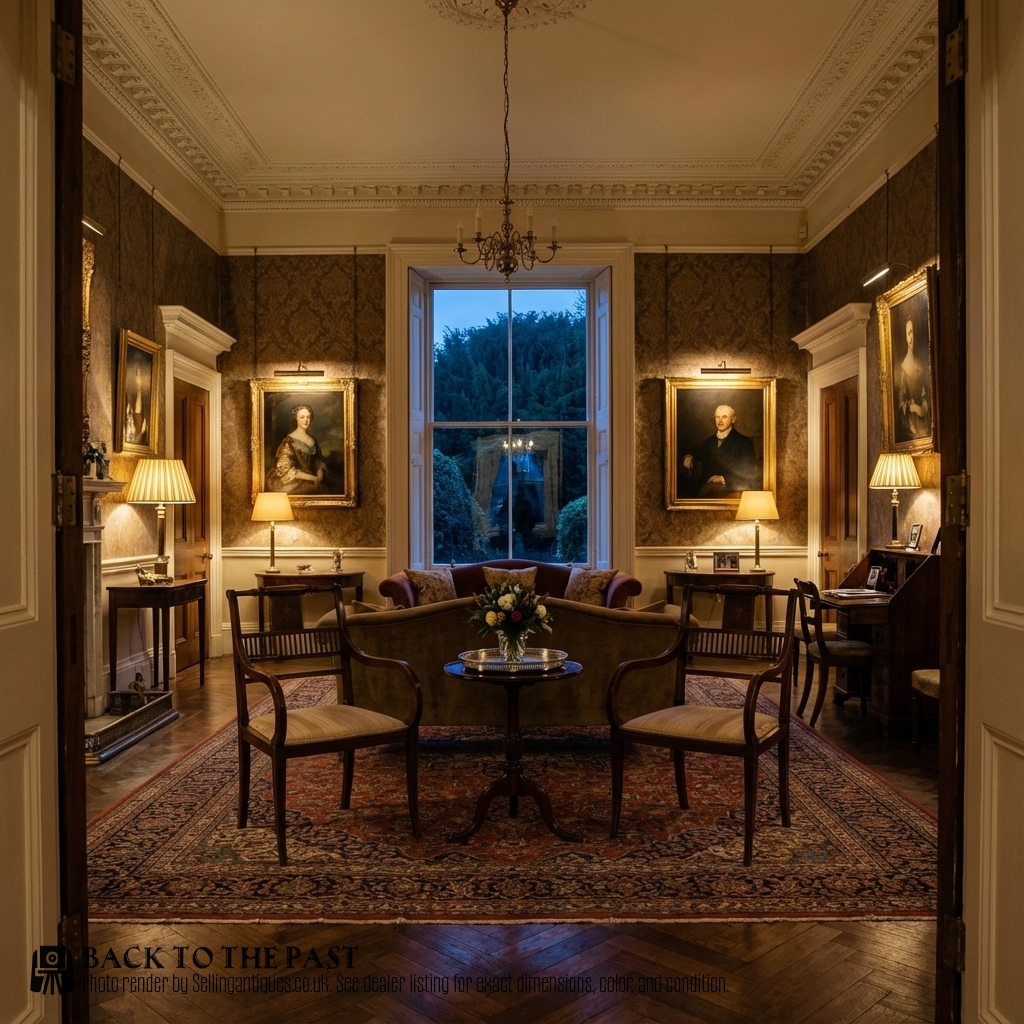
Marquetry Inlay Chair
The assortment includes sets of dining chairs as well as individual side chairs, desk chairs, and piano stools. Woods such as satinwood, walnut, and rosewood frequently form the primary structure or the contrasting inlay elements. These pieces serve functional seating roles while displaying intricate surface decoration derived from historical styles like Sheraton Revival and Dutch Baroque.
How they were made
Cabinetmakers constructed the frames using solid hardwoods like mahogany, walnut, and rosewood, often employing traditional joinery such as mortise and tenon. The decorative surfaces utilise fine veneers of satinwood and contrasting timbers, precision-cut and assembled by hand into intricate floral or geometric designs. Brass inlay elements occasionally supplement the timber work on Regency and nineteenth-century examples.
Upholstered components incorporate traditional stuffing materials and fabrics such as velvet, supporting comfortable daily use. The application of marquetry required meticulous hand-sawing of veneer packets and careful gluing to the primary carcase before finishing with polish or wax.
The selection includes a musical chair fitted with an internal mechanism to play tunes while you sit.
What varies in quality
The sophistication of the marquetry design and the precision of the veneer cutting distinguish finer examples from simpler production. Superior pieces display seamless integration of contrasting timbers without noticeable gaps or excessive filler in the joints.
The choice of primary timber and secondary woods affects the structural integrity and visual depth of the chair. Heavy carving, well-figured mahogany or satinwood, and robust frame construction separate standard seating from exceptional cabinetwork.
James Shoolbred & Co·Cowtan & Sons
The Marquetry Inlay Chair Glossary
- Marquetry
- The art of applying decorative pieces of veneer to a structure to form ornamental patterns or pictures. This technique defines the primary visual appeal of the seating listed here.
- Veneer
- A thin slice of figured wood applied over a coarser primary timber. It allows cabinetmakers to display rich grain patterns economically.
- Carver
- An armchair designed with armrests, traditionally placed at the head of a dining table or used as a standalone seat. These often match larger sets of standard dining chairs.
- Satinwood
- A durable tropical hardwood with a lustrous yellow or golden sheen, frequently utilised for contrasting inlays. It provides bright detail against darker woods like mahogany.
- Sheraton Revival
- A late nineteenth and early twentieth-century design movement inspired by eighteenth-century neoclassical furniture forms. Pieces from this period often feature delicate satinwood inlay and light mahogany frames.
Marquetry Inlay Chair: Frequently Asked Questions
How do I date a marquetry inlay chair?
Dating involves examining the primary wood, construction methods, and stylistic cues present in the frame. Edwardian and Victorian pieces often show lighter mahogany structures with Sheraton Revival influence, while Georgian examples display earlier proportions.
Tool marks, joinery techniques, and the type of veneer used also help establish the approximate period of manufacture. Comparing the style to documented historical periods provides further clarity.
How should I care for a marquetry chair?
Maintain these chairs by keeping them away from direct sunlight and sudden temperature changes to protect the delicate veneer. Regular dusting with a dry cloth prevents dirt accumulation on the polished surfaces.
Occasional application of appropriate furniture wax preserves the wood and prevents the dry timber from shrinking. Avoid placing heavy moisture directly onto the inlaid sections.
Where were these chairs used historically?
These chairs served multiple functions within period homes, appearing in formal dining rooms, drawing rooms, and bedrooms. Salon chairs and occasional chairs were typically arranged for entertaining guests.
Desk chairs and armchairs provided comfortable seating for reading or writing in private studies. Their decorative inlay ensured they functioned as display pieces as well as practical furniture.