

Marquetry Inlaid Display Stands
Marquetry inlaid display stands combine precise botanical wood patterns with practical staging surfaces for treasured objects.
Marquetry Inlaid Display Stands
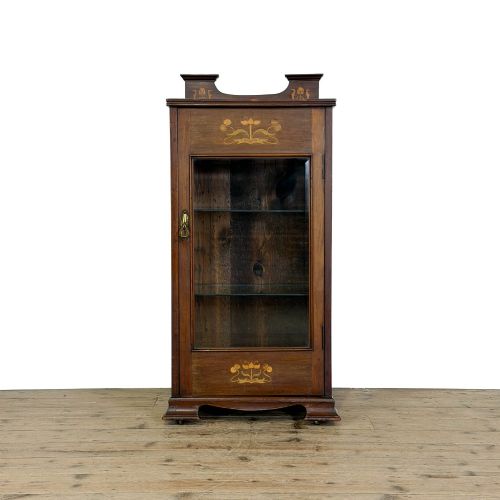
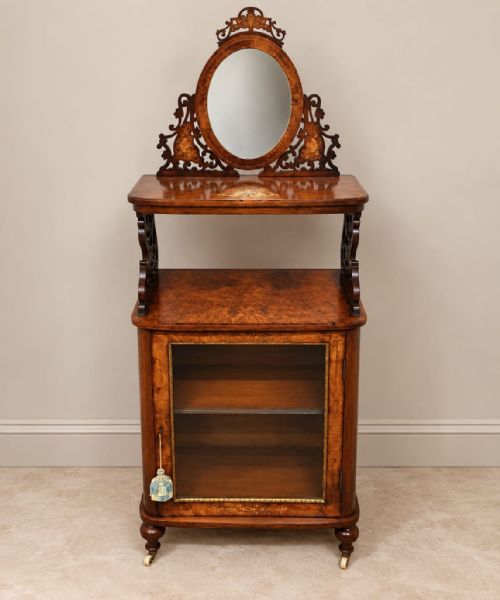
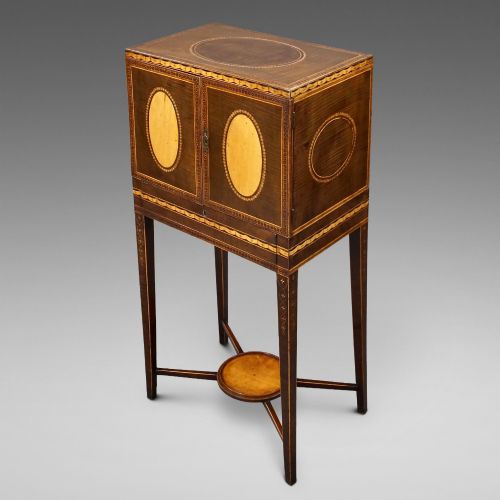
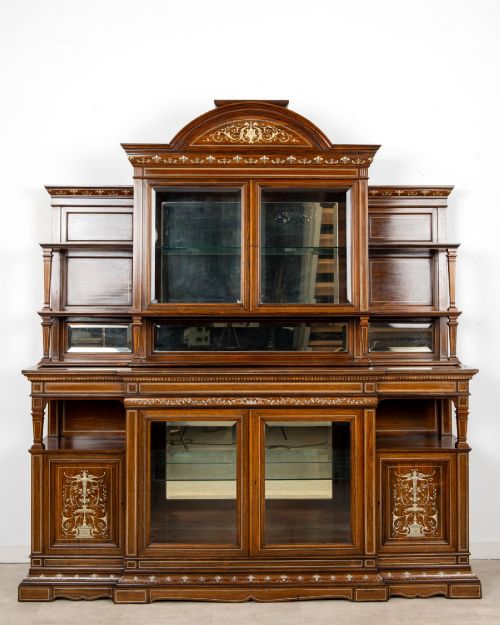
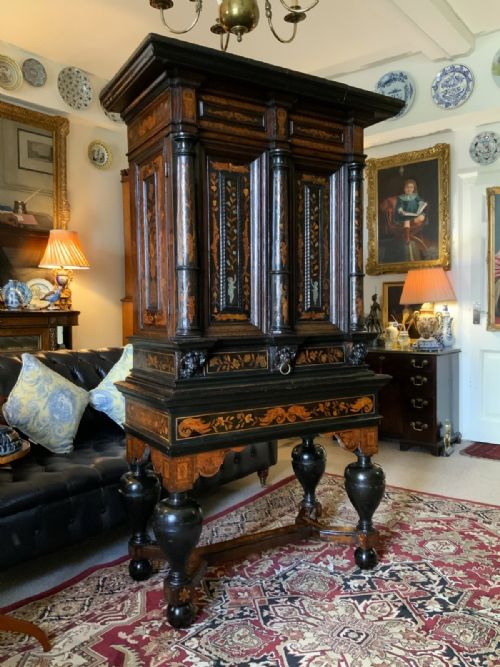
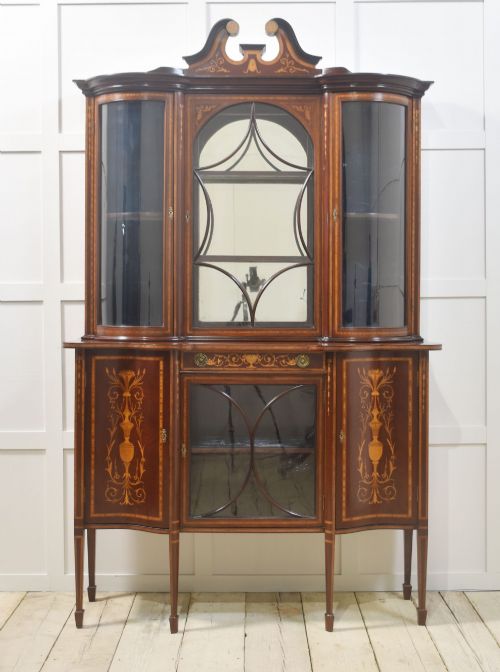
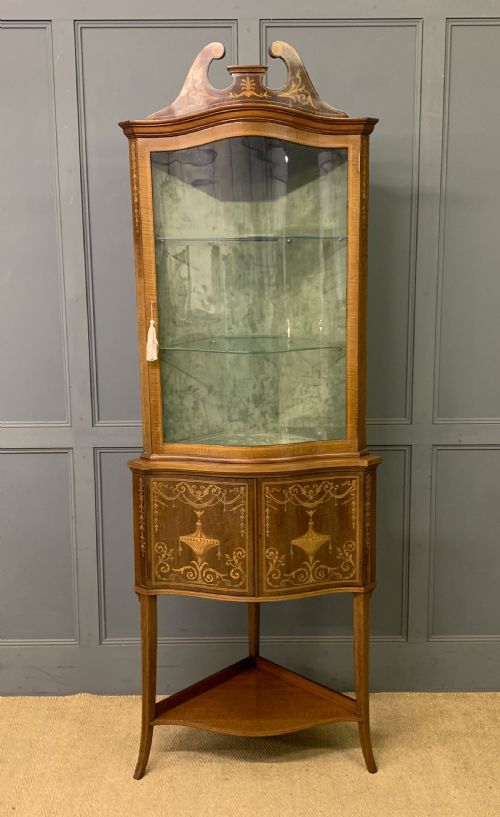
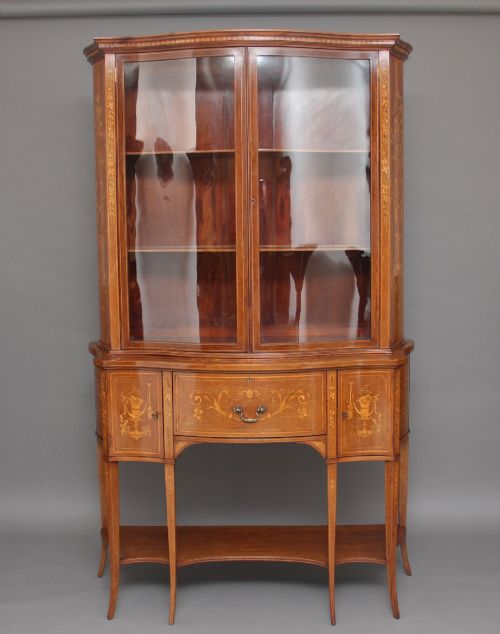
Marquetry inlaid display stands encompass a variety of elevated furniture forms designed to present decorative items within a room. When exploring this selection, buyers encounter pieces primarily originating from the Victorian and Edwardian eras, alongside earlier seventeenth-century Continental examples.
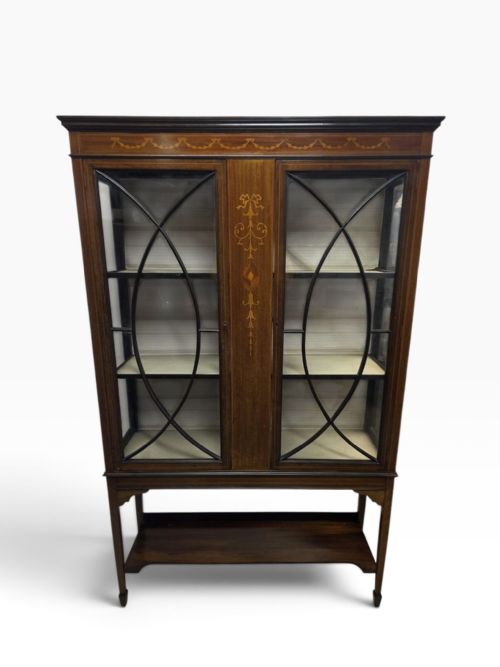
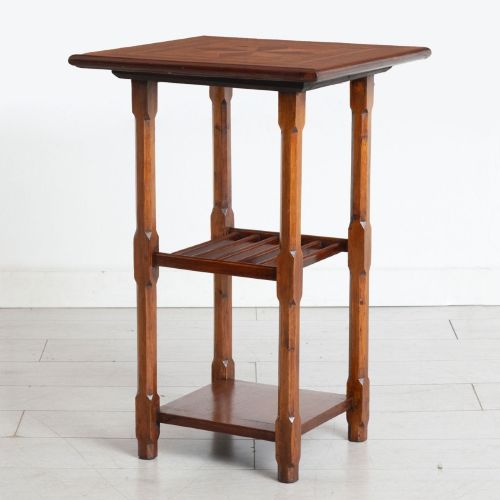
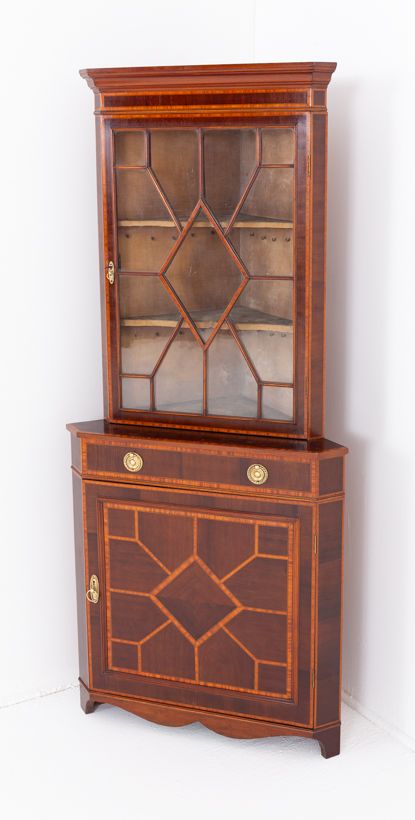
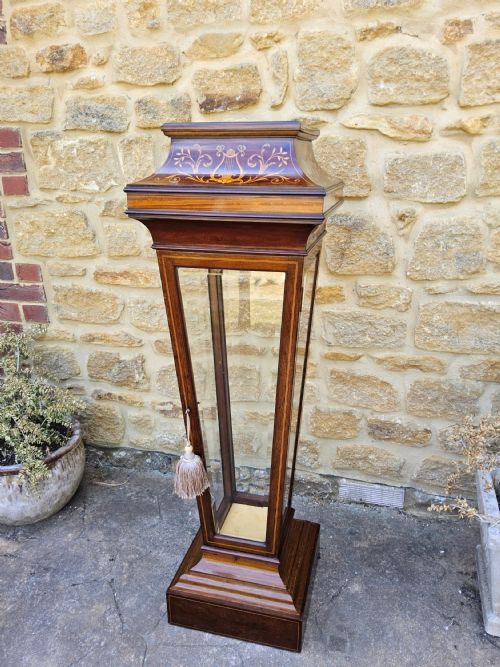
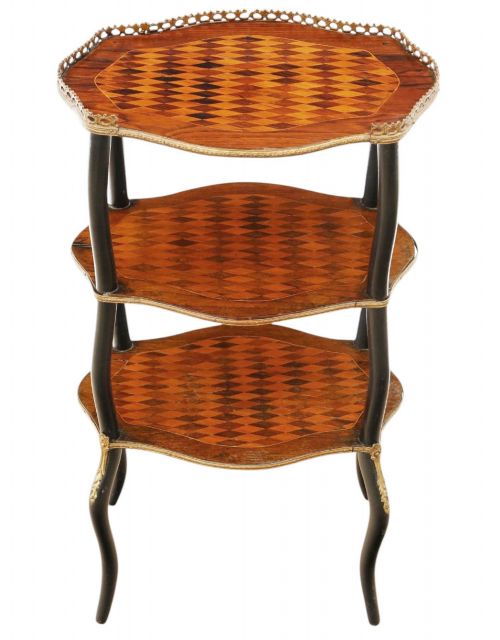
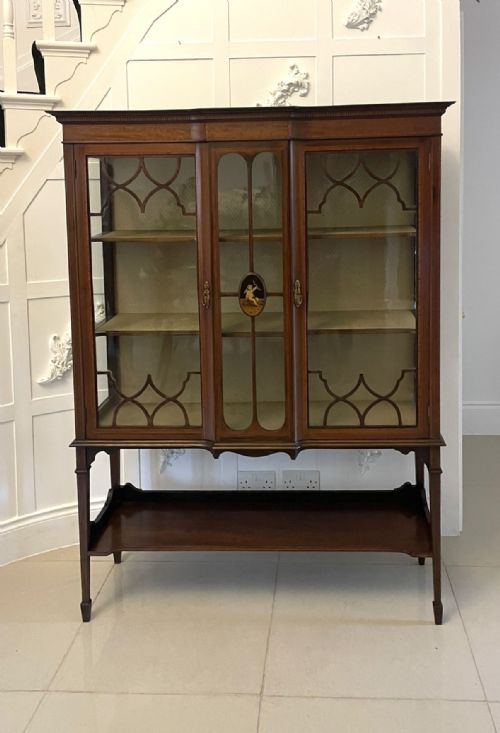
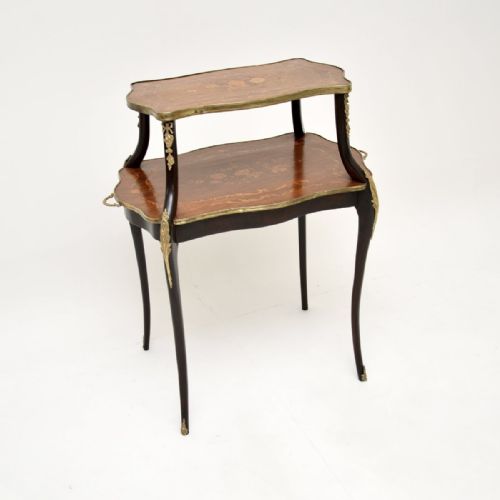
The assortment on this page ranges from corner cabinets and freestanding vitrines to tiered etageres and occasional tables. Mahogany and walnut form the structural core of many items, frequently decorated with satinwood or exotic wood details.
Sheraton Revival and French styles dominate the aesthetic range, reflecting periods of intense interest in classical symmetry and floral ornamentation. These items serve the dual purpose of surface storage and decorative focal point.
Distinctions in Quality and Execution
The distinction between standard commercial production and superior craftsmanship lies primarily in the precision of the wood inlay and the choice of secondary timbers. Finer examples exhibit tight, seamless junctions between contrasting veneers without excessive reliance on painted filler.
Structural integrity also separates the grades of these stands, noting how well doors hang, joints hold, and internal surfaces are finished. Pieces attributed to distinguished workshops display superior cabinetmaking techniques, including hand-cut dovetails and carefully selected burr veneers.
Early cabinetmakers occasionally hid secret compartments behind intricate marquetry panels, rewarding those who investigated the joinery closely.
Collinson & Lock·Edwards & Roberts·Shapland & Petter
The Marquetry Inlaid Display Stands Glossary
- Marquetry
- A decorative technique where small pieces of tinted wood, shell, or ivory are assembled into veneer patterns. This method creates pictorial designs of flowers, urns, or geometric scrolls across table tops and cabinet doors.
- Etagere
- A set of open shelves supported by columns, designed for displaying small ornaments and curiosities. French examples often feature serpentine edges and delicate marquetry decoration.
- Ormolu
- Gilded bronze ornamentation applied to the corners, feet, and friezes of fine nineteenth-century furniture. The metal adds a bright contrast to dark woods like mahogany and rosewood.
- Vitrine
- A glass-fronted cabinet designed specifically for the display of porcelain, glass, or small collectibles. These pieces protect delicate items from dust while allowing light to enter from multiple angles.
Marquetry Inlaid Display Stands: Frequently Asked Questions
How do I care for marquetry surfaces?
Keep these pieces away from direct sunlight and radiators to prevent the delicate wood veneers from drying and lifting. Natural beeswax applied sparingly helps maintain the lustre of the timber.
Avoid using modern aerosol polishes, which can build up a hazy residue over the intricate inlay work. A soft, dry cloth is sufficient for routine dusting.
How can I tell Victorian pieces from Edwardian revivals?
Victorian stands often employ heavier timbers, deeper carving, and darker finishes such as burr walnut or rosewood. Their forms tend toward solid proportions and elaborate ornamentation.
Edwardian Sheraton Revival pieces typically feature lighter satinwood or mahogany grounds with crisp, symmetrical floral inlay. The construction is generally lighter and brighter in overall tone.
Where should I place a display stand in a room?
Corner cabinets make efficient use of difficult room angles while drawing the eye upward. Freestanding vitrines and etageres benefit from placement near natural light sources to illuminate the items inside.
Ensure the floor is level so that doors on taller cabinets hang true and open without friction. Avoid damp walls, which can damage antique wood and glue joints.