


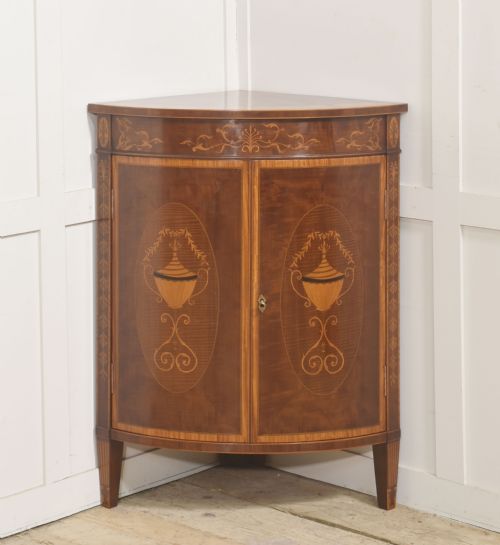
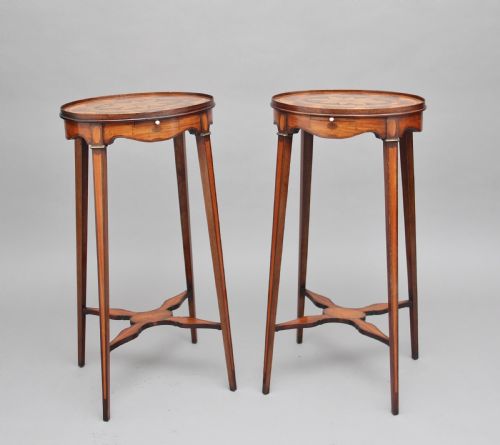


Mahogany Inlaid Urn Stands
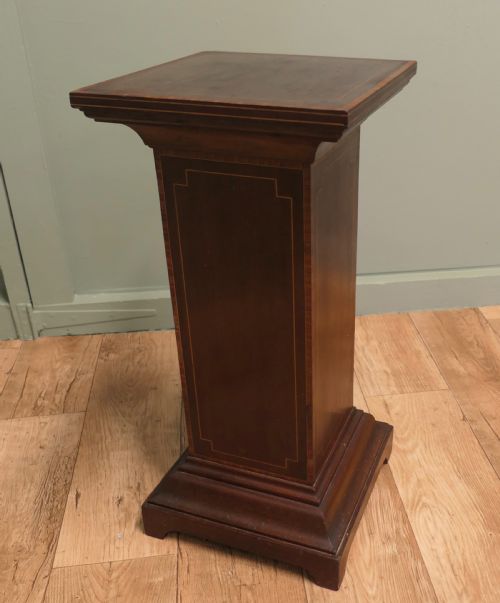
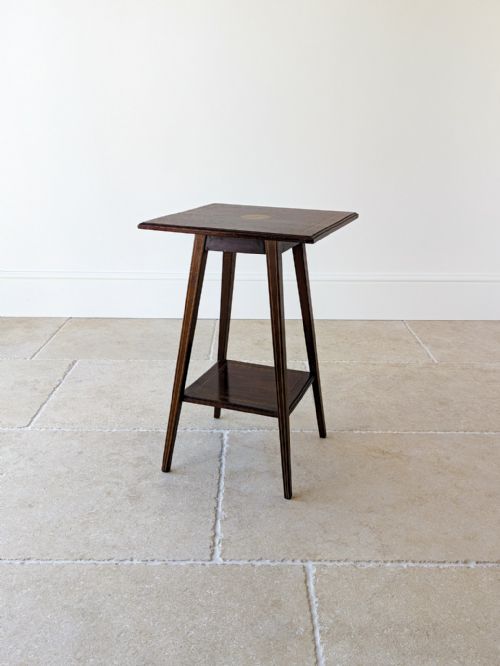
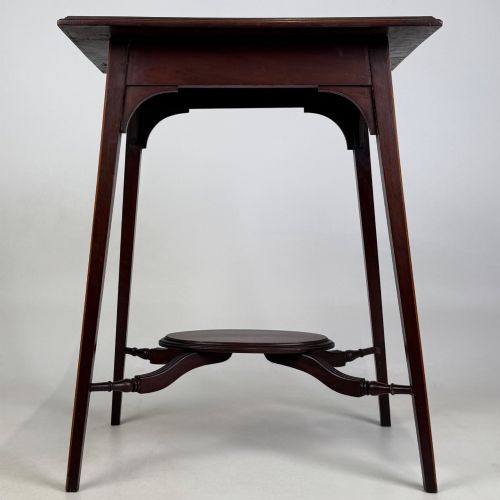
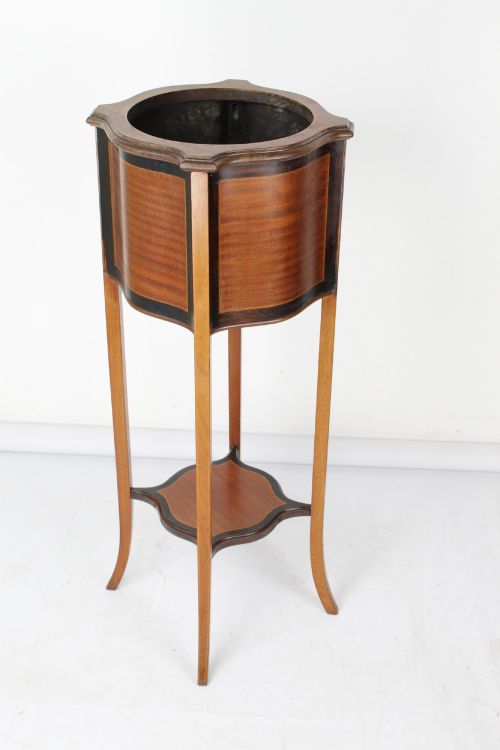
These mahogany inlaid urn stands bring refined proportion and timber detail to a room, offering a functional pedestal for display.
Mahogany Inlaid Urn Stands
When you search for mahogany inlaid urn stands, you encounter pieces designed to elevate small decorative items or vessels, spanning the Georgian, Regency, and Edwardian periods.
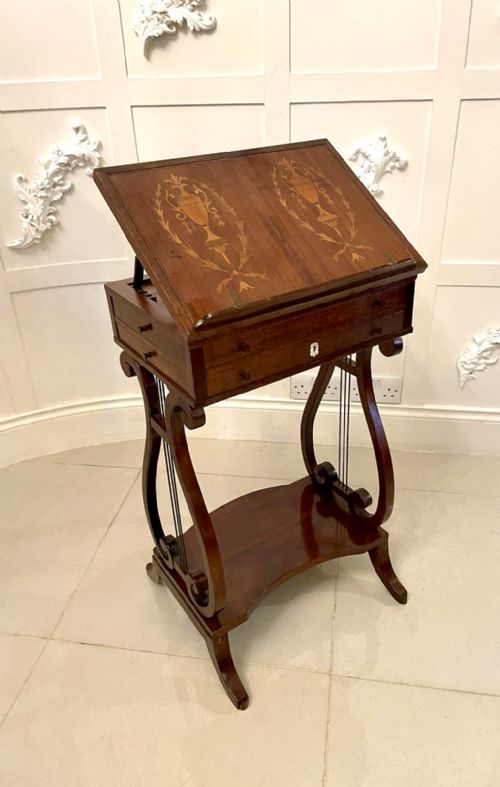
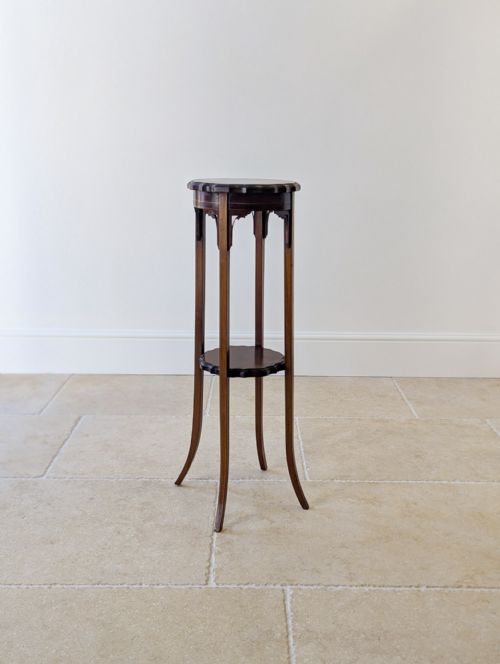
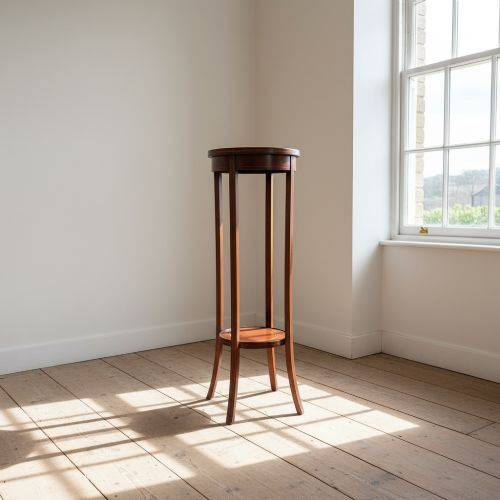
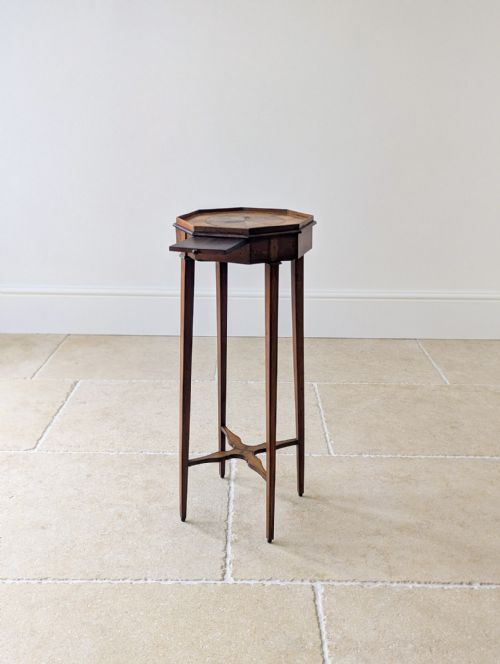
The selections on this page lean heavily towards Edwardian examples alongside Georgian forms, appearing as octagonal tables, plant stands, and occasional tables.
Makers across the eighteenth and nineteenth centuries utilised mahogany timbers combined with lighter contrasting woods to produce slender, upright furniture for domestic interiors.
What varies in quality
The standard of timber selection and the precision of the satinwood and boxwood inlay dictate the distinction between standard and finer examples.
Proportion and the crispness of the carving or edge banding separate utilitarian pieces from those produced during the Georgian and Sheraton revival periods.
Several stands double as nightstands or wine tables, proving eighteenth-century furniture had career ambitions.
The Mahogany Inlaid Urn Stands Glossary
- Mahogany
- A durable tropical hardwood prized for its rich reddish-brown colour and smooth grain. It served as the primary timber for high-status cabinet making.
- Inlay
- A technique where contrasting materials such as satinwood or boxwood are inserted into depressions within the mahogany surface to create decorative patterns.
- Octagonal
- Having eight sides and eight angles. This geometric form frequently defines the tabletops of eighteenth-century and Edwardian urn stands.
- Torchère
- A tall, slender stand designed to support a candle or lamp. These vertical pieces share similar proportions with traditional urn stands.
Mahogany Inlaid Urn Stands: Frequently Asked Questions
What is an urn stand used for?
These elevated surfaces originally supported tea urns or decorative vases in formal rooms.
Today they function as compact tables for lamps, plants, or small display objects in tight spaces.
How do I date a mahogany stand?
Examination of the timber, construction methods, and inlay style reveals the period of manufacture.
Georgian pieces show hand-cut joinery and earlier brass or wood treatments, whereas Edwardian revivals reflect later manufacturing techniques.
Where should I place an urn stand?
Their slender footprint makes them suitable for corners, hallways, or beside seating furniture.
They sit comfortably in both traditional and contemporary interiors as accent pieces.
What is Sheraton revival furniture?
This late nineteenth and early twentieth century style reinterprets the neoclassical designs of Thomas Sheraton.
Pieces from this movement frequently feature delicate satinwood inlay and classical mahogany proportions.