
Marquetry Inlaid Box
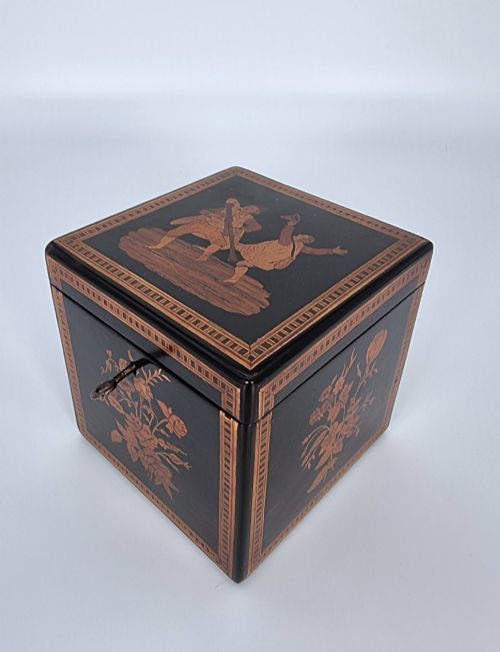
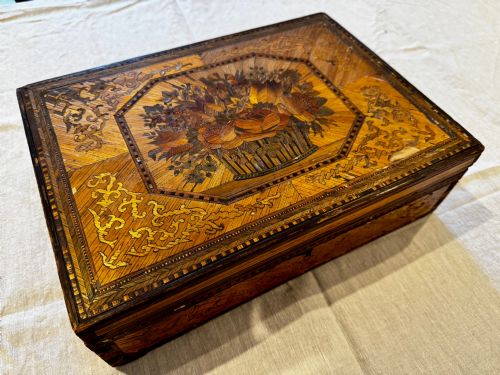
When you examine a marquetry inlaid box, you hold a miniature canvas constructed from finely cut veneers of exotic and native woods.
Marquetry Inlaid Box
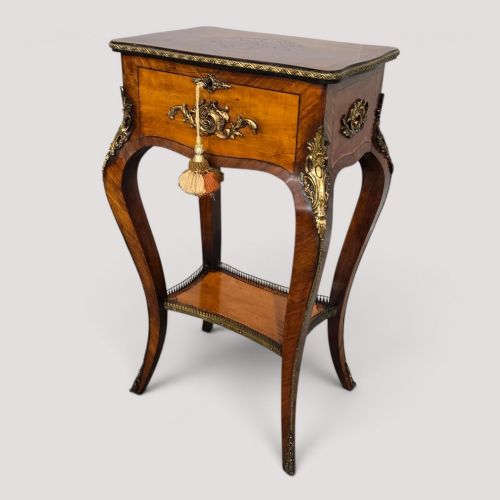
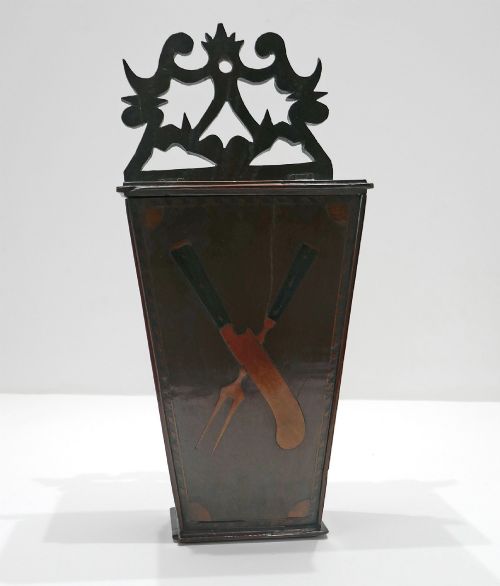
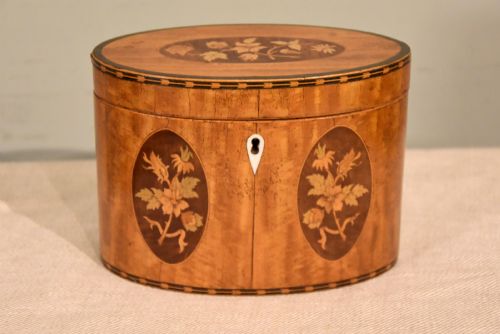
A marquetry inlaid box serves many domestic purposes across the centuries, appearing frequently as tea caddies, stationery boxes, jewellery receptacles, and games containers.
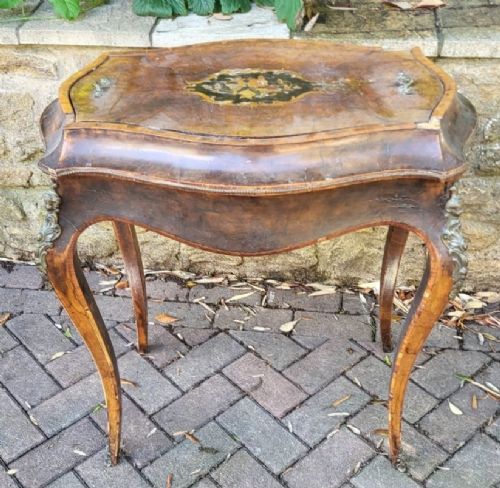
The selections span English, French, German, Italian, and Syrian origins, reflecting diverse regional woodworking traditions.
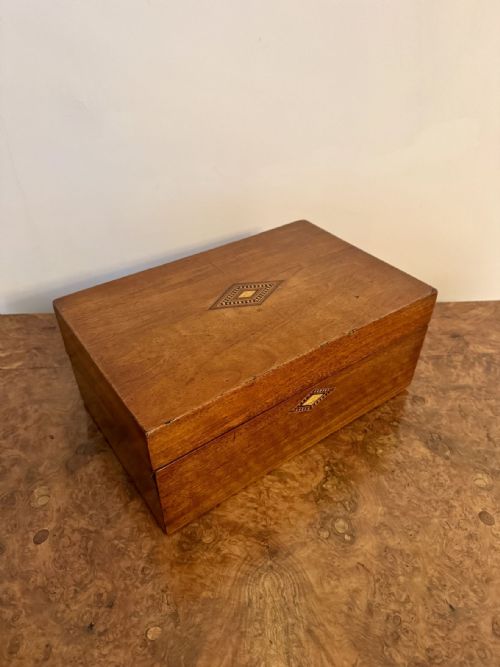
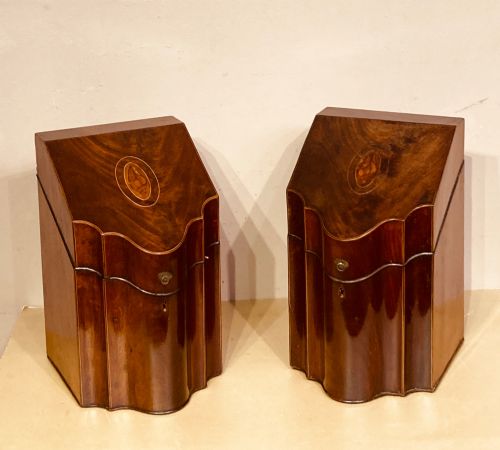
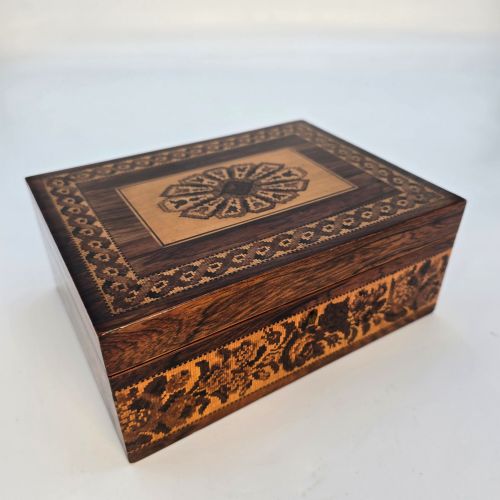
Victorian Tunbridge Ware examples dominate the domestic production, alongside Georgian satinwood and mahogany pieces.
Materials and Techniques
Cabinet makers combine walnut, rosewood, mahogany, satinwood, and harewood, applying delicate veneers across robust structural carcasses.
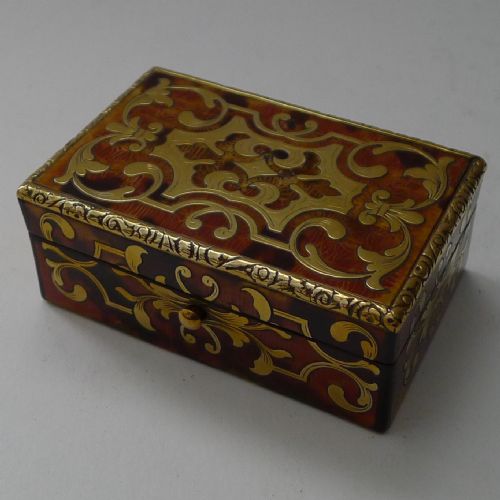
Specialised workshops utilise boxwood, bone, brass, and tortoiseshell to construct intricate geometric patterns and pictorial scenes.
Makers integrate contrasting grains and micro-mosaic wood segments to achieve pictorial depth without relying on added pigments.
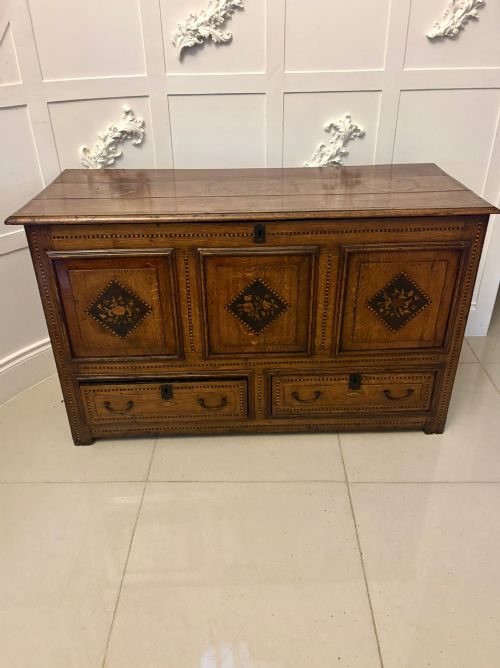
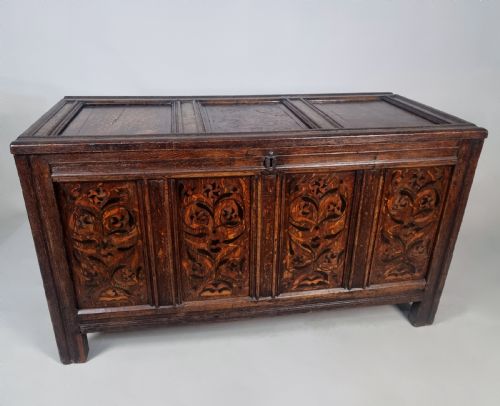
Listings span seventeenth-century oak coffers to twentieth-century Syrian mother-of-pearl trunks, demonstrating enduring marquetry traditions.
Markers of Distinction
The precision of the veneer joints and the complexity of the timber contrast dictate the distinction between standard production and masterwork items.
A superior piece maintains flush surfaces where disparate materials meet, displaying minimal shrinkage or lifting in the microscopic wood tesserae.
Original fitted interiors, working locks, and well-preserved hinges elevate the standing of surviving items.
Edmund Nye·James Shoolbred and Co·Henry Hollamby·William Seuffert
The Marquetry Inlaid Box Glossary
- Marquetry
- Decorative veneer work forming pictures or patterns on a wooden ground. Craftsmen assemble thin slices of tinted and textured woods into elaborate designs.
- Tunbridge Ware
- Form of wood mosaic originating from Kent, featuring microscopic wood blocks. These tiny tesserae create detailed floral or geometric motifs.
- Caddy
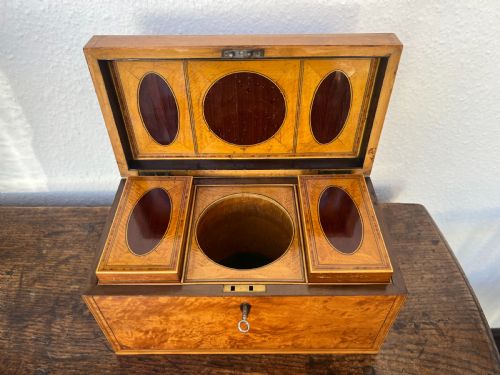
- Small container designed originally for storing loose tea leaves. They often feature multiple internal compartments and fitted glass mixing bowls.
- Teapoy
- Small table or stand incorporating a storage box for tea. These containers frequently rest on central pillars with pedestal feet.
- Tantalus
- Locking wooden frame holding decanters securely while displaying their contents. The framework prevents unauthorized access to the liquor bottles inside.
Marquetry Inlaid Box: Frequently Asked Questions
What were tea caddies used for?
Tea caddies served to store expensive tea leaves securely under lock and key in Georgian and Victorian households. Servants or hosts portioned the leaves using integrated compartments.
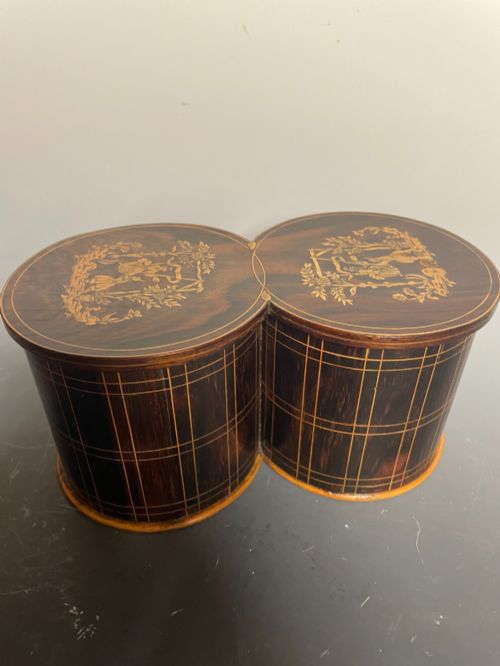
Many examples feature two internal canisters flanking a central glass bowl for blending black and green teas.
How do I care for a wood box?
Keep wooden boxes away from direct sunlight and rapid temperature fluctuations to prevent the delicate veneers from lifting or splitting. Maintain a stable indoor humidity level.
Apply occasional professional wax polish sparingly to nourish the aged polish without building up excess residue.
What is Tunbridge Ware?
Tunbridge Ware is a distinct type of wood mosaic work developed in Kent, characterised by thousands of contrasting timber blocks. Craftsmen arrange these tiny segments to depict butterflies, flowers, and architectural views.
Makers such as Edmund Nye and Henry Hollamby elevated this technique to a high art form during the nineteenth century.
How do I date an inlaid box?
Dating relies on timber choices, construction methods, hardware types, and stylistic influences such as Sheraton or Napoleon III. Walnut and marquetry panels often point to seventeenth or nineteenth-century workshops.
Internal paper linings, lock mechanisms, and documented signatures help narrow the decade of production.