

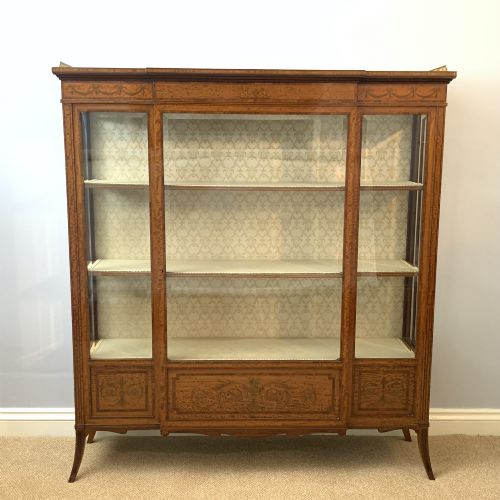
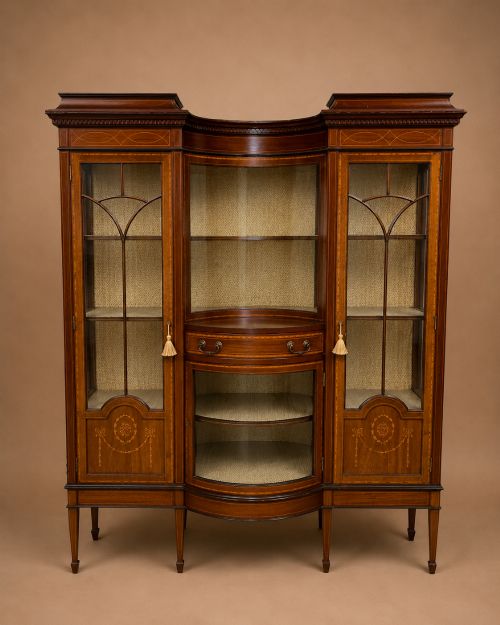
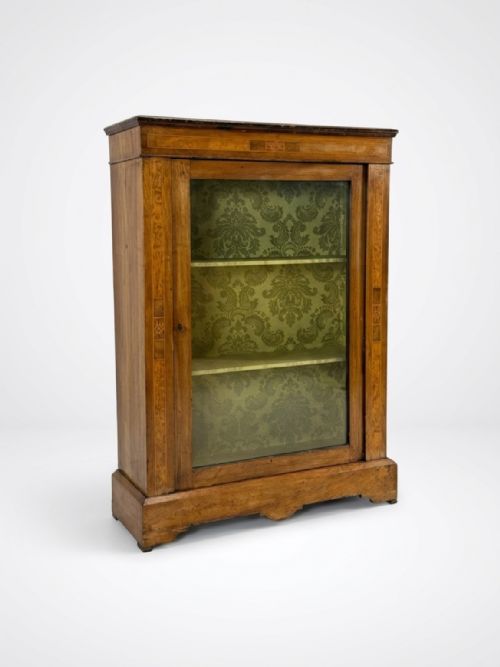
Marquetry Inlaid Bookcase
A marquetry inlaid bookcase combines precise wood-sawn decoration with practical shelving, offering a refined focal point for any room.
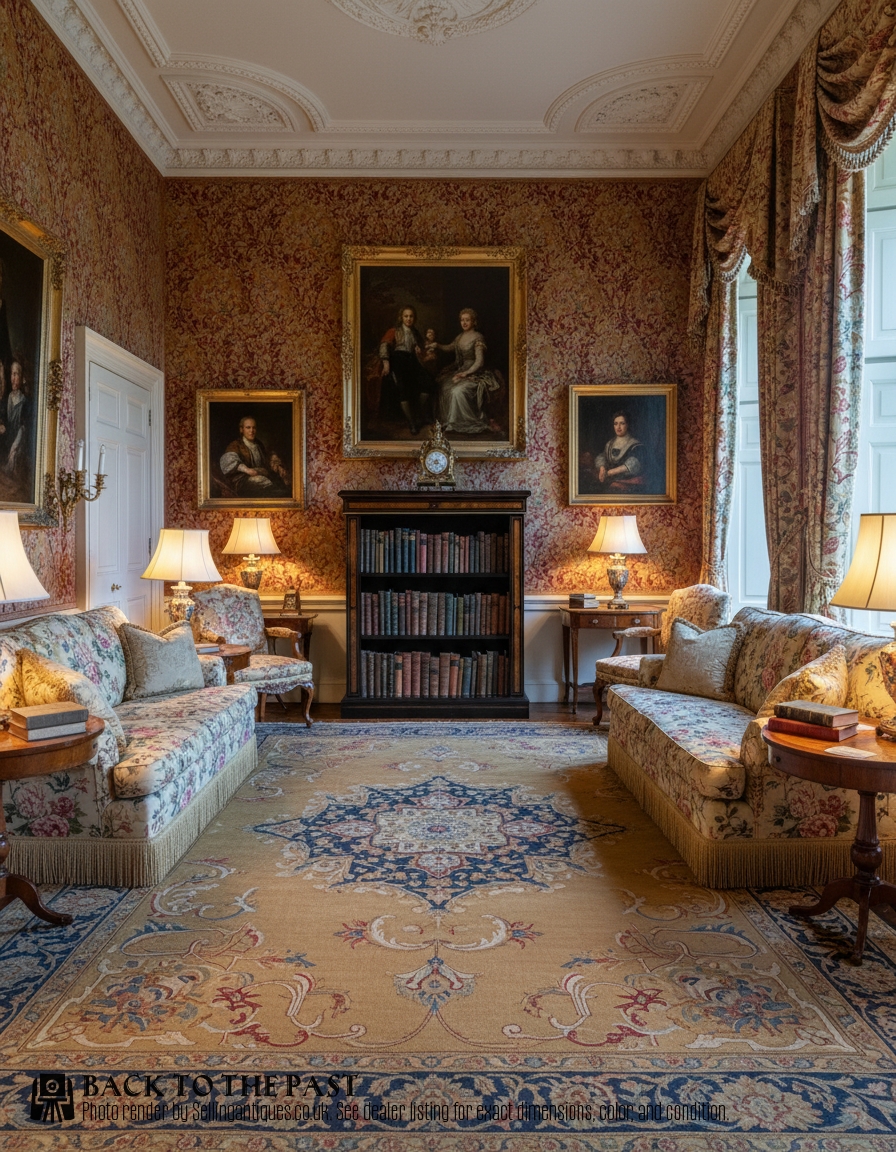
Marquetry Inlaid Bookcase
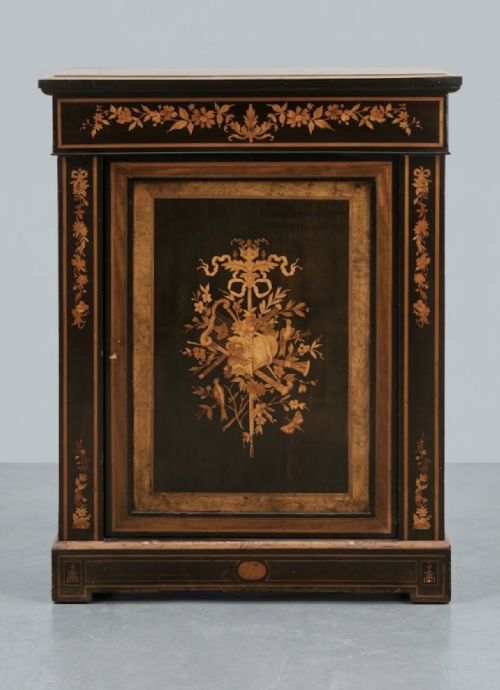
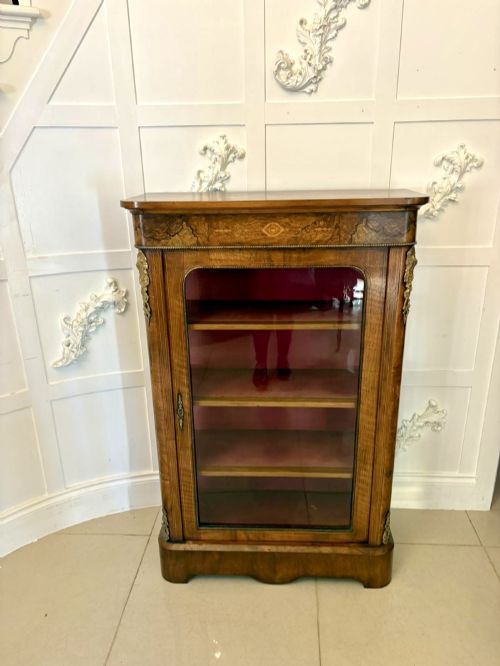
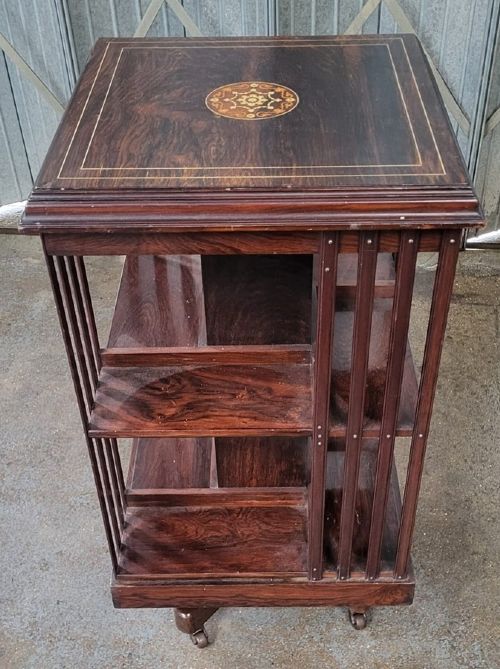
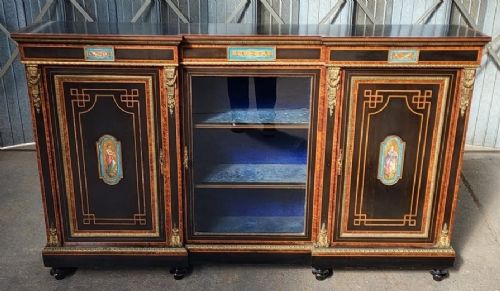
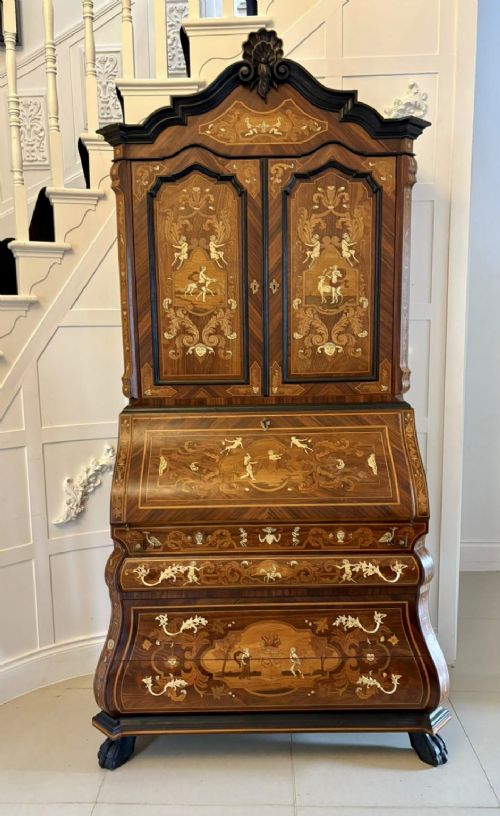
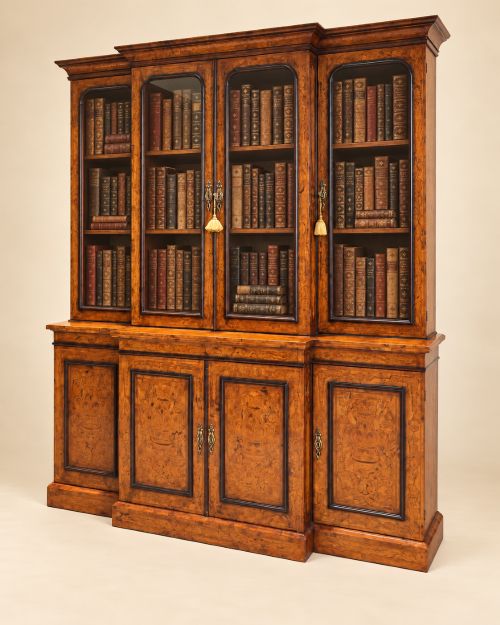
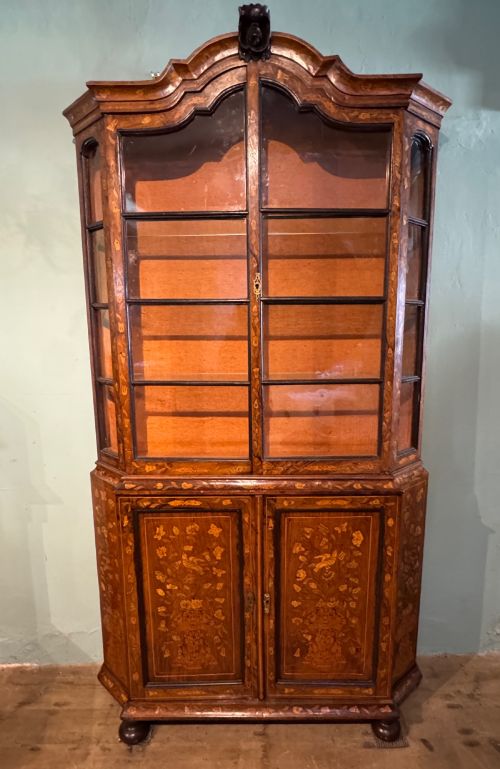
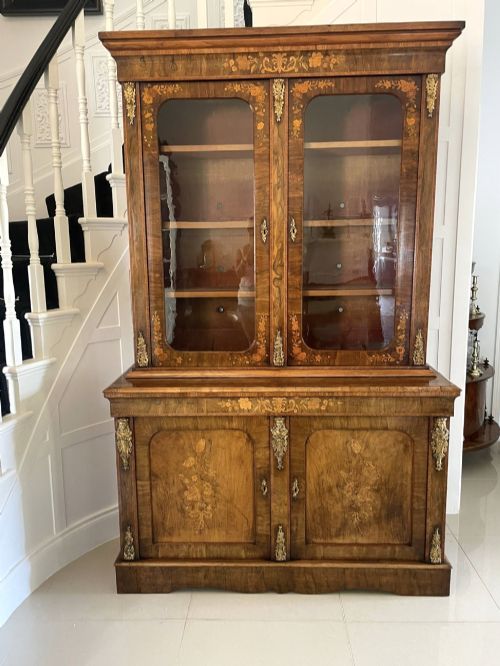
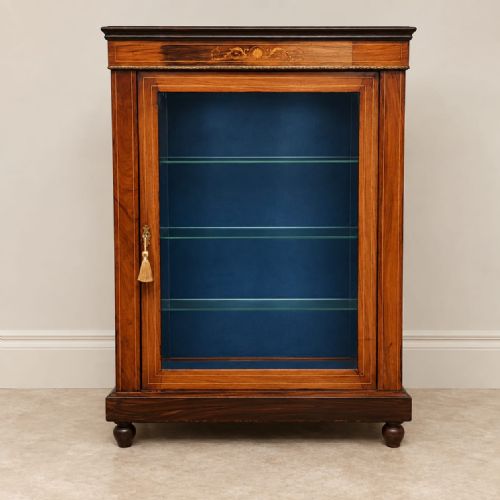
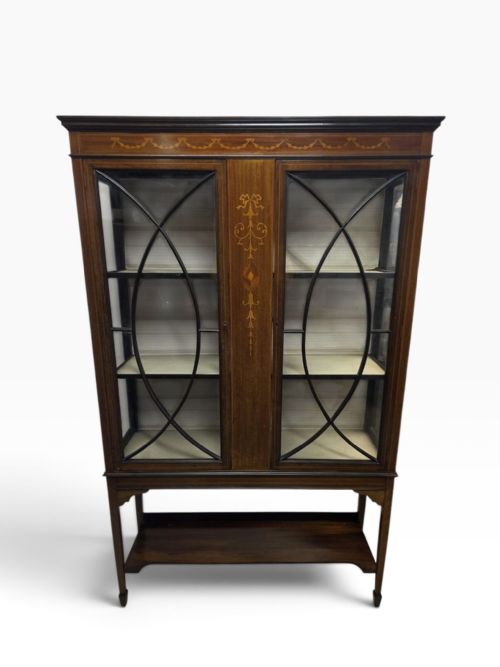
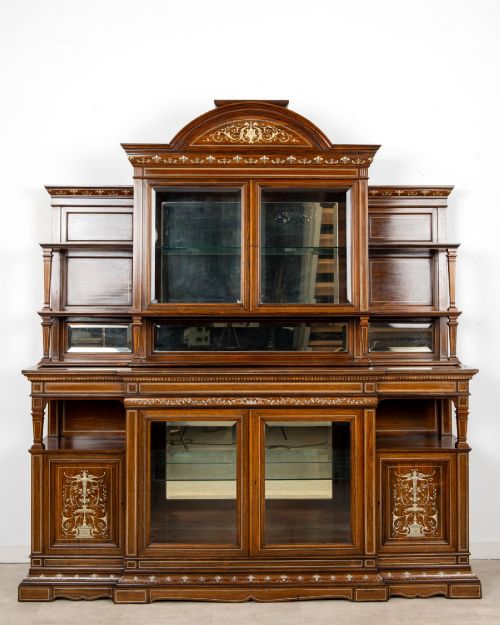
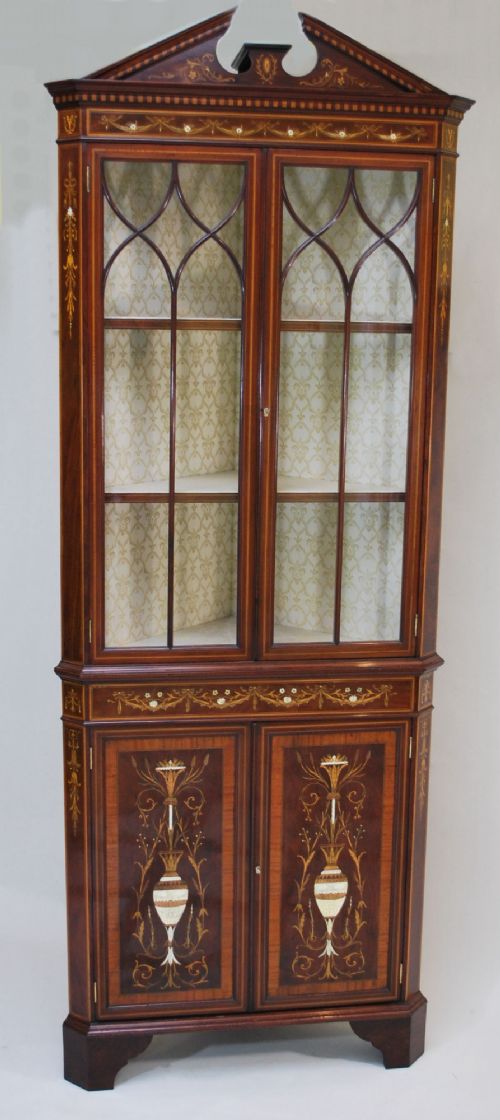
A marquetry inlaid bookcase serves as both a functional library piece and a decorative cabinet, designed to showcase bound volumes or collections behind glass or within open shelving. Buyers searching for a marquetry inlaid bookcase encounter varied forms spanning the eighteenth, nineteenth, and early twentieth centuries. The selection ranges from compact Victorian pier cabinets and Edwardian revolving bookcases to grand bureau bookcases and breakfront cabinets originating from British, Dutch, and Italian makers.
Victorian and Edwardian iterations dominate the selection, heavily featuring rich burr walnut, mahogany, and satinwood foundations. These pieces often incorporate glazed doors, brass mounts, or ormolu details alongside floral or geometric wood patterns. Bureau variants integrate fold-down writing desks, while tall display cabinets elevate the form into an architectural statement for the home.
How They Were Made
Cabinet makers constructed the foundational carcase using sturdy timbers like mahogany, walnut, or satinwood, often applying burr walnut veneers to achieve complex, highly figured grain patterns. Artisans then recessed thin veneers of contrasting woods such as tulipwood, rosewood, and ebony into the primary surface to form elaborate pictorial or floral marquetry designs.
Metal elements such as brass or ormolu mounts were cast and chased to edge doors, frame panels, or accent corners on high-status examples. Glass panels were hand-fitted into wooden tracery frames for display sections, whilst interior shelving was frequently made adjustable using wooden ratchets or metal shelf studs.
Listings feature eighteenth-century Dutch marquetry pieces alongside Victorian burr walnut pier cabinets and Edwardian mahogany revolving bookcases.
What Varies in Quality
The sophistication and depth of the marquetry design dictate much of the piece's distinction, ranging from simple geometric stringing to intricate, multi-timber floral pictorials. Precision in the veneer work, where individual pieces fit seamlessly without excessive filler or lifting edges, marks the hand of a superior workshop.
Timber selection and secondary framing establish the structural integrity, with dense burr veneers and solid mahogany carcases outperforming softer secondary woods. Finer examples display meticulous attention to interior fittings, original hardware, and restrained ormolu mountings rather than heavy, mass-produced ornamentation.
Collinson & Lock·Edwards & Roberts·Lamb of Manchester·Maple & Co·August Ungethüm
The Marquetry Inlaid Bookcase Glossary
- Marquetry
- The art of applying fitted pieces of wood veneer to a structural carcase to form decorative patterns or pictures. This technique defines the visual character of the pieces.
- Burr Walnut
- Wood taken from the abnormal growth of a walnut tree, yielding highly swirled and mottled grain patterns. It is frequently utilised on high-end Victorian cabinet doors.
- Ormolu
- Gilded bronze mounts applied to furniture for decorative accent. Workshops used these to embellish corners and door frames on select nineteenth-century pieces.
- Pier Cabinet
- A low display cabinet designed specifically to stand against the wall space between windows. These pieces often feature glass doors and elaborate marquetry tops.
- Bureau Bookcase
- A dual-purpose piece combining a sloping desk flap for writing with upper shelving for books. They often incorporate numerous interior pigeonholes and small drawers.
Marquetry Inlaid Bookcase: Frequently Asked Questions
How do I care for my bookcase?
Keep wooden furniture away from direct heat sources and sudden humidity changes to prevent veneer cracking or lifting. Apply a quality wax polish occasionally to nourish the timber and maintain the surface sheen.
Avoid using harsh chemical sprays or abrasive cloths on the polished wood or delicate marquetry inlay. Dust regularly with a soft, dry cloth to protect the antique finish.
How do I date an antique bookcase?
Examine the secondary timbers used for drawer linings and backboards, as pine, oak, and mahogany usage shifted across centuries. Stylistic clues such as Edwardian satinwood brightness or Victorian burr walnut proportions also provide clear chronological markers.
Maker stamps, stamps on drawer edges, and trade labels offer definitive proof of origin. Hardware styles and construction methods further help narrow the decade of manufacture.
Where should I place a display cabinet?
Position your cabinet away from direct sunlight to protect sensitive woods and book bindings from fading over time. Ensure the floor is level so that heavy glazed doors hang correctly and close smoothly.
Allow sufficient clearance around doors and drop-front desk flaps for ease of daily use. Rooms with stable climate control preserve the structural integrity of veneered furniture best.