



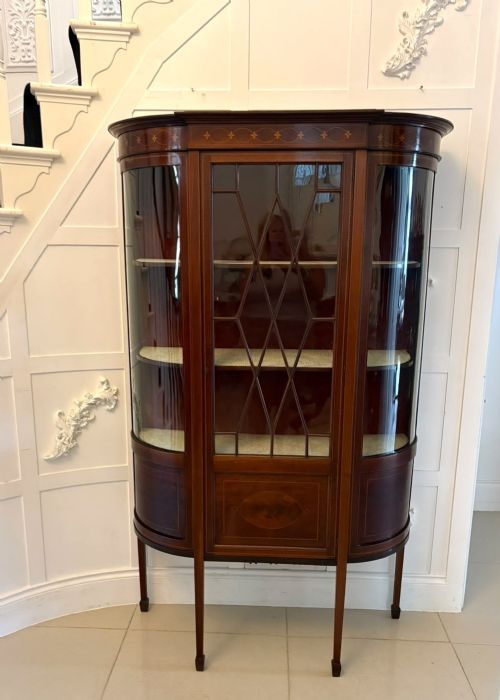
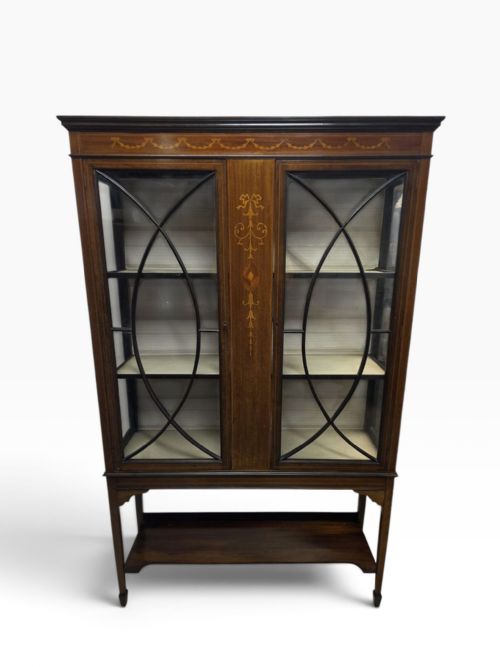
Marquetry Display Stand
Marquetry display stand pieces bring together intricate wood inlay and elevated presentation, offering a refined platform for ceramics, glass, and small collections.
Marquetry Display Stand
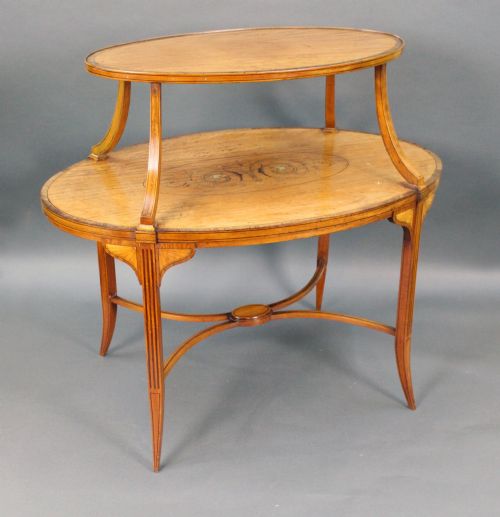
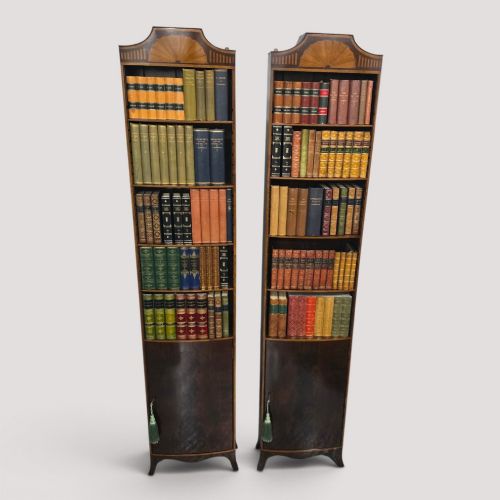
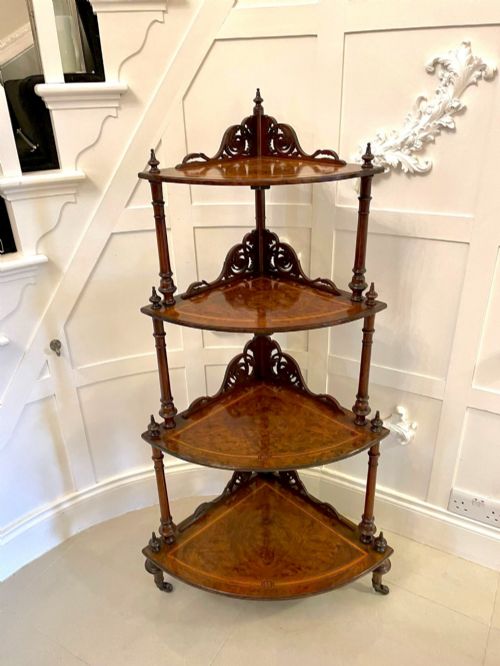
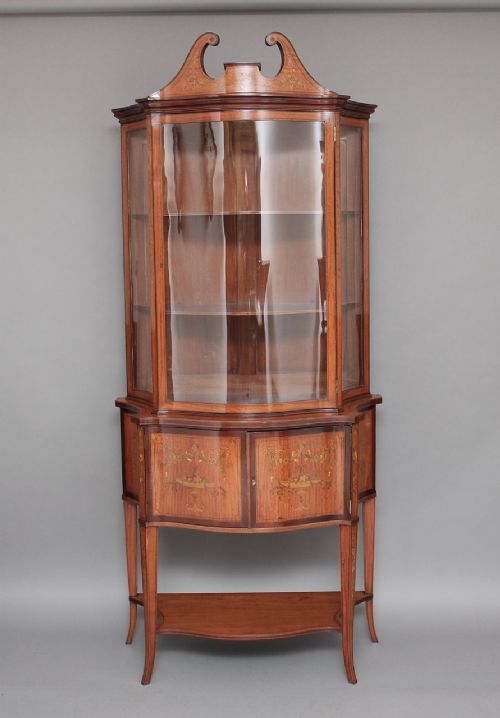
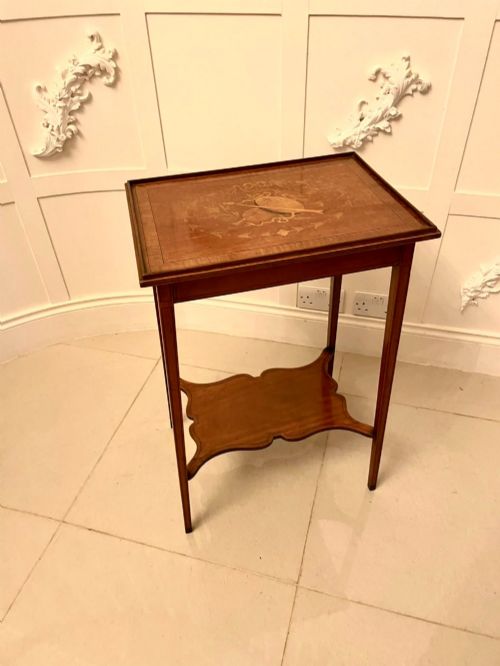
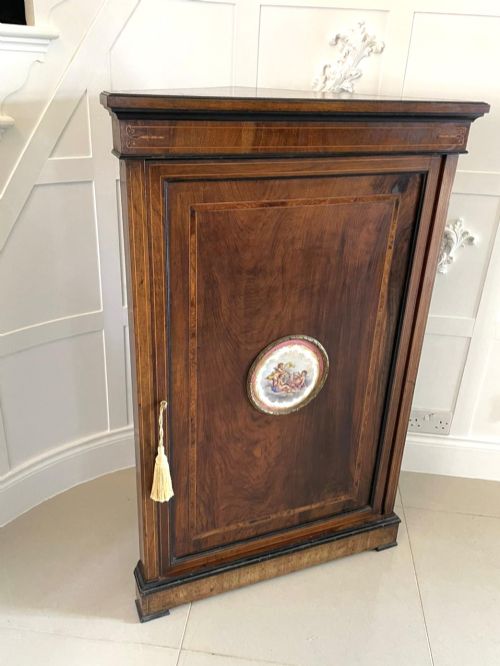
A marquetry display stand search encompasses various elevated forms designed to showcase objects, ranging from étagères and whatnots to corner cabinets and occasional tables on stands. These pieces emerge predominantly in Edwardian and Victorian contexts, alongside eighteenth-century and nineteenth-century examples influenced by Sheraton, French Louis styles, and Dutch Baroque traditions.
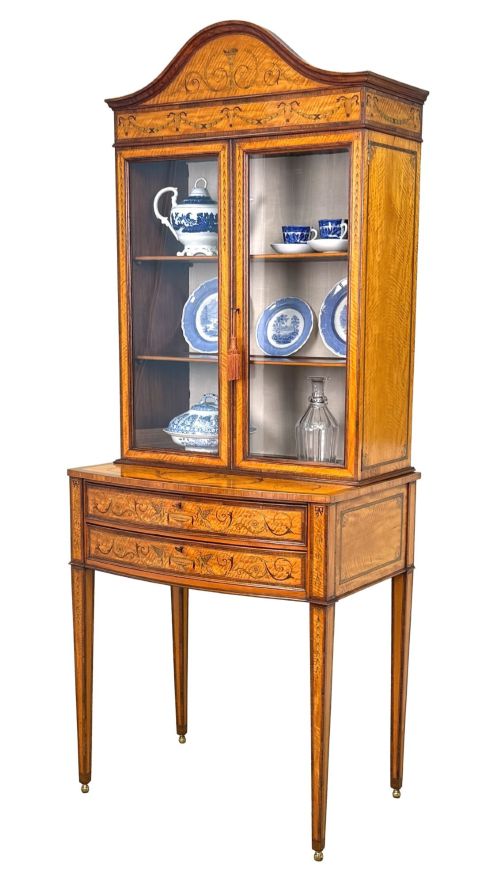
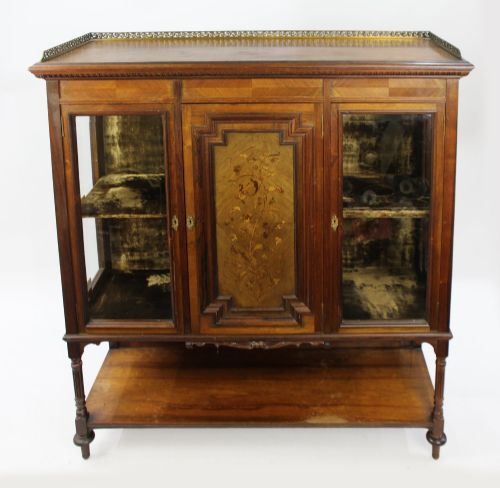
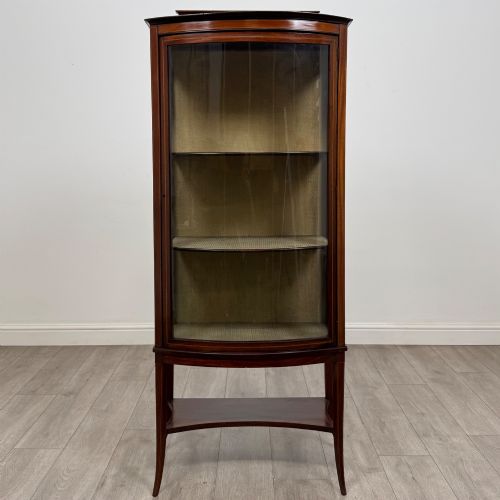
The buyer on this page is most likely to encounter Edwardian and late nineteenth-century mahogany, walnut, or satinwood pieces featuring detailed wood inlay. Corner cabinets, étagères, and display cabinets on stands dominate the selections, often incorporating glazed doors, open tiers, or ormolu mounts.
Makers such as Edwards & Roberts and Collinson & Lock appear in the records alongside various unattributed workshop productions from the transitional periods of nineteenth and twentieth-century design. The forms bridge functional storage and decorative exhibition, reflecting historical shifts toward lighter, refined household furnishings.
Materials and Construction Techniques
Makers construct these stands using primary carcasing timbers such as mahogany, walnut, satinwood, and rosewood, applying contrasting veneers for decorative effect. Wood inlay, or marquetry, forms floral, urn, or geometric motifs using dyed and natural woods set into the surface.
Mounts in cast brass and ormolu often accent the corners, legs, and galleries of French-influenced étagères and Victorian cabinets. Glazing techniques secure glass panels within slender timber frames to protect displayed items while maintaining transparency across multiple tiers.
Marquetry Display Stand Retail Price Guide 2026
Typical asking prices for marquetry display stand among the pieces listed under this phrase on Sellingantiques today, from the lower quarter to the upper quarter. They describe what is for sale here now, not the wider market.
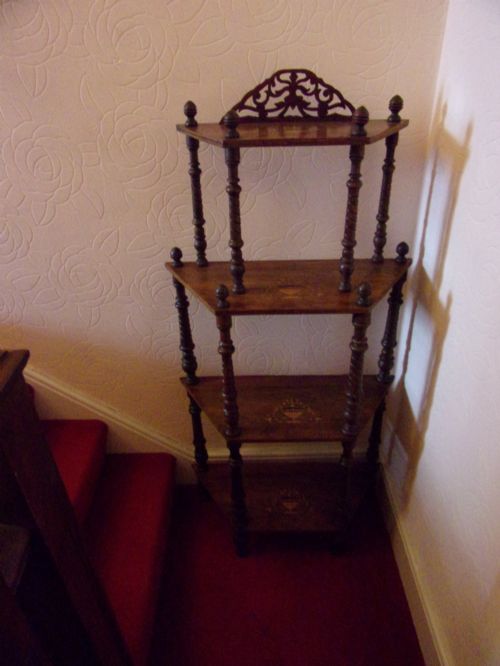
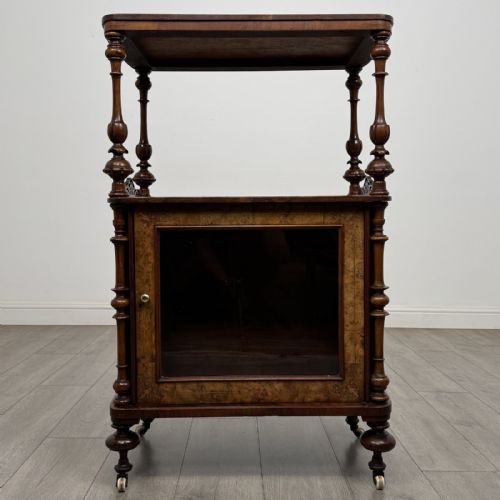
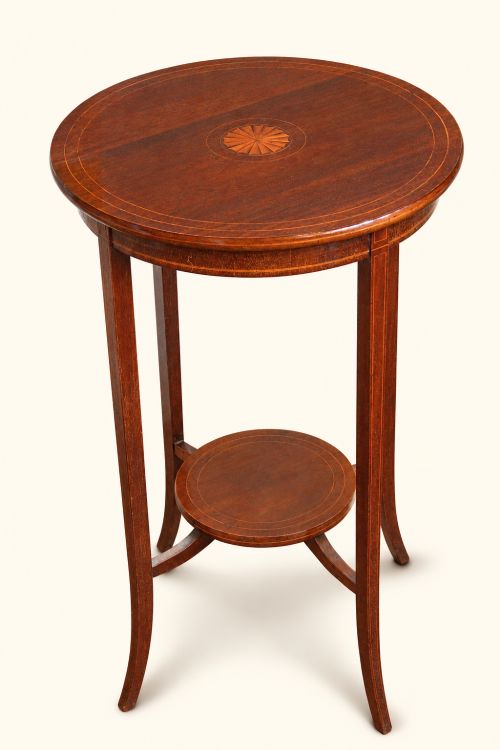
Form variations include open étagères, glazed corner cabinets, and occasional tables fitted with display shelves.
Evaluating Marquetry and Craftsmanship
Quality rests in the precision and complexity of the marquetry work, where tighter veneer joints and varied timber tones distinguish superior pieces from simpler linear banding. The choice of underlying cabinet wood, such as burr walnut or figured satinwood, also elevates the visual weight of the stand.
Structural integrity reveals itself in the delicacy of the turned or tapered legs and the tight fit of glazed doors and tiered shelves. Metal mounts cast with crisp detail rather than soft definition indicate a higher standard of manufacture across nineteenth-century and Edwardian workshops.
Edwards and Roberts·Collinson and Lock
The Marquetry Display Stand Glossary
- Marquetry
- Decorative veneer work forming pictures or patterns by assembling small pieces of coloured wood, shell, or ivory. This technique defines the surface decoration of tops, doors, and friezes.
- Étagère
- A piece of furniture consisting of a set of open shelves for displaying small articles. These tiers are often supported by slender columns or uprights.
- Ormolu
- Gilded bronze used for decorative mounts on furniture. It provides metallic contrast against dark or figured wood surfaces.
- Whatnot
- An open set of shelves used for displaying ornaments or books. Victorian examples frequently feature multiple tiers and turned supports.
- Satinwood
- A hard, yellowish wood used for fine cabinet making and inlay. It yields a lustrous, reflective surface when polished.
Marquetry Display Stand: Frequently Asked Questions
What is a marquetry display stand?
A marquetry display stand is a raised piece of furniture decorated with fitted wood veneers, created to hold and exhibit decorative objects. These items combine practical storage or surface space with detailed surface patterns.
They appear as corner cabinets on stands, multi-tiered étagères, and small display cabinets featuring glazed panels or open shelves designed for visual impact in a room.
How do I identify Victorian and Edwardian pieces?
Victorian examples often utilise dark timbers like burr walnut and rosewood, sometimes featuring heavy ormolu mounts and dense floral marquetry. Edwardian pieces tend to employ lighter satinwood and mahogany with refined Sheraton revival inlay.
Construction details also help distinguish the eras, with Edwardian workshops favouring slender tapered legs and lighter structural proportions compared to earlier nineteenth-century builds.
Where were these stands placed in a home?
These stands functioned in formal reception rooms, drawing rooms, and parlours to exhibit porcelain, glassware, and small collectibles. Corner cabinets utilised unused angles, while étagères stood freestanding or against walls.
Their open tiers and glass doors allowed guests to view collections from multiple angles while protecting delicate items from dust and handling.
How do I care for inlaid wood furniture?
Keep inlaid wood furniture out of direct sunlight and away from heat sources to prevent the veneers from drying, cracking, or lifting. Consistent indoor humidity levels protect the delicate timber joints and glue.
Dust surfaces gently with a soft, dry cloth and avoid silicone-based polishes that can degrade the traditional polish finish over time.