



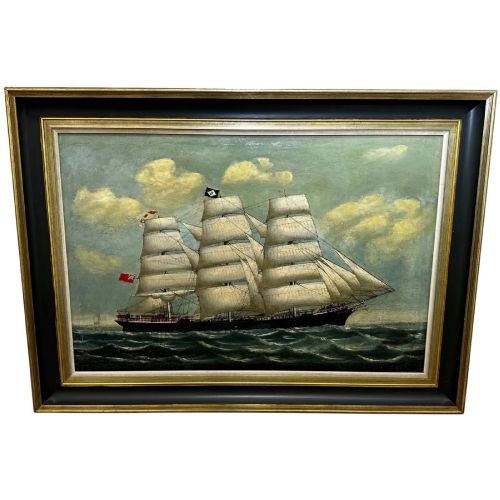
Maritime Vessel Artwork
Maritime vessel artwork captures the history of seafaring through painted depictions of ships, coastal scenes, and naval engagements.
Maritime Vessel Artwork
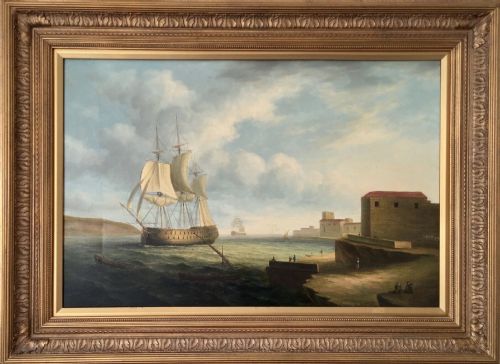
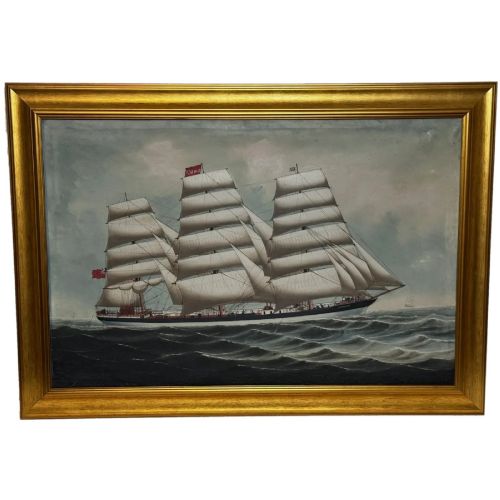
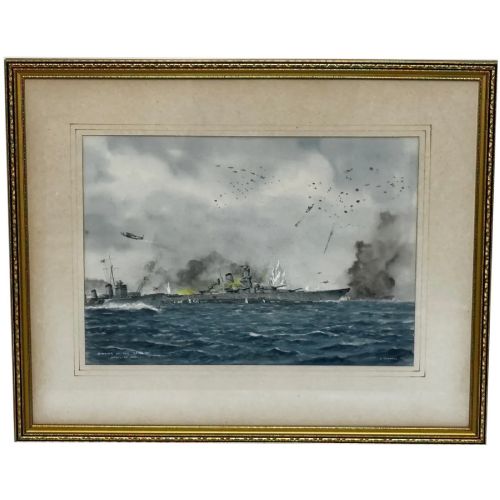
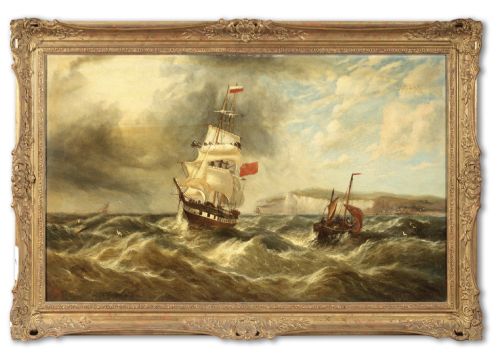
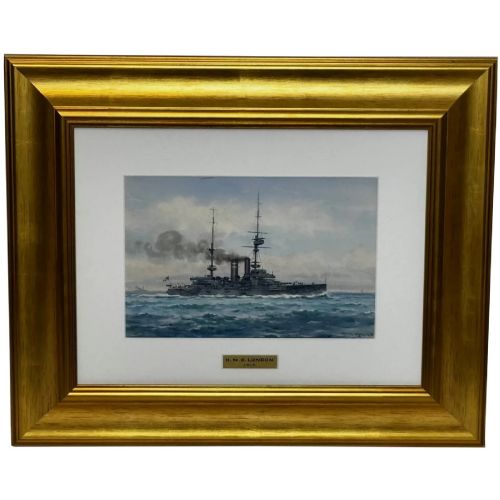
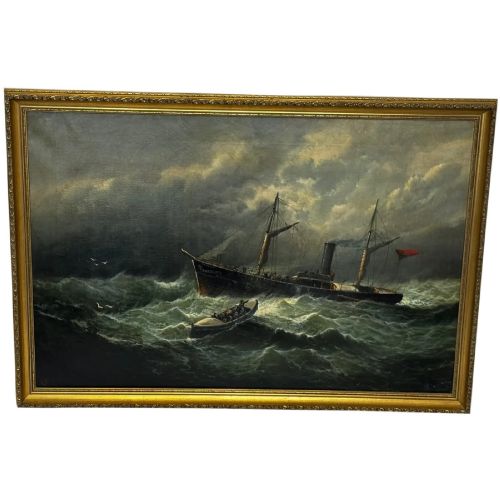
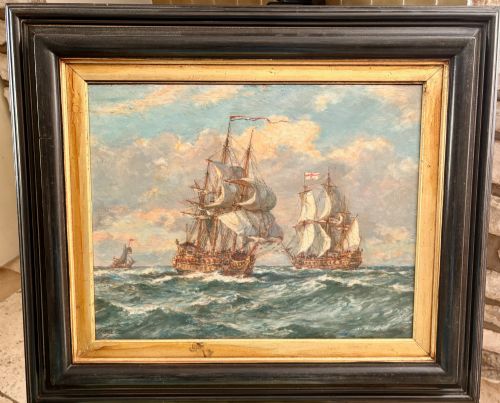
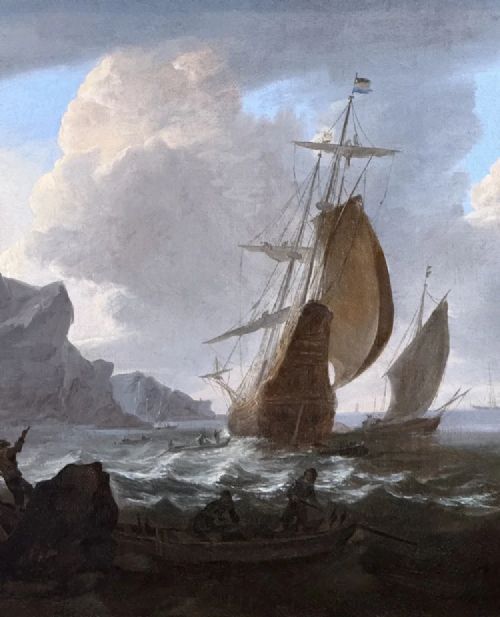
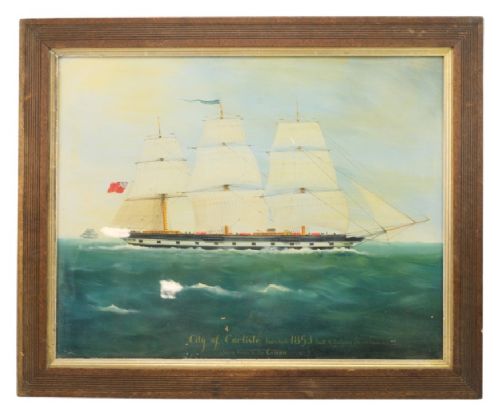
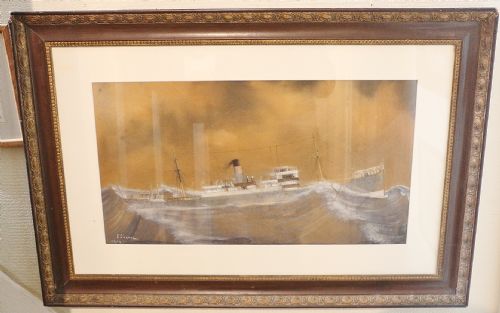
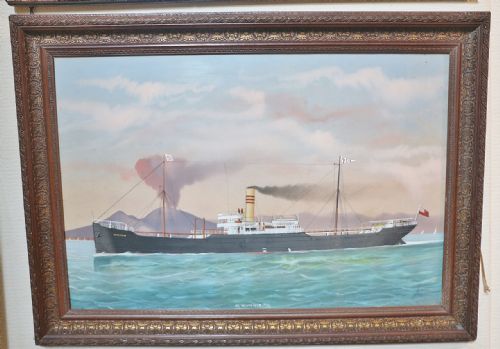
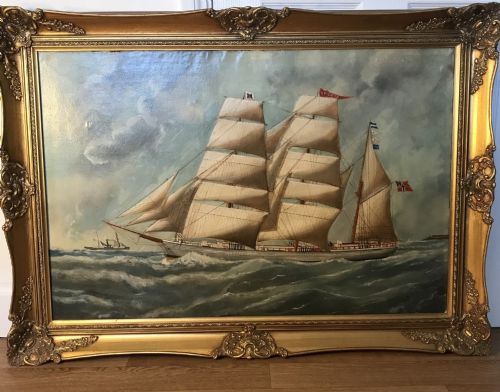
Maritime vessel artwork encompasses framed paintings and watercolours depicting ships, naval vessels, and coastal scenes across various periods. Buyers searching this phrase will find pieces ranging from early nineteenth-century oil paintings of merchant ships to twentieth-century watercolours of steamships.
The selections available lean heavily towards Victorian and Edwardian works, alongside pieces from the 1920s through to the 1960s. These works frequently depict specific named vessels, local harbours, and dramatic encounters in heavy seas or gales.
Traditional oil paintings on canvas or panel sit alongside delicate watercolours and gouache works on paper. Many items arrive framed, preserving the historical context of the maritime subjects they display.
Materials and methods
Artists producing maritime vessel artwork predominantly utilised oil paint on canvas, wood panel, or board to build rich textures and deep tones for stormy seas and dark hulls. Watercolour and gouache on paper served practitioners who favoured swift, precise line work and translucent washes for harbour scenes and naval portraits.
Support materials varied according to the era and scale of the work, with heavier wooden panels and stretched canvases supporting grand nineteenth-century oil compositions, while lighter paper supports accommodated detailed mid-century watercolours.
Sailors occasionally painted their ironclad warships as a sentimental tribute, ensuring every single gun turret was drawn with fierce affection.
Factors of quality
Quality in maritime vessel artwork rests upon the precision of rigging details, the accurate proportions of hull construction, and the artist's ability to render the movement of water. Works executed by accomplished painters demonstrate a strong understanding of nautical architecture alongside atmospheric lighting.
The handling of the medium further distinguishes the tier of a piece, separating mechanical or formulaic renderings from works that capture the weight of a heavy sea or the specific character of a named vessel.
Bonaventura Peeters·Frank Watson Wood·Eric Tufnell·Daniel Sherrin
The Maritime Vessel Artwork Glossary
- Pierhead painting
- A record of a specific ship, often commissioned by its captain or crew and typically executed with strict attention to the vessel's flags and rigging.
- Seascape
- A painting or watercolour depicting the sea, coastal views, or ships operating in open water or near shorelines.
- Gouache
- An opaque water-based medium that allows artists to build solid highlights and vibrant details on paper or board.
- Panel painting
- An artwork created on a rigid wooden support rather than stretched canvas, common in earlier periods.
Maritime Vessel Artwork: Frequently Asked Questions
What subjects appear in maritime vessel artwork?
These works typically depict sailing ships, merchant vessels, naval warships, and steamships operating in harbours or navigating rough seas. Many pieces record specific historical vessels on named voyages.
Scenes range from calm coastal anchorages to dramatic encounters in gales and storms.
How do I care for these paintings?
Keep works out of direct sunlight to prevent fading in watercolours and yellowing in older varnish layers on oil paintings. Maintain stable room temperatures to protect wood panels and canvases from warping.
Display watercolours behind protective glass and avoid placing pieces in damp environments.
How are periods identified?
Dating relies upon the ship types depicted, such as ironclad battleships or specific twentieth-century steamships, alongside artist signatures and framing styles. Costume details of any figures on deck also provide chronological clues.
Materials like wooden panels or early paper supports further assist in determining the age of a piece.
Were these pieces created by sailors?
Some works were produced by crew members as sentimental tributes to their ships, while others were painted by professional marine artists working from harbours or merchant ports. Pierhead painters often specialised in recording visiting vessels for local markets.
Both amateur sailor art and professional commissions capture accurate technical details of the rigging.