



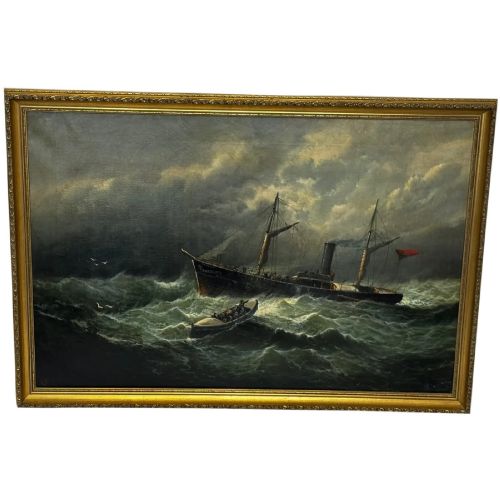
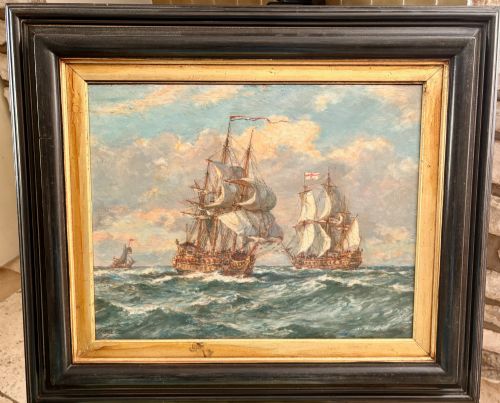
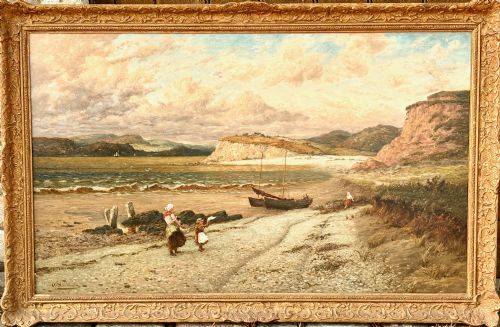
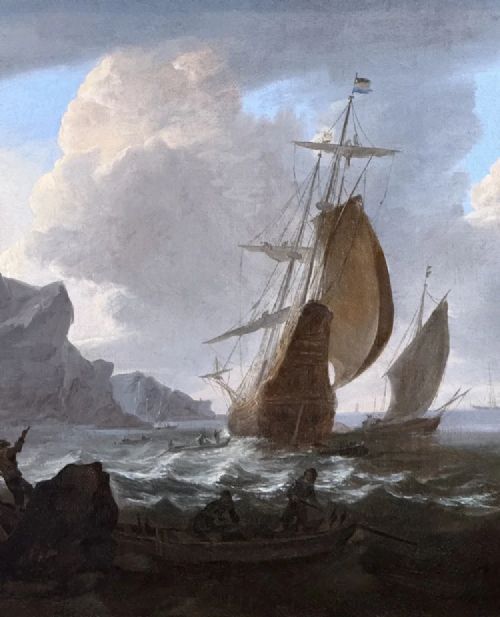
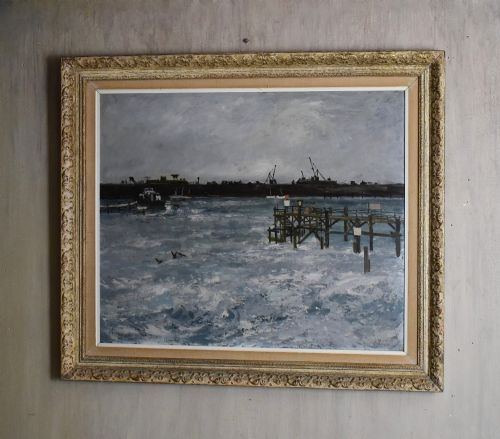
Maritime Seascape Canvas Art
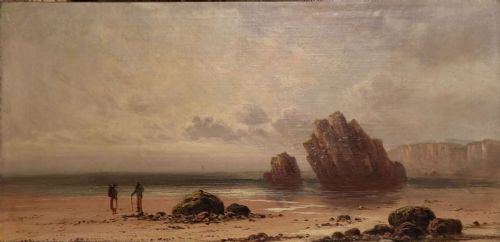
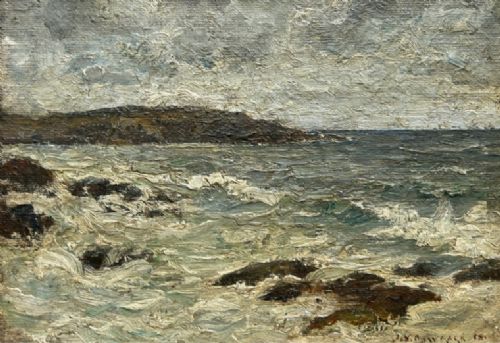
Maritime seascape canvas art captures the raw power and shifting moods of the open water through historic oil paintings.
Maritime Seascape Canvas Art
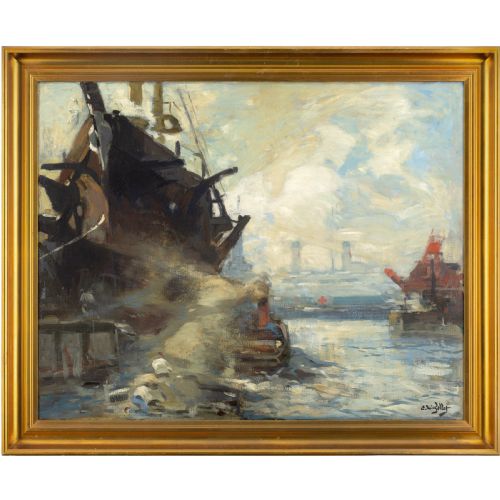
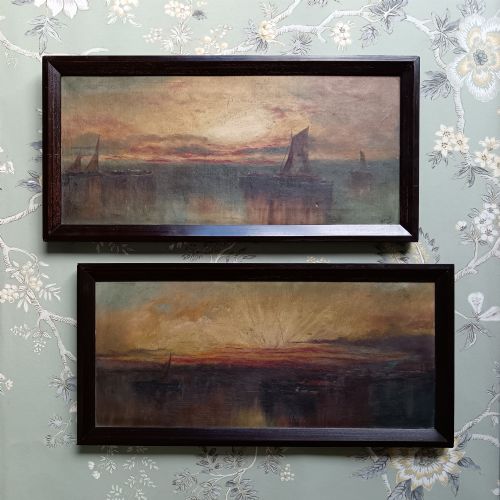
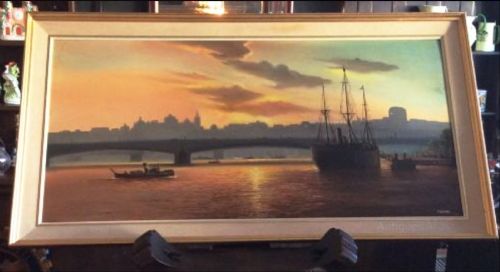
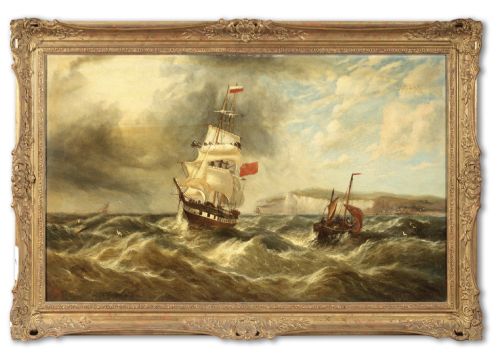
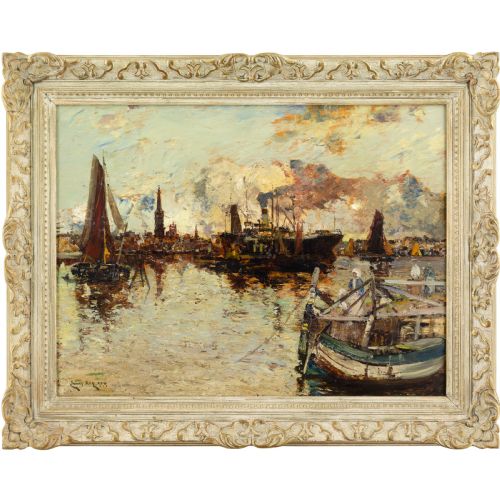
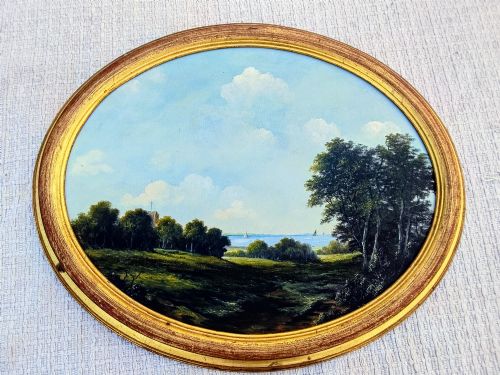
When you search for maritime seascape canvas art, you encounter oil paintings that record coastal views, harbour scenes and ships in heavy seas. These works range from late Victorian panoramic vistas to mid-20th-century coastal interpretations.
The pieces on this page typically feature canvas stretched over wooden frames or applied to boards, often housed in period giltwood surrounds. Subjects vary from bustling industrial ports to quiet coastal inlets and dramatic shipwrecks.
Materials and Technique
Artists built these scenes using oil paint layered on stretched canvas or wooden boards, allowing for rich texture and deep colour variation. Impasto techniques were frequently employed to capture the choppy movement of waves and clouds.
Frames made from wood and finished with gilt or giltwood enhance the visual depth of the paintings. These traditional mountings protect the edges of the canvas and complement the maritime subject matter.
Materials commonly recorded include oil paint, canvas, wood, and giltwood frames.
Judging Quality
The skill of the brushwork and the accuracy of maritime detail separate standard decorative pieces from accomplished fine art works. Painters who understood rigging, wave mechanics and light produced more convincing ocean scenes.
The preservation of the original oil surface and the integrity of the canvas influence the overall standard. Original giltwood frames that match the period of the painting also contribute to the integrity of the piece.
Eugène-Louis Gillot·William McAlpine·Bernard Gribble·Bonaventura Peeters·Francis Moltino·John Wilson Carmichael·Abraham Hulk I
The Maritime Seascape Canvas Art Glossary
- Impasto
- A technique where paint is laid on an area of a surface in thick layers, making brush strokes visible. This method adds tactile texture to crashing waves and billowing sails.
- Giltwood
- Wood that has been treated with gold leaf or a gold-coloured metallic finish. It provides a reflective border around traditional oil paintings.
- Marine art
- Depictions of the sea, ships, and coastal environments. This genre includes historical naval battles, merchant shipping, and quiet shorelines.
- Barque
- A sailing vessel with three or more masts. This specific ship type frequently appears in 19th-century maritime paintings.
Maritime Seascape Canvas Art: Frequently Asked Questions
What subjects appear in these paintings?
These works depict sailing ships, merchant vessels, harbour scenes, and coastal landscapes in varied weather conditions. Many capture specific locations such as the Thames, Venice, and local British ports.
Artists also recorded historical events, naval engagements, and everyday maritime trade across the nineteenth and twentieth centuries.
How should I care for an oil painting on canvas?
Keep the artwork away from direct sunlight, high humidity, and rapid temperature changes to protect the canvas and oil paint. Avoid using water or liquid cleaners on the painted surface.
Dust the canvas gently with a soft, dry brush when needed. Ensure the wooden frame is securely hung without placing undue stress on the stretched fabric.
How do I date a maritime oil painting?
Examine the style of the clothing, architecture, and vessel types depicted within the scene. Shipbuilding designs and maritime technology changed rapidly across the 19th and 20th centuries.
Signatures, framing materials, and inscriptions on the reverse of the canvas or board provide further clues to the period of creation.
What is the difference between a seascape and a marine painting?
Seascapes generally focus on the natural environment of the sea, coastline, and weather without necessarily featuring human watercraft. They emphasise the mood of the water and the sky.
Marine paintings place greater emphasis on ships, boats, naval history, and maritime activities taking place upon the water.