

Original Edwardian Oil Painting
An original edwardian oil painting brings the rich brushwork and distinct domestic charm of the early twentieth century directly onto a wall.
Original Edwardian Oil Painting
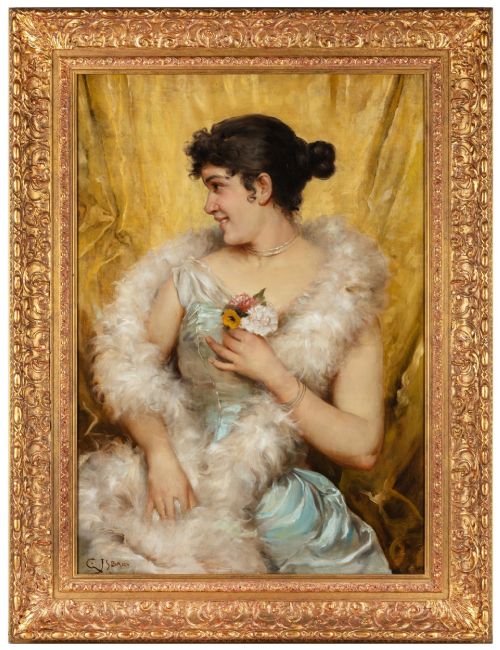
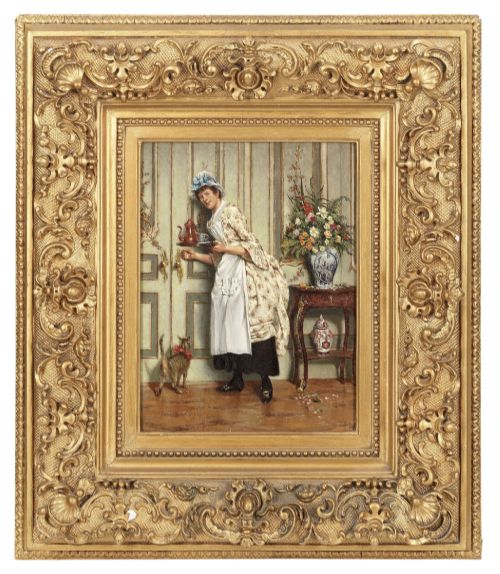
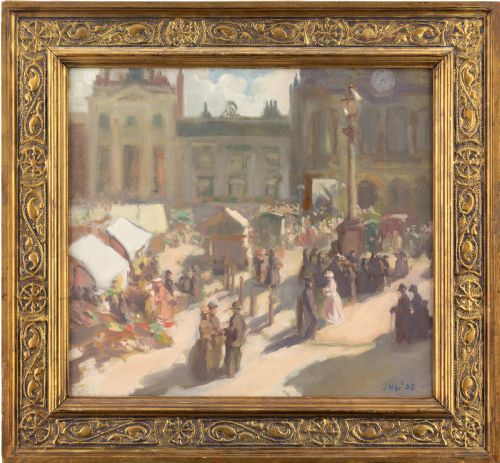
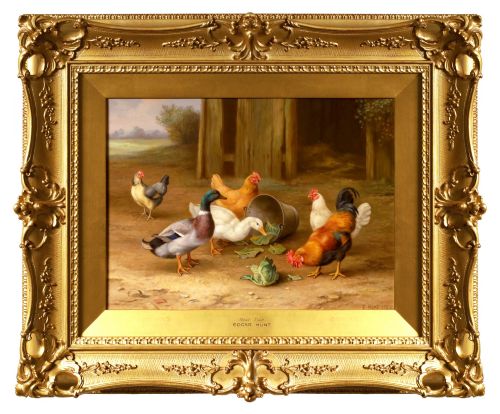
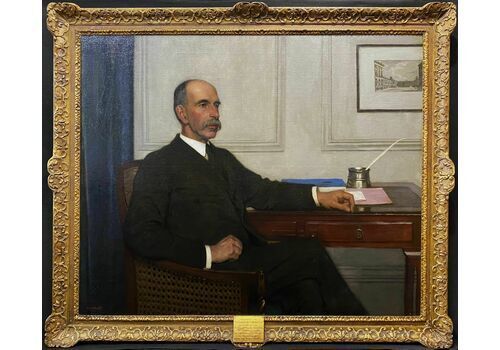
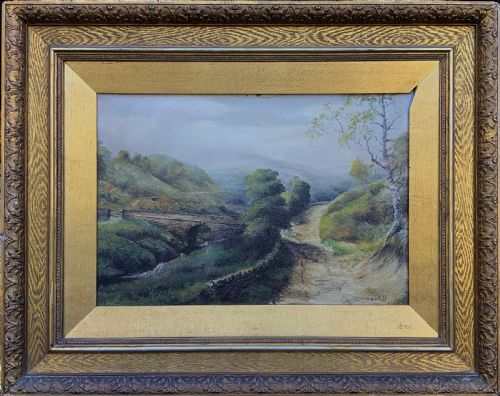
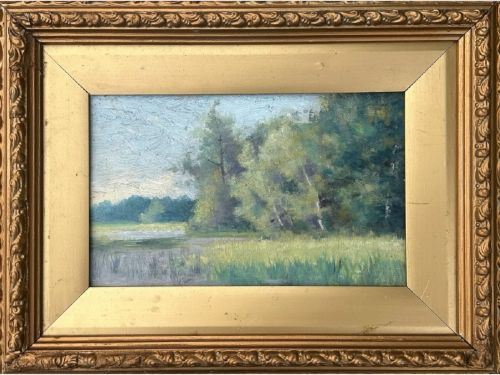
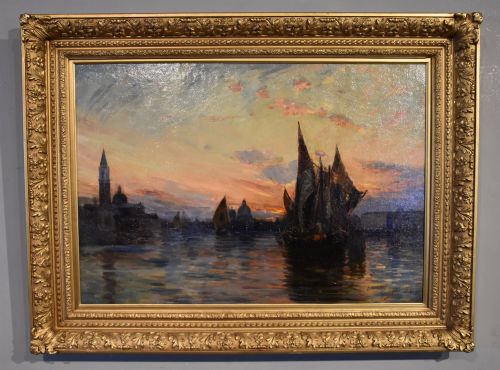
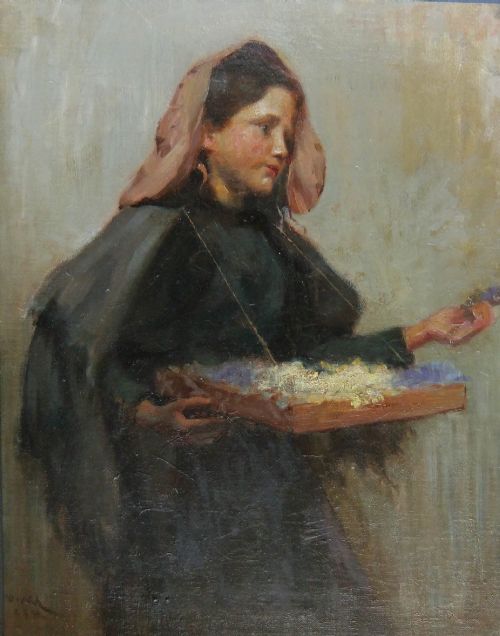
When a buyer searches for an original edwardian oil painting, they encounter framed works depicting rural landscapes, portraits, marine scenes, and still lifes. These artworks span the Edwardian era, the late nineteenth century, and the early decades of the twentieth century, reflecting the tastes of British and European schools.
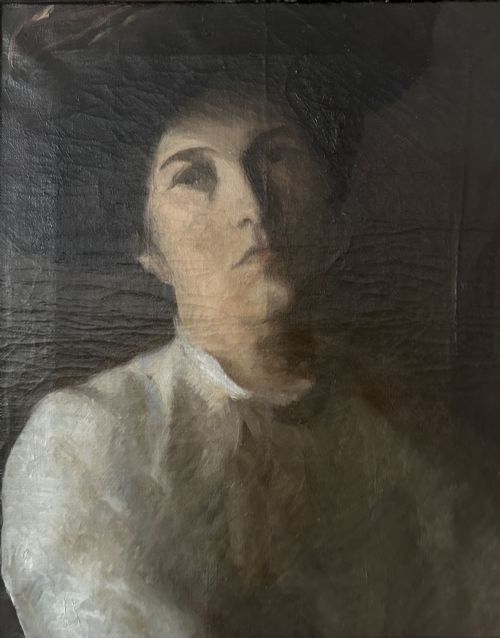
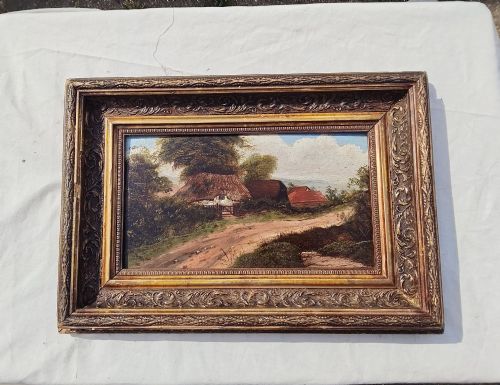
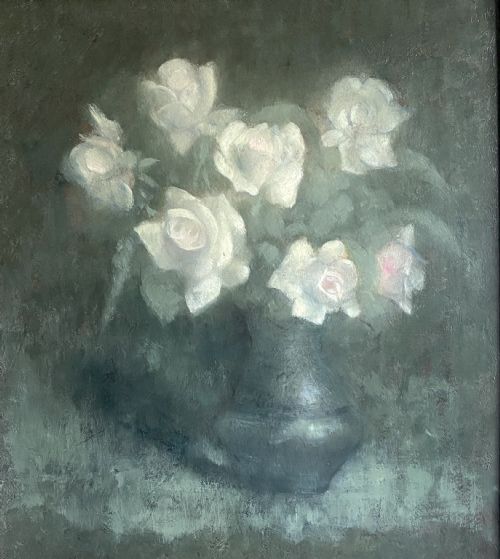
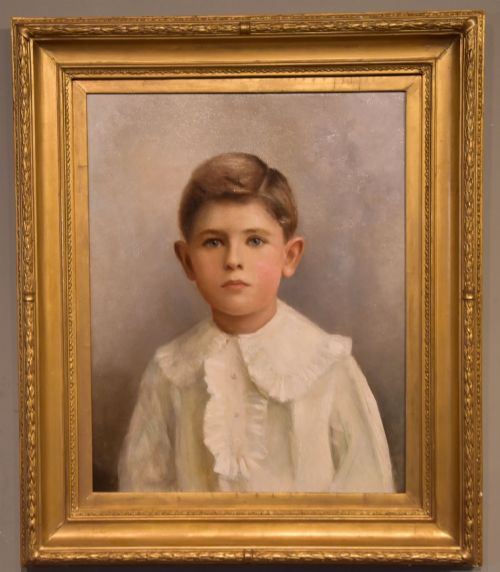
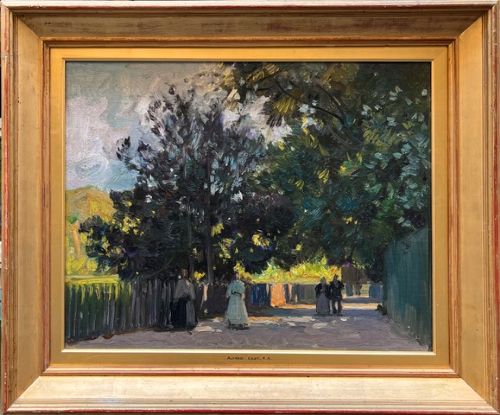
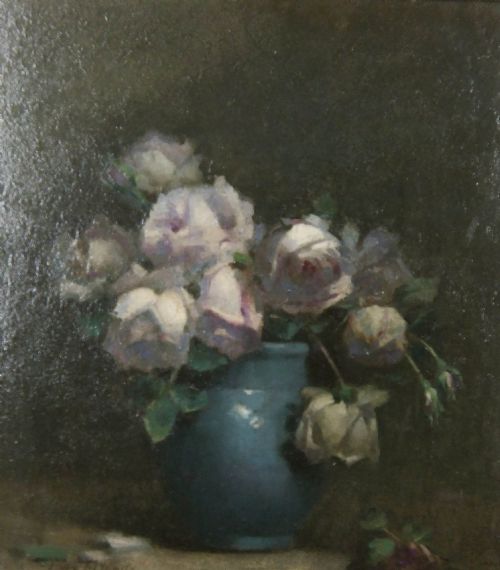
The most frequent examples on this page are landscapes on canvas or wood panel, often housed in period gilt frames. Portraits of ladies, children, and animals also appear regularly, alongside floral still lifes from the art nouveau period.
Materials and construction
Artists painted primarily with oil paint on stretched canvas, wooden panels, or card supports. These grounds were mounted inside timber frames, frequently decorated with gesso and gilt wood to complement the domestic interiors of the period.
Makers applied pigments using traditional brushwork techniques, ranging from smooth realist portraiture to the looser impressions associated with british impressionism and the newlyn school.
Listings feature works executed on canvas, wood panel, board, and card, spanning periods from the late nineteenth century through the nineteen-thirties.
Distinctions in quality
Quality rests in the handling of light, depth of composition, and the confidence of the brushwork across the canvas. Stronger pieces display a clear command of tone and perspective, whether capturing a river path, a country interior, or a floral still life.
The preservation of the original paint surface and the harmony between the artwork and its period frame also influence the overall standing of a piece.
Stephen Samuel Lewin·Edgar Hunt·Harold Knight·Charles Napier Hemy·Allan Douglas Davidson
The Original Edwardian Oil Painting Glossary
- Canvas
- A heavy woven fabric stretched across a wooden frame to serve as a support for oil paint. It provides a slightly textured surface that holds layered pigments securely.
- Giltwood
- Timber carved and coated with a thin layer of gold leaf or metallic gilt. This finish frames many Edwardian and Victorian artworks.
- Gesso
- A plaster-like mixture applied to wood frames before gilding to create smooth surfaces for ornamentation. It allows for crisp decorative moulding.
- Panel
- A flat piece of wood used as a rigid painting support instead of fabric. Panels were often utilised for smaller cabinet-sized works.
Original Edwardian Oil Painting: Frequently Asked Questions
What subjects appear in these paintings?
The subjects range widely from British country landscapes and river paths to intimate indoor portraits of ladies and children. Floral still lifes and marine views along the coast also feature prominently.
Artists of the period drew inspiration from daily domestic life, local rural scenery, and traditional pastoral themes.
How do I identify an Edwardian frame?
Edwardian frames are typically constructed from wood and finished with gesso and gilt, often matching the artistic style of the painting within. They provide structural support and enhance the visual depth of the canvas.
Many retain their original gilding, showing natural signs of age that correspond to the period.
Where were these artists trained?
Many painters belonged to established British and Scottish schools, exhibiting through regional art societies and academies. Artists associated with groups like the Newlyn School favoured plein-air working methods.
Their training is reflected in the confident brushwork and structured compositions seen across the works.
How should I care for an oil painting?
Keep the painting away from direct sunlight and fluctuating humidity to protect the oil paint and canvas. Dust the surface and frame gently with a soft, dry cloth without using liquid cleaners.
Proper environmental conditions ensure the preservation of both the gesso frame and the painted canvas.