



Maritime Scale Model
These maritime scale model pieces are detailed representations of vessels and nautical gear, offering a tangible connection to naval history that collectors treasure.
Maritime Scale Model
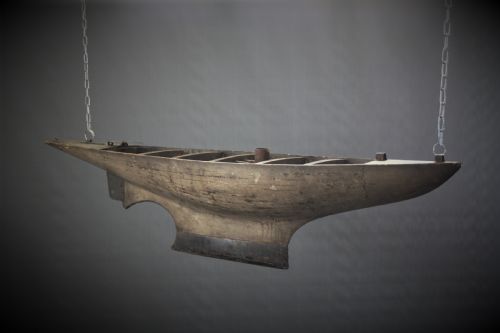
You are most likely to meet wooden sailing vessels and cased ship models from the Victorian and Edwardian eras on this page. These pieces capture the craftsmanship of maritime history, ranging from scratch-built schooners to large pond yachts.
How they were made
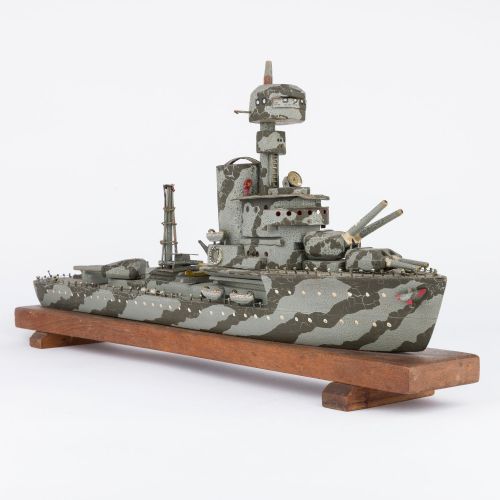
Makers utilised traditional materials such as wood, metal, brass, and glass, often incorporating canvas, cordage, and thread for rigging and detail. Paint finishes were applied to emulate actual vessel hulls and deck structures.
Construction techniques involved scratch building and detailed scale reduction, creating miniature representations of naval battleships, commercial barques, and experimental anchors.
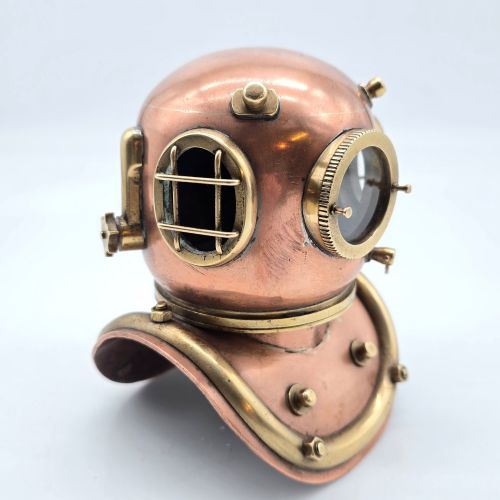
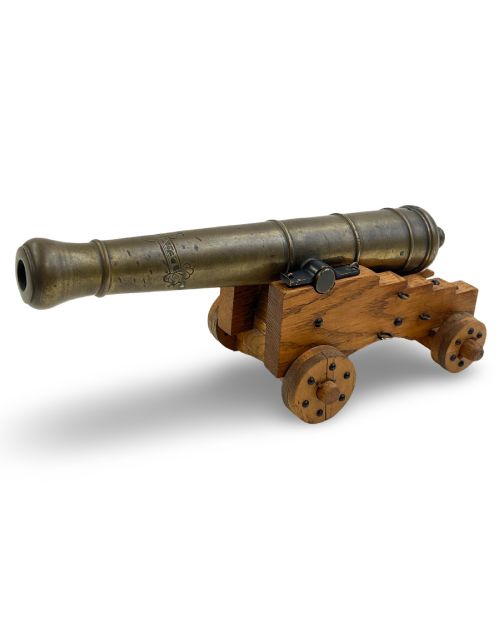
The inventory includes divers' helmets, signal cannons, and stockless anchors alongside sailing ships.
What varies in quality
The degree of fidelity to the original vessel and the precision of the rigging separate simpler items from more sophisticated examples. Finer pieces demonstrate intricate miniature metalwork and precise hull shaping.
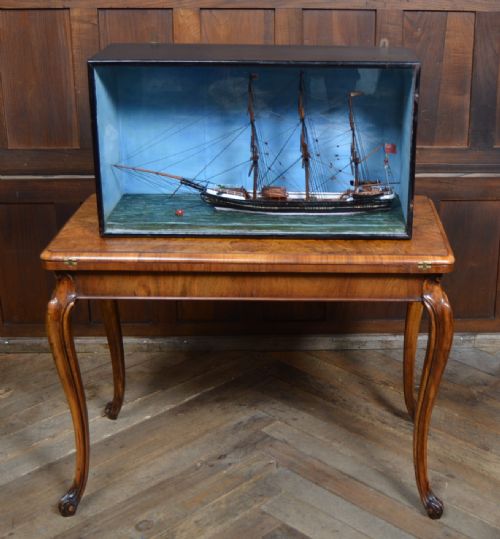
The presence of original glass cases and the complexity of the subject matter, such as fully rigged multi-masted schooners or named historical ships, influence the overall character of the piece.
Liverpool Ship Building Co.
The Maritime Scale Model Glossary
- Barque
- A sailing vessel with three or more masts having the fore and main masts square-rigged and the mizzenmast fore-and-aft rigged. This rig provided a balance between speed and handling efficiency.
- Ketch
- A two-masted sailing boat where the smaller rear mast sits forward of the rudder post. This configuration distinguishes it from a schooner.
- Schooner
- A sailing ship with two or more masts, with fore-and-aft sails on all masts. These vessels were widely used for coastal trading and racing.
- Pond yacht
- A model sailing boat designed to be sailed on ornamental lakes and park ponds. They often feature large keels and adjustable rigging for uncrewed sailing.
Maritime Scale Model: Frequently Asked Questions
How old are these model ships?
The pieces listed span from the eighteenth century through the nineteenth century and into the early twentieth century, including Edwardian and WWI era examples.
Dates are determined by the materials, styles, and specific vessel histories recorded in the evidence.
How were cased ship models displayed?
Cased ship models were housed within glazed wooden frames to protect delicate rigging and painted surfaces from dust and damage. This presentation preserved the intricate cordage and thread details.
Such cases are typical of fine scale models produced in the Victorian and Edwardian periods.
What materials did makers use?
Makers relied heavily on wood for hulls and decks, complemented by brass and metal for fittings like anchors and cannons. Canvas, cordage, and thread formed the rigging.
Glass cases and paint finishes completed the construction of these detailed nautical objects.