


Nautical Brass Collectable
These nautical brass collectable pieces bring maritime history into the room, offering tangible links to naval operations and seafaring craft.
Nautical Brass Collectable
A nautical brass collectable encompasses functional instruments, desk models, and operational equipment drawn from centuries of maritime and aviation history. Buyers searching for a nautical brass collectable typically encounter items ranging from Victorian and Edwardian periods up to the mid-twentieth century.
Materials and construction
Makers utilised durable metals, predominantly brass and bronze, alongside copper, lacquered metal, and iron elements to withstand marine environments. Wood components such as oak and teak appear in turned items and structural fittings, combined with glass and rubber details on scientific instruments.
Construction methods range from engineer-made miniatures and precision workshop fabrication to heavy casting for signal cannons and ship components. Finish treatments include polished metals, turned wood details, and inscribed markings denoting specific vessels or makers.
Listings feature items spanning the eighteenth century through to the 1940s, utilising brass, bronze, copper, oak, and teak.
Understanding quality differences
Quality rests upon the precision of engineering and the integrity of original materials, distinguishing bespoke workshop creations from standard production pieces. Finer examples display crisp casting details, legible inscriptions, and intact mechanical components.
The degree of original preservation shapes the character of each piece, with untouched surfaces and complete operational parts holding distinct appeal for collectors. Proportion, historical provenance, and the complexity of the mechanism further define the upper tier of objects.
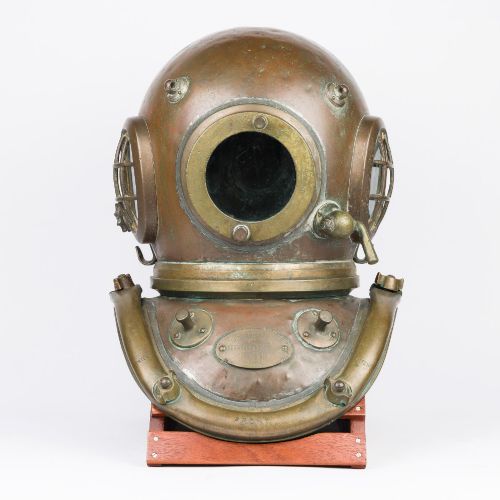
Hughes & Son·Siebe Gorman
The Nautical Brass Collectable Glossary
- Sextant
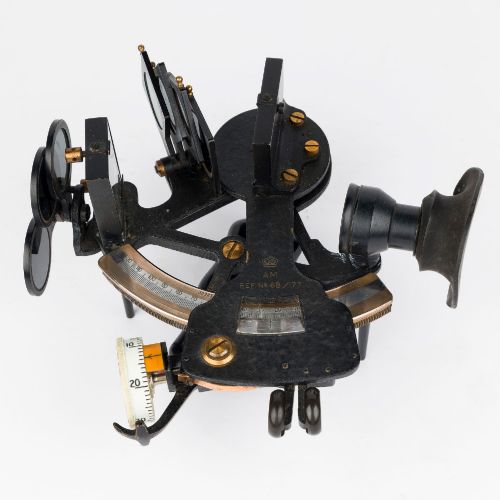
- An instrument used to measure the angle between an astronomical object and the horizon for celestial navigation. These devices often incorporate precision brass framing and glass optics.
- Signal cannon
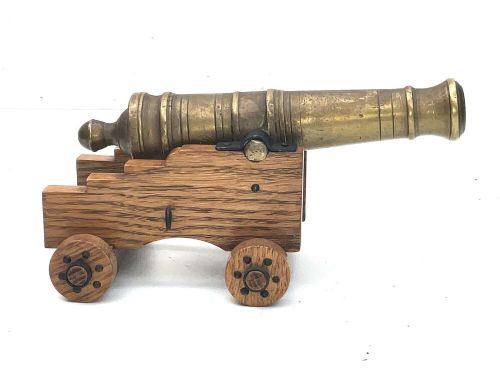
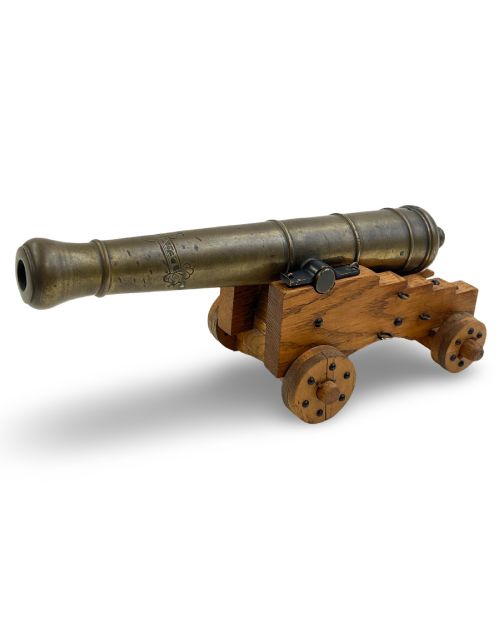
- A small cannon fired to salute, signal time, or communicate between vessels. Examples vary from decorative bronze models to functional brass pieces.
- Bobbin turned
- A method of woodturning that produces a series of rounded, spool-like shapes along the length of a stem or leg. This decorative technique appears on candlesticks and furniture.
- Stockless anchor
- An anchor design where the arms pivot, allowing the flukes to dig into the seabed without catching on the anchor stock. Scale models of these anchors demonstrate industrial engineering.
Nautical Brass Collectable: Frequently Asked Questions
What is a station pointer used for?
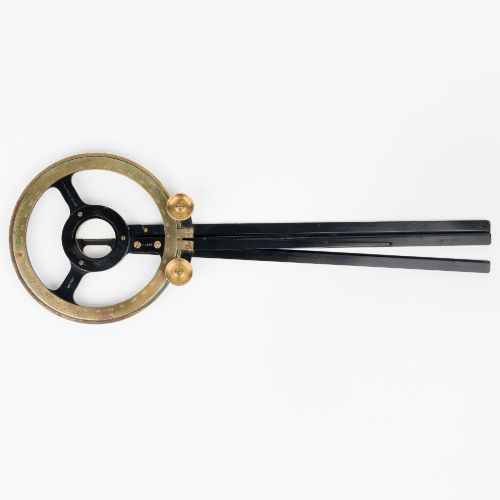
A station pointer is a navigational tool utilised by mariners to determine exact positioning at sea using horizontal angles. It allows the user to plot visual fixes accurately on a chart.
These instruments reflect the high standards of maritime engineering and precision metalwork typical of early twentieth-century scientific equipment.
How should I display a diving helmet?
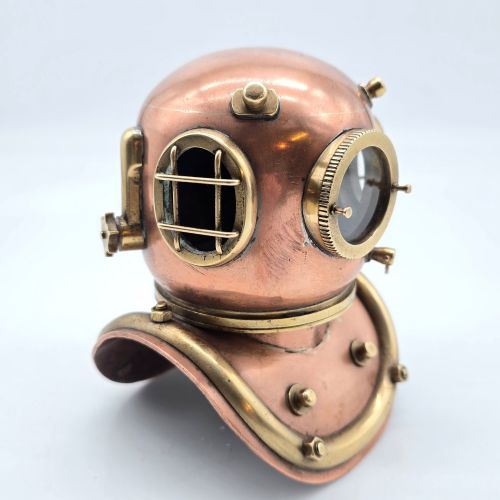
Diving helmets require a sturdy surface capable of supporting considerable weight due to their heavy brass and copper construction. Placement away from direct heat sources helps preserve metal finishes and soldered joints.
These striking objects function well as focal points in studies, libraries, or rooms dedicated to maritime history.
How do I identify Edwardian maritime pieces?
Edwardian maritime items date from the reign of King Edward VII, generally marked by refined craftsmanship and traditional brass work. They often combine utilitarian function with polished aesthetic appeal.
Examining maker inscriptions, material combinations, and stylistic cues helps distinguish pieces from this era compared to later twentieth-century production.