



Maritime Brass Ornament
These maritime brass ornament pieces bring naval history directly into the room, offering solid metal construction and genuine period character.
Maritime Brass Ornament
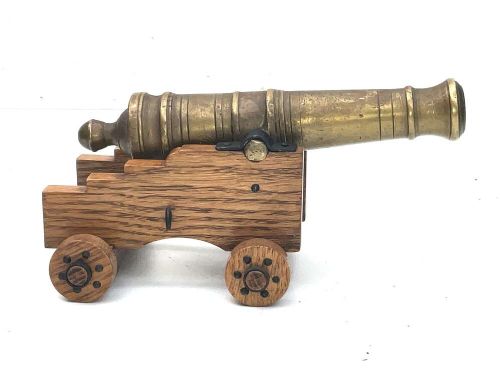
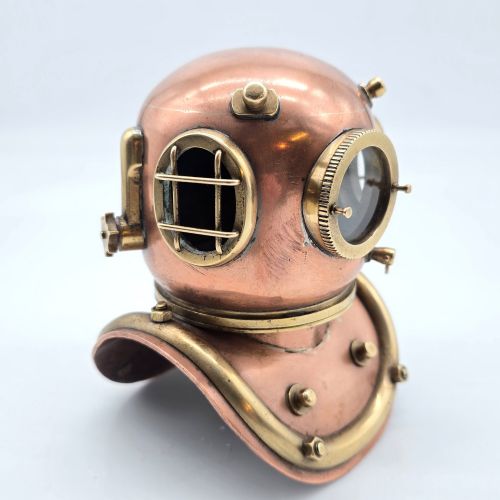
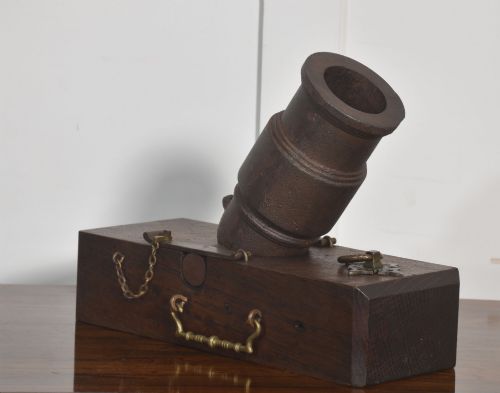
A maritime brass ornament represents the sea through desk accessories, model ships, and ordnance like signal cannons on carriages. These objects range from Georgian figural doorstops depicting naval figures to miniature divers helmets and scale models of patented anchors.
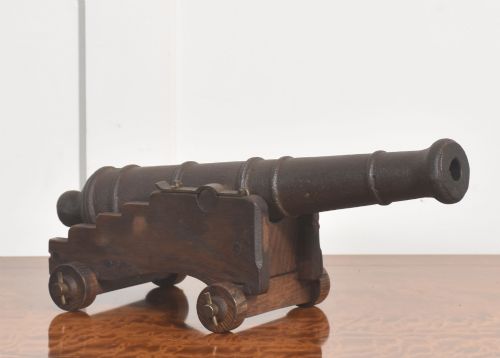
Most examples found here date across the nineteenth and early twentieth centuries, reflecting the height of naval engineering and maritime trade. Buyers encounter sturdy brass barrels, heavy oak carriages, and detailed cast-iron constructions.
The selection includes specific functional items adapted for display, such as ships bells and signalling cannons. These decorative objects capture the industrial and military aesthetic of historical shipping.
How they were made
Maker techniques rely heavily on brass casting and metalworking combined with fitted wooden elements like oak carriages. Metal components are often finished with patination to highlight the detailed shaping of anchors, cannons, and miniature helmets.
Makers integrated mixed materials by mounting heavy brass or cast-iron barrels onto solid wooden bases and securing them with metal pins. Components such as glass and copper appear occasionally alongside iron and wood to complete specific models.
Maritime Brass Ornament Retail Price Guide 2026
Typical asking prices for maritime brass ornament among the pieces listed under this phrase on Sellingantiques today, from the lower quarter to the upper quarter. They describe what is for sale here now, not the wider market.
Materials across the listings include brass, oak, cast iron, copper, and glass.
What varies in quality
Quality rests upon the precision of the casting and the fidelity of the scale model to historical prototypes. Engineer-made miniatures display finer detail in moving parts and surface markings compared to standard decorative castings.
The integrity of the combination between metal and wood determines the overall presence of the piece. Well-preserved oak carriages and original patinated brass surfaces hold greater visual weight than later replacements.
The Maritime Brass Ornament Glossary
- Signal cannon
- A small ordnance piece used historically for salutes, communication, or signalling at sea. These typically feature solid metal barrels mounted on wooden carriages.
- Stockless anchor
- An anchor design without traditional cross-stocks, allowing the flukes to rotate upon deployment. Scale models of patented versions reflect industrial maritime improvements.
- Figural doorstop
- A weighted decorative object cast in metal to hold doors open while depicting a recognizable personage. Lord Nelson serves as a common subject in maritime examples.
- Diver's helmet
- A rigid protective headpiece worn by deep-sea divers during underwater operations. Miniature versions showcase the complex engineering of early diving equipment.
Maritime Brass Ornament: Frequently Asked Questions
How were signal cannons used?
Signal cannons were employed at sea and on shore to fire blank charges for communication, marking time, or celebrating events. They produced a loud report rather than firing projectiles.
Miniature versions were often produced as decorative items or commemorative pieces marking historical milestones.
How do I date these items?
Dating relies on stylistic clues, patent dates, and specific historical commemorations marked on the metalwork. Nineteenth-century pieces often feature heavier cast iron and distinct brass casting techniques.
Later items from the early twentieth century reflect more refined miniature engineering and specific ship names.
How should I display them?
These pieces suit placement on desks, bookshelves, or mantelpieces where their metallic finishes can catch the light. Their substantial weight from brass and iron makes them stable shelf objects.
Keeping them away from damp environments helps preserve the original condition of the wood and metal surfaces.