



Maritime Military Chest
A maritime military chest is a robust travel trunk built for officers on the move, prized for its clever construction and rich timbers.
Maritime Military Chest
A maritime military chest serves as a sturdy travelling trunk or storage box designed for transport during service. When exploring maritime military chest options, buyers typically encounter pieces built during the nineteenth century, Victorian era, or Edwardian period.
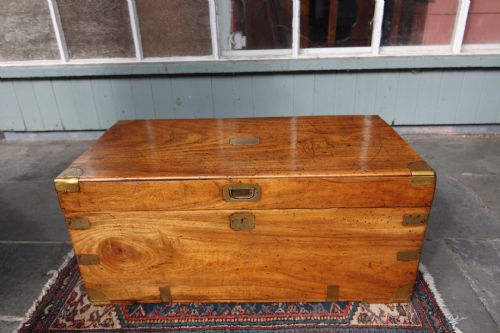
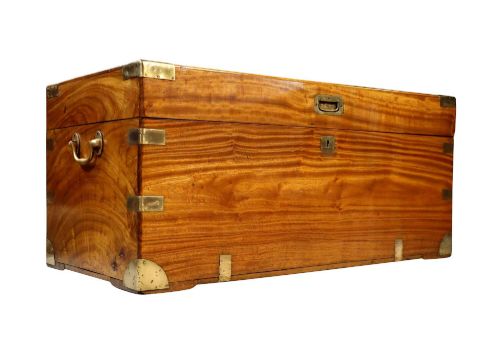
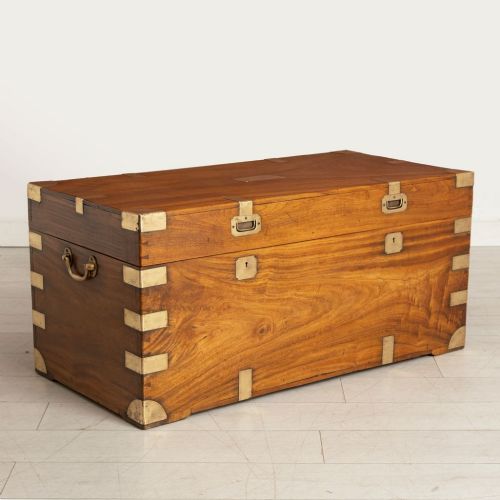
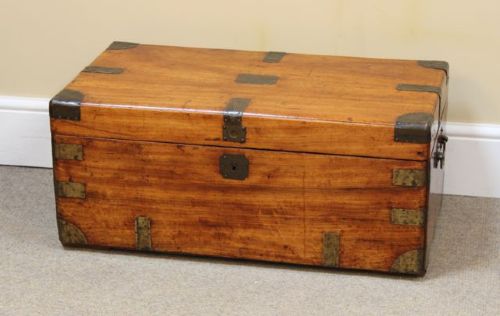
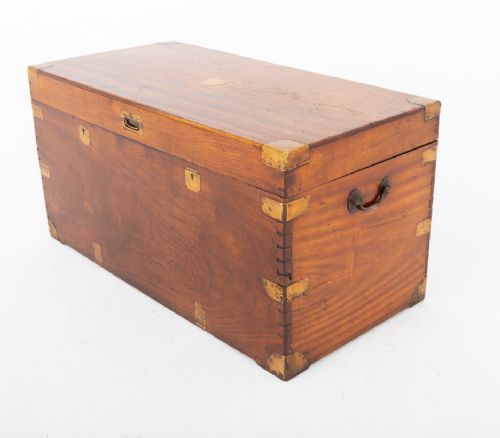
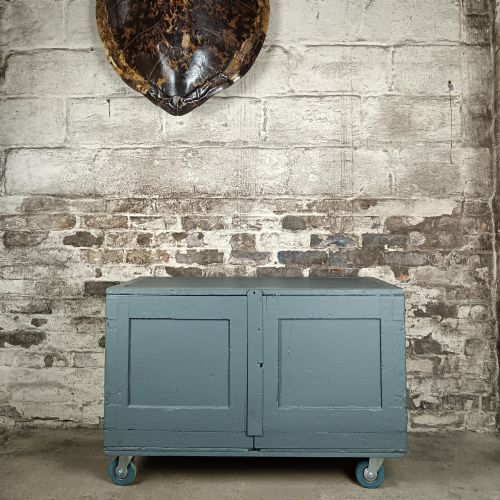
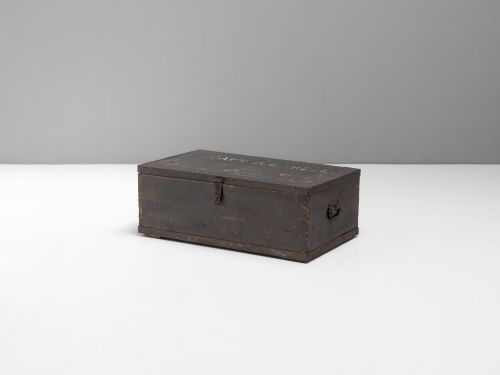
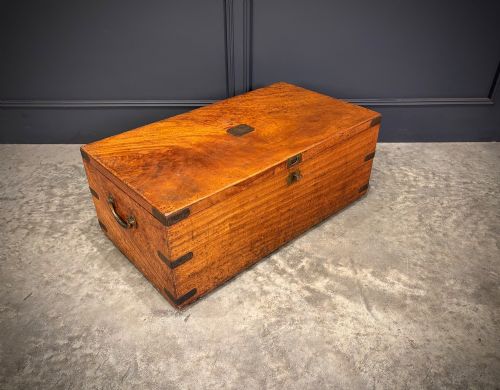
The most common forms on this page include camphor wood campaign trunks, teak chests, and brass-bound storage boxes. These items functioned as practical luggage and furniture for officers at sea and in the field.
Origins stretch from English workshops to the China Trade, uniting practical utility with durable construction. Buyers select these chests for functional home storage and distinct historical character.
Materials and construction methods
Craftsmen built these chests using dense timbers such as camphor wood, teak, mahogany, walnut, and pine to withstand harsh travel conditions. Camphor wood remains particularly prominent due to its insect-repellent properties.
Metal reinforcement defines the construction, utilising brass corners, binding, and fittings alongside iron components to protect edges and joints during transit. Many pieces also feature fitted interiors and secure locking mechanisms operated with a key.
Maritime Military Chest Retail Price Guide 2026
Typical asking prices for maritime military chest among the pieces listed under this phrase on Sellingantiques today, from the lower quarter to the upper quarter. They describe what is for sale here now, not the wider market.
Listings feature nineteenth-century and Edwardian pieces constructed from camphor wood, teak, mahogany, walnut, and pine with brass and iron hardware.
Markers of superior craftsmanship
Quality rests in the selection of timber and the precision of the brass binding. Superior examples display dense, well-figured camphor wood or teak with tight corner joints and flush-fitting hardware.
The execution of recessed carrying handles and original locking mechanisms indicates higher workshop standards. Better chests maintain structural integrity and retain original fittings rather than replaced elements.
The Maritime Military Chest Glossary
- Campaign chest
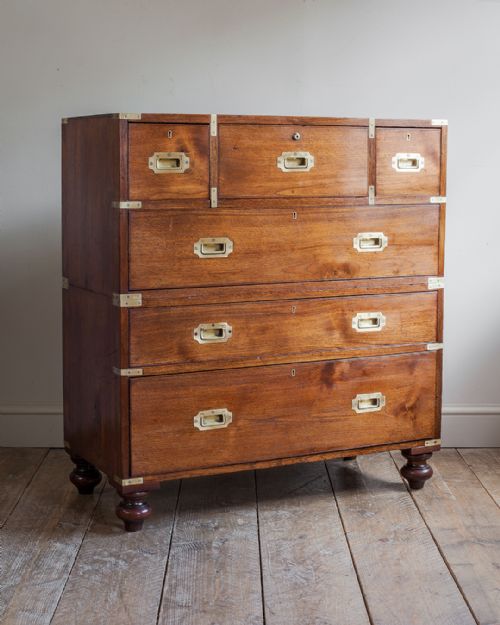
- A portable chest built in sections or fitted with carrying handles for military transport. These pieces dismantle or lift easily for officers on active service.
- Brass bound
- Furniture edged or reinforced with brass strips and corner pieces. This technique protected vulnerable wooden seams from heavy knocks during travel.
- Ship's chest
- A storage trunk adapted for use aboard naval vessels. These boxes accommodated personal possessions in restricted cabin spaces.
- Coffer
- A large wooden box used for storing valuables, blankets, or provisions. These heavy receptacles often doubled as seating during long voyages.
Maritime Military Chest: Frequently Asked Questions
What is a maritime military chest?
A maritime military chest is a durable storage trunk created for officers travelling by sea or land during the nineteenth and early twentieth centuries.
These pieces combined the functions of luggage and furniture, featuring robust timbers and protective metal hardware to endure difficult journeys.
How were these chests used?
Officers utilised them to transport uniforms, documents, and personal belongings across military campaigns and naval voyages.
In quarters, the chests often doubled as tables, desks, or seating while keeping contents secure and organised.
How do I identify a Victorian piece?
Victorian examples generally date from the mid-nineteenth century onwards and often feature rich camphor wood or teak with substantial brass binding.
Look for period construction details such as hand-cut dovetails, iron or brass carrying handles, and original locks.
How do I care for camphor wood?
Camphor wood benefits from minimal intervention, requiring only a soft cloth to remove dust and maintain the natural finish.
Keep the timber away from direct heat sources and excessive moisture to preserve the wood and its aromatic qualities.