

Maritime Storage
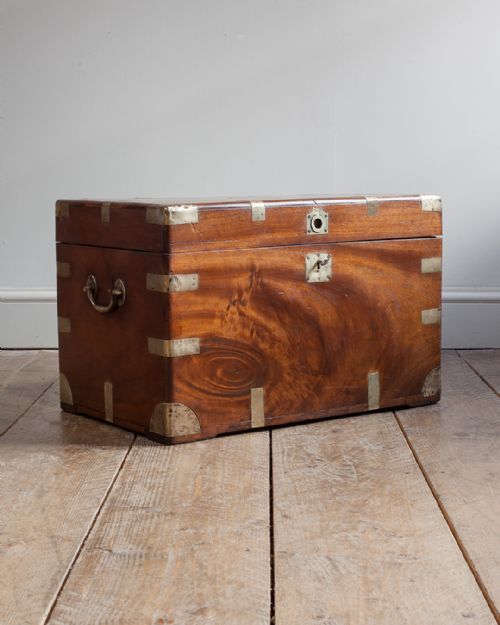
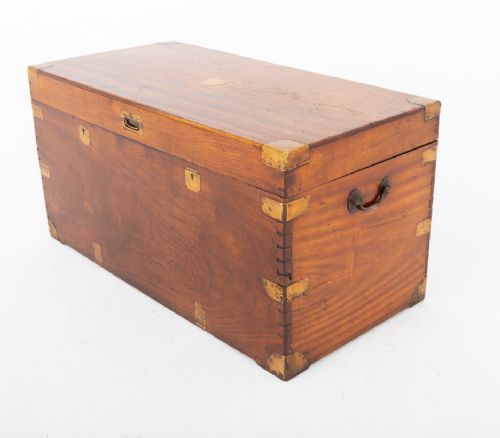
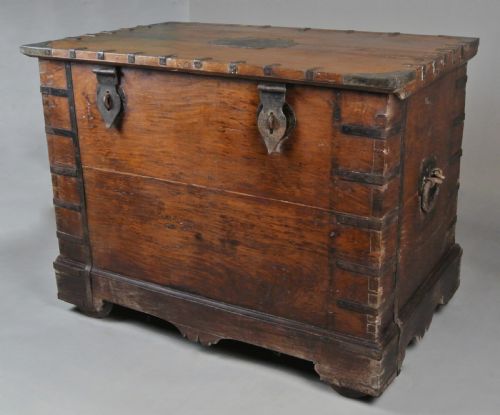
Maritime antique storage brings together durable campaign trunks, sea chests, and ship's boxes built for travel across the oceans.
Maritime Storage
Maritime antique storage encompasses heavy-duty travel chests, blanket boxes, and campaign trunks designed to withstand long sea voyages. Buyers seeking these items will mostly encounter nineteenth-century pieces alongside Victorian, Edwardian, and early twentieth-century examples.
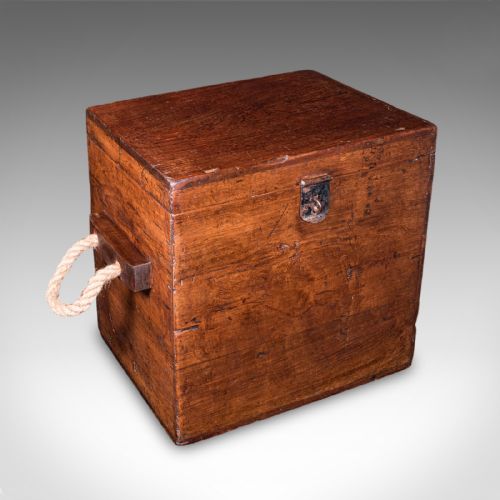
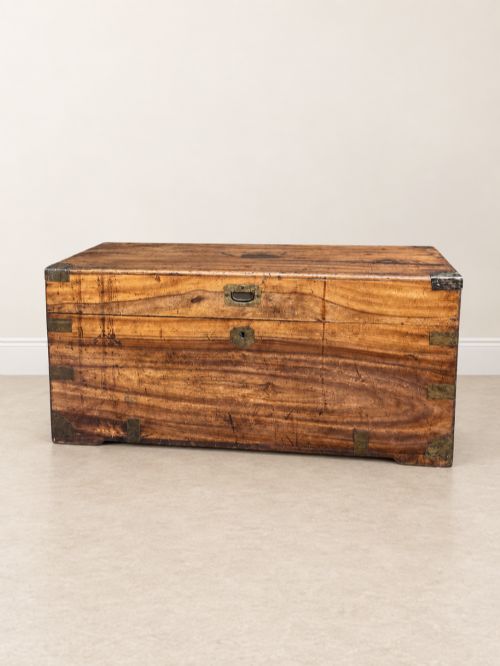
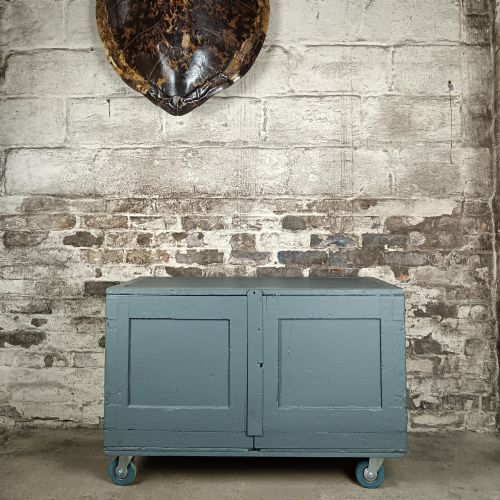
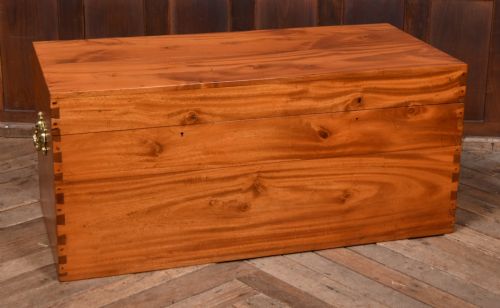
The forms span camphor wood chests, teak merchants trunks, painted pine seaman's boxes, and specialised items like ship's tansu chests. These containers served officers, merchants, and sailors moving belongings across global shipping routes.
Materials and construction
Workshops utilised dense timbers such as camphor wood, teak, padouk, mahogany, and pine to resist damp conditions at sea. These hardwoods were frequently selected for their natural oils and durability.
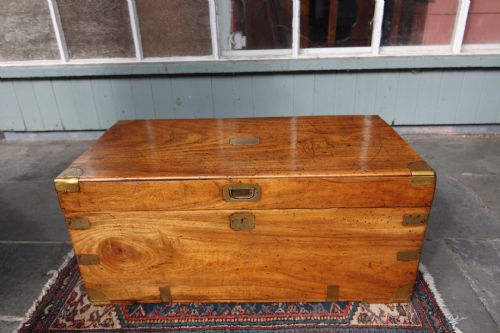
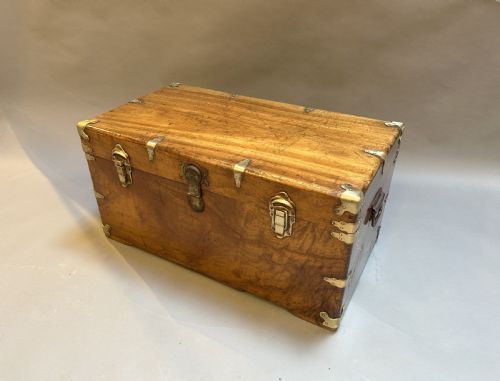
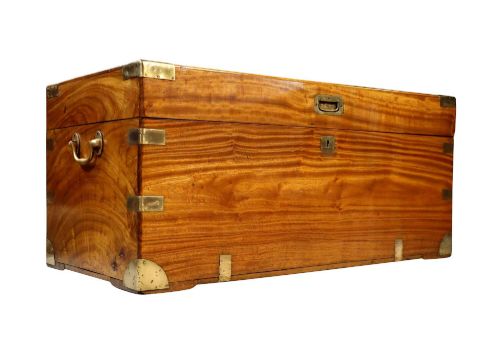
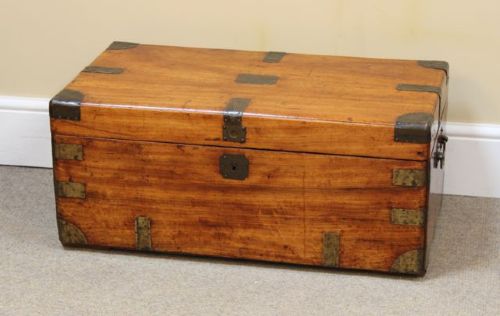
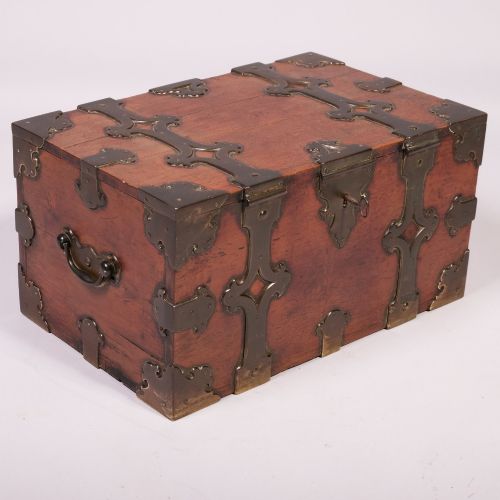
Joinery was reinforced with brass corners, straps, and bound edges, alongside iron fittings and rope handles designed for secure lifting during transit. Painted finishes on pine surfaces added an extra layer of protection against the elements.
Captain James John Stopford RN once packed his Royal Navy campaign cabinet so securely that it outlived the fleet.
Defining quality differences
Quality rests in the grade of timber selected, the weight and finish of the brass or iron binding, and the integrity of the original construction. Superior examples show precise dovetail joints and well-fitted interior compartments designed for practical service.
The presence of original hardware, locking mechanisms, and authentic historical markings separates standard utility trunks from finer campaign furniture made for officers.
The Maritime Storage Glossary
- Campaign chest
- A modular storage chest built in sections with recessed brass handles for easy transport by military officers on duty. These units stacked securely inside one another.
- Camphor wood
- An aromatic timber utilised for maritime trunks because its natural scent repelled insects and protected stored textiles during long voyages.
- Zanzibar chest
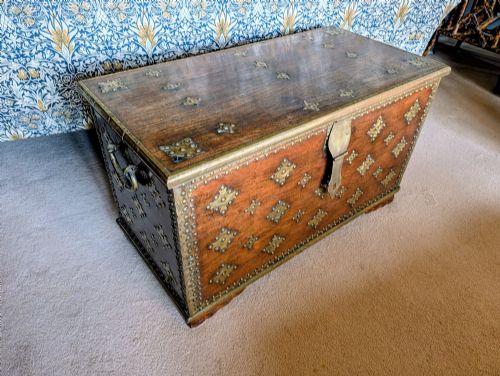
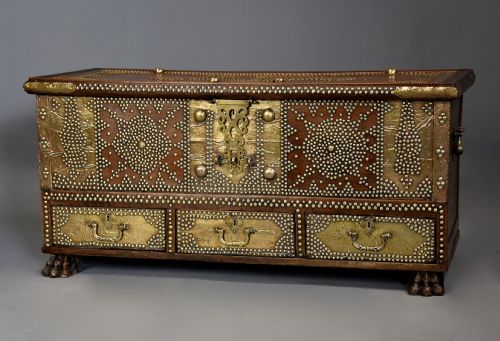
- A heavily brass-studded hardwood chest originating from or influenced by East African trade routes, featuring ornate metalwork and compartmentalized interiors.
- Seaman's chest
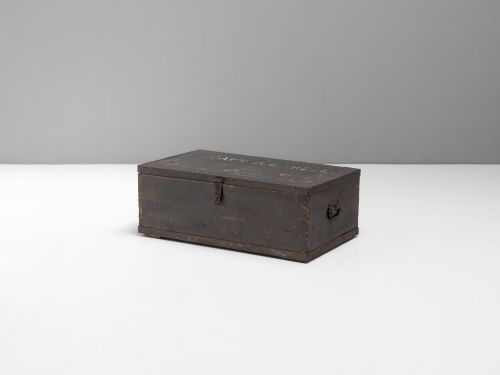
- A robust wooden box utilised by sailors to hold personal gear, often customized with painted maritime motifs or owner inscriptions on the lid.
- Ship's tansu
- A traditional Japanese modular cabinet adapted for marine use, featuring multiple small drawers for organising tools and navigation instruments.
Maritime Storage: Frequently Asked Questions
What were maritime storage chests used for?
These chests transported uniforms, navigational instruments, documents, and personal belongings of officers and merchants during lengthy sea voyages.
They served as portable wardrobes and desks that could withstand rough handling on ships and in transit.
How do I identify a camphor wood chest?
Camphor wood is recognised by its distinct, aromatic scent and a pale golden-brown grain that darkens with age.
These trunks were frequently fitted with brass corners and recessed handles to protect the timber during military campaigns.
Where were teak and camphor trunks made?
Trunks were constructed in British colonial outposts, aboard ships, and in domestic workshops across the nineteenth century.
Craftsmen utilised local dense timbers suited to maritime climates.
How should I clean a painted pine sea chest?
Clean painted pine surfaces gently with a dry or lightly damp cloth to preserve the original nineteenth-century pigment.
Avoid harsh chemical solvents that might strip or damage the historic maritime decoration.