


Marble Statue Stand
A marble statue stand supports figures and columns across nineteenth and twentieth century interiors.
Marble Statue Stand
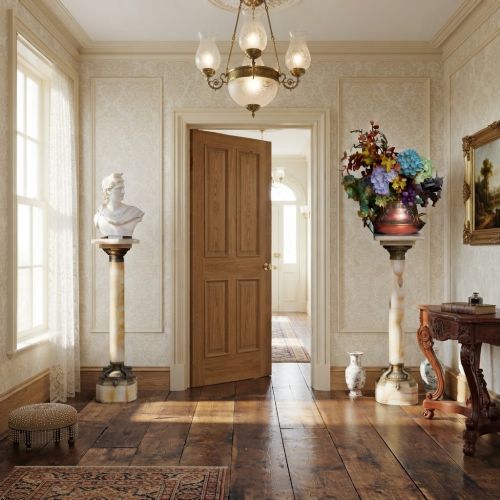
A marble statue stand encompasses pedestals, columns, plinths, and figural bases designed to elevate sculptures, busts, and lamps. These items range from sturdy nineteenth century columns in onyx and marble to decorative twentieth century display stands.
The selection on this page focuses heavily on pedestals, torcheres, and stone or bronze plinths originating from Victorian and early twentieth century workshops. Buyers encounter architectural columns alongside simpler cylindrical figures and display stands.
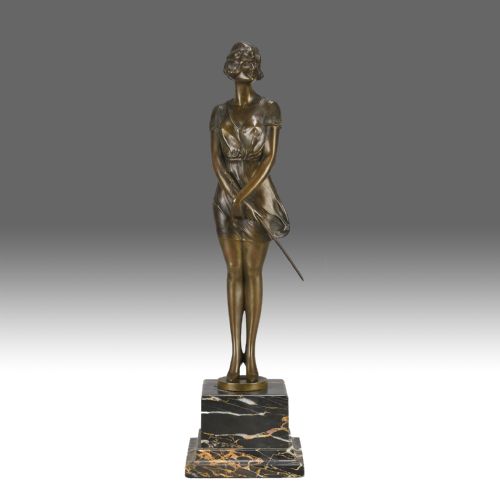
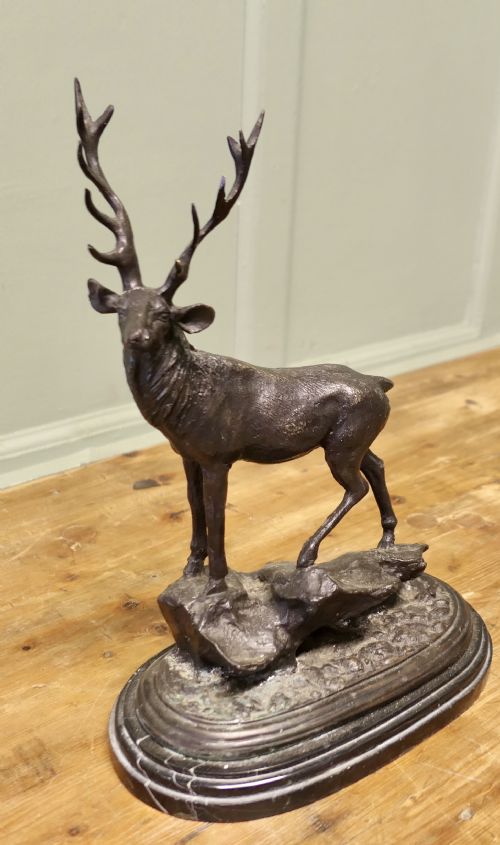
Many listings pair these stands with bronze figures, alabaster statues, and marble busts, creating unified decorative ensembles. Others offer standalone columns and faux marble pedestals ready to receive new sculptural pieces.
How they were made
Makers utilised natural materials including marble, onyx, and alabaster, turning and carving solid stone into columns and torcheres. Metal elements such as ormolu collars and cast bronze mounts added structural detail and decorative contrast.
Foundries cast bronze figures using traditional methods, attaching the finished metalwork to carved stone plinths and bases. Wood construction appeared in painted timber and satinwood pedestals, sometimes finished with a faux marble surface.
Surface details relied on hand polishing stone to reveal natural veining, alongside the patination and gilding of bronze components.
Listings feature items from the nineteenth century, Victorian era, and 1920s, constructed from marble, bronze, alabaster, onyx, and satinwood.
What varies in quality
Quality rests upon the selection of the stone and the precision of the carving. Fine pieces display harmonious natural veining in the marble or onyx, whilst simpler items utilise basic painted timber or faux finishes.
The refinement of secondary materials sets superior columns apart from standard examples. Cast bronze mounts, ormolu collars, and signed figural components indicate higher workshop standards during the nineteenth and twentieth centuries.
Bruno Zach·Georges Van Der Straeten·Fritz Kochendorfer·Pierre le Faguays·E. Laurent·A. Marionnet
The Marble Statue Stand Glossary
- Pedestal
- A structural support or column designed to elevate a sculpture, bust, or vase. These stands appear in marble, onyx, alabaster, and timber across nineteenth and twentieth century listings.
- Torchere
- A tall stand or ornamental column historically used to hold a light, frequently adapted to display figures and statues. Examples in the evidence include onyx and marble constructions.
- Ormolu
- Gilt bronze mounted onto furniture and stone objects for decorative effect. French makers utilised this technique extensively during the nineteenth century.
- Alabaster
- A fine-grained translucent stone used for carving statues, lamps, and figural groups. It permits soft light transmission in figural lamp designs.
Marble Statue Stand: Frequently Asked Questions
What holds a marble statue stand stable?
Weight provides the primary stability for stone columns and pedestals. Solid marble, onyx, and alabaster create a low centre of gravity.
Larger architectural columns and figural plinths rely on their substantial mass to support heavy bronze and stone sculptures safely.
How do I match a stand to a figure?
Consider the period and material of the sculpture when selecting a base. Nineteenth century bronze figures often pair well with marble plinths or ormolu-collared onyx columns.
Proportion remains essential, ensuring the top surface area accommodates the footprint of the statue securely without overhang.
Are faux marble stands antique?
Faux marble finishes appear on nineteenth century and Victorian pedestals and cylinder lamp stands. Artisans painted timber surfaces to imitate natural stone.
These decorative pieces offered a lighter, alternative construction while retaining the visual aesthetic of solid marble.
What is the difference between a column and a torchere?
Columns generally follow classical architectural orders with defined capitals and shafts. They provide sturdy flat surfaces for busts and statues.
Torcheres historically served lighting functions and frequently feature slender proportions suited to display lamps or single figures.